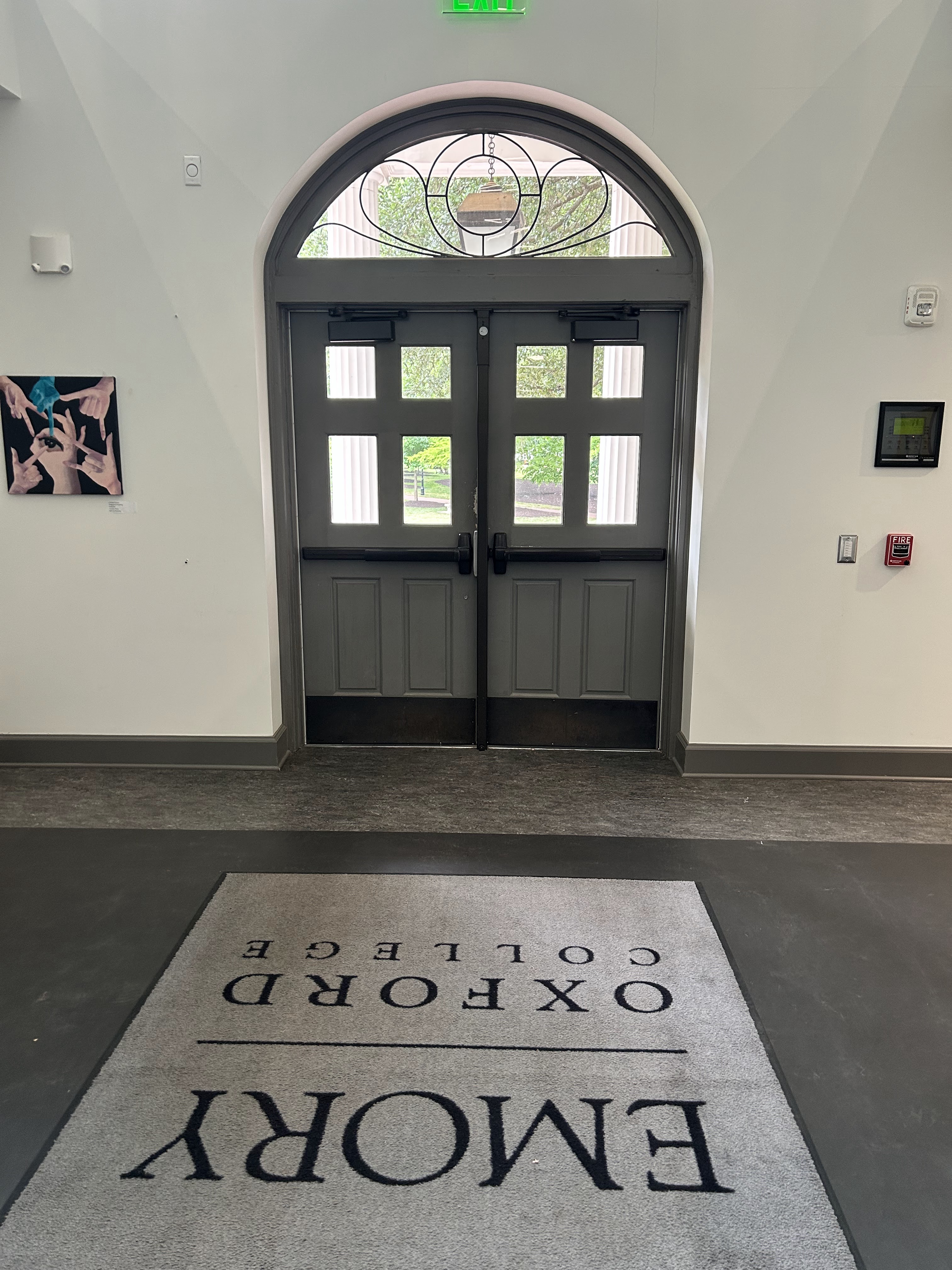
40th College Reunion

40th College Reunion. I don’t necessarily recommend going from 0 to 40 without any intervals of visits. But, that’s what I did given that my school was on the opposite coast of where I was living.

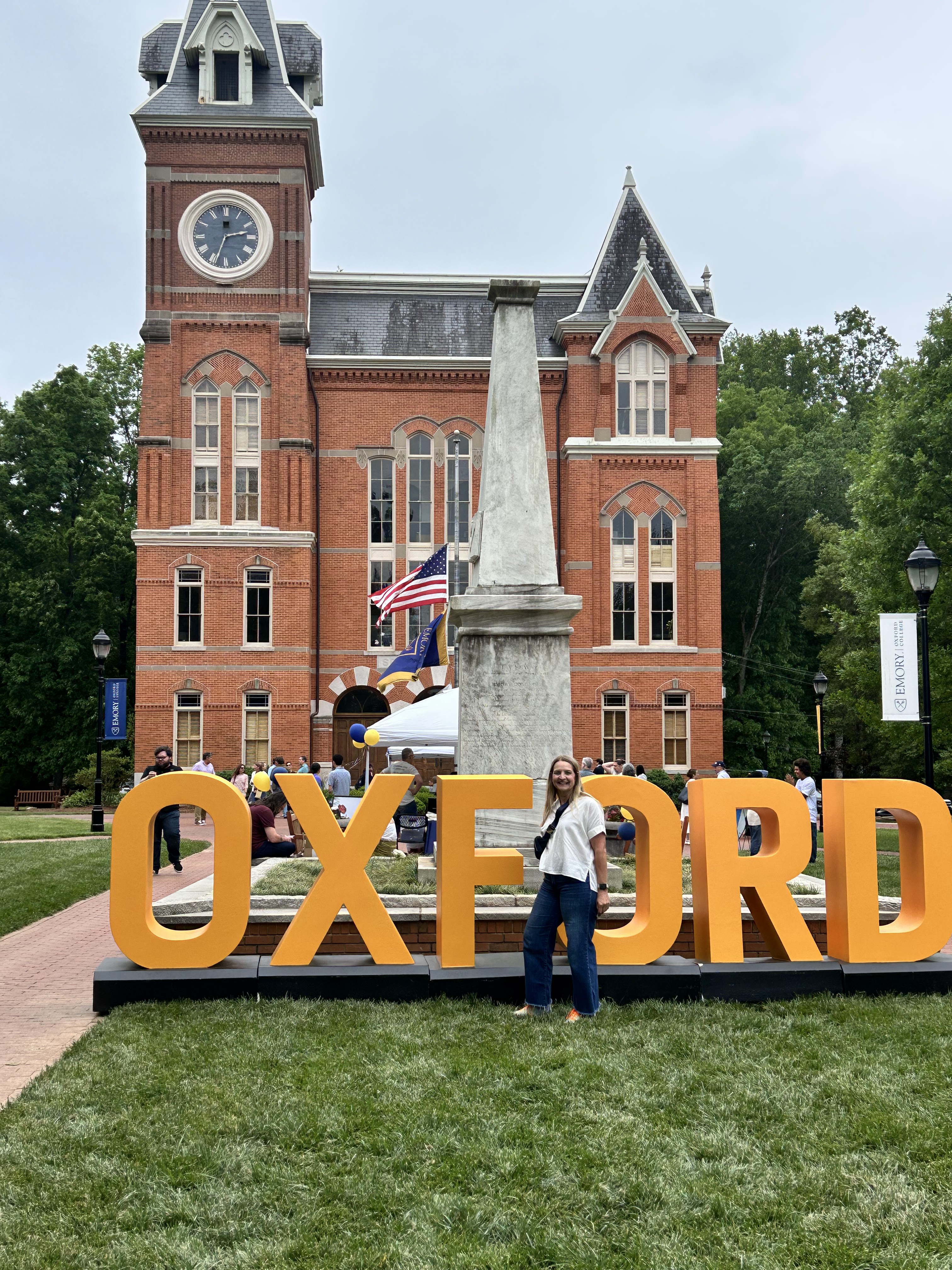
This weekend I spent celebrating my 40th college reunion for my AA degree. I was lucky enough to attend Oxford College of Emory, a small, intimate campus about 30 miles southeast of Atlanta. It was the perfect size given that my high school graduating class was 28 students! Most kids went on to Emory in Atlanta for their last two years of college, I actually transferred to University of Florida because I was required to take care of my brother.

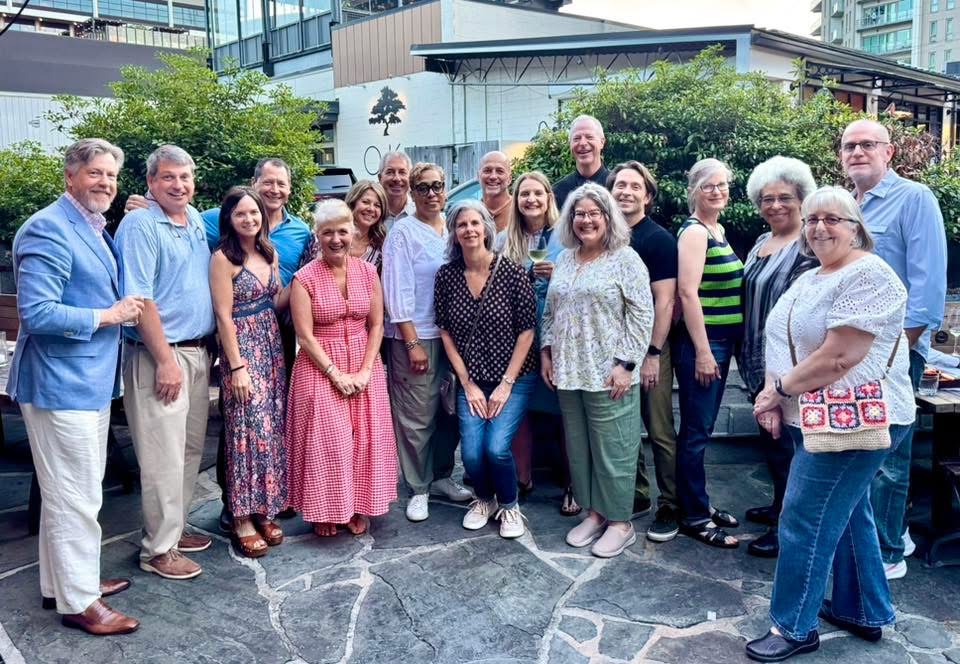
The weekend started with happy hour in a hip part of midtown Atlanta on Friday night. It was an intimate way to start the festivities and some folks did not attend the actual reunion on Saturday, so it was good to be able to attend both the happy hour and the reunion the next day.
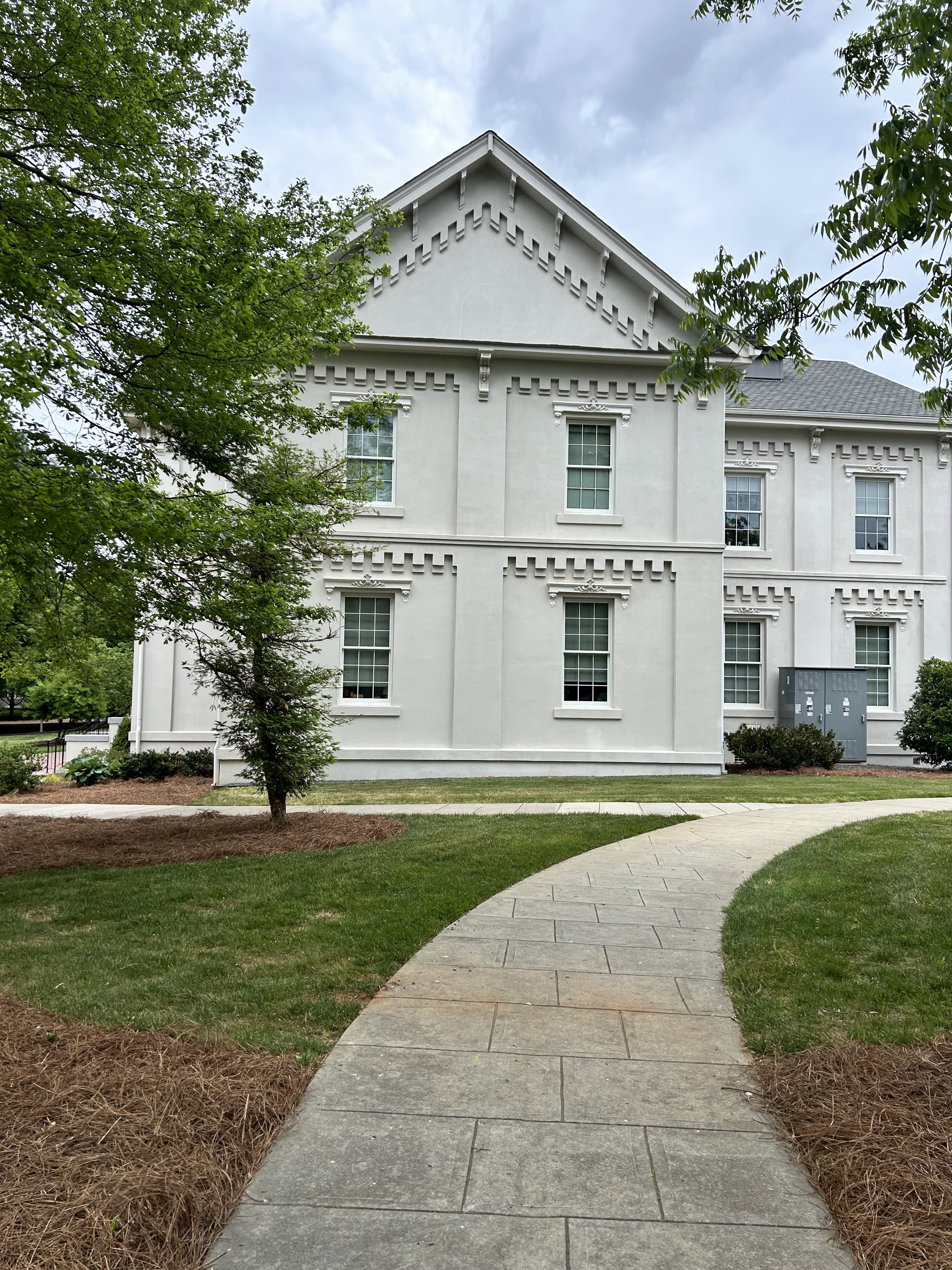
It was fun to walk the campus and go on a tour and have memories drop into my brain randomly. And even though the campus has changed and grown a lot, the original campus was alive and well, in my mind. The tour guides were students, and I loved their energy and enthusiasm. They enjoyed asking us questions about what campus was like when we were here. I told our tour guides to watch our reactions as we wandered campus because in 40 years they would be in our place going through the same thing and that 40 years happens quicker than you can imagine.

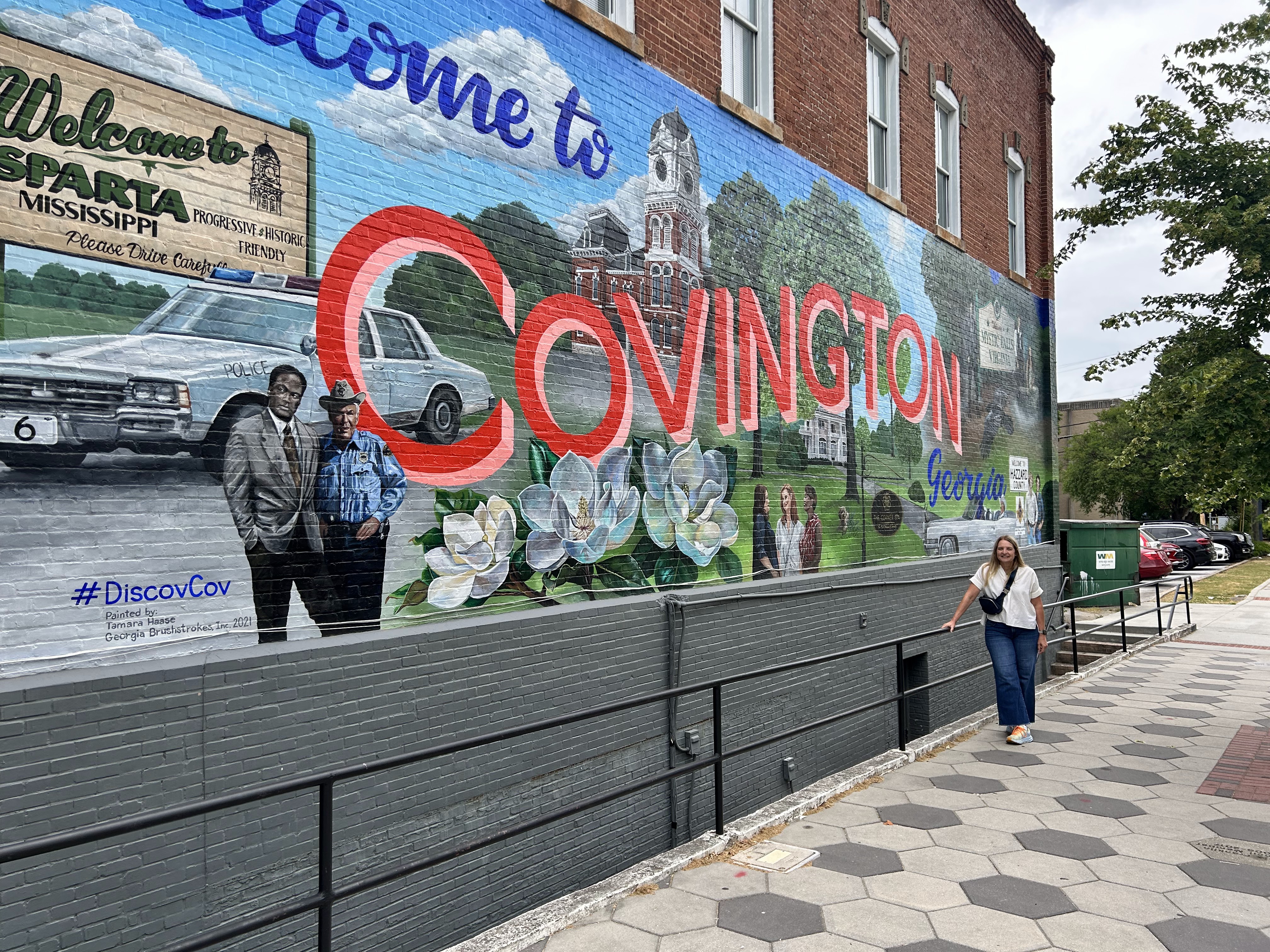
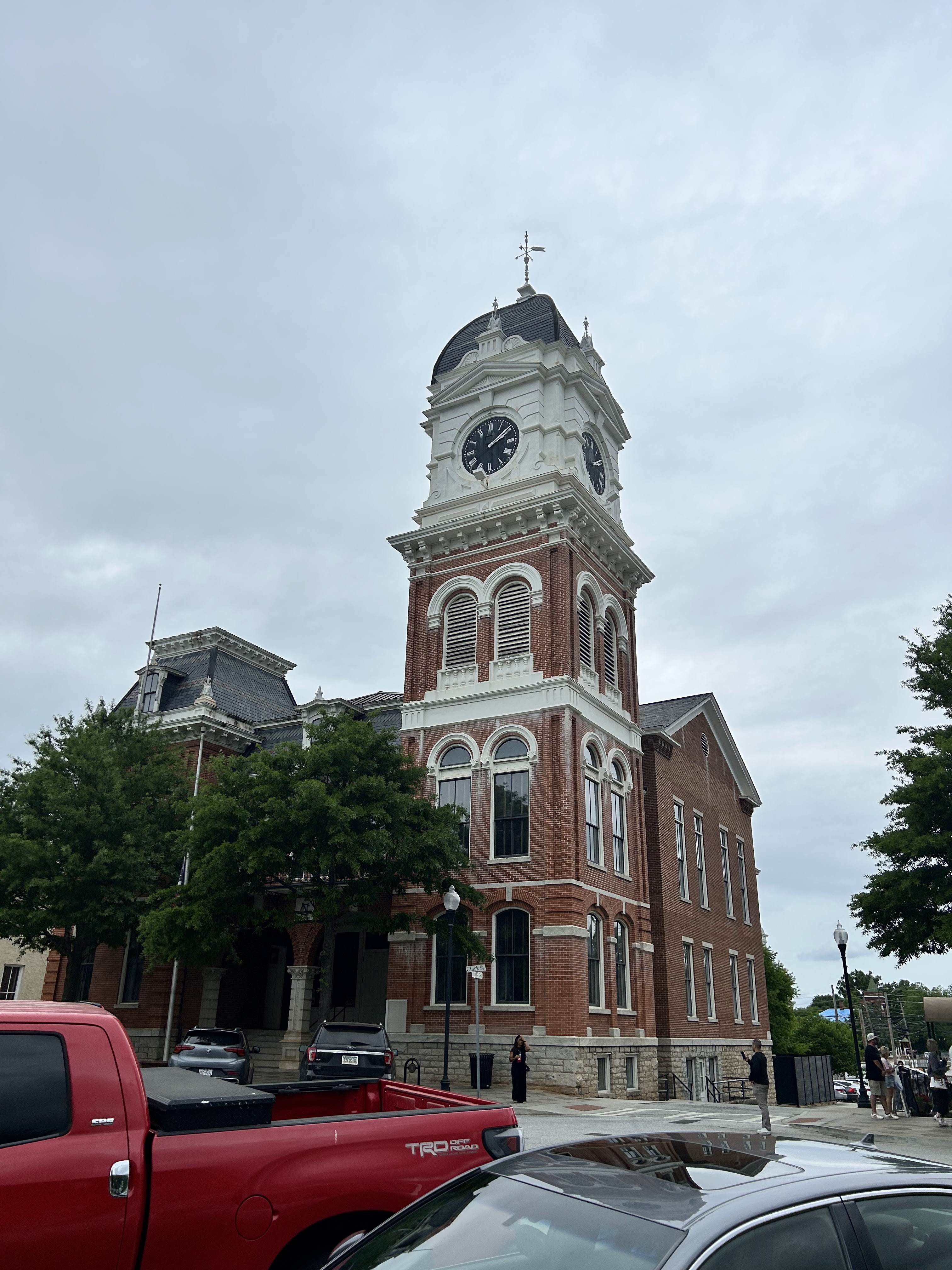
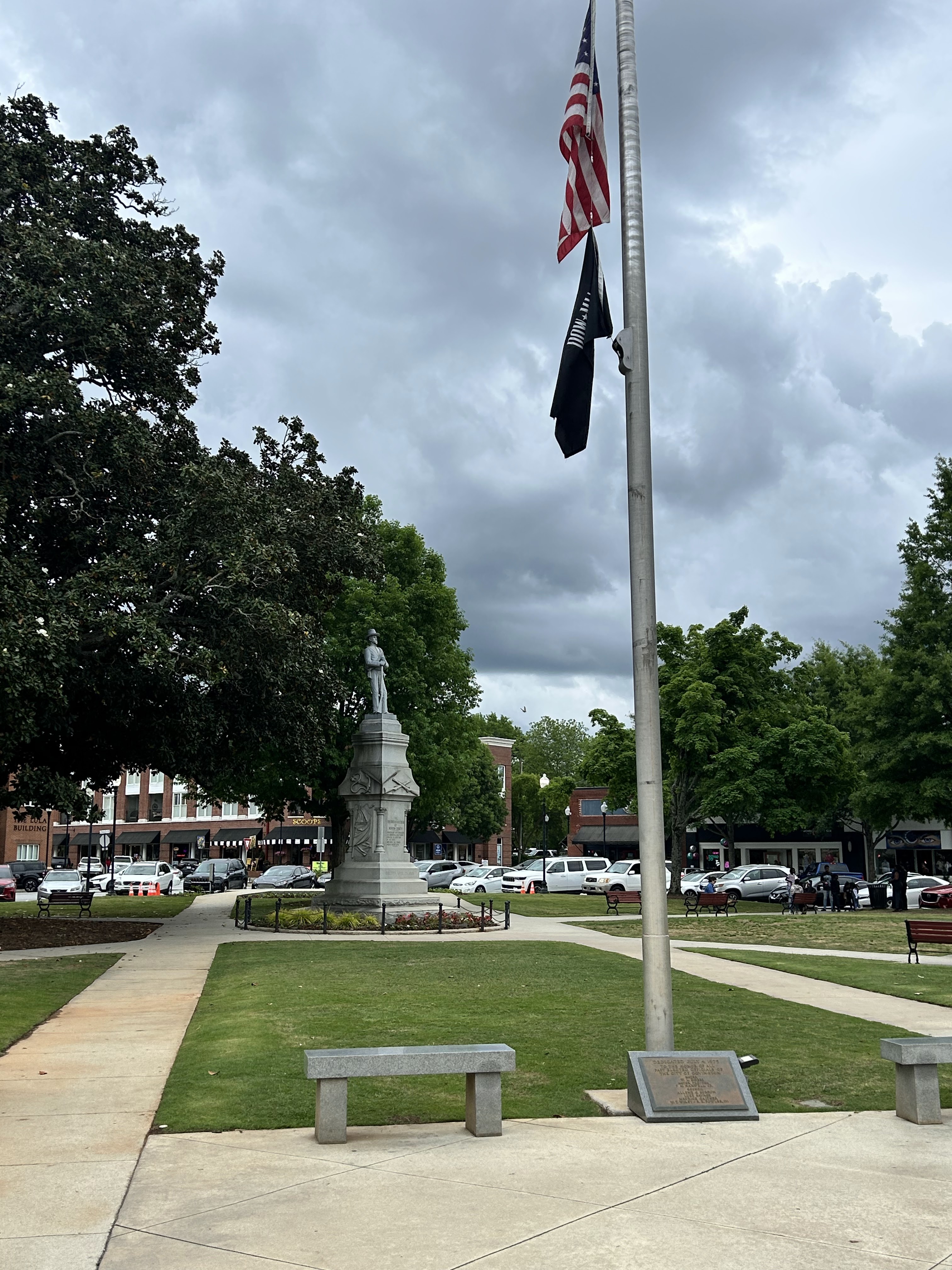
The day started with lunch at nearby Covington, which apparently is the town of Mystic in the Vampire Diaries series, which I have not watched. In college, I did not have a car so rarely left campus, except to visit TCBY in Conyers. Oh, the simple times.
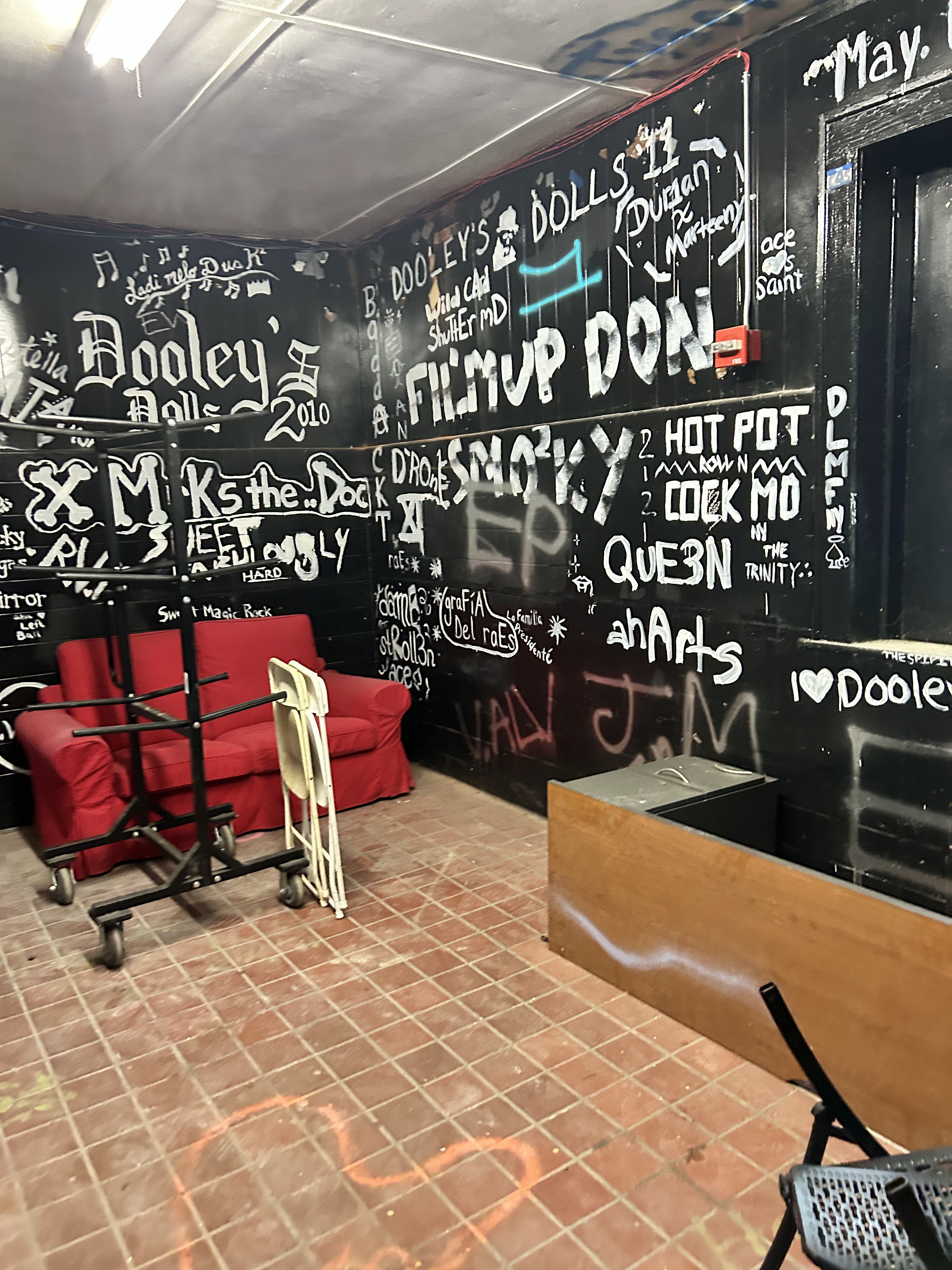
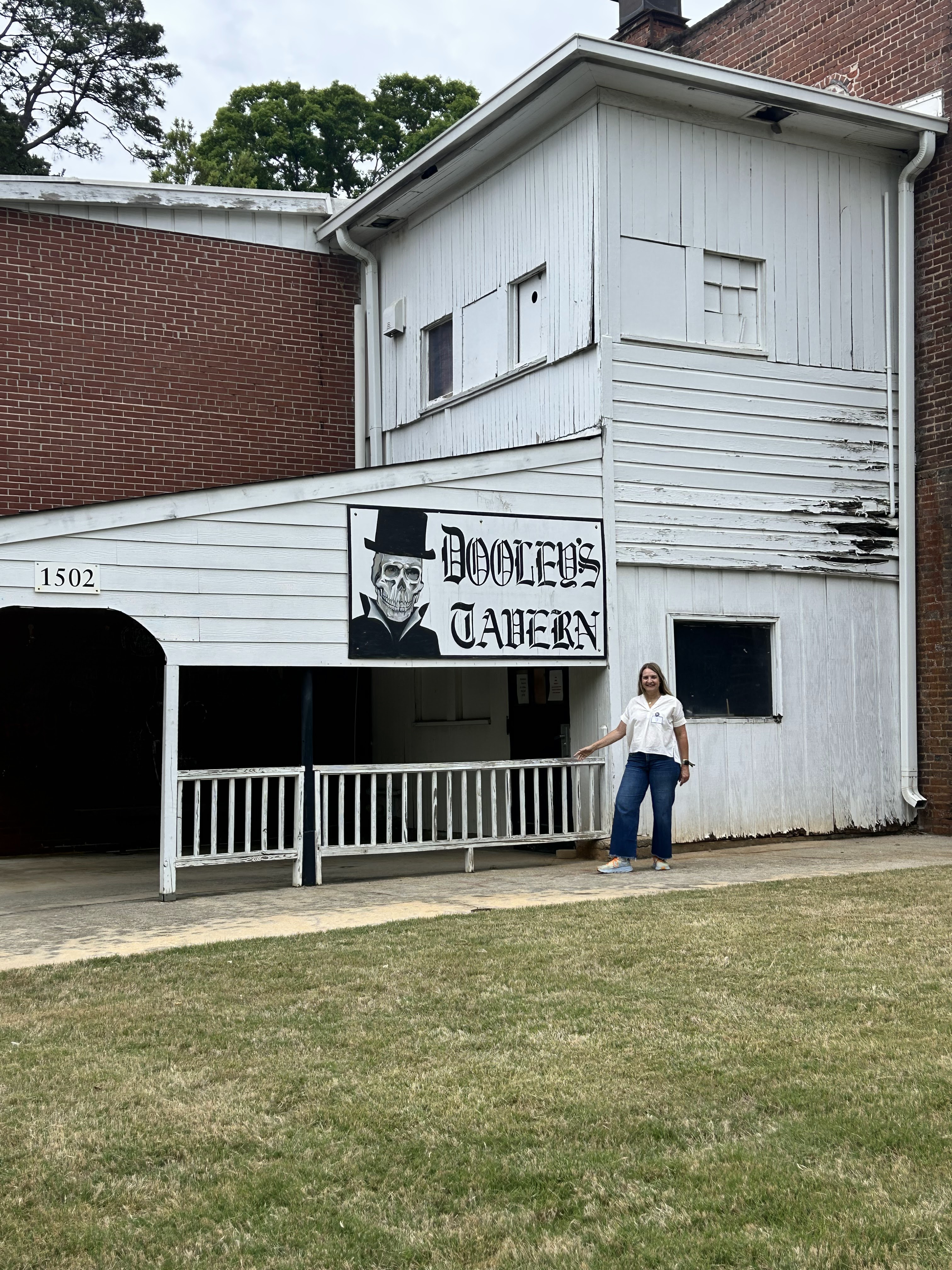
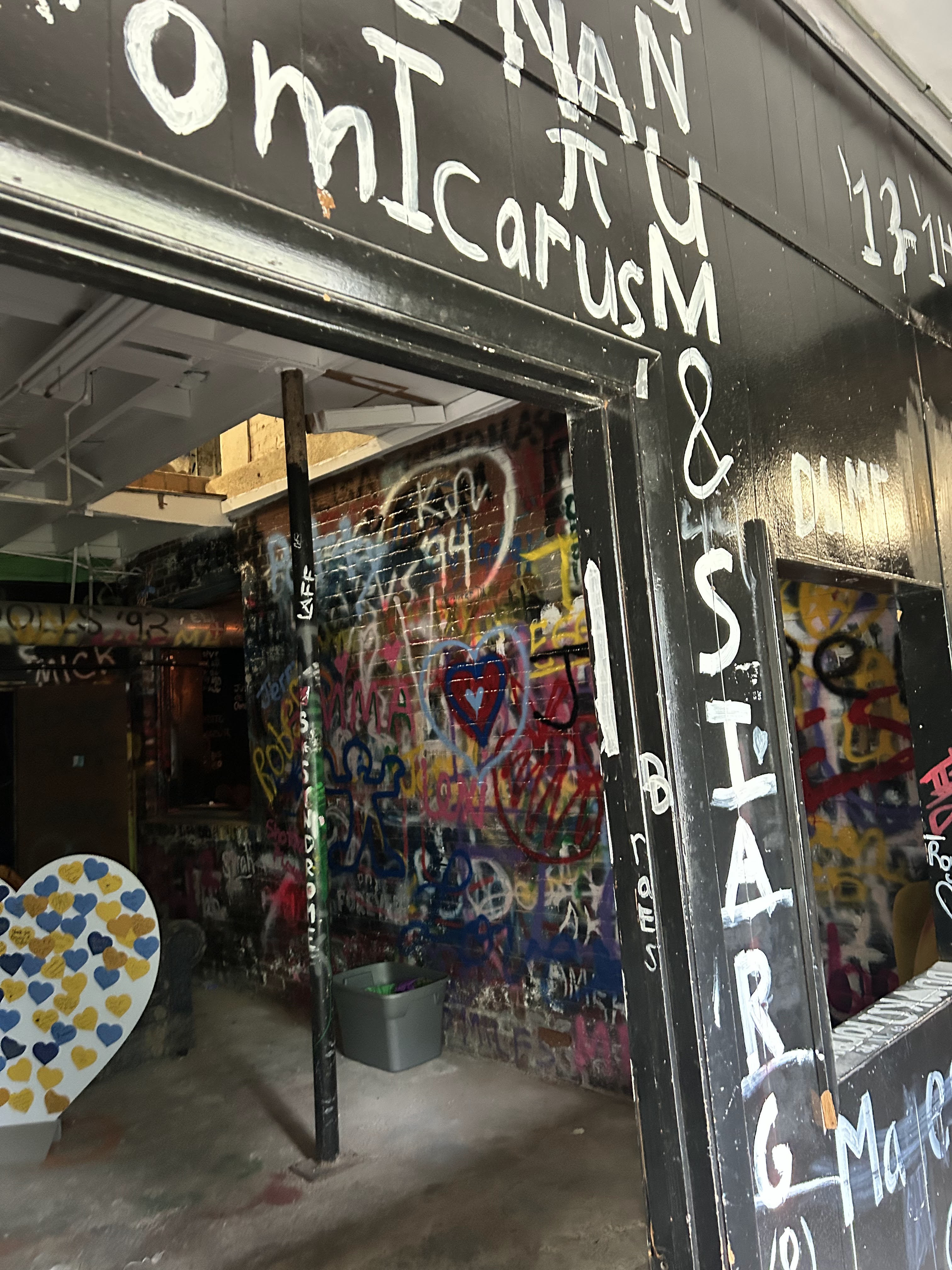
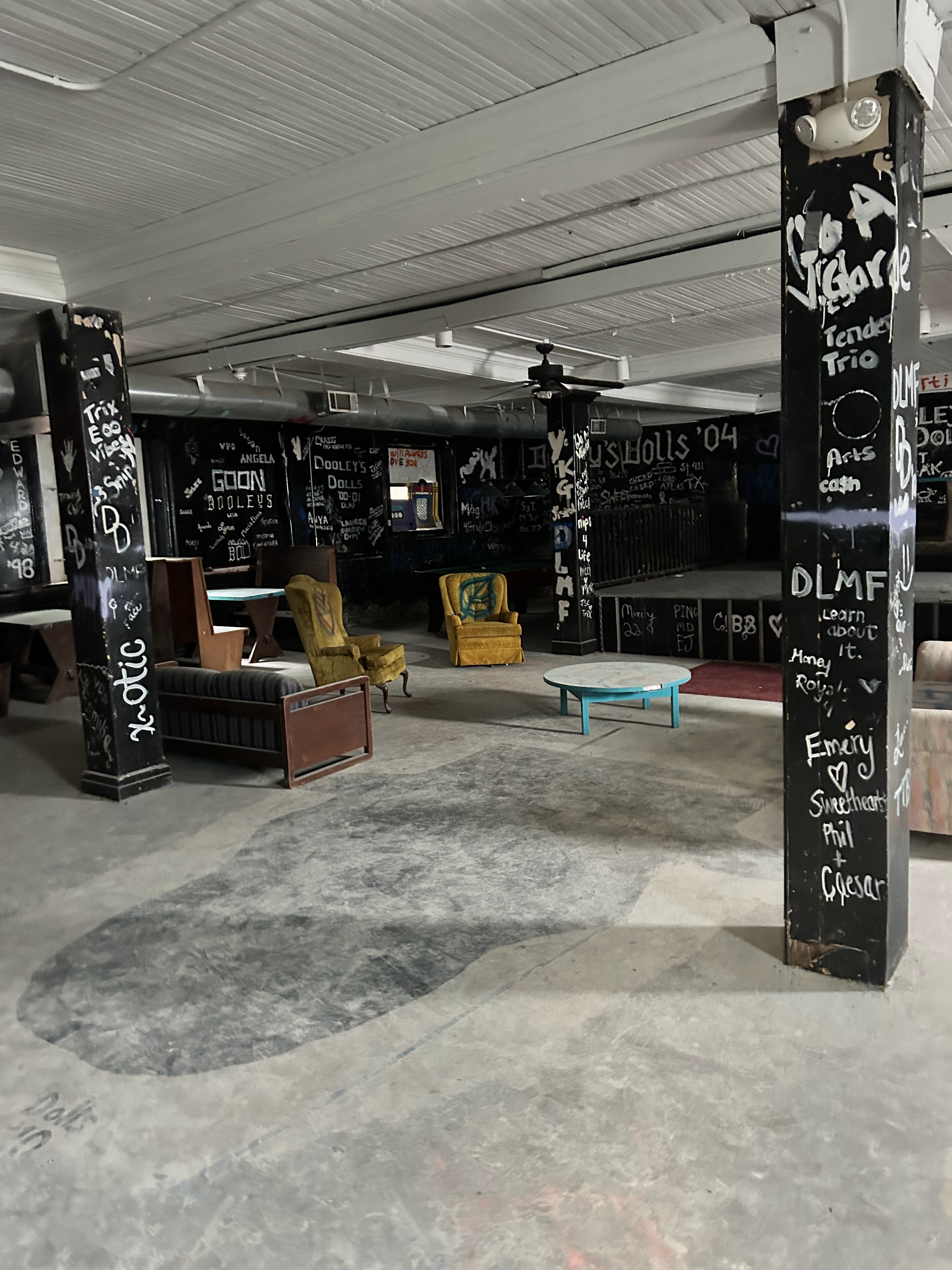
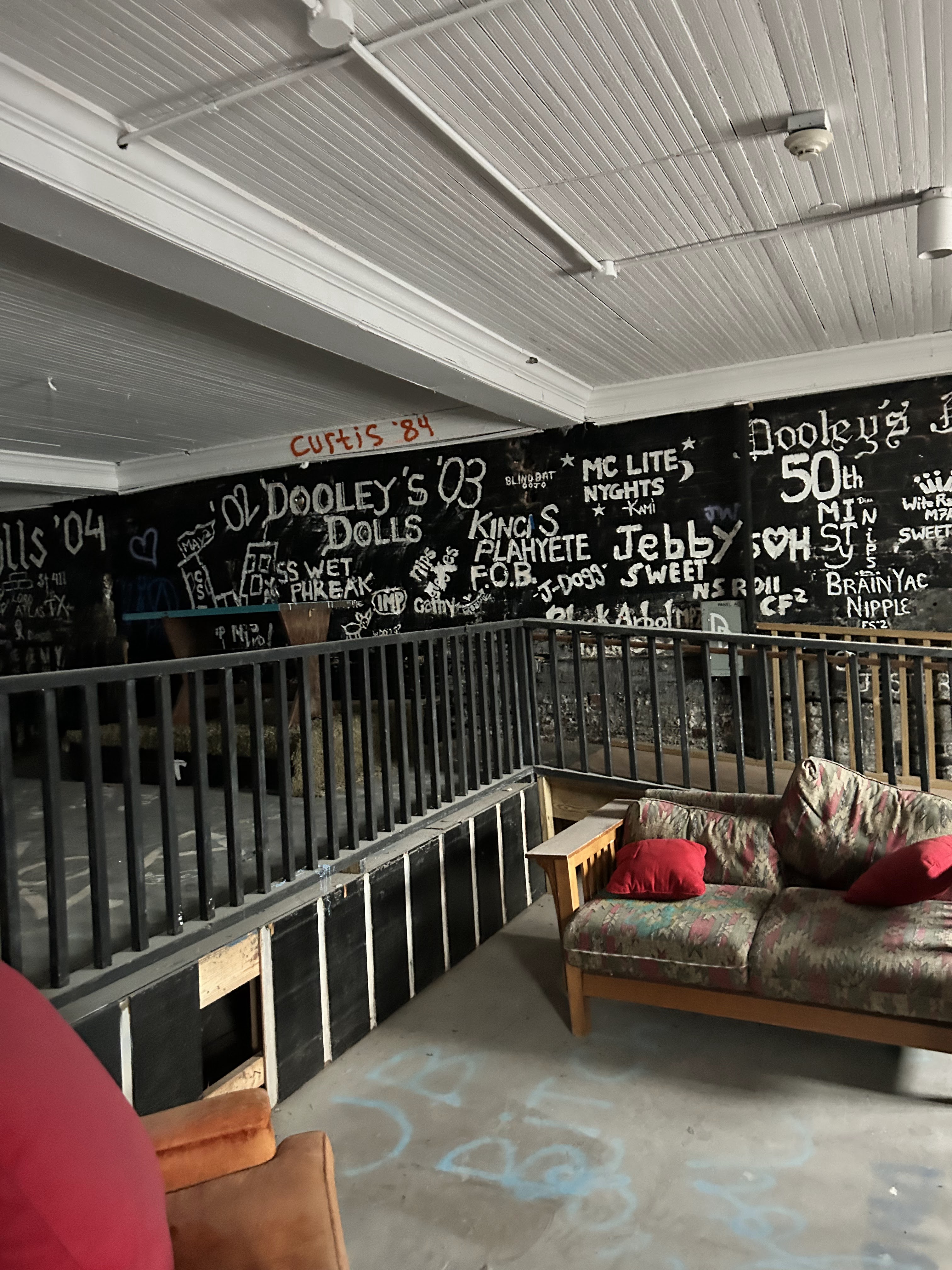
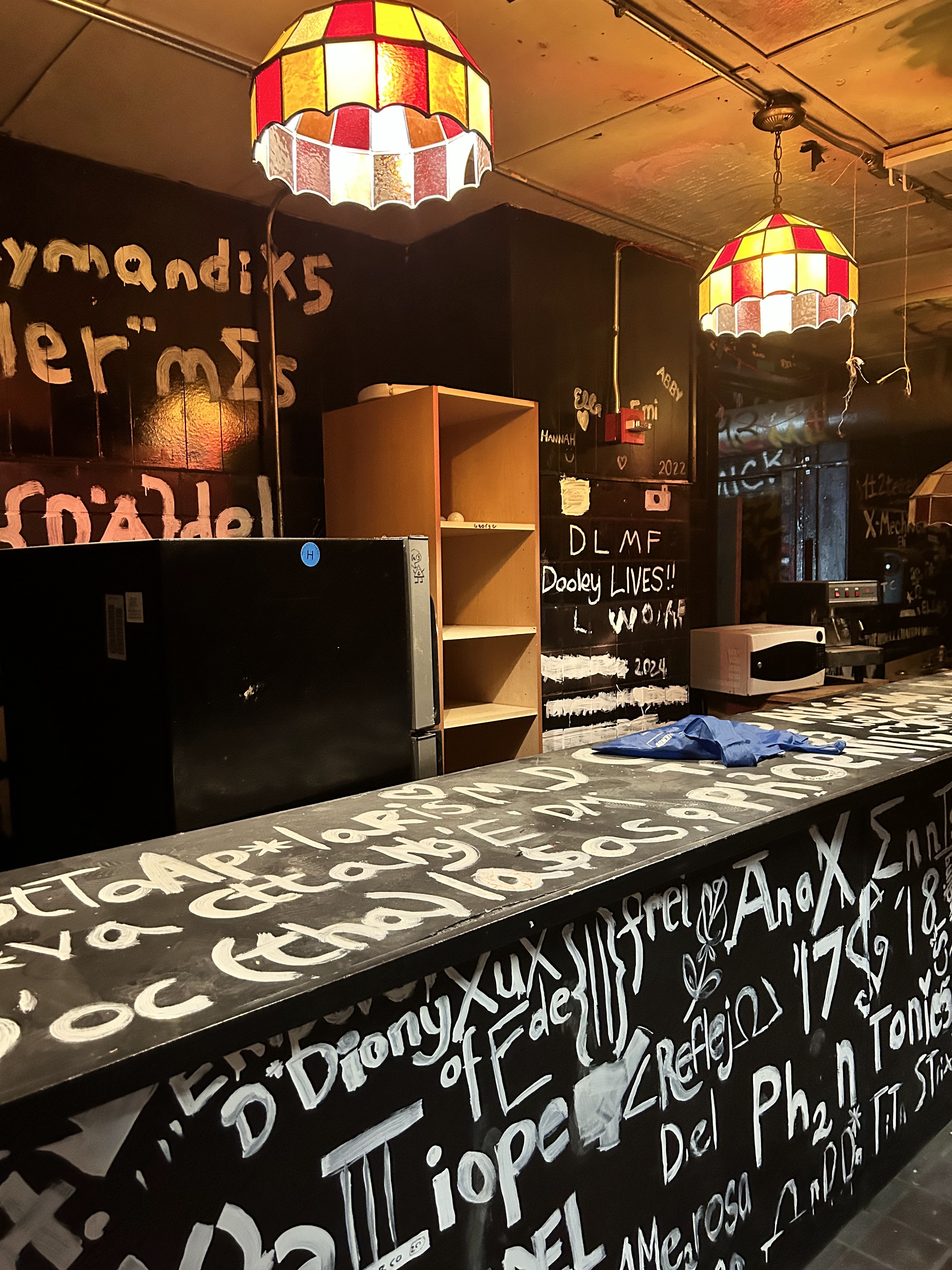
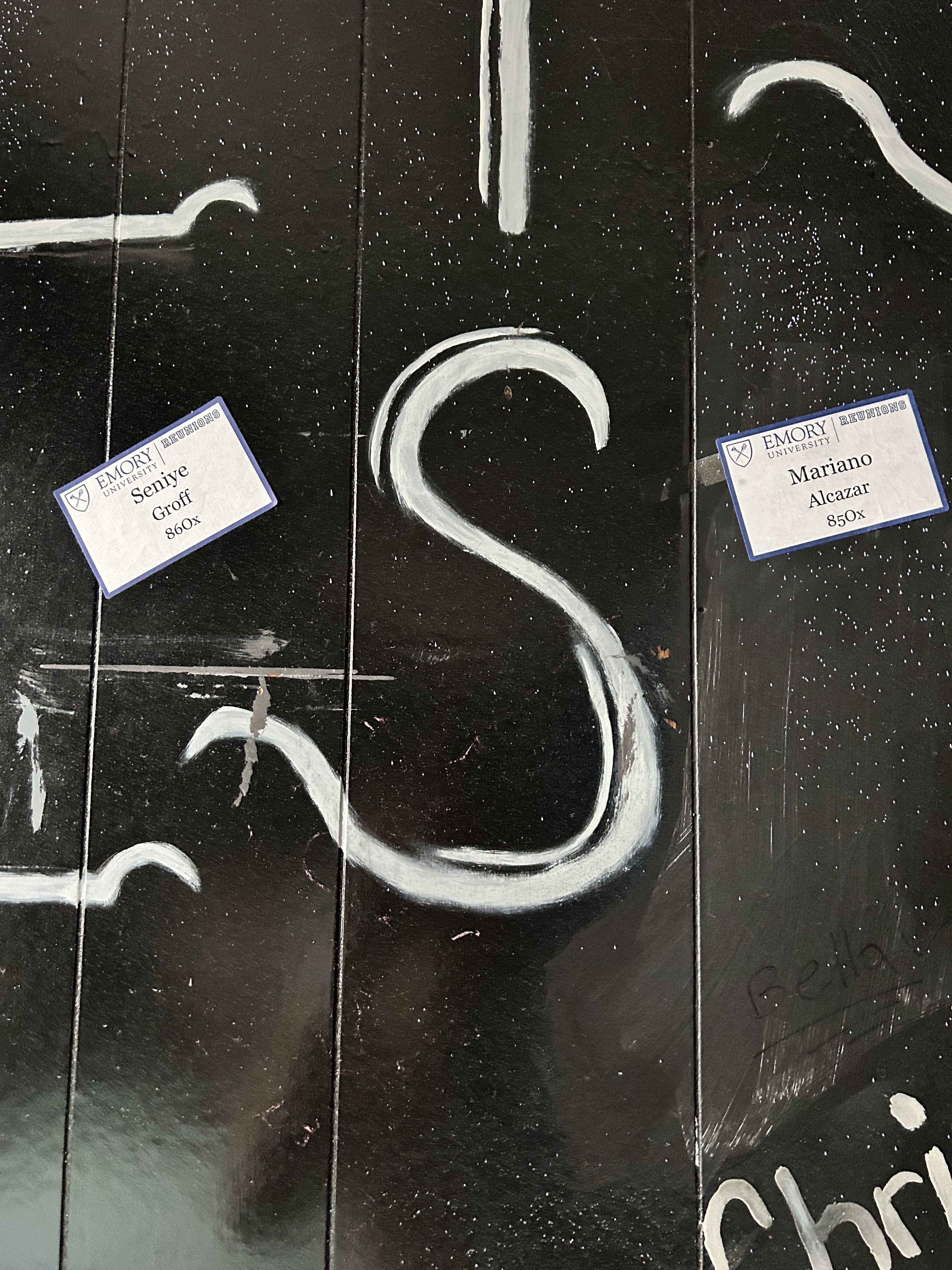
I then spent the rest of the day on campus in a variety of activities. I think the best thing I visited was Dooley’s Tavern. So many memories of drinking, dancing and hanging out in that dilapidated, musty basement. So sad that it is now closed. As I walked through it, there were three current students asking me all kinds of questions of what it was like in it’s heyday.

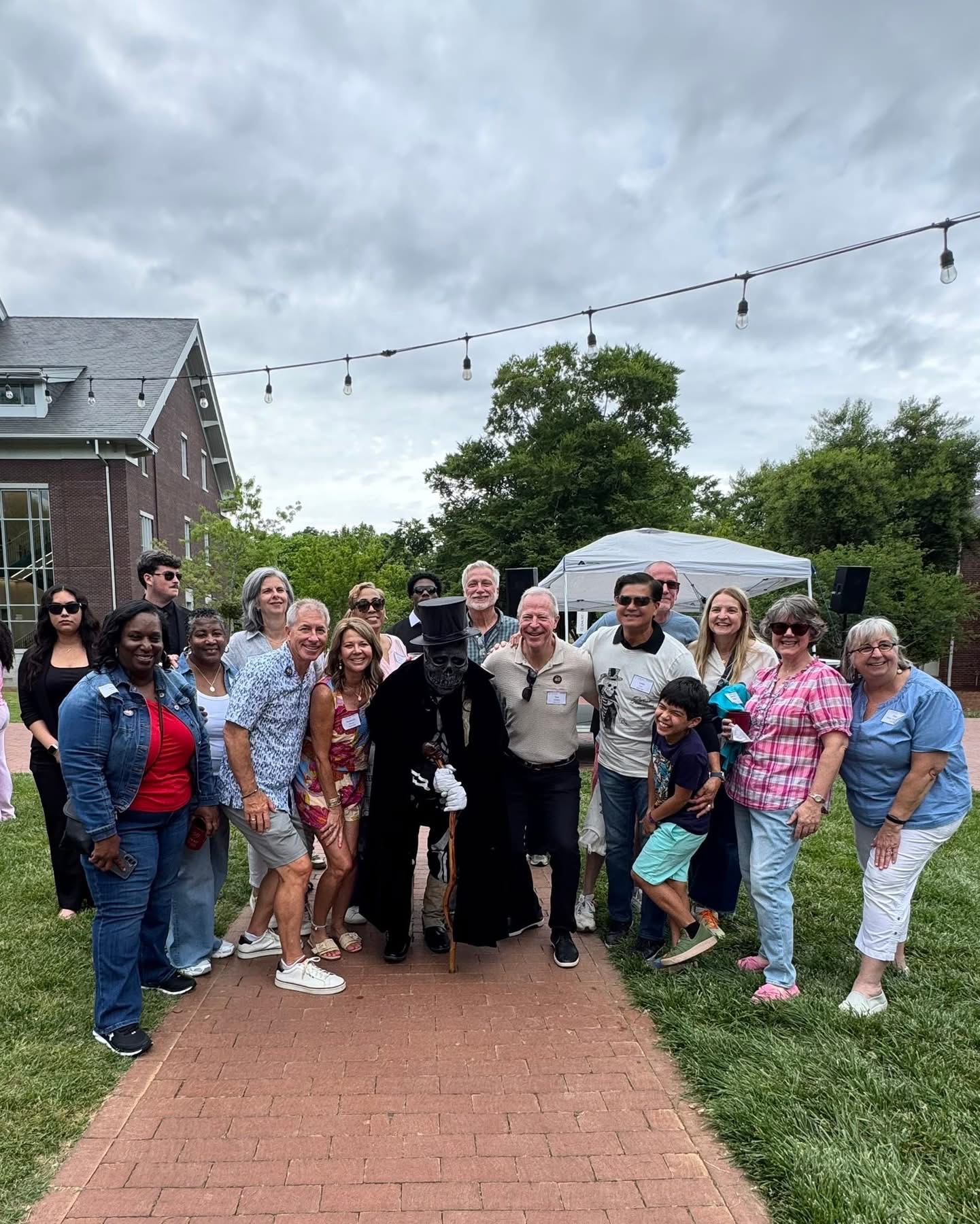
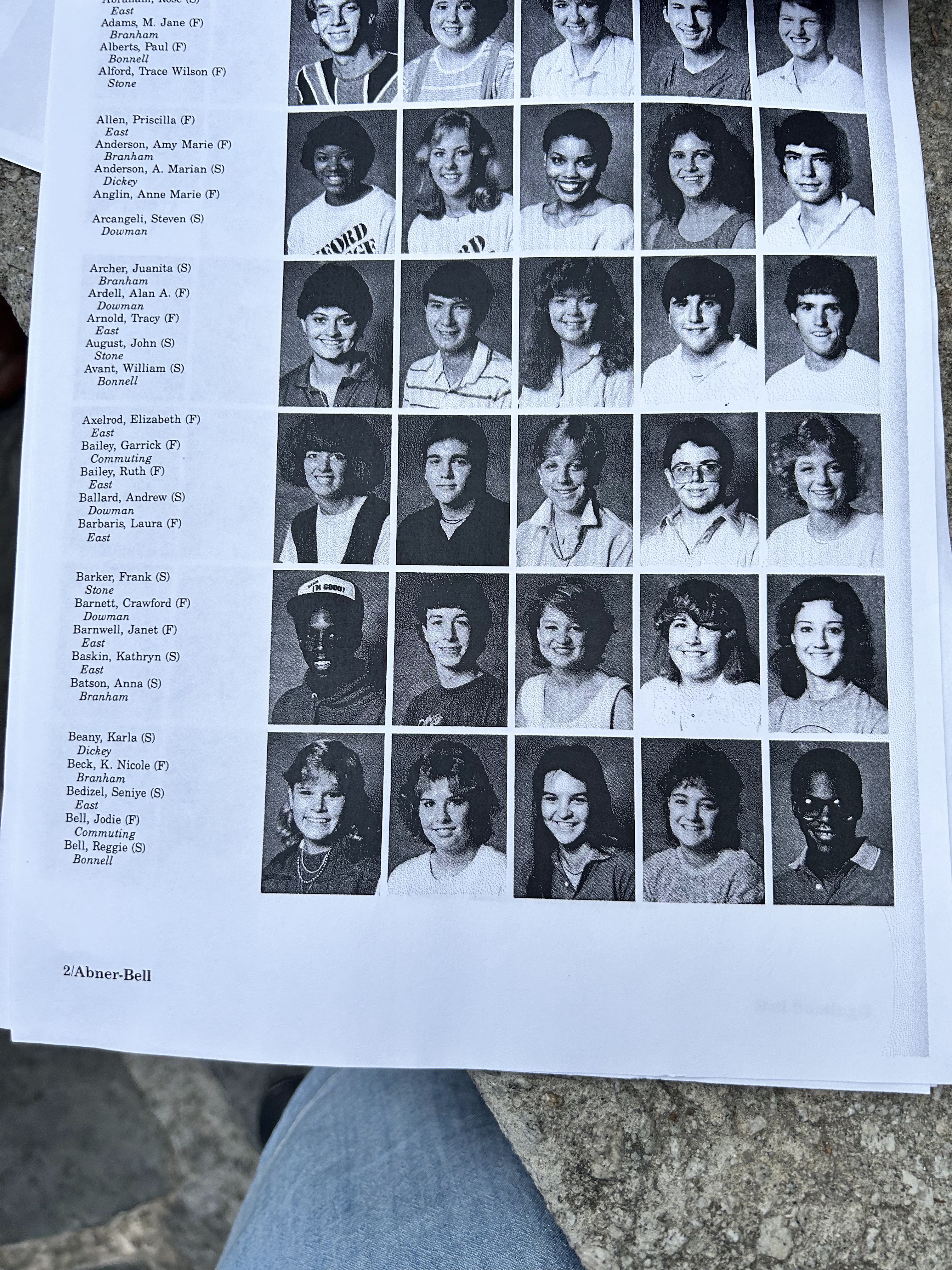
It was fun to reconnect with old classmates, although many that I truly remember were not there. I wonder what happened to them. Overall, everyone looked great and seemed to have found happiness in their lives. I am so glad I was able to attend.
The Anxious Generation by Jonathan Haidt

I recently finished reading Haidt’s, “The Anxious Generation”. I was curious about this book as I have struggled to help my teenager with their depression. I am fascinated how their older sister (six years apart) had such a different experience in her teenage years than my younger child. Haidt makes some compelling arguments supported with a ton of data and research. The book’s website also offers additional data and research.

Haidt gives some reasons for depression including:

  • Genes-predisposed to depression
  • Thought patterns (can be learned and unlearned)
  • Social and environmental conditions

But he contends that the biggest difference is how society is focused on a “phone-based childhood vs play- based childhood”. Essentially playing outside and with friends has been replaced with the virtual world. I have definitely seen this difference between my two kids. Another dramatic difference is how parents are overprotective in real life and under protected online.

Haidt explains that the prevailing wisdom of parents today is that kids need to be supervised constantly and parents should not let their kids roam independently like we did when we were children. There is no longer the mantra of “come home when it gets dark.” And laws are even in place to report parents that are seemingly being irresponsible by allowing their kids some freedom. Essentially we have created so many guardrails kids do not experience any hardship or failure which in turn prevents them from developing resilience and grit.

Our phone-based culture has created four harms:

  • #1: Social deprivation -kids are connected to everyone in the world and disconnected from the people around them.
  • #2: Sleep deprivation-there has been tons of research on how our devices disrupt our sleeping patterns.
  • #3: Attention fragmentation-notifications and disruptions happen constantly which leaves us with about five minutes to focus on any task or though before we are interrupted once again.
  • #4: Addiction- “The smartphone is the modern-day hypodermic needle delivering digital dopamine 24/7 for the wired generation”.

This book, its message and all the thorough research really resonated with me. I do agree with Haidt that if we as a society do not address the negative effects of social media and the virtual world, we will create a very different, fragmented world that what we have enjoyed thus far. Certainly putting down the phones, getting out in nature and making more time for real play for our kids can make a difference if we all lean in and make it happen.