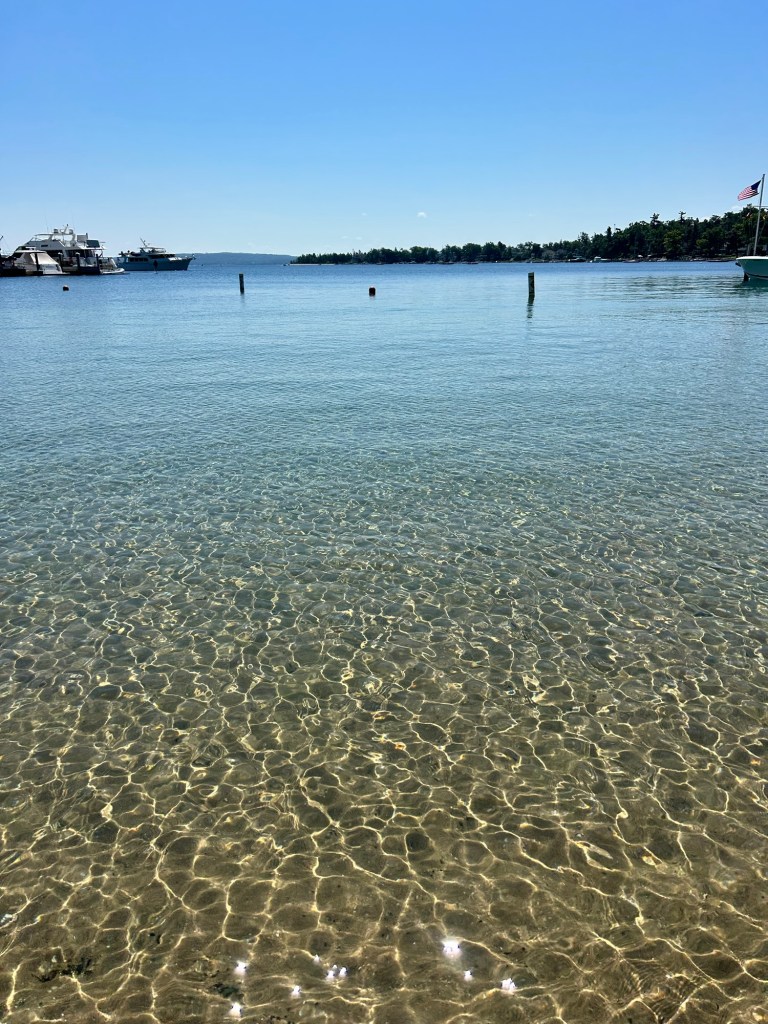
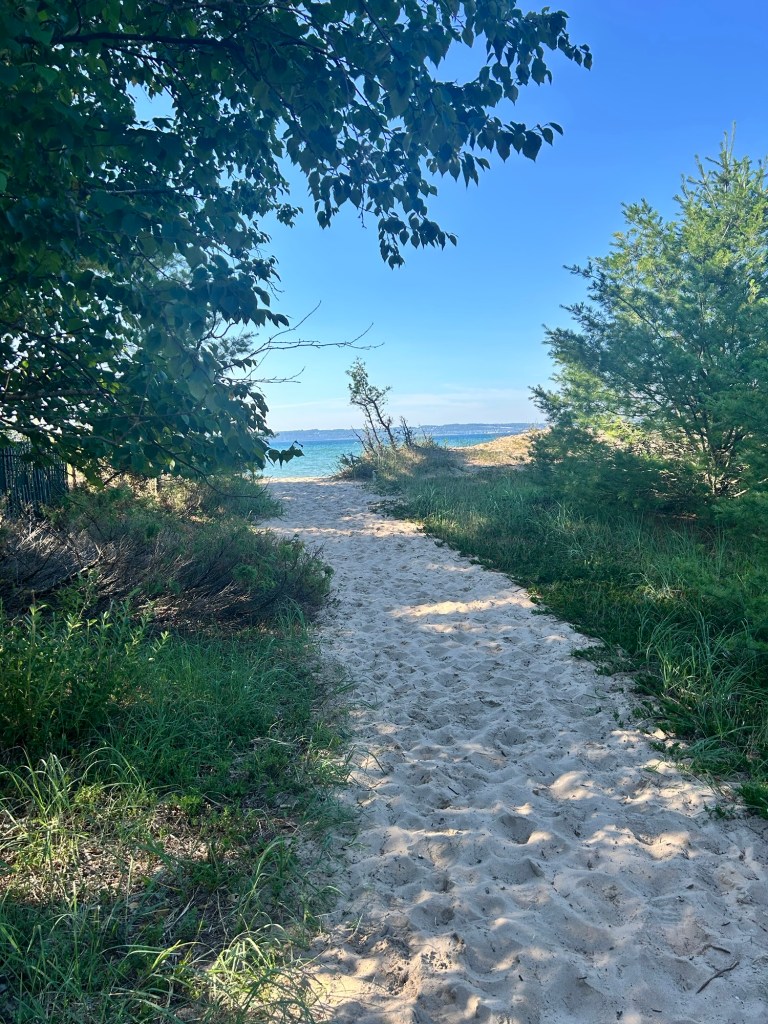
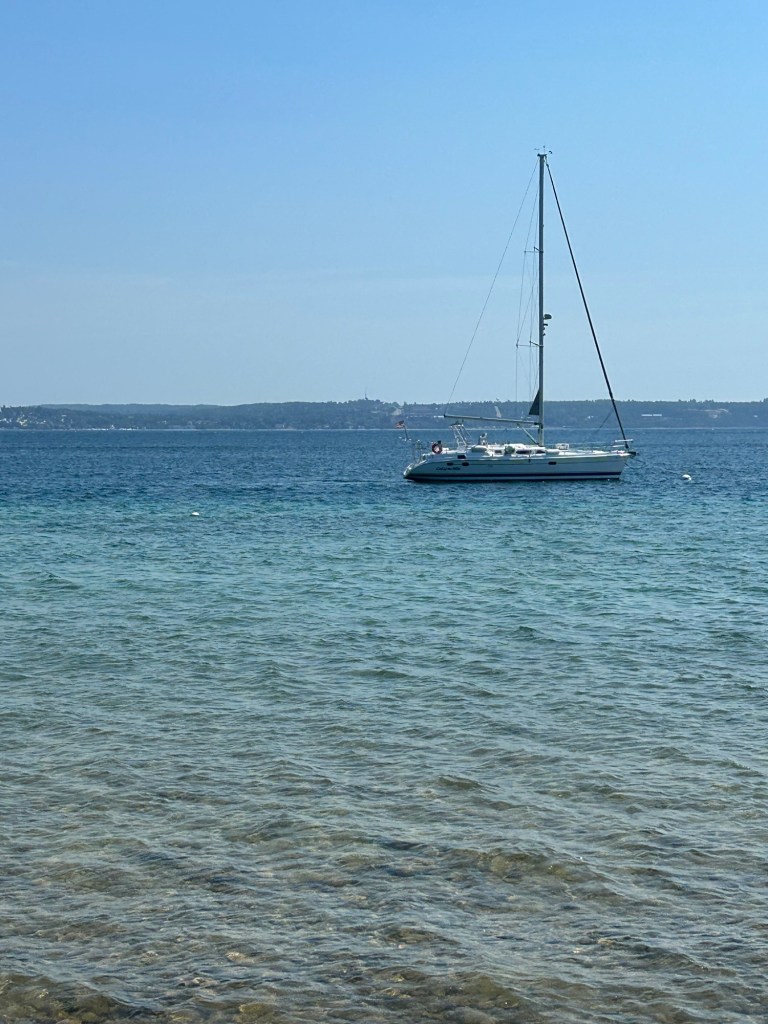
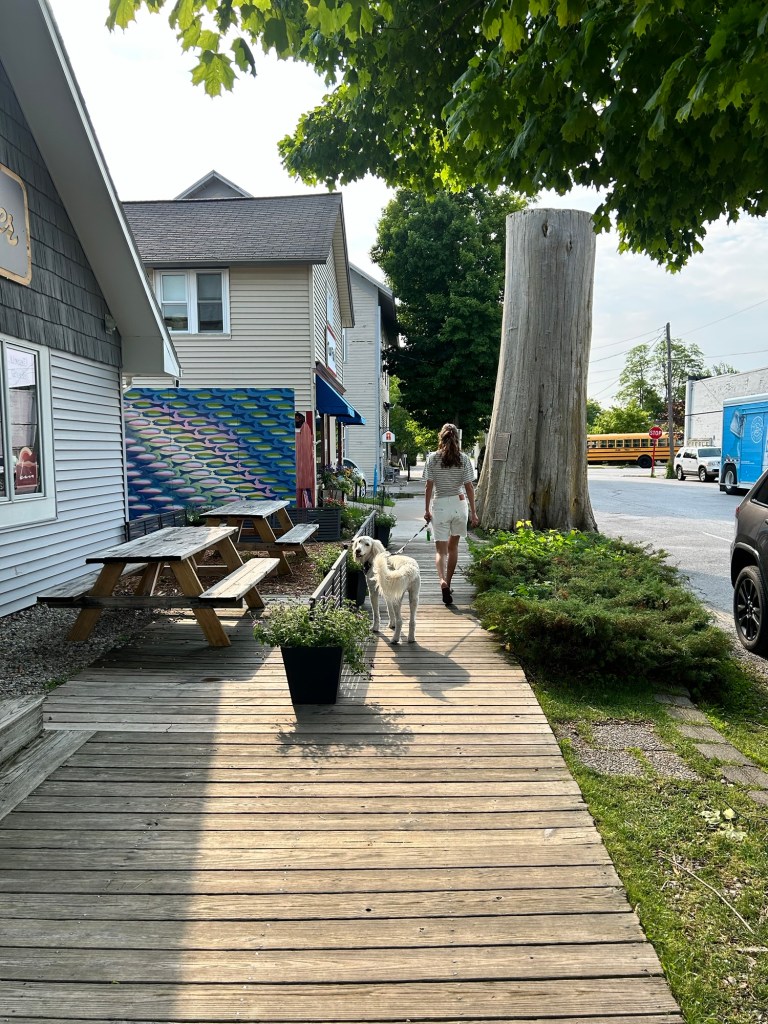
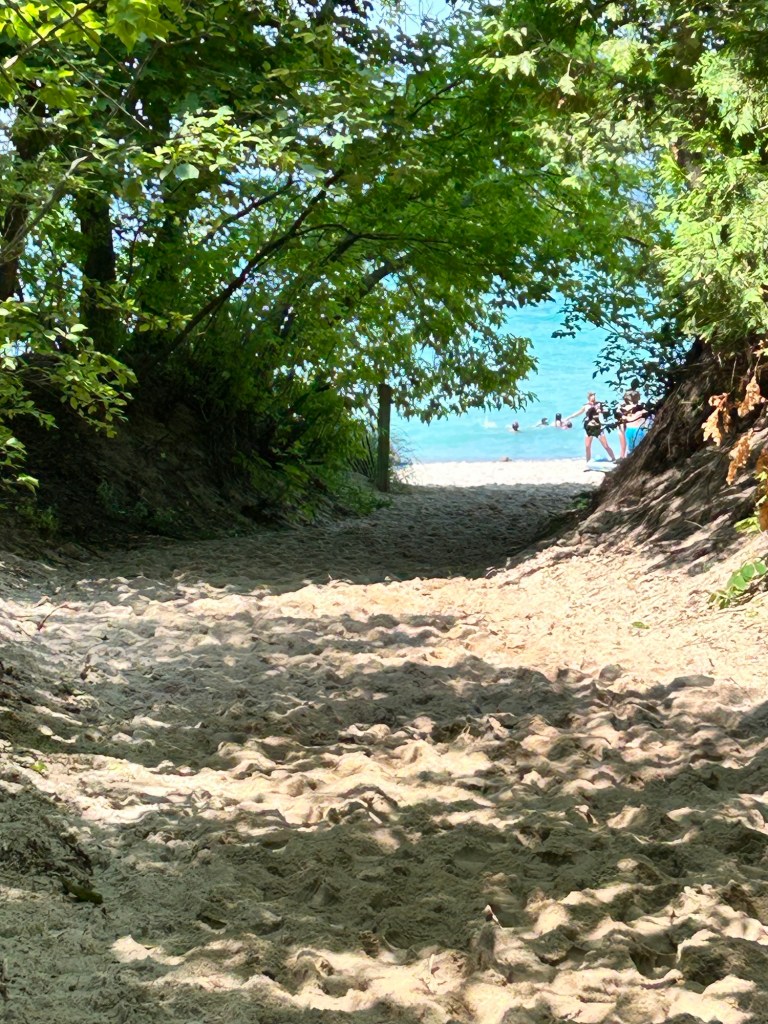
Tybee Island is an easy 30 minute drive from Savannah and is a quintessential tiny beach town. I could easily imagine lazy summer days on the beautiful beach and lots of seafood in between!


Tybee Island is an easy 30 minute drive from Savannah and is a quintessential tiny beach town. I could easily imagine lazy summer days on the beautiful beach and lots of seafood in between!


I was inconsiderately woken up by a thunderstorm at 4:53 this morning. I have to admit that Georgia has mild, balmy weather which at this time of year is so much better than Portland’s rain but the thunderstorms are vicious (different from the weepy, slow drip of Portland rain).
Once I got out of bed, I checked the weather for my drive to Savannah today and there were tornado warnings south of Atlanta. I know nothing about tornadoes as my world has been about earthquakes. I talked to a neighbor and he did some research and reported back to me that by the time I reached the tornado warning zone it would be over.
Savannah was a five hour drive south and east. I checked into my hotel and immediately headed to the historic district with Pete. Wow, I was blown away with the beauty. I visited Savannah for St. Patrick’s Day about 40 years ago (and if you haven’t been, trust me it’s a big deal)! But we drank and left.
This visit I sauntered through the old, historic streets. Gardens, parks, statues and historical markers are everywhere. And the architecture varied and divine and includes Victorian , Greek revival, gothic and Romanesque. Mansions galore and just beautiful Spanish moss tree-lined streets. Pete and I parked at Forsyth Park and walked to several of the squares including Pulaski, Madison, Lafayette and then down to the river. The gold-domed city hall was impressive and there were tons of restaurants, shops and cafes everywhere.


“Slavery is the next thing to hell.” Harriet Tubman
I visited The Legacy Sites today in Montgomery, Alabama. The sites include the Legacy Museum, The National Memorial for Peace and Justice and the Freedom Monument Sculpture Park. I started with the Legacy Museum where no pictures were allowed but the stories contained in the modern building were powerful and sobering. The museum begins with enslavement, moves to racial terrorism, segregation and finally to mass incarceration. One fact that stood out was that from the years 1783 to 1861 enslavement increased 5 times over creating extraordinary wealth for some in the U.S.
In the wing covering mass incarceration, I was able to pick up the phone and listen to an inmate’s story while watching the video of the inmate. It mimicked sitting on the opposing side of glass and it was a powerful way to bring jail to life for me. Another section, asked the visitor to take the voter questionnaire in order to register to vote. The questions were impossible to answer and the intention of not being able to register to vote was loud and clear. For example some of the questions:
The last room in the building was a gallery with amazing art including two quilts from Gee’s Bend! The National Memorial for Peace and Justice was a six acre outdoor memorial dedicated to lynching. The grounds were pristine and the metal towers had the various locations and number of lynchings in that state or county. There were another set of metal structures that simulated coffins and a large water feature to honor the unnamed victims.


I took a boat ride down the Alabama River to the Freedom Monument Sculpture Park. This was the same way slaves were transported quickly to be sold or transported once sold. I landed at the 17 acre sculpture park that housed amazing sculptures, slave cabins, a railcar and holding paddocks. At the end of the loop was a memorial wall with thousands of names. Photos were limited to just the entry and the memorial. The art and sculptures were beautiful so you must visit yourself to see them!


Overall, I was impressed with Montgomery. It was clean and the old brick buildings and large, county buildings were beautiful. This museum was modern, clean and very thoughtfully mapped out. The metaphors were powerful and thought-provoking exhibits were well-done. Visitors undoubtedly walk away with a clear understanding of how institutional slavery has developed into a permanent hierarchy through our legal, political, religious and science institutions. Racism has been justified as necessary and enforced through violence and continues in our present day.
Asheville is an easy three hour drive from Atlanta which includes driving through north Georgia, a sliver of South Carolina and landing in western North Carolina. I planned it so we would arrive in Asheville for a late lunch and then have time to meander and orient myself before our reservation at Rhubarb at 6 p.m.
As I expected for a city of its size, Asheville was easy to navigate. I found the Center for Craft, which introduced me to the robust and active arts and crafts community in Asheville. This amazing space believes “Craft is for Everyone” with materials ranging from glass, yarns, paper, pottery and so much more. There is a library of craft-focused books, a materials exploration area and even a co-working space.
I then moved on to the Asheville Urban Trail. This self-directed tour invites the visitor to learn about Asheville’s history by walking downtown and finding sculptures, reading plaques and listening to online audio clips with an online map. It was a great way to learn my way around and get a feel for the influences that shaped Asheville. I noticed immediately that Asheville is very clean with not a drop of litter anywhere (even though there are homeless folks around, garbage is disposed of properly).
The next morning, we drove 13 miles to Black Mountain, a quaint town with shops and galleries. We landed at Cousins Cuban Cafe for some excellent cafe con leche and a guava and cheese pastelito. After enjoying my Cuban decadence, we drove to the River Arts District (RAD). This warehouse district along the French Broad River is perfect for strolling, exploring and taking in all the creativity this city prides itself in. The river also has an esplanade where runners, walkers and dogs seem to congregate. The multi-street area contained galleries, studios and cafes. Apparently this district was quite devastated during Hurricane Helene and continues to rebuild and improve. It was fabulous.
Next up was the Biltmore Estate. The expansive grounds of over 40 acres included the house, conservatory and gardens, a winery with tasting room, hotel and event space with exhibitions (currently King Tut’s tomb and treasures). We took the audio tour of the house, walked the gardens and viewed the King Tut exhibit. The house displayed such opulence and told the story of the Vanderbilt legacy.
Once back to the hotel, I walked to the historic Grove Arcade before dinner. I did not go to shop, but instead to look at this amazing Art Deco building. Built in 1929 I felt the quality of the structure and the grandeur of the time. The arched glass roof was truly beautiful. Dinner at Chestnut did not disappoint. The lobster bisque was divine. This restaurant is housed in another old, beautiful building and I love how Asheville has preserved the past by keeping these historic buildings around.
The next day focused on the outdoors as Asheville is surrounded with the Blue Ridge Parkway and the Pisgah National Forest. The fog over the rolling hills of the Blue Ridge Mountains is serene and we drove just a snippet of this 469 mile trek. There were multiple overlooks that allowed us to stop and take in the breathtaking views. We lunched in Brevard at The Square Root. After lunch we hunted down two different waterfalls, drove through the Pisgah National Forest, looped back on the Blue Ridge Parkway and landed back in Asheville for our final dinner at Curate. This tapas restaurant was amazing. The eggplant with honey and rosemary will be on my mind for a long time!
On our drive out of town the next morning, we drove through west Asheville and stopped at Owl Bakery. The breads and pastries were excellent (try the Pasteis de Nata) and landed at Biscuit Head for breakfast. Biscuit Head’s mantra is, “Put some South in your mouth” and I recommend you do just that. On our way back to Atlanta, we stopped in Greenville, SC. It has a lively downtown area along the river. I will definitely head there for a separate long weekend of exploration as this city is on my list to investigate.


Industrial warehouses are filled with unmatched creativity with numerous studios and galleries. I love seeing the variety of art. Hurricane Helene wrecked this area but it is once again a thriving area along the French Broad River.


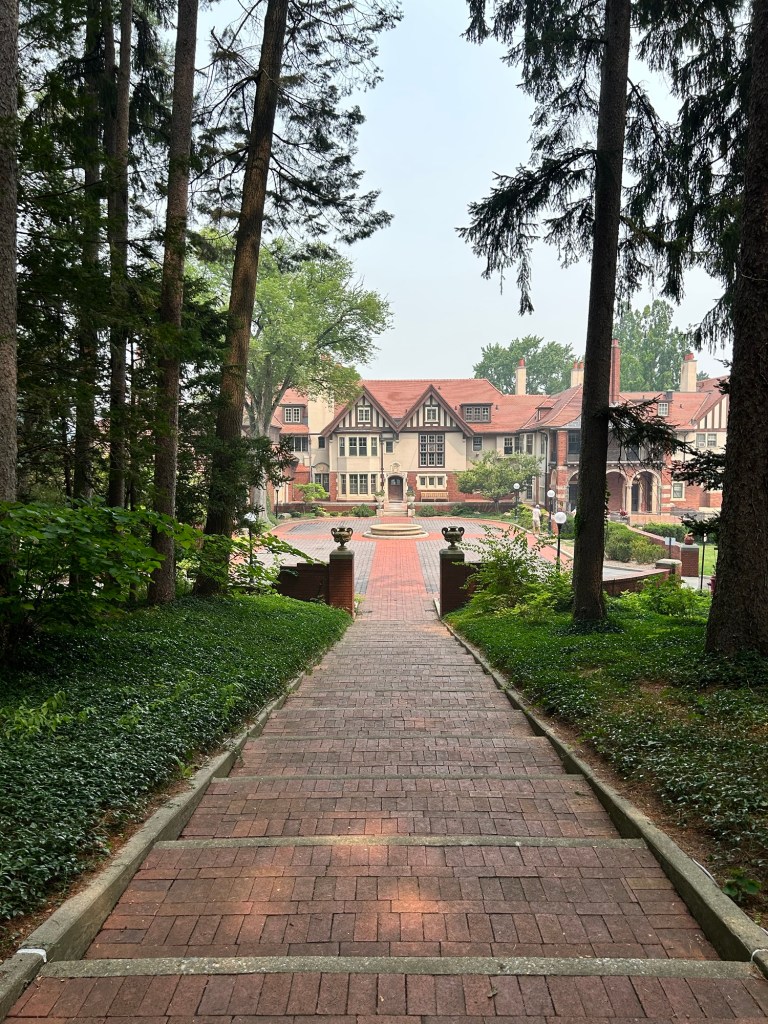
175,000 square feet and 250 rooms define the former residence of the Vanderbilt’s estate. The construction began in 1890 and required so many laborers. Art and antiques from Gilded Age fill this museum. The grounds are spectacular and house several buildings across the expansive property including an exhibit hall, winery, hotel and more.


The gardens are equally spectacular and the conservatory was packed with beautiful plants and flowers.


15 minutes from Asheville is the cute town of Black Mountain. The air just felt fresher here! The downtown area is a few streets but galleries, craft stores, jewelry stores and cafes were plentiful. I had a tasty cafe con leche and guava pastelito, too!


Asheville is an easy three hour drive from Atlanta driving through north Georgia, a sliver of South Carolina and climbing to an elevation of about 2,100 feet to land in this quaint area.
We dropped our belongings at the hotel and found a cute lunch place for a small bite to eat. We then walked around and explored the downtown area including the Asheville Urban Trail and the Basilica of St. Lawrence. The Basilica is not open for tours but from pictures it looks stunning. We meandered and visited the many shops, galleries and cafes. The downtown area is larger than I expected but easy to navigate and very walkable.


I visited the Center for Craft today in Asheville, NC. It supports the crafts through grants, exhibits, materials library and an exploration area.


Today I visited an amazing national park focused on MLK Jr.’s life and teachings. The park consists of his birth home (where he lived until he was 12 years old). It was located on the east side of Boulevard, which was the dividing marker of a white vs. Black neighborhood. Auburn Avenue was a desirable area for Black citizens. In 1906 a race riot occurred and then Blacks were able to buy homes in the area, which MLK Jr.’s grandfather purchased. The home is currently closed for repairs, as was the visitor center. The visitor center is temporarily in the historic Fire Station No. 6. Blacks were not allowed in the fire house until the 60’s!
I also visited The King Center, which had a small exhibit inside and, outside, a reflection pool and the tombs of Dr. and Mrs. Martin Luther King Jr. I attended a tour with a park ranger of the Ebenezer Baptist Church. The church is 140 years old this April and has had only five senior pastors in that entire time. The ranger’s presentation was interesting and informative and I learned a lot. Did you know that MLK Jr’s name was Michael until he was five years old, when it was changed to Martin?
The tour started in the fellowship hall (basement) and then moved to the sanctuary where the church is still in its original state. Even the pews are original, as is the piano that Mama King would play until she was shot and killed in 1974. This NP is a must-see and is even free, believe it or not.