Talk is Cheap…

…Action is where real change happens. Change can feel thorny but nothing changes without action.

So today is International Women’s Day. First of all, I hate innocuous holidays or celebrations because what purpose do they really serve except for a feel-good?

I say it over and over…

“Talk is cheap. Action is where real change happens!”

It feels good to share platitudes, recognition and high-fives. But my question is, “What are you going to do about it?” Action must happen to make change happen. All the greatest intentions accomplish little. Instead, think about actions you can take to change the system such as:

  • Educate someone to consider and shift their perspective.
  • Learn something new yourself and then do something with that new knowledge.
  • Confront your own privilege and make changes to be more inclusive.
  • Seek different perspectives and challenge your own beliefs.
  • Volunteer with a group you have not been exposed to. This dispels generalizations and bias.
  • Attack policies that do not reinforce equity for everyone.
  • When you see something that is wrong, say something!

Share your ideas in the comments. Together we are stronger.

#change #takeaction

The Power of Personal Mission Statements

Personal mission statements are powerful. They keep you honest and true to where you should be spending your valuable, precious, irreplaceable TIME. People that know me have heard me say a million times, “We spend the majority of our days on what I call the daily minutiae of crap.” In other words, stuff that sucks up our time but frankly is pretty worthless in the grand scheme of things. When you have a personal mission statement it serves as your beacon to not only provide a litmus test of where and when to spend your time but it also allows you to measure things against your values…where you work, your personal relationships, your volunteer efforts and so much more.

A personal mission statement defines who you are as a person (or as a team member where you work) and identifies your purpose, whether that’s in the office or simply in life. It explains how you aim to pursue that purpose, and why it matters so much to you.

A meaningful personal mission statement contains two basic elements. The first is what you want to do – what you want to accomplish, what contributions you want to make. The second is what you want to be – what character strengths you want to have, what qualities you want to develop.

Examples:

“To be a leader to my team, live a balanced life and make a difference.”

“To inspire others to achieve great things.”

“To thrive in my journey through life and learn life’s lessons along the way.”

“To be kind to others and myself.

My personal mission statement: To leave anything I touch better than I found it through courage, curiosity and kindness.

So from my mission statement you can see a few values that are important to me are courage, curiosity and kindness. A few other values are helping others and competence. Family, friends and health are also high on my value list. Another important things to note about mission statements are they are not set in stone! They can change and evolve over time…it’s totally a working document while it guides you through life and work.

So what’s your mission statement?

Conversations About Race

I recently finished reading “How to Have Difficult Conversations About Race” by Kwame Christian. I believe stumbling blocks do exist about how to get the conversation started and folks avoid the tough discussions all together. Conversations about race are loaded with minefields of discomfort, misunderstanding and lack of know-how. But does that mean we avoid these discussions all together?! Absolutely not because if we avoid, we never solve.

I loved Kwame’s suggestion to mobilize compassionate curiosity. For one thing, what a great way to remove defensiveness by calling it curiosity. His framework includes three steps:

  1. Acknowledge and validate emotions.
  2. Get curious with compassion.
  3. Use joint problem solving.

Compassionate curiosity can (and should) not only be used with others, but also yourself. I have spoken before about being on auto-pilot and a great way to move away from this mindless way of acting is to stop and question yourself (and others) on why they believe something…in other words step back to self-reflect. Other phrases such as, “Tell me more about…and help me understand” are powerful, empathetic ways to learn where someone is coming from. Kwame’s book walks through this methodology in great detail and with examples, which are very helpful to guide the reader into action (and comfort).

Another eye opener in his book discusses speaking the same language. Kwame states, “The dictionary definition of a word isn’t important. What’s important is what the person you’re talking to believes the word to mean.” Great examples are the words privilege and inclusion. I loved his explanation of how conversations get derailed when agreement on what the word even means is not established yet! I am definitely adding this important step to my conversations. Check out chapter six to learn more and get detailed examples.

It is not new information to not speak in absolutes and Kwame touches on this, too. He suggests to use often instead of the word always. Also, use likely or frequently instead of will and finally use rarely or infrequently instead of never. Just say those words aloud and you can already sense how the conversation can change for the better.

In my mind taking action is front and center and Kwame focuses the last section of his book on this important verb. He states, “racial inequity is a problem of bad policy not bad people.” So he is a proponent of changing inequitable policies that create inequitable outcomes rather than individual beliefs. “Progress doesn’t move at the speed of comfort.” Wow and YES! If we wait for people to be comfortable we will never move…we will wait forever. And my biggest pet peeve, hope vs. action. For example, our hope and prayers are with families every time there is a mass shooting but until we actually take ACTION and change policy, nothing will truly change. Kwame suggests that with policy change hearts and minds actually do change. An example is how organizations had to quickly pivot due to COVID-19, whereas in typical times that severe change would have taken likely decades!

Another powerful sentiment of Kwame’s that I definitely know about (and likely anyone in the DEI space has experienced) is this:

“When you’re advocating for change within your organization, you may be seen as an irritant, too. Difficult conversations can make people uncomfortable and that discomfort can lead people to blame the irritant, because it seemed as though everything was fine before someone spoke up. People often struggle to see a problem if it’s not a problem for them. But the irritant of advocacy is the medication necessary to cure the greater ill of racism.”
Travel is the Great Equalizer

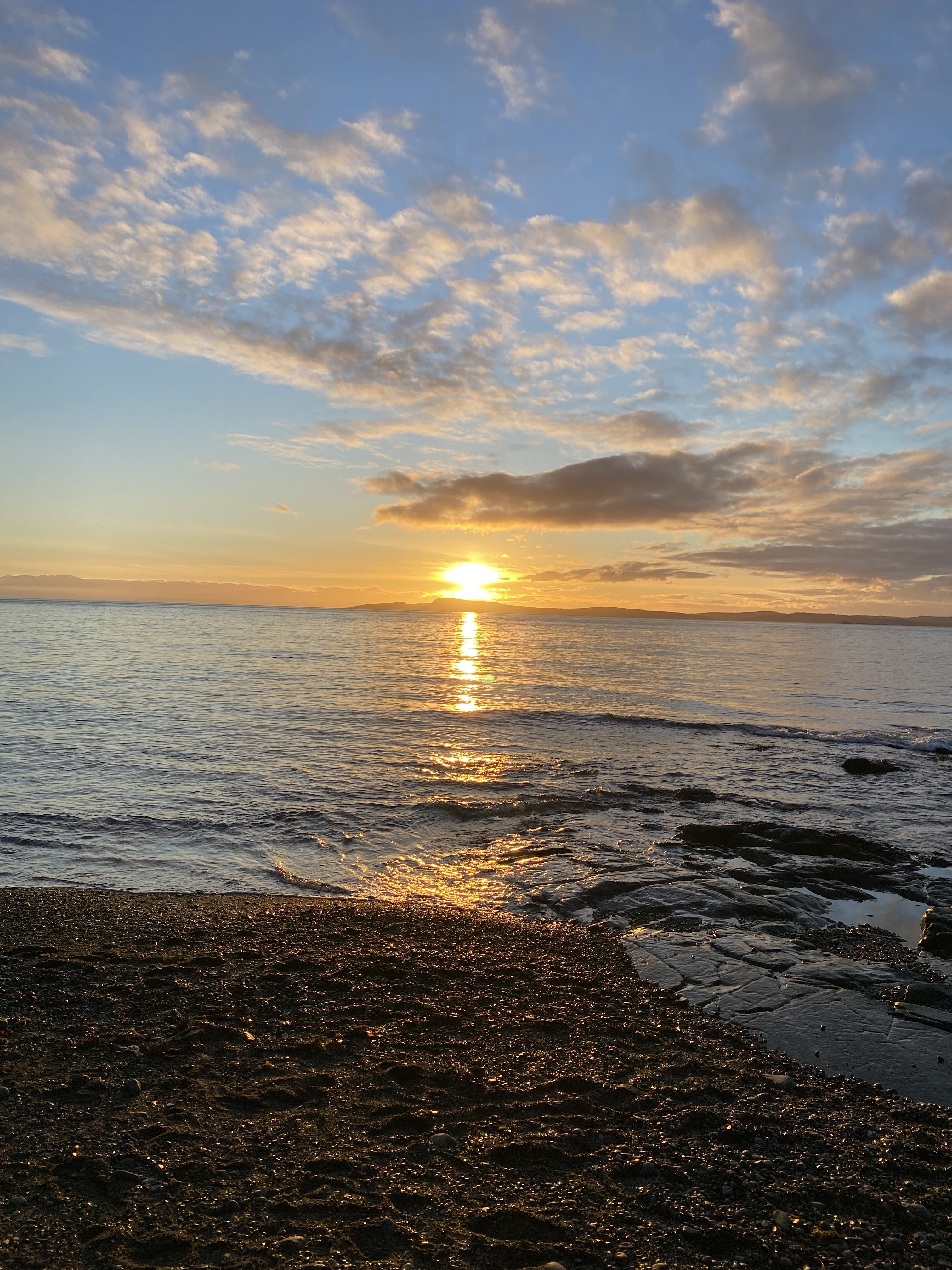
Anacortes, WA at sunset.

I often get asked why I like to travel so much and especially why I mainly travel solo. Well, in truth it’s all about THE FOOD! I say that in jest, but food is a big motivator. I actually love to see how the food, culture and history converge in the various places I visit. A recent example is Peru. I expected typical Latin fare but what I found was food infused with influences from China, Japan, Spain, Africa and Western Europe. When I dived into Peru’s history, I learned that each of the people from these cultures were a part of Peru’s past (and present) and naturally brought their food and ways of cooking with them.

Travel also allows me to meet new people and hear their stories and perspectives. When I hear new perspectives it allows me to question my own viewpoint or even add to my own views and lens…which is a gift by any measure. When we are not on auto pilot, we are open to different ways of being and doing and so I truly love the element of discovery that travel naturally brings to the traveler.

I, probably similar to any other avid traveler, have a running list of travel destinations I want to visit. I do seem to add more destinations rather than cross off…another great advantage of traveling! I often meet people while traveling and listen to their travel stories, which in turn inspires me to add the destination. I did my first oversees solo trip in 2018 and it was incredibly empowering. I only planned the first two nights of the trip and the remainder of the trip was completely ad hoc. I figured planning the first two nights allowed me to conquer my jet lag and get my bearings, but once I was at full throttle, I was at full “take it all in” mode. All I knew was the day I needed to depart and it was a free for all for the two weeks in between. I got lost…so many times! I felt uncomfortable…so many times! I landed in areas that were not on my radar and learned so much about the area, the people and frankly my own resiliency. Travel allows this and so much more.

Fear and My Most Pivotal Moments

Fear holds us back. Fear keeps us from welcoming difference. Fear also forces us out of our comfort zones. I think back on the most pivotal moments in my life and realize that fear held me back but also moved me forward. Some scenarios where fear moved me forward were:

-having a child

-leaving a job

-getting married

-traveling oversees the first time solo

-speaking up when no one else would

-getting divorced

-adopting a child

-saying “yes” to something that I had no idea how to do.

But I believe that if you keep doing things as you always do, things will be guaranteed to stay the same and do we really want a life of sameness??!! Yes there is an inherent risk to pushing your boundaries because you are being pushed into the unknown…and often the outcome turns out to be better than I could have possibly imagined. Hard…yes. Painful…sometimes. But ultimately…better. We have to believe that or we would never move forward and evolve.

Why Difference is Such a Great Teacher

I recently recorded my first podcast with an interview with Unstoppable Mindset’s Michael Hingson. Not only was it a good challenge for me, Michael is a force to be reckoned with. Look up his story and sign up for his podcasts. He interviews a very diverse, eclectic cast of professionals and I was lucky to be invited to share my perspective. I will say after the recording (done in one take) I, of course, thought of a million other things I could have said…we really are our own worst critics. Anyway, I thought I would write a few posts on my site about the various topics we discussed…and so the title of this post.

Difference forces us to ask questions. For example, if someone does a task differently from you, it is a great opportunity for you to learn another perspective and then ask questions to continue the learning. We often jump to, “that’s the wrong way to do it” when instead we should relish the fresh perspective and lens.

Traveling is another great opportunity to ask, “Why?” To immerse yourself in a new culture and the joy of the unknown alley is where growth happens. Hang out with a toddler for even 30 minutes and you will get asked “Why” a million times. Why to we stop asking, “Why?” We should keep our eyes that wide and that question in our back pocket for our entire lifetimes.

I love trying new foods, not knowing the language and the general discomfort of not knowing what is around the bend. That doesn’t mean I don’t get sweaty palms and perhaps an increased heart rate, but those reactions certainly prove I am ALIVE and fully immersed in the task at hand.

The Post-Pandemic World

I was recently asked, “What’s different now that the pandemic is behind us (hopefully)?” As people professionals, we are often on to the next crisis and don’t have time to stop and reflect on the tsunami of the last two years. So, I really appreciated the question and the invitation to pause and consider this important question.

First and foremost, I think employees got comfortable with advocating for what they need. They are no longer afraid to say, “Timeout, that doesn’t work for me any longer.” I also believe that the conversations around mental health are super healthy. In essence, mental health is now considered a health issue similar to a routine physical or having a baby. It is long overdue that the stigma of mental health disappears. This translated to believing it is okay for employees to use their benefits. Previously employees were afraid to use their PTO as it might indicate a lack of dedication to their job, but now taking PTO is a health imperative. Relaxing and rejuvenation is indeed exactly what the doctor ordered!
More than ever the employee experience is key. This starts with leadership. Employees are not in the child role, while leaders are in the parent role. Work is a partnership so leaders you are now on notice that employees expect collaboration, respect and transparency. The employee experience starts with the job posting and carries all the way to retirement or termination. Words on a wall are not enough…ask the difficult questions about what candidates and employees want and what drives employees away from your organization when they decide to leave.

Values, inclusivity and belonging are here to stay. These are not catch phrases or a check the box effort. Employees want to make sure the organization they join or work for are aligned to their “why”. If there is no alignment, it will just be a “job” and you will not get the employee’s passion, which is where true performance happens. And for those companies that think the focus on diversity, equity and inclusion (DEI) are a passing flavor of the month, I am happy to inform you that is not the case. It is here to stay and employees expect identifiable action and results.
So I challenge each leader, regardless of the role or title, to lead with empathy and advocacy. Build skill development plans not only for leaders, for all employees. After all, work has changed and the skills needed to be successful on the job (and life) need to evolve, too. And finally, ensure your company’s values are aligned with the daily actions that employees are accountable and rewarded for to ensure a robust employee experience.

What others things have you seen that are different post-pandemic?

The Amazon

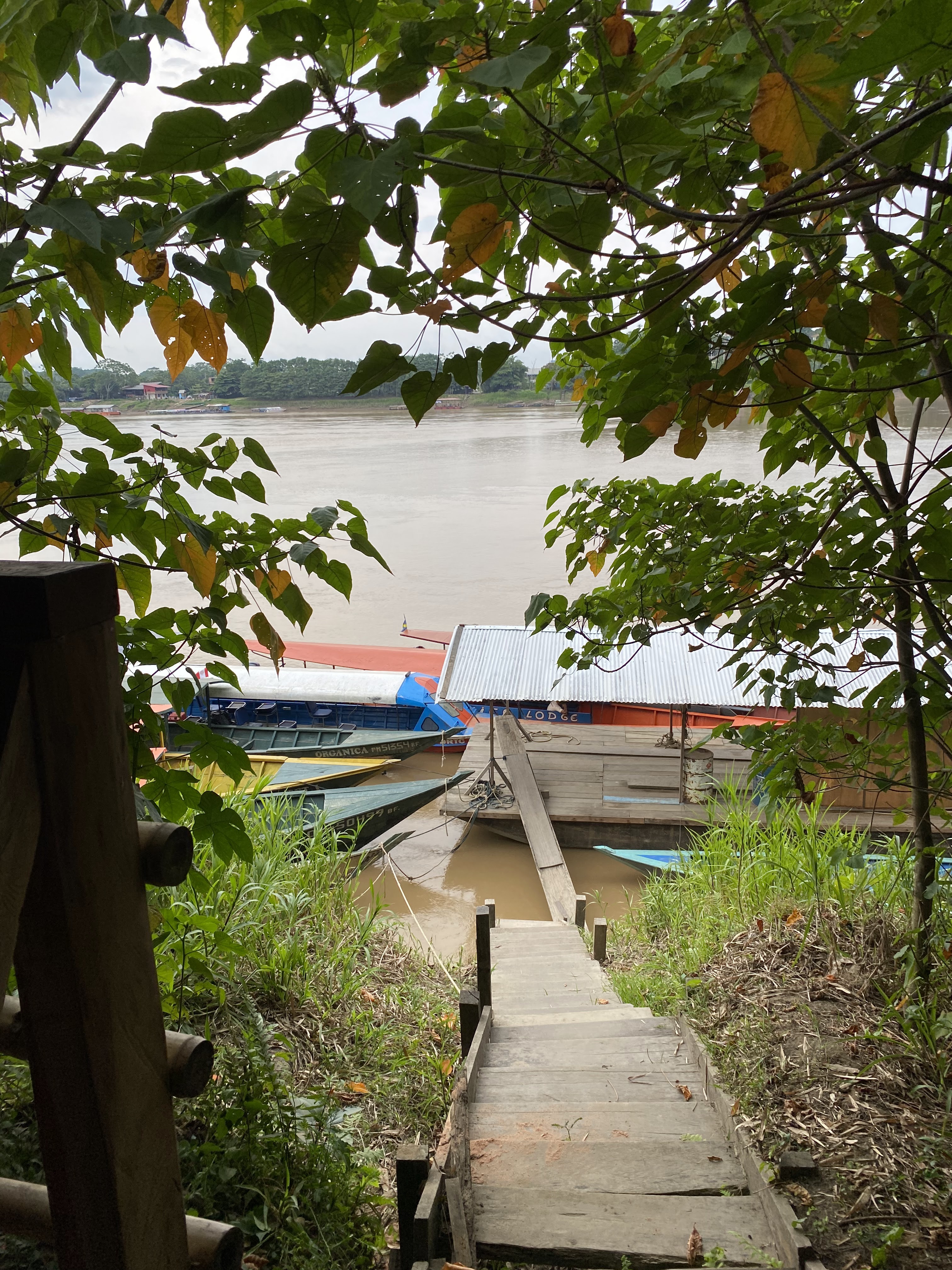
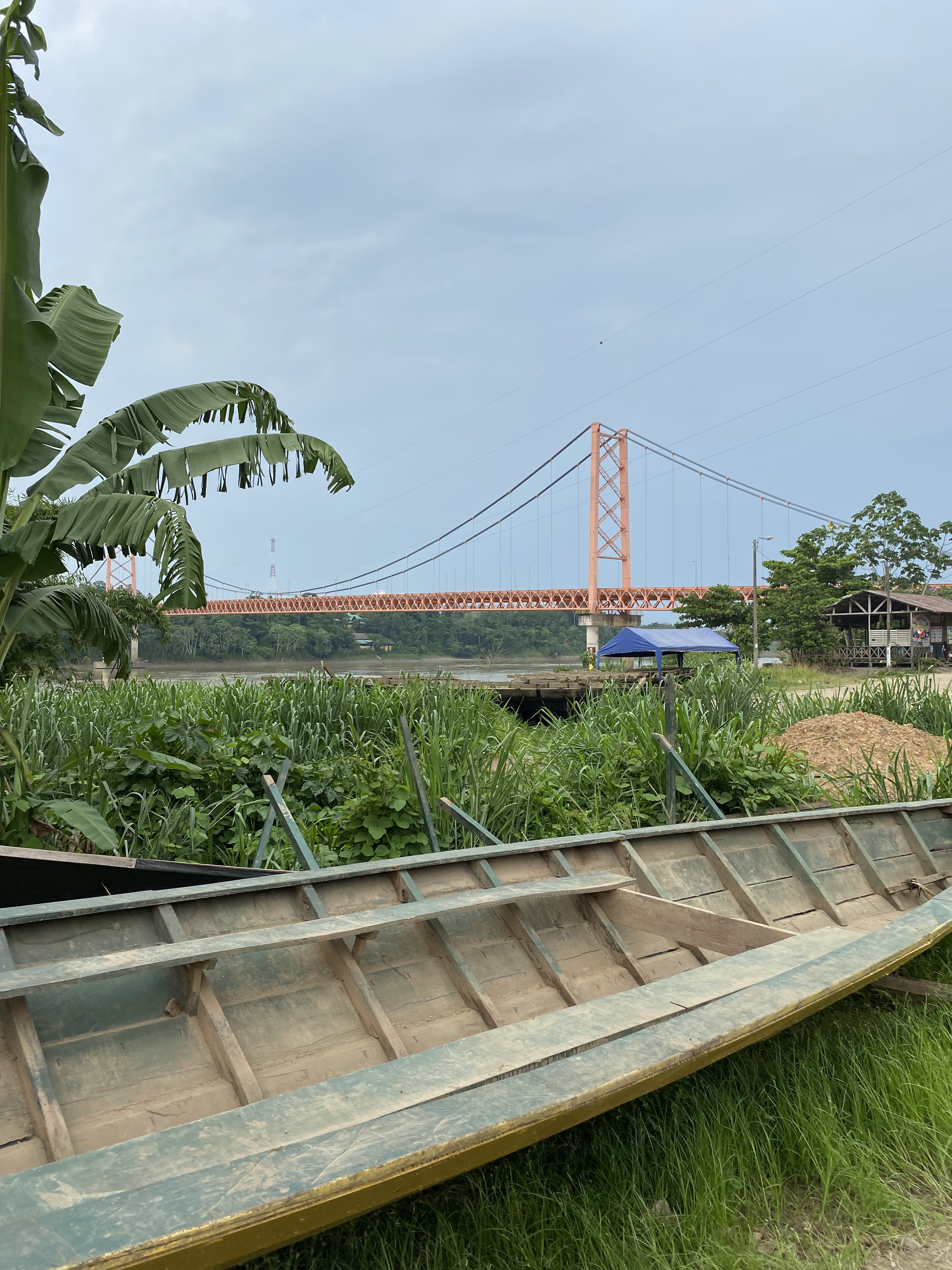
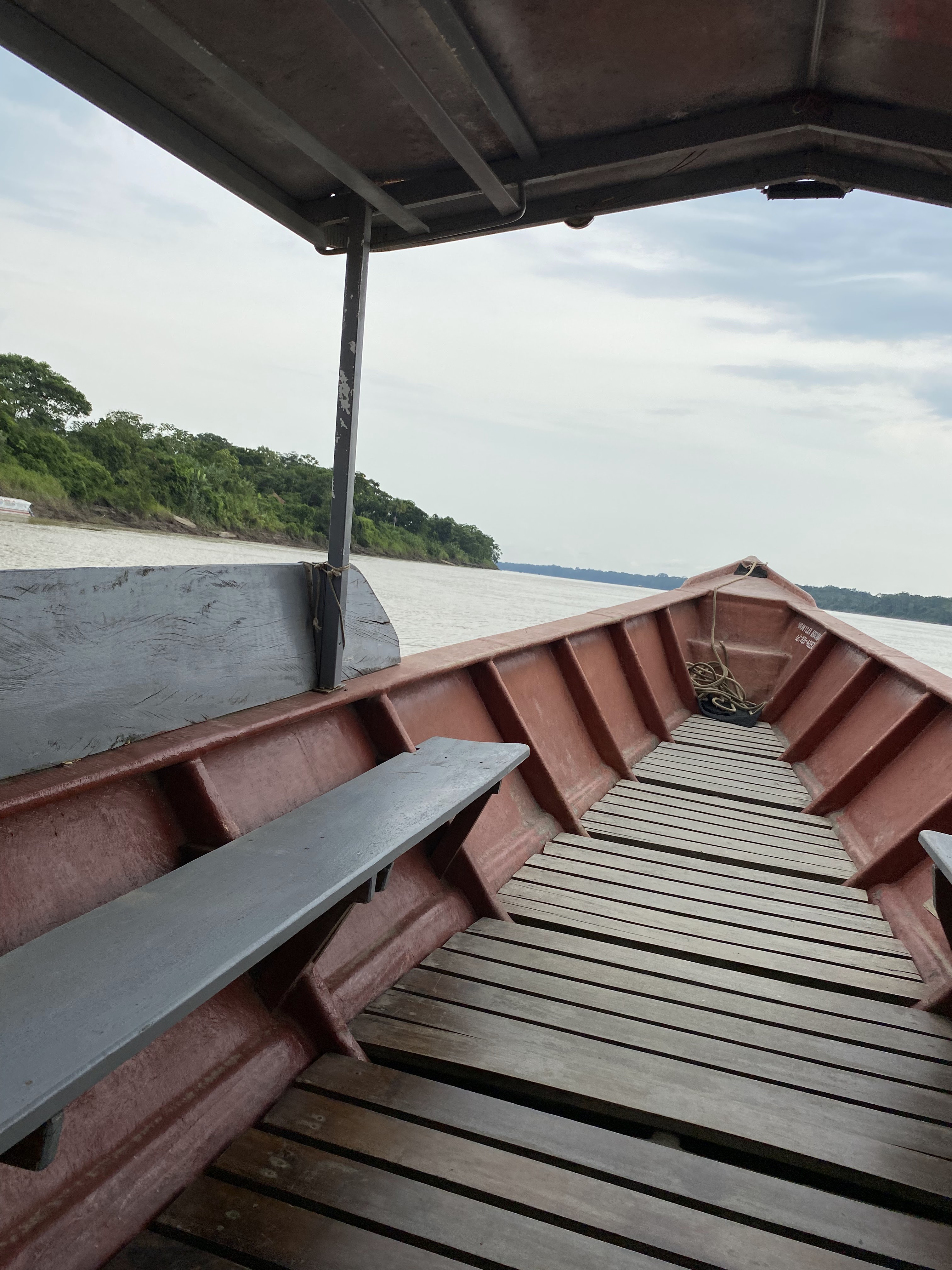
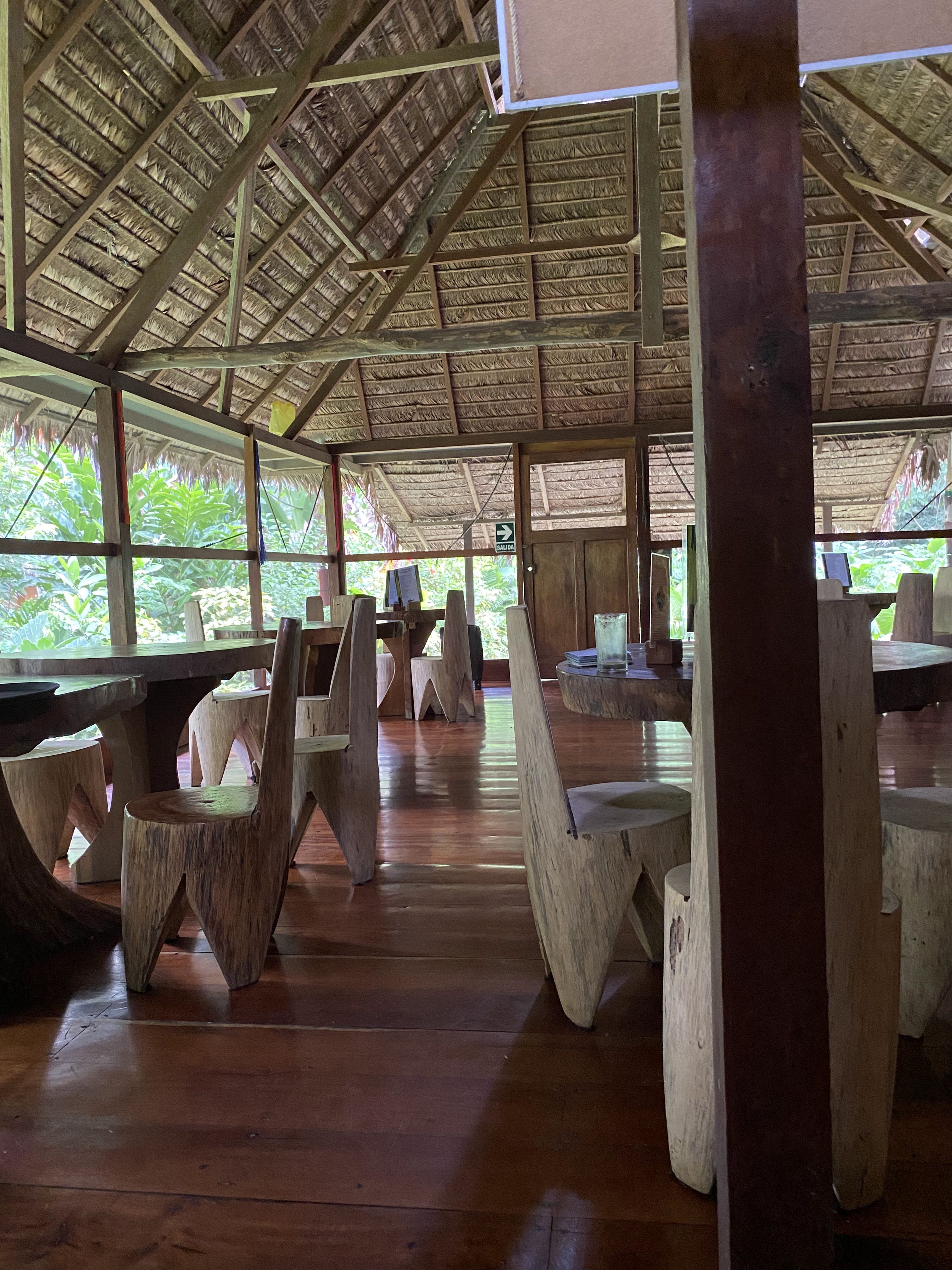
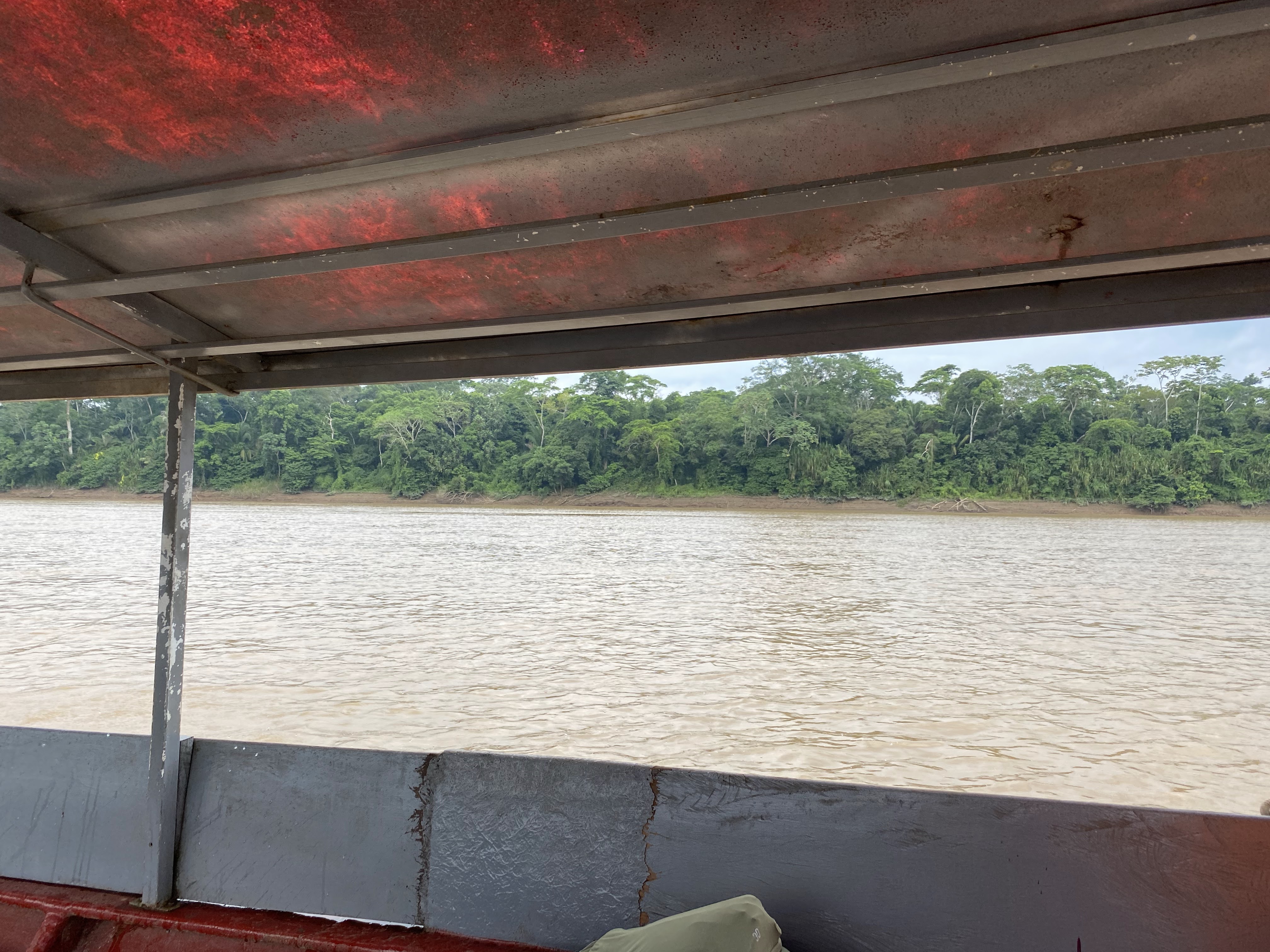
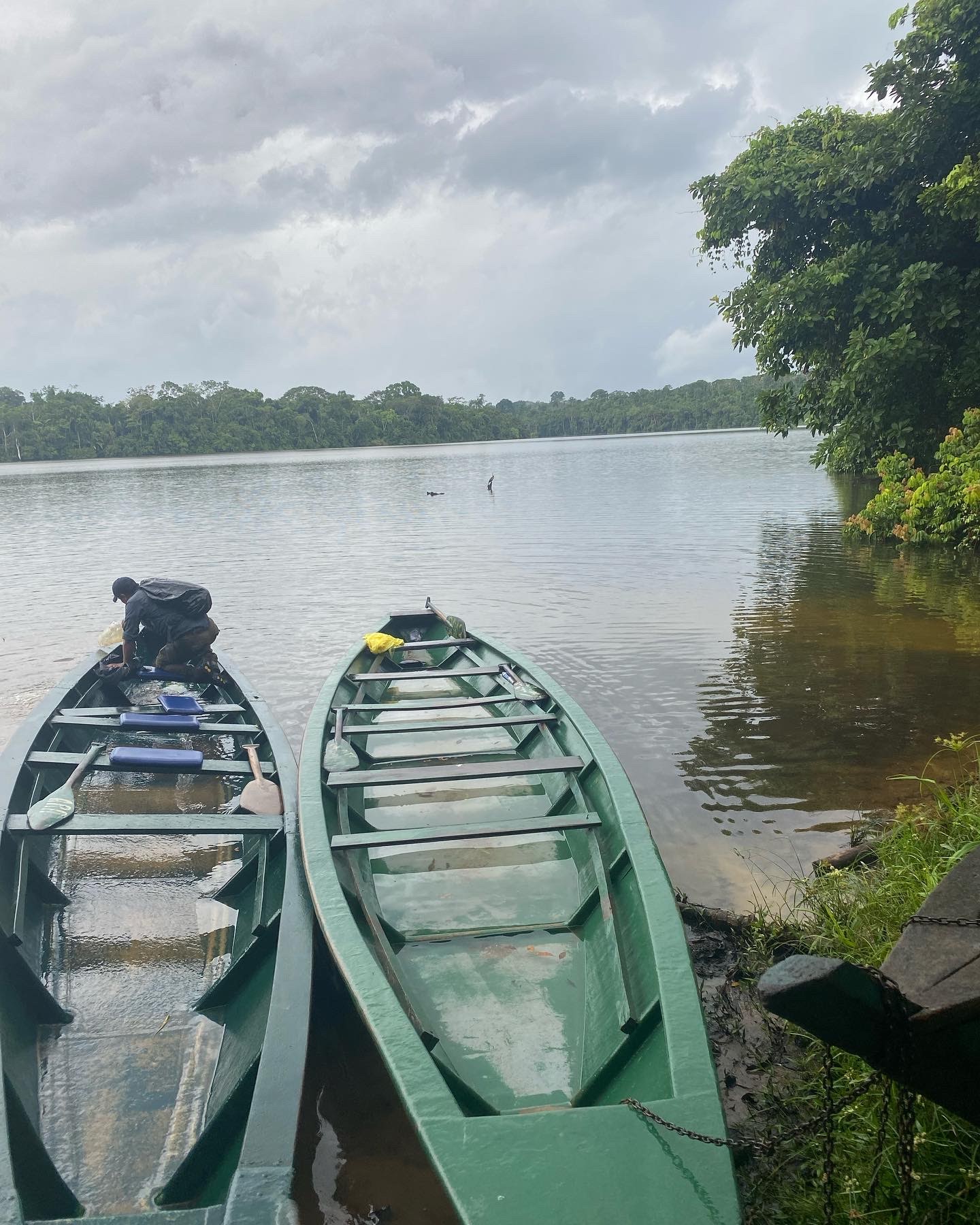
The last major stop on my two week trip was the Amazon. I honestly did not know what to expect but I will admit I was a little nervous. I was primarily scared about the animals, insects and heat. I flew a quick 45 minute flight from Cusco to Puerto Maldonado. When I landed I was immediately hit by the heat and humidity. A taxi collected me and took be to a dock about 20 minutes away. The boat I was traveling an hour and half up the Madre de Dios River was surprisingly (scarily!!!!) small and simple.

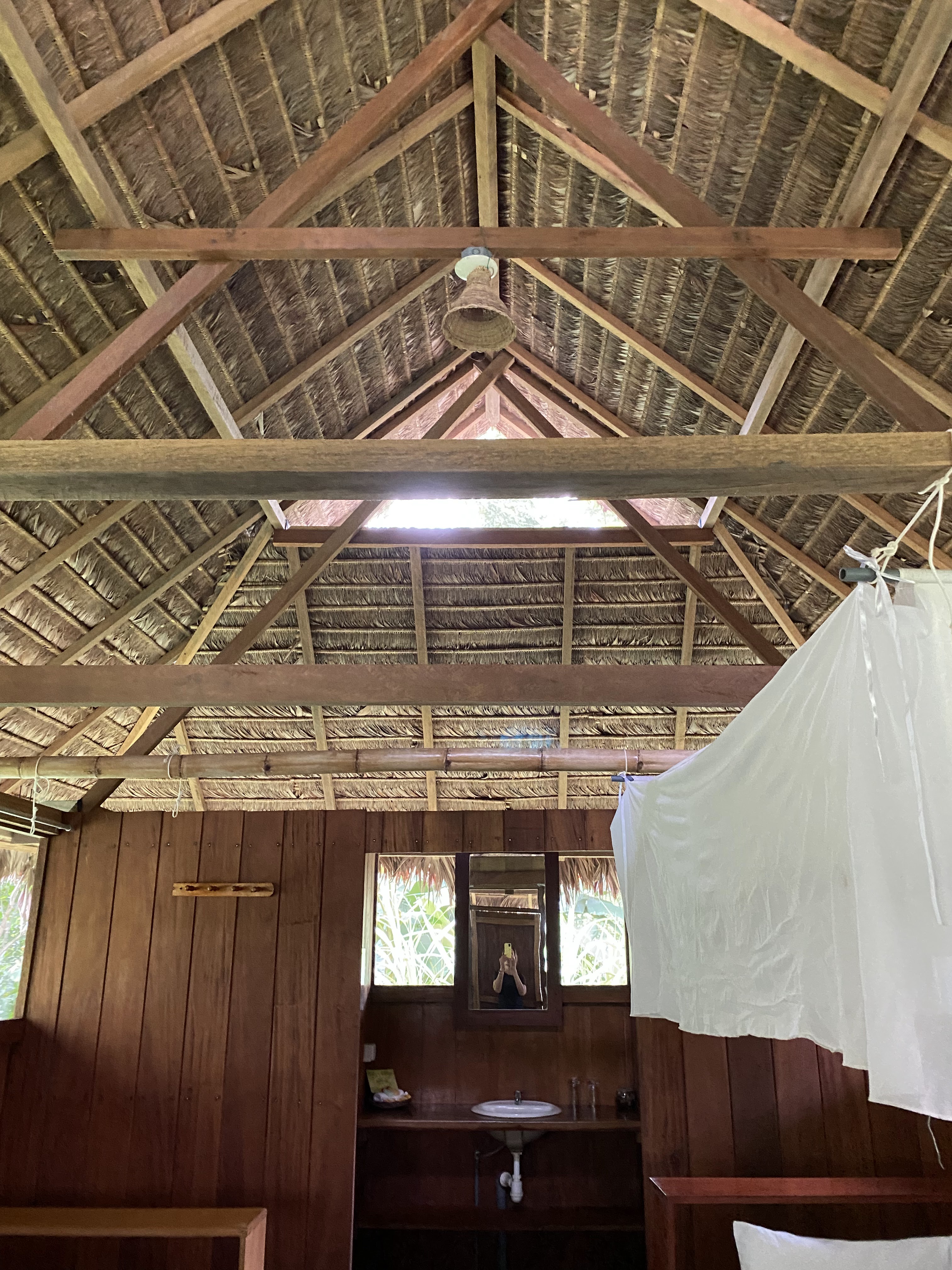
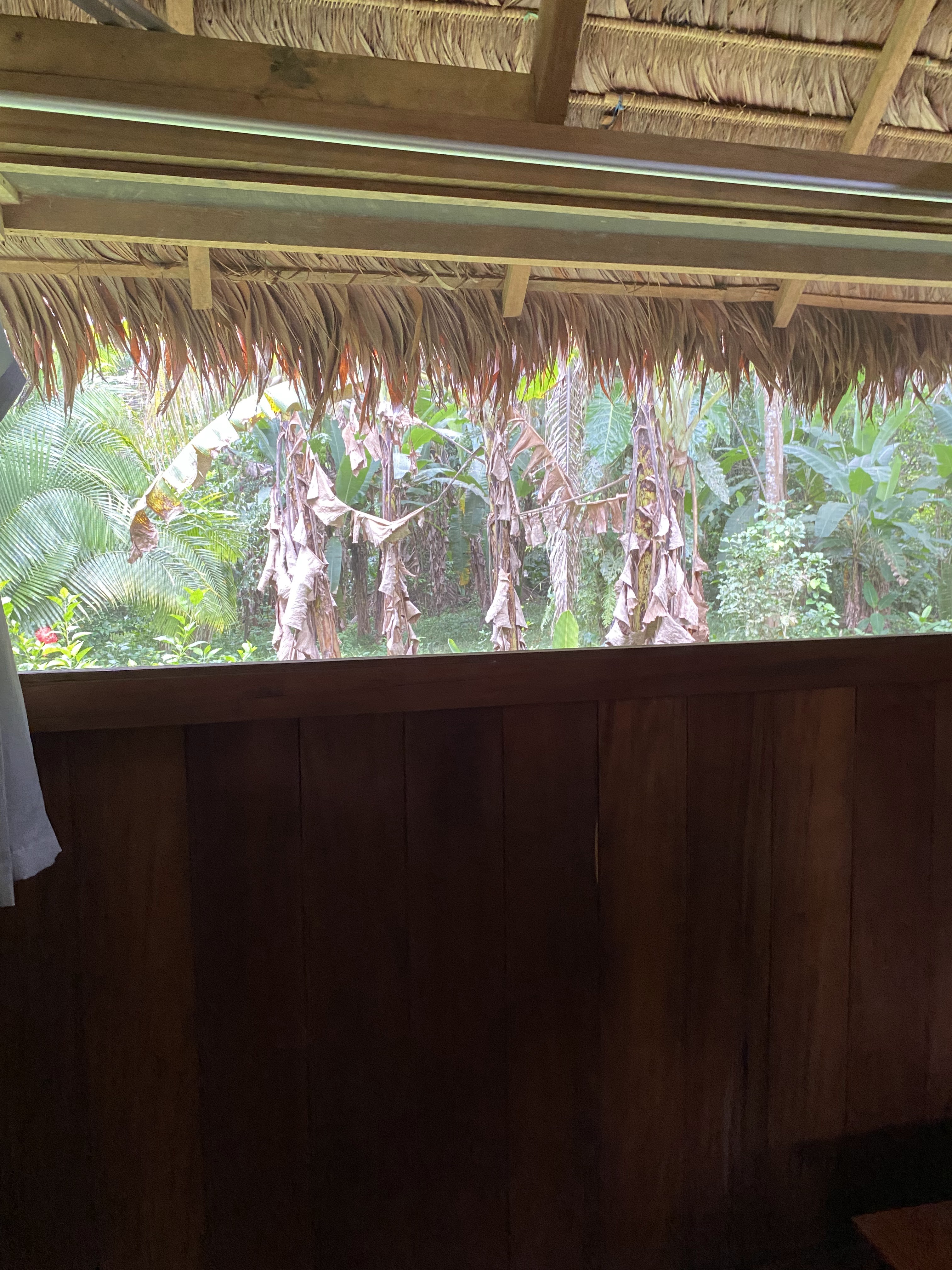
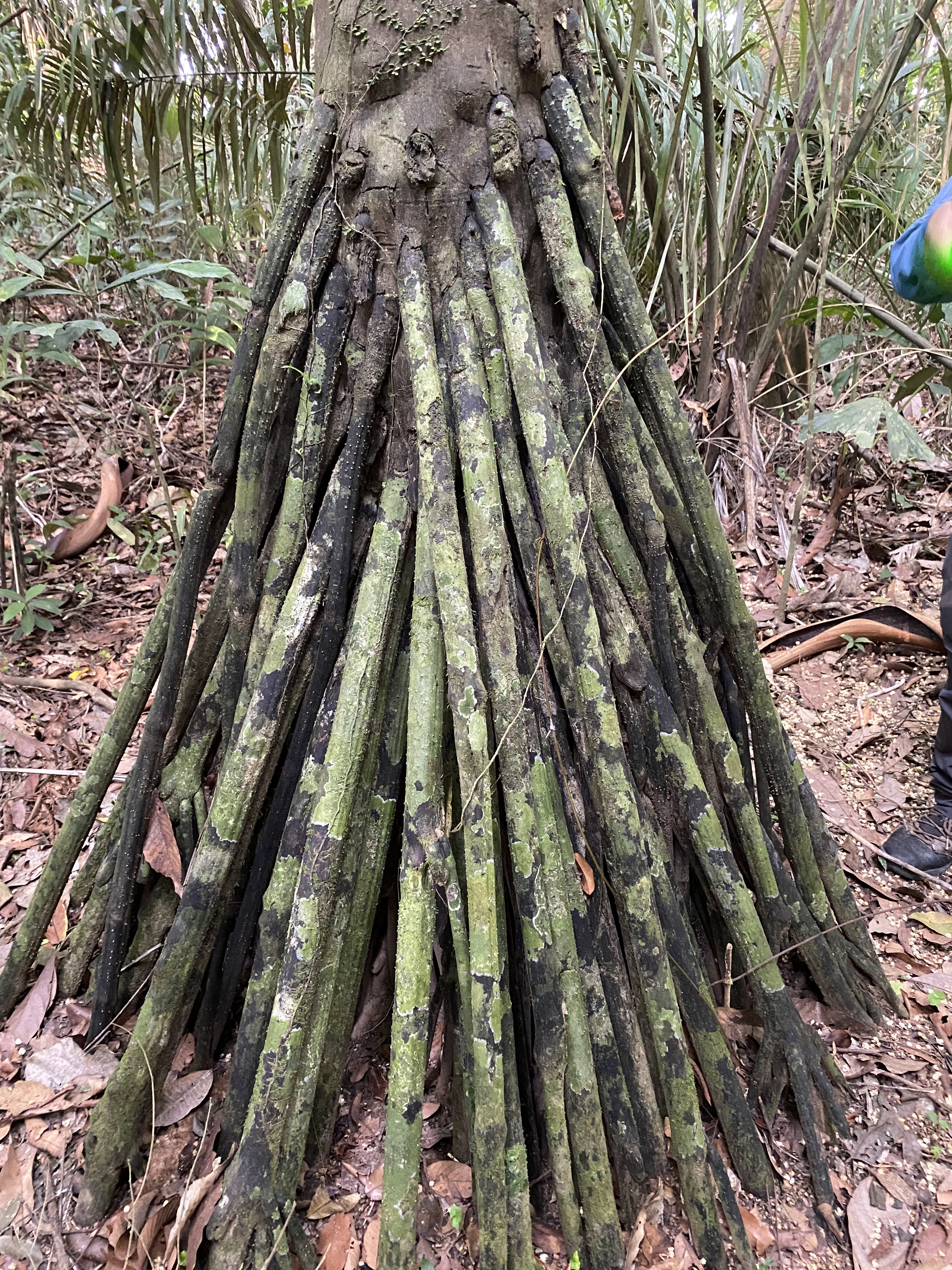
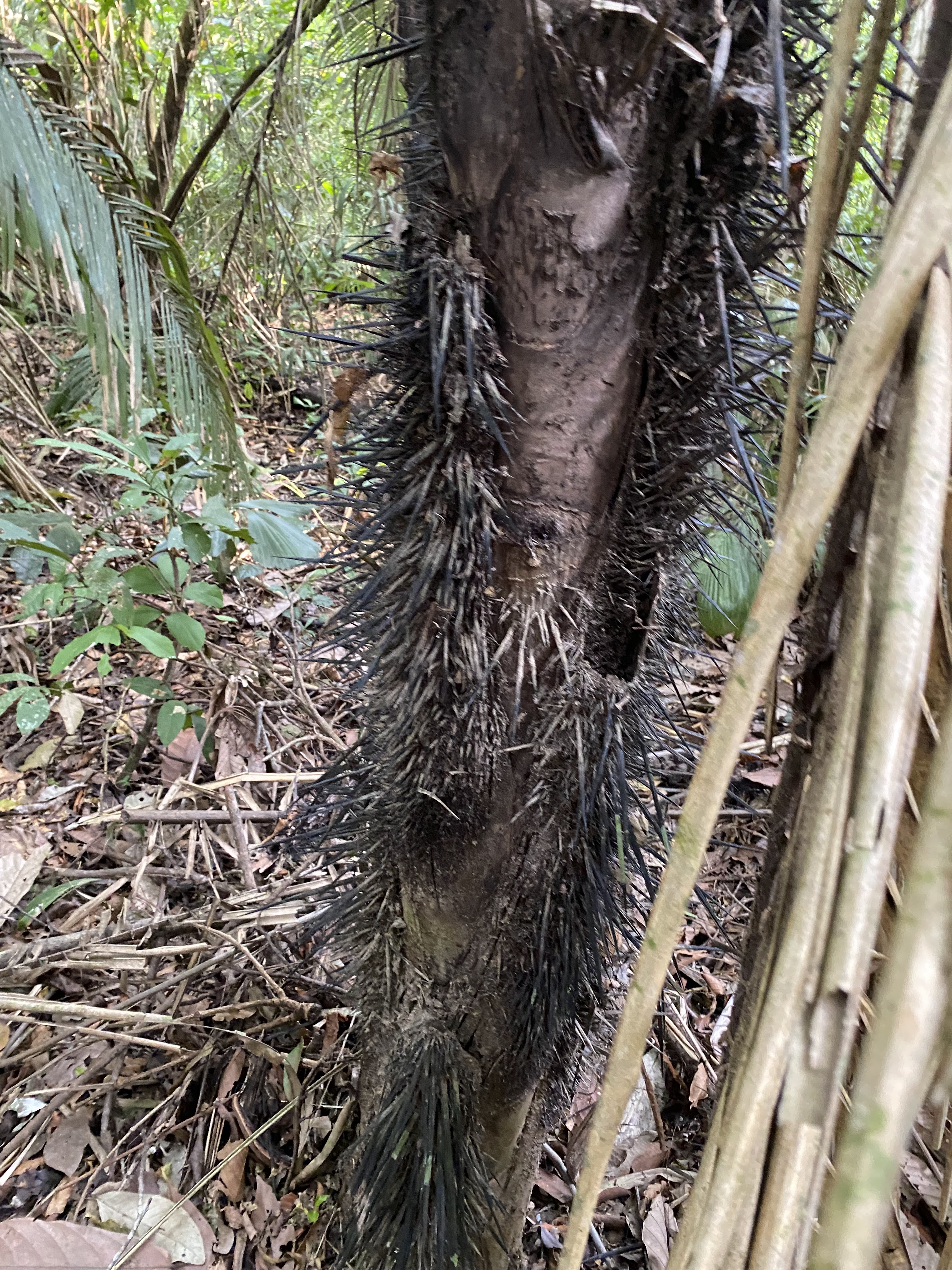
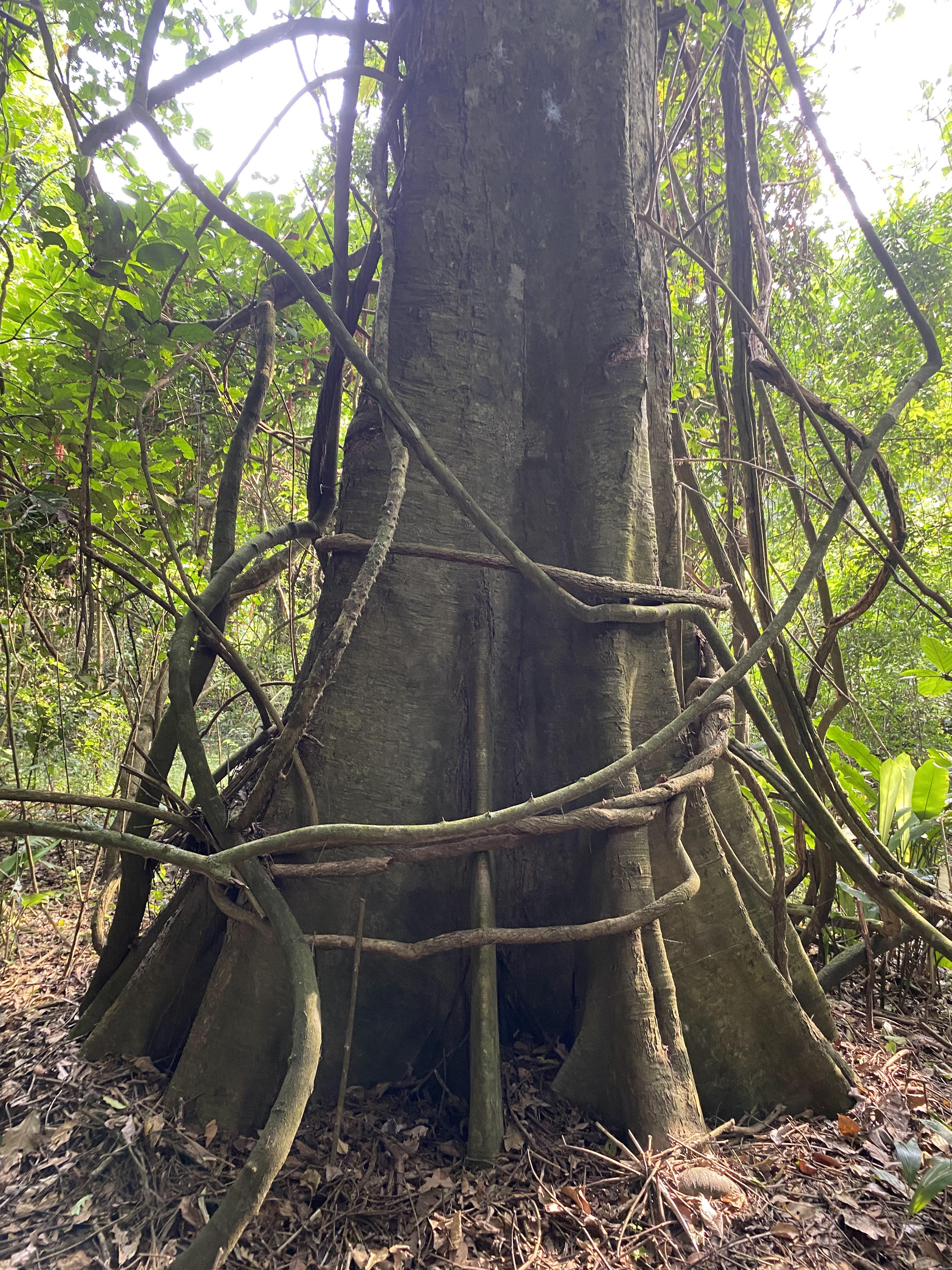
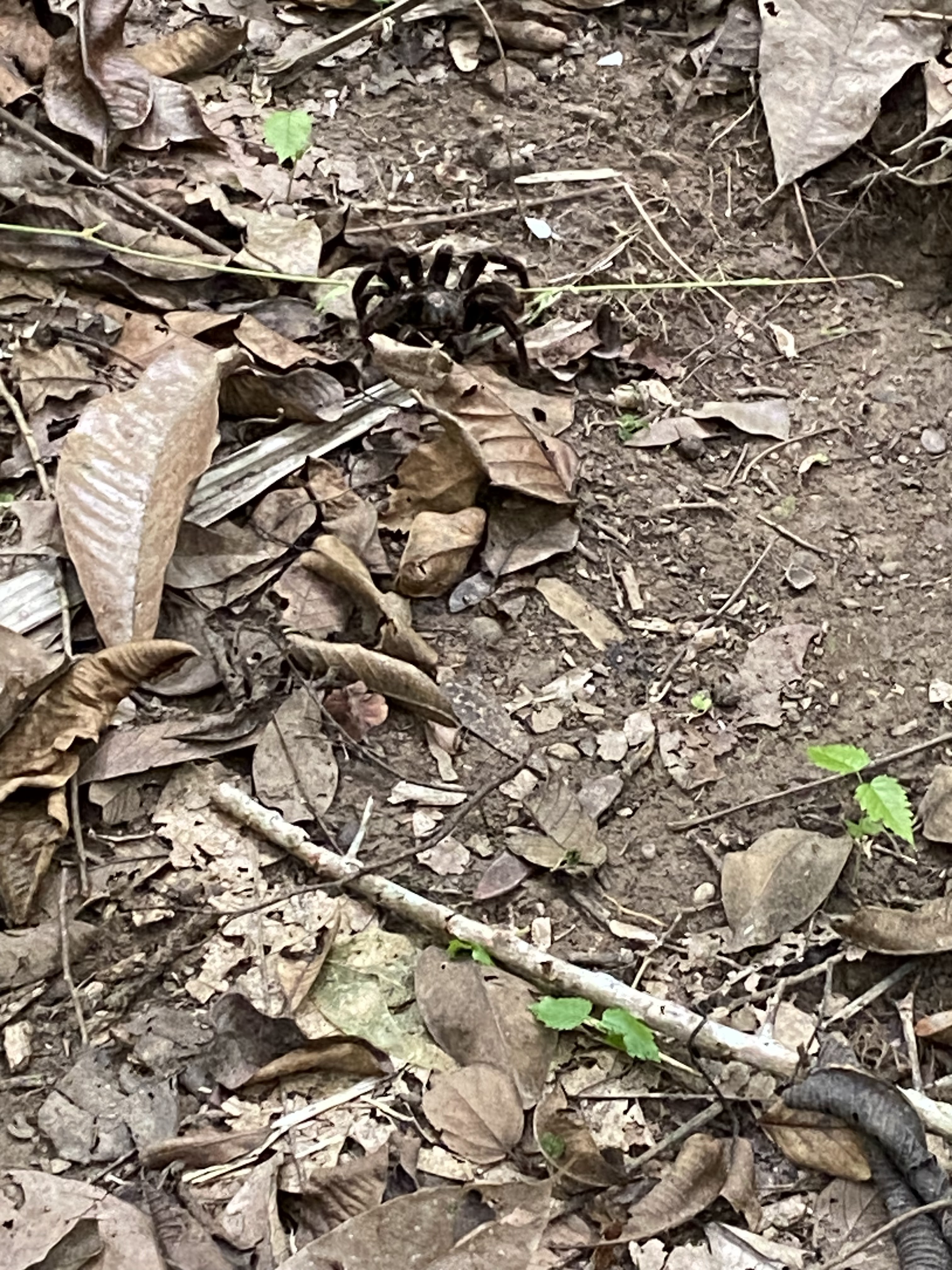
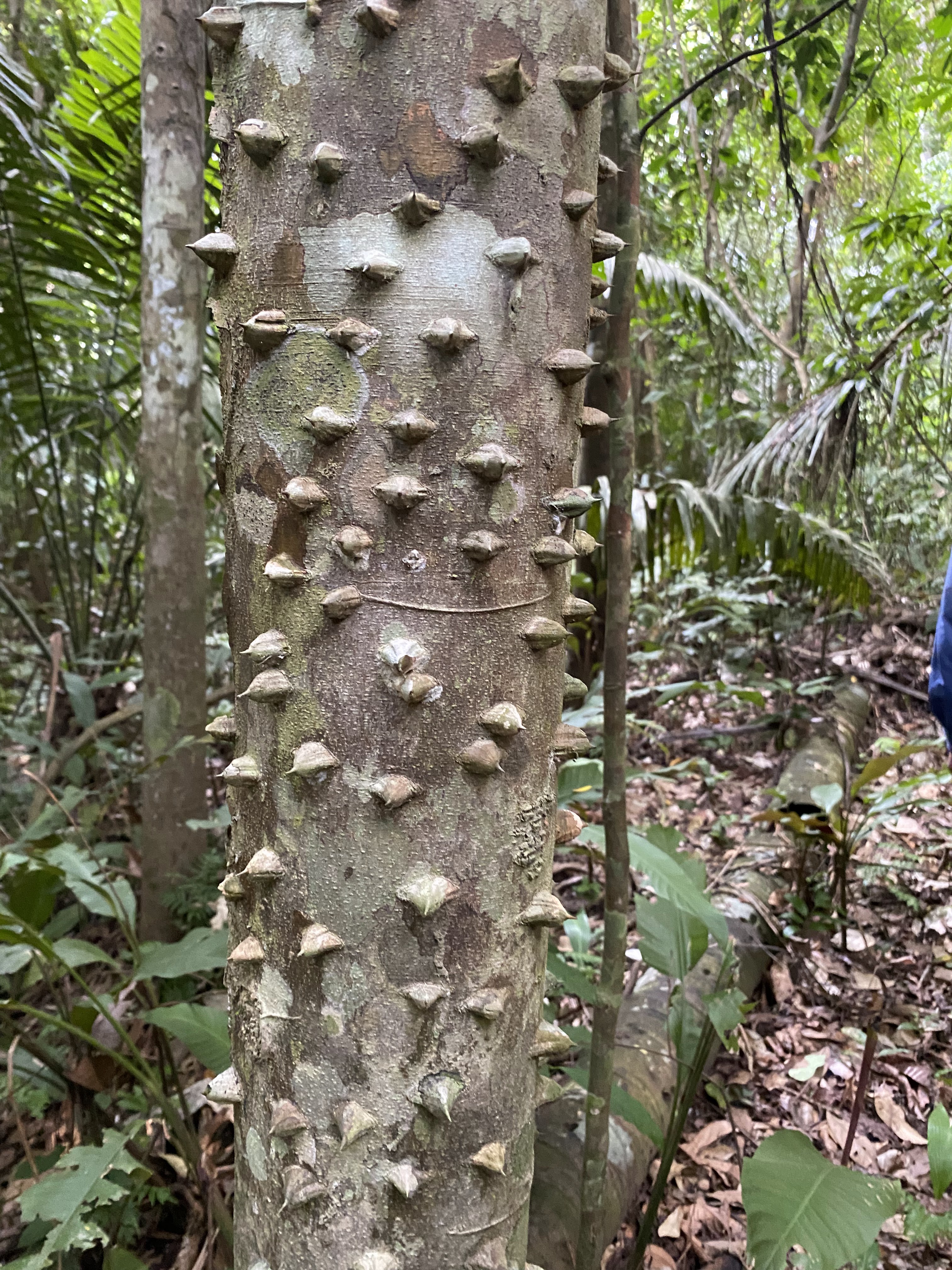
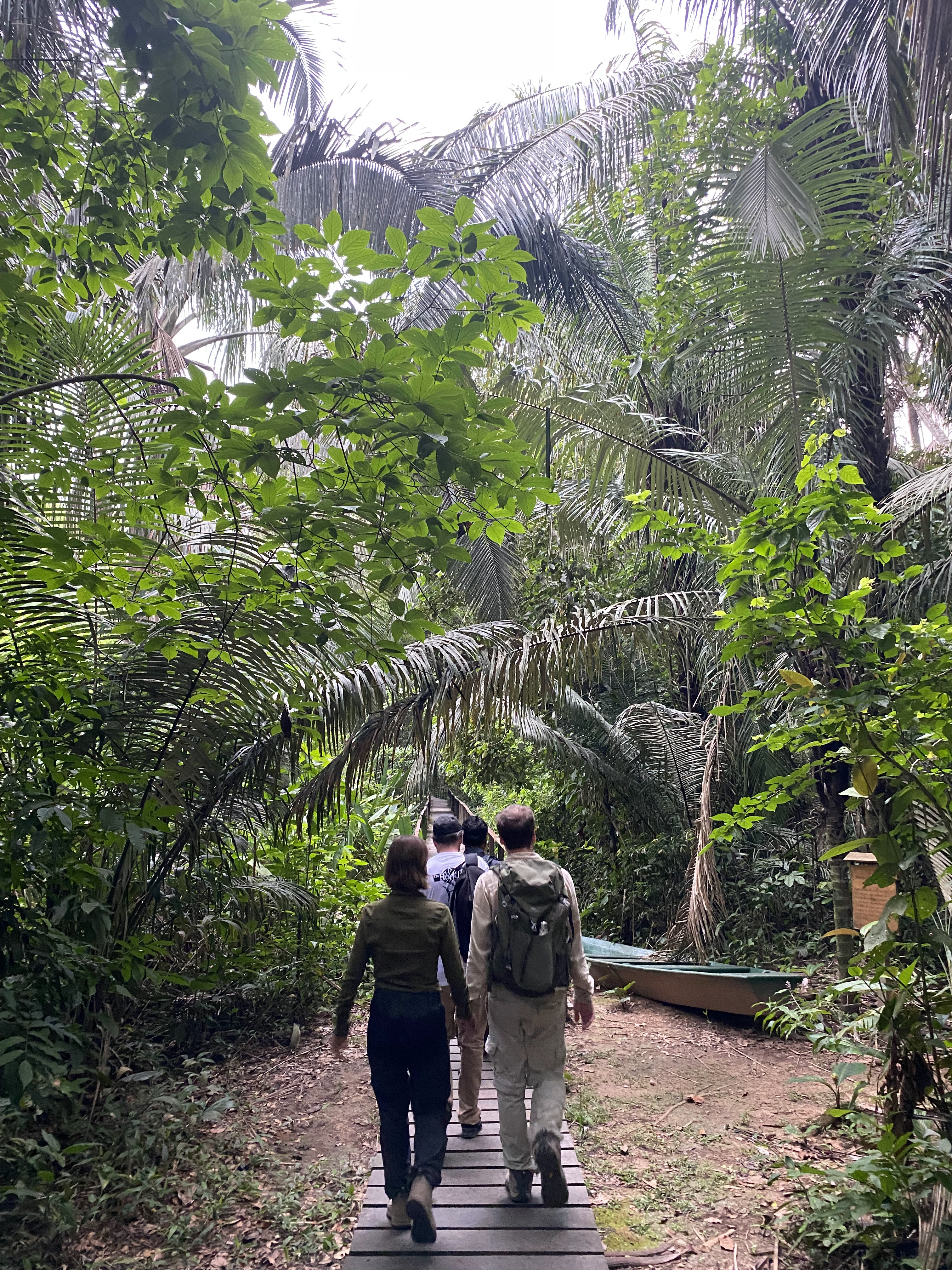
I arrived at the lodge without incident (whew) and had lunch. The chef focused on Amazonian fare and it was simple but tasty. I was concerned to learn that we had no electricity, hot water or internet…okay maybe we really were in the jungle. My “hut” was clean and ample with no windows (just screens) and lots of mosquitos. I will admit it was quaint but I did question what exactly I had signed up for. After lunch we did a jungle walk. There were tons of interesting plants and trees, lots of birds singing and screeching and, of course, plenty of tarantulas.

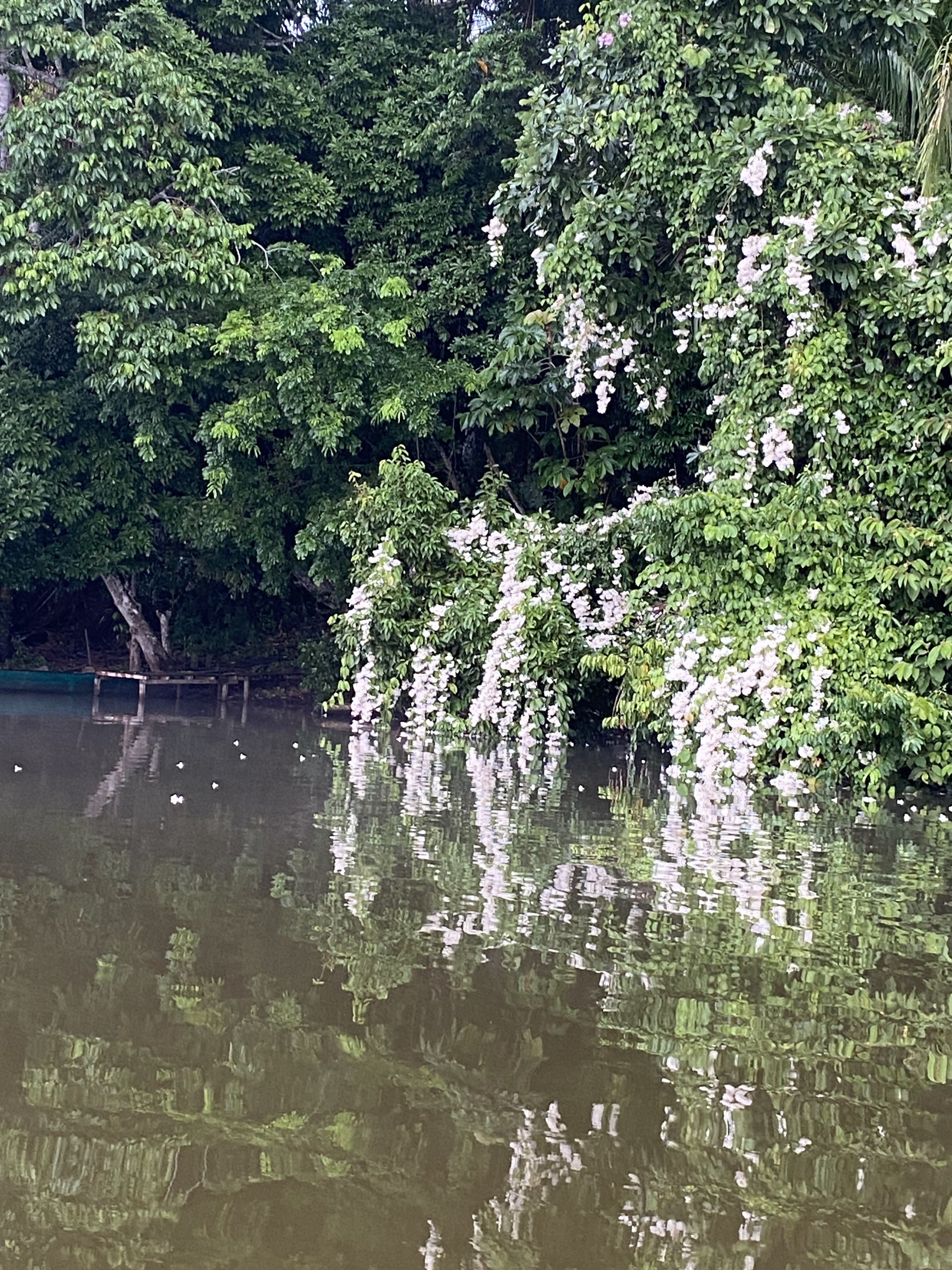
After dark, we got back into the boat to do a night tour of the shores of the river. We saw several Caiman (alligator family) which were black and white. I have to say I am glad we did not see anything else! At night the jungle is even louder than during the day. And the jungle “talks” all night long with so many different sounds. Also the fauna drops leaves (or ?) all night long, as I heard it on my thatched roof throughout the night. Not having windows means you are truly in the middle of the jungle as an active participant. I truly cannot describe it and wish I had recorded it. It was also pitch black.

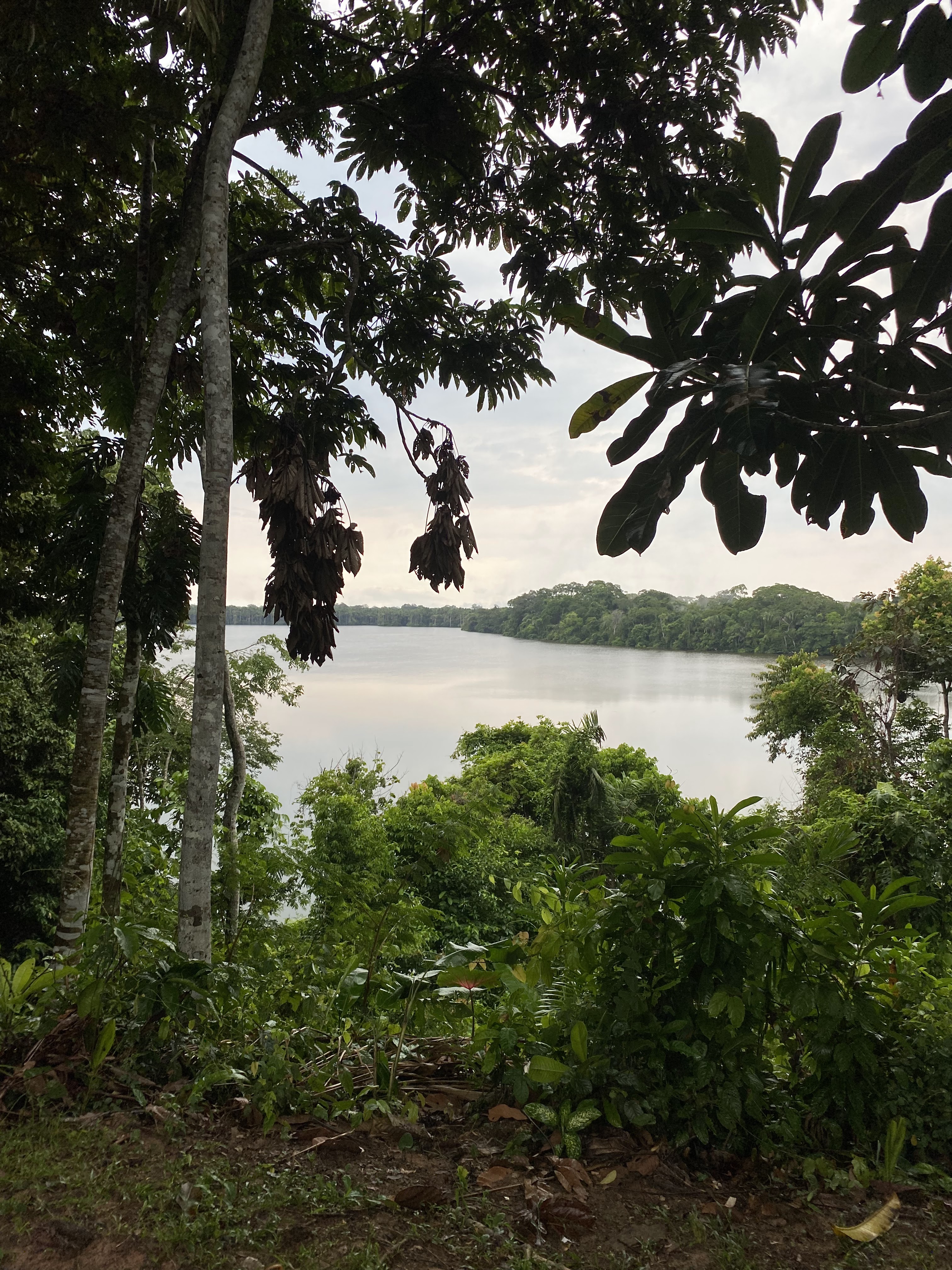
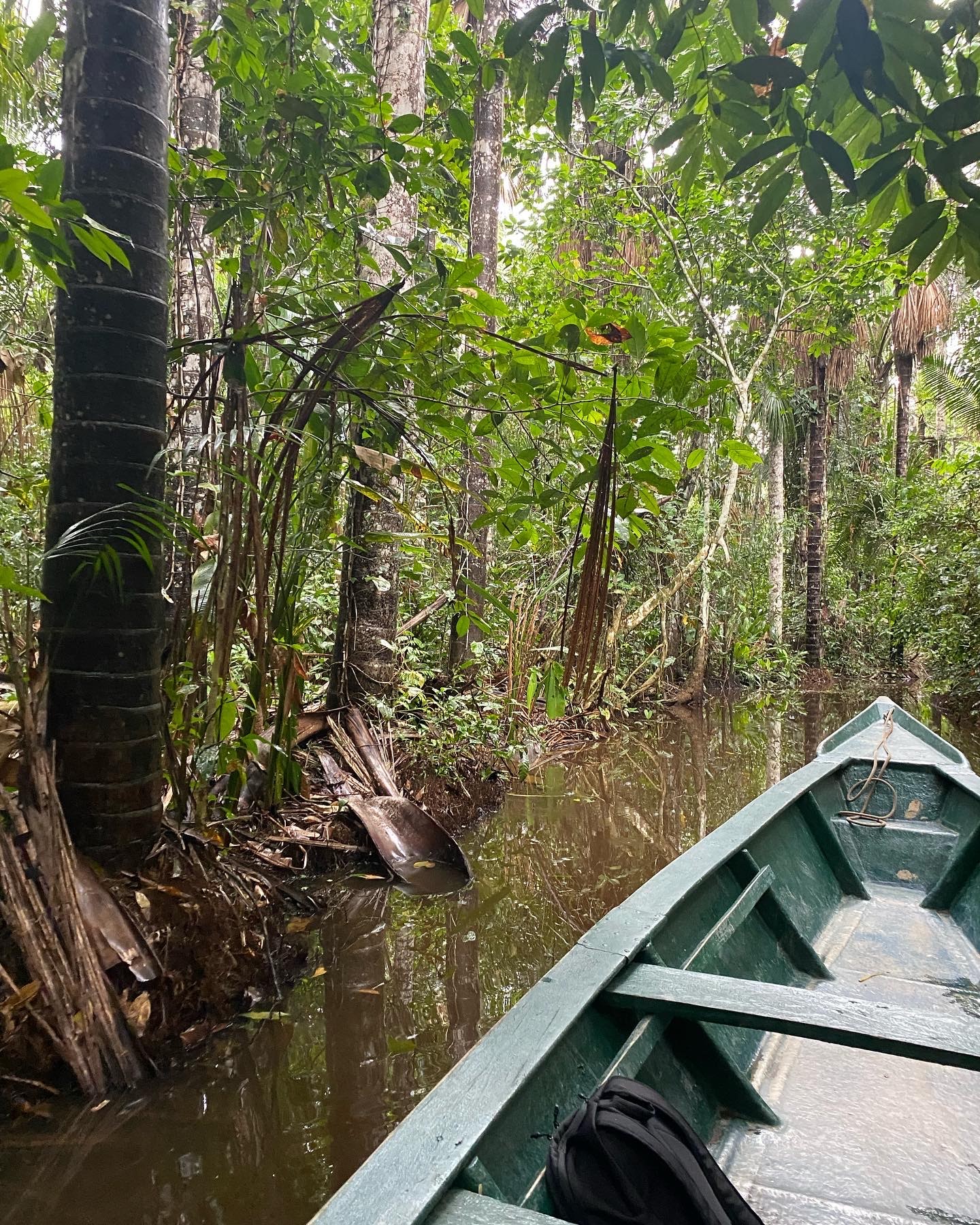
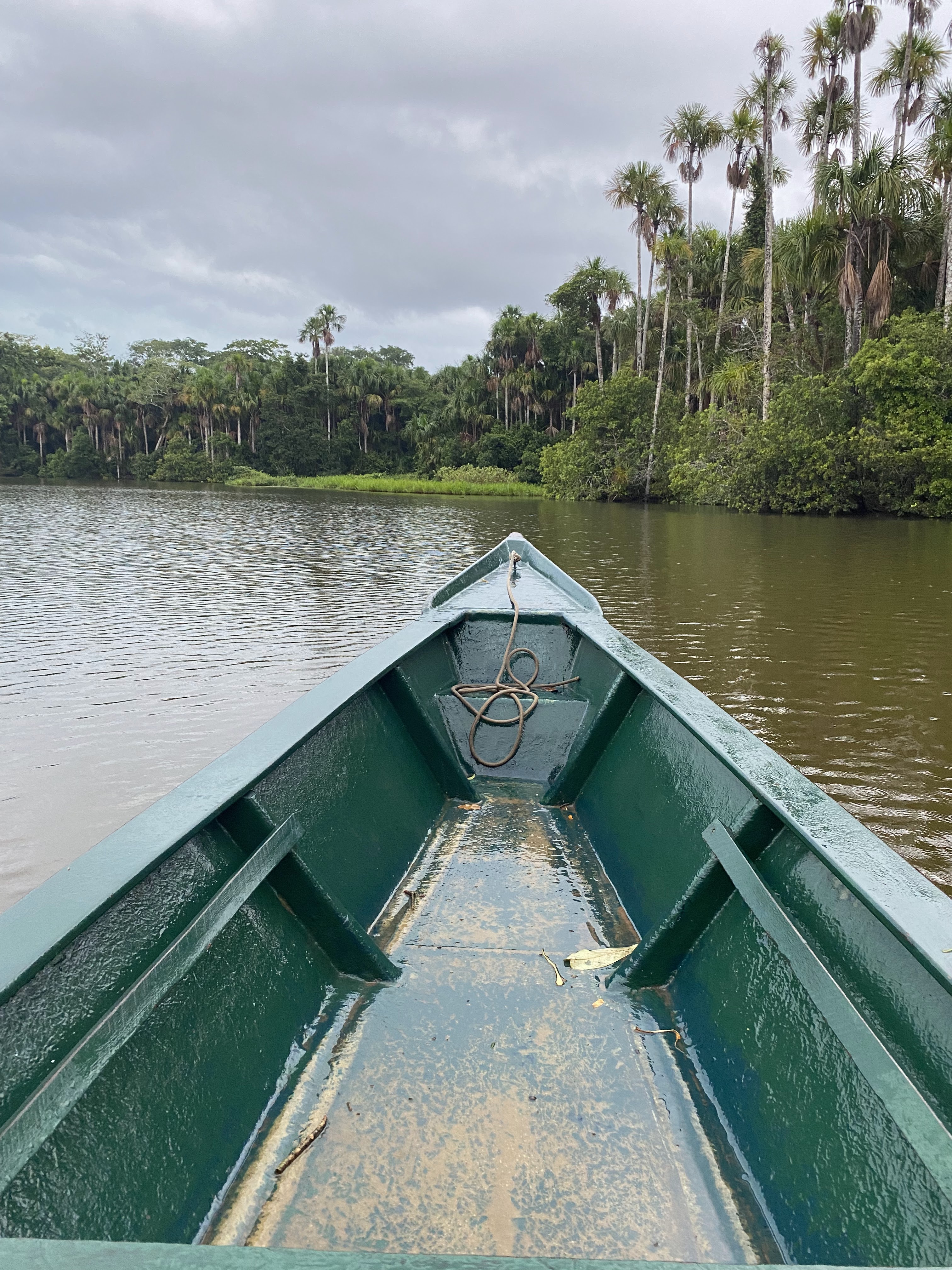
The next morning after a delicious breakfast, we took the boat an hour downriver to the Tambopata National Reserve. After entering the reserve we walked a path about 45 minutes to the entry point of Lake Sandoval where we got into a paddle boat. The lake is quite large and lush with trees and palm trees. We saw tons of birds, bugs and squirrel monkeys and more Caiman. As beautiful as it was, I was nervous. There were five of us in this paddle boat and one wrong move and we would be dumped into the lake which was full of fish and more importantly, piranha. After two hours in the boat, it started pouring…it is the rainy season in the jungle after all and we were pretty lucky that it didn’t rain at all the previous day.

The rain was relentless and so we pulled to the shore where there were some random steps. After an uphill climb, we landed at a home/bar/restaurant where we were going to eat our lunch. And then about another hour and half of pouring rain, which we decided to wait out. The paddle boat was filled with rainwater when we got back to it. Nine hours on this adventure was plenty and a cold shower when finally getting back to the lodge was pretty welcomed! The entire evening and next morning it poured, thundered and lightning lit up the sky and it was a long boat ride back to the dock in Puerto Maldonado. But I made it and had a quick hour and half plane ride back to my last night in Lima.

Cusco

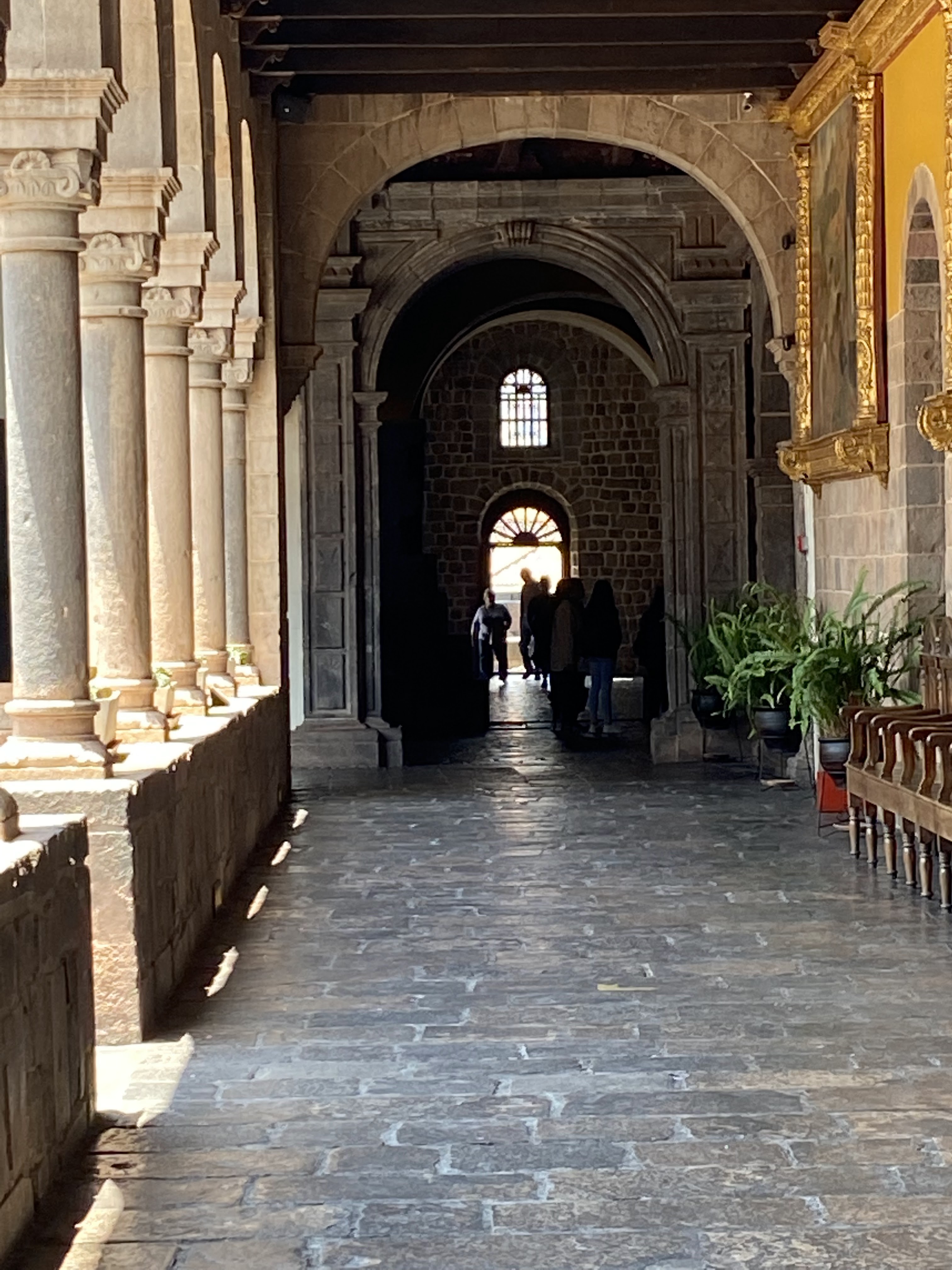
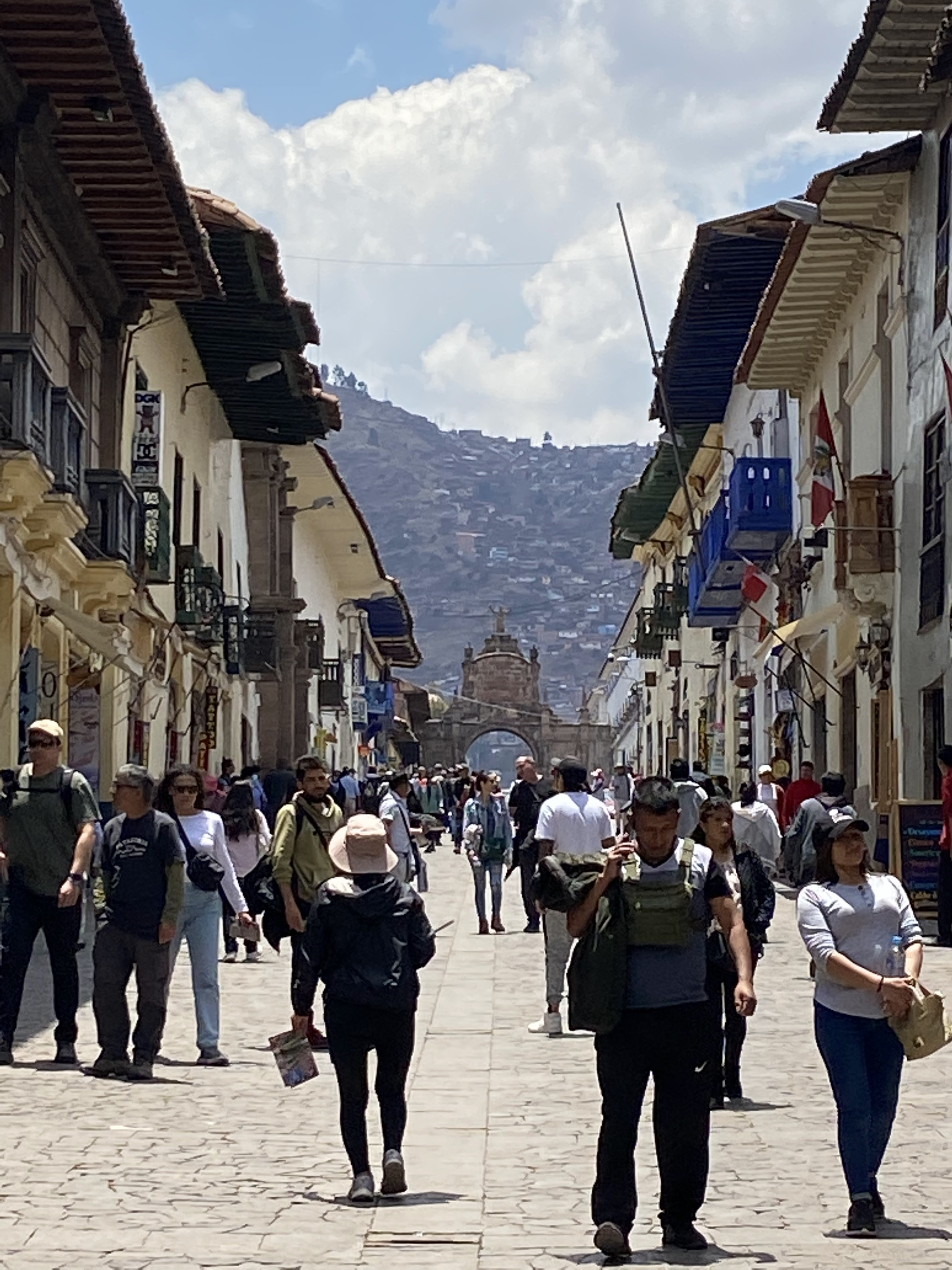
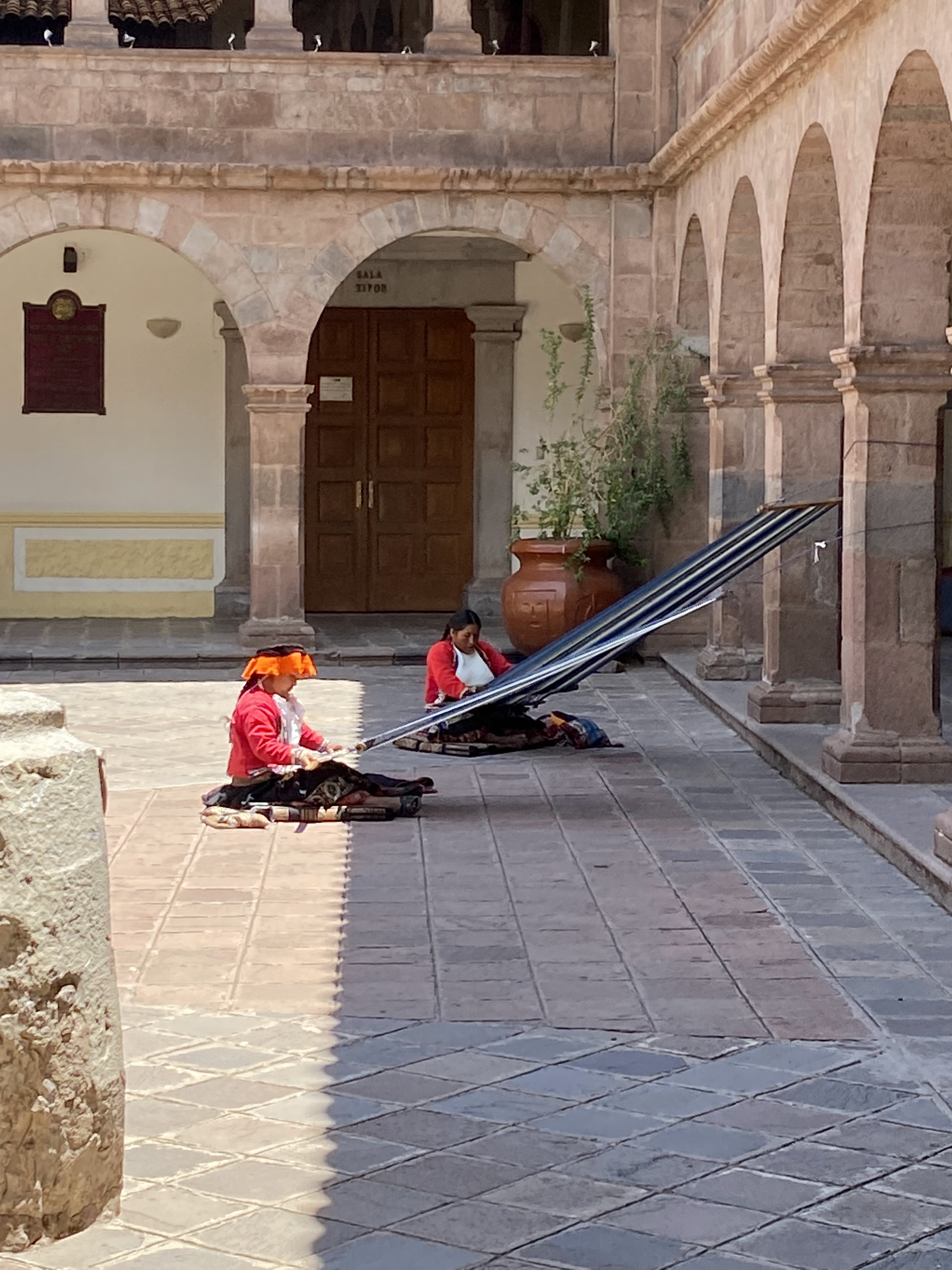
I got to spend a few extra days in Cusco, rather than hiking due to my altitude sickness. Cusco is a vibrant, historical, proud city and I wandered around. I visited the Qorikancha Temple (Temple of the Sun) which was built on top of a Christian church. The earthquake of 1953 uncovered this beauty when the church came down.

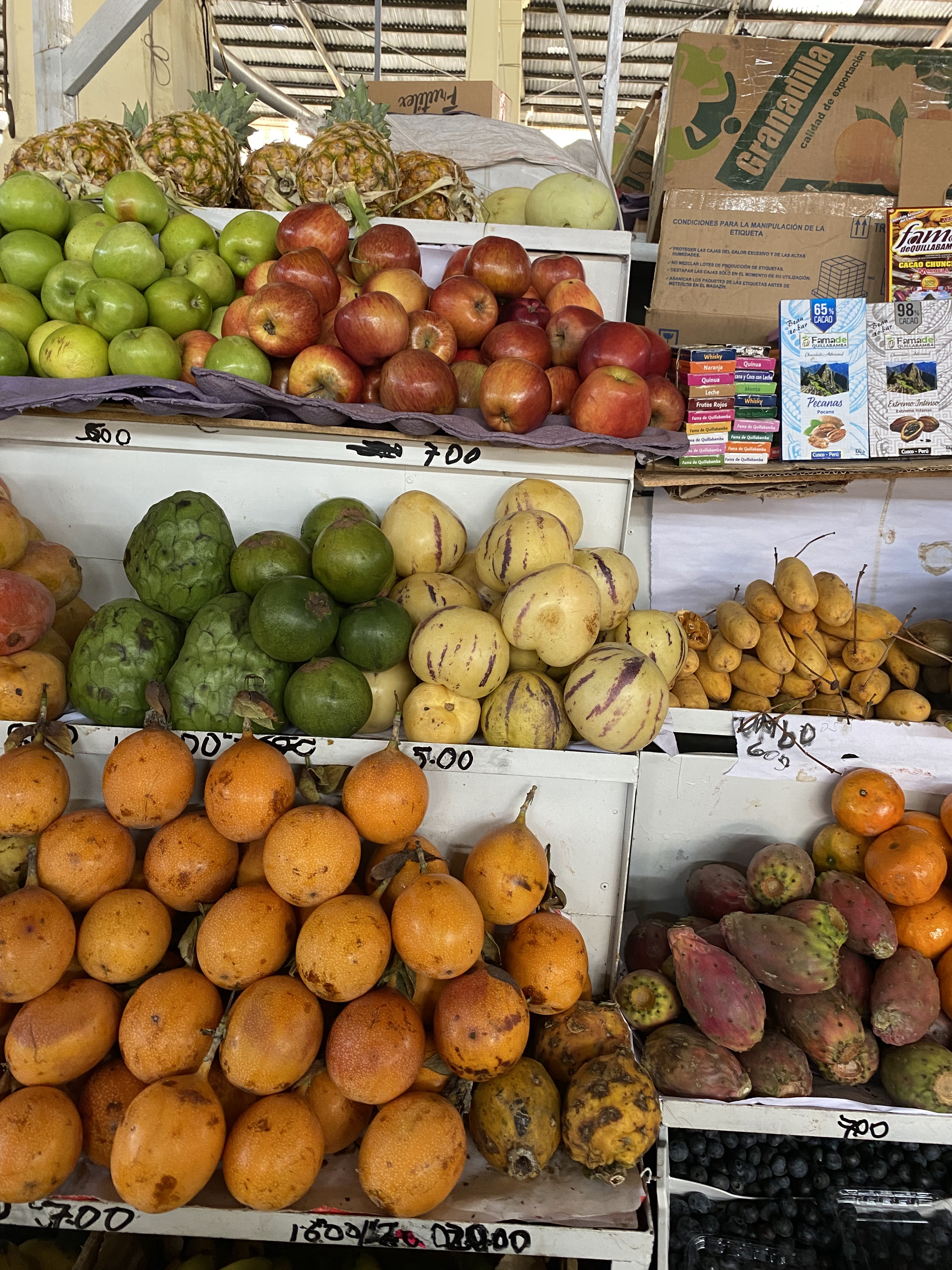
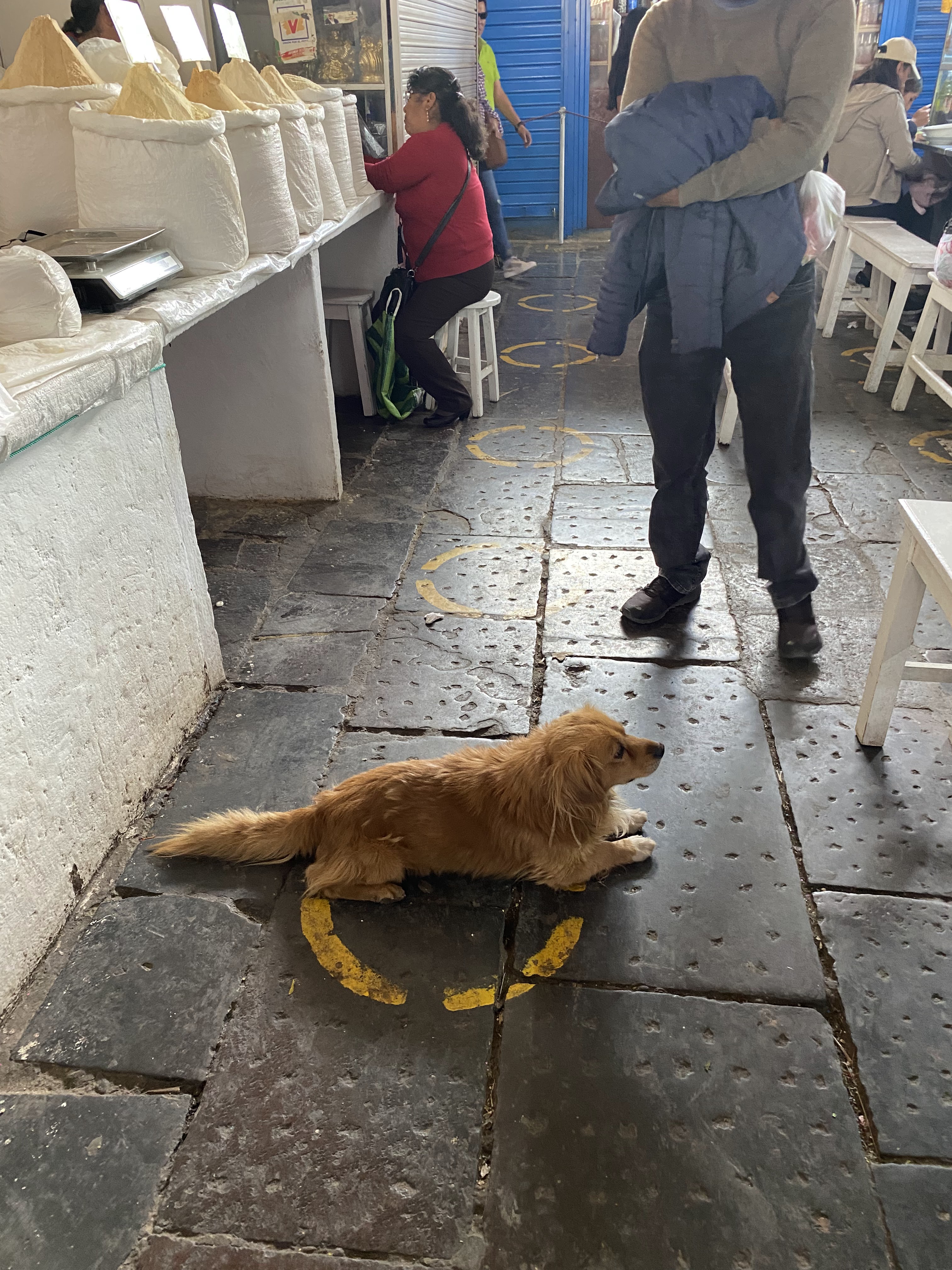
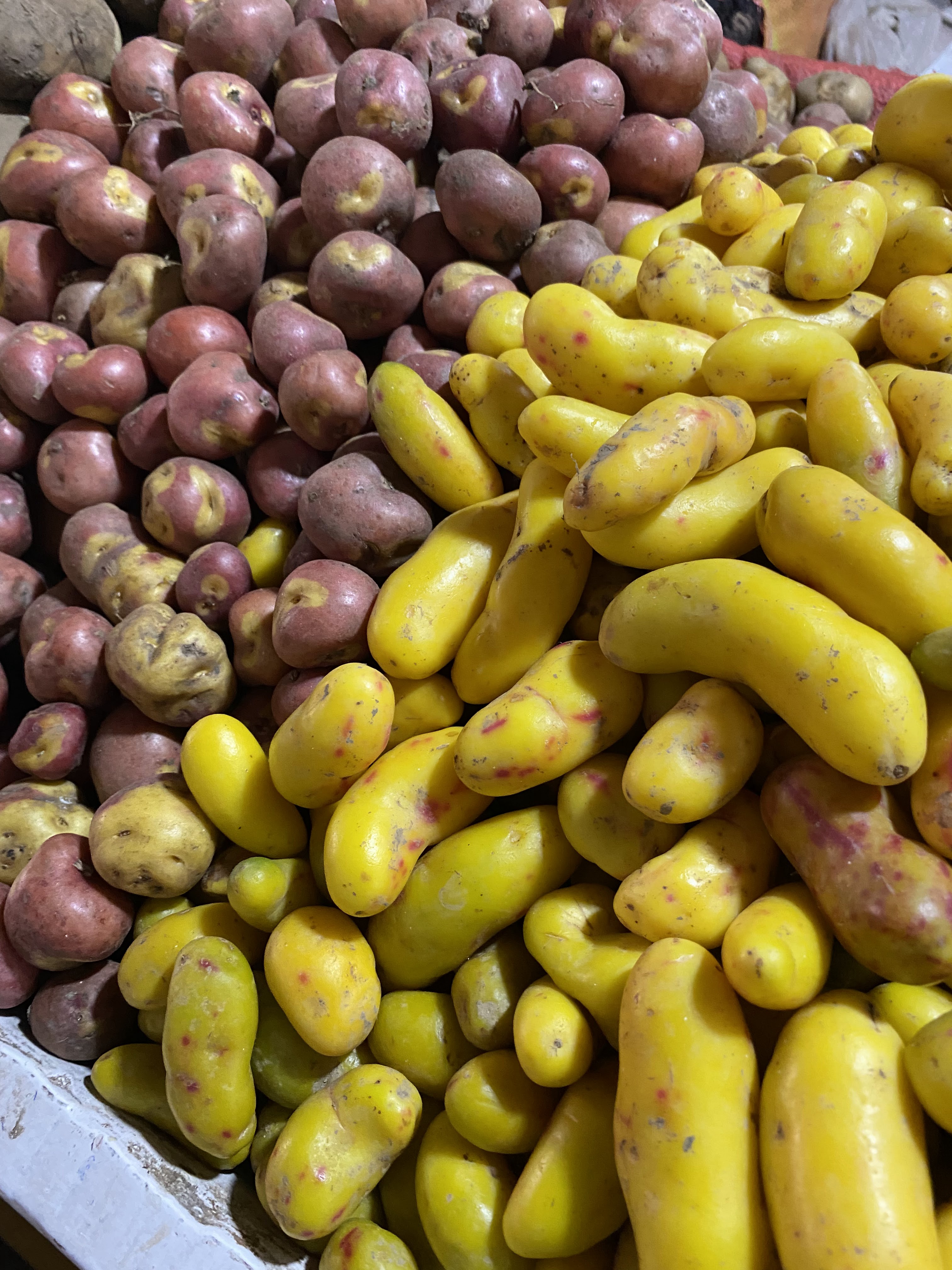
I also visited the local street market filled with local vendors. I was told locals shop there every morning. The market had a little bit of everything including the dog, of course. I have been fascinated with the rampant loose dogs that run around the city. Apparently they roam free all day and eventually return home in the evenings. Dogs are literally everywhere…mainly sleeping but also playing and rummaging through garbage. Thank goodness they are not viscous and really are uninterested in pedestrians.

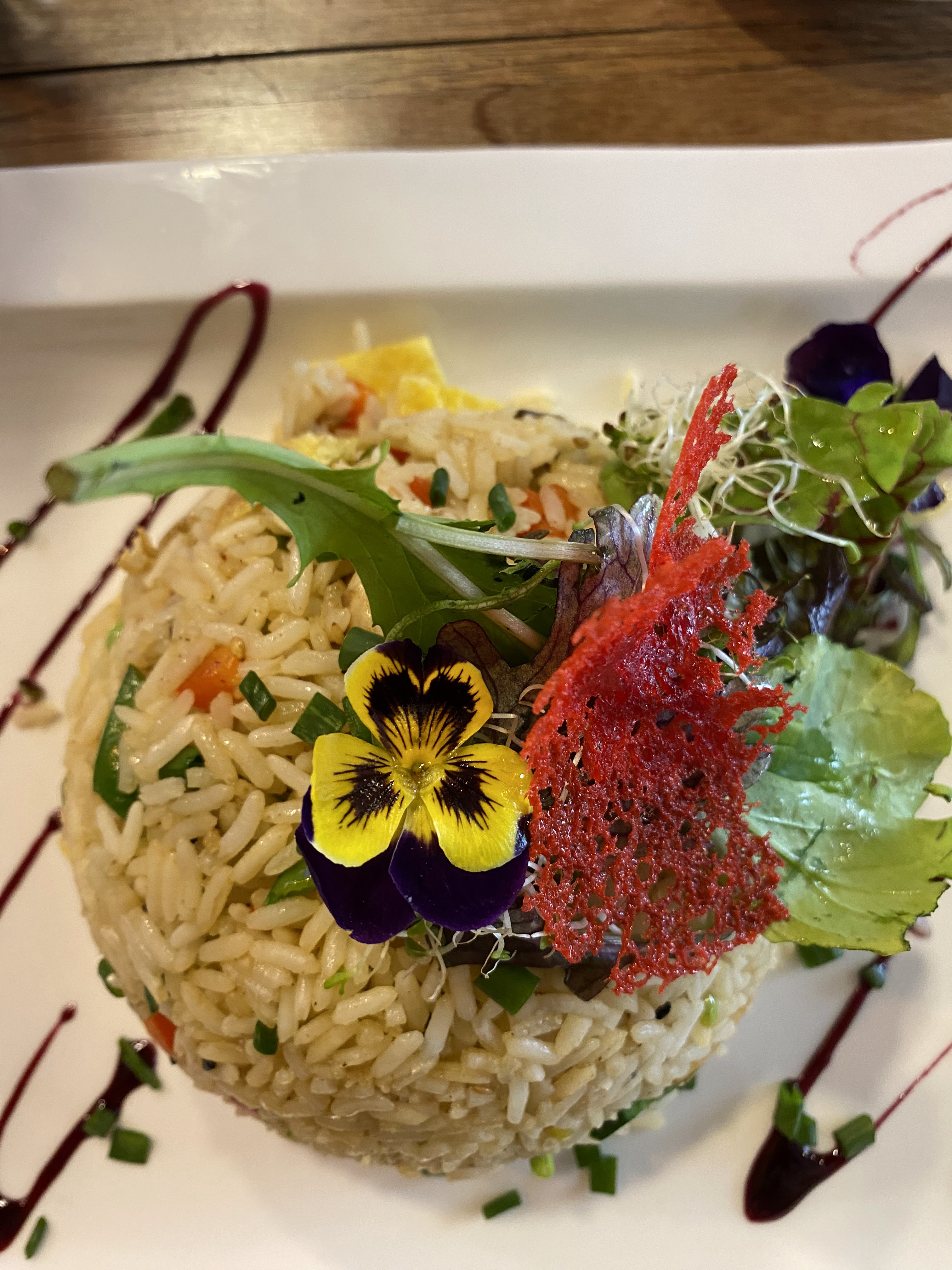
I also continued to have some great meals. Food in Peru appears to be celebrated and not only it is delicious but always presented very artfully. My favorite meal was Canelones Andinos. I am inspired to incorporate some Peruvian-style cooking into my own repertoire!

Peru after Machu Picchu

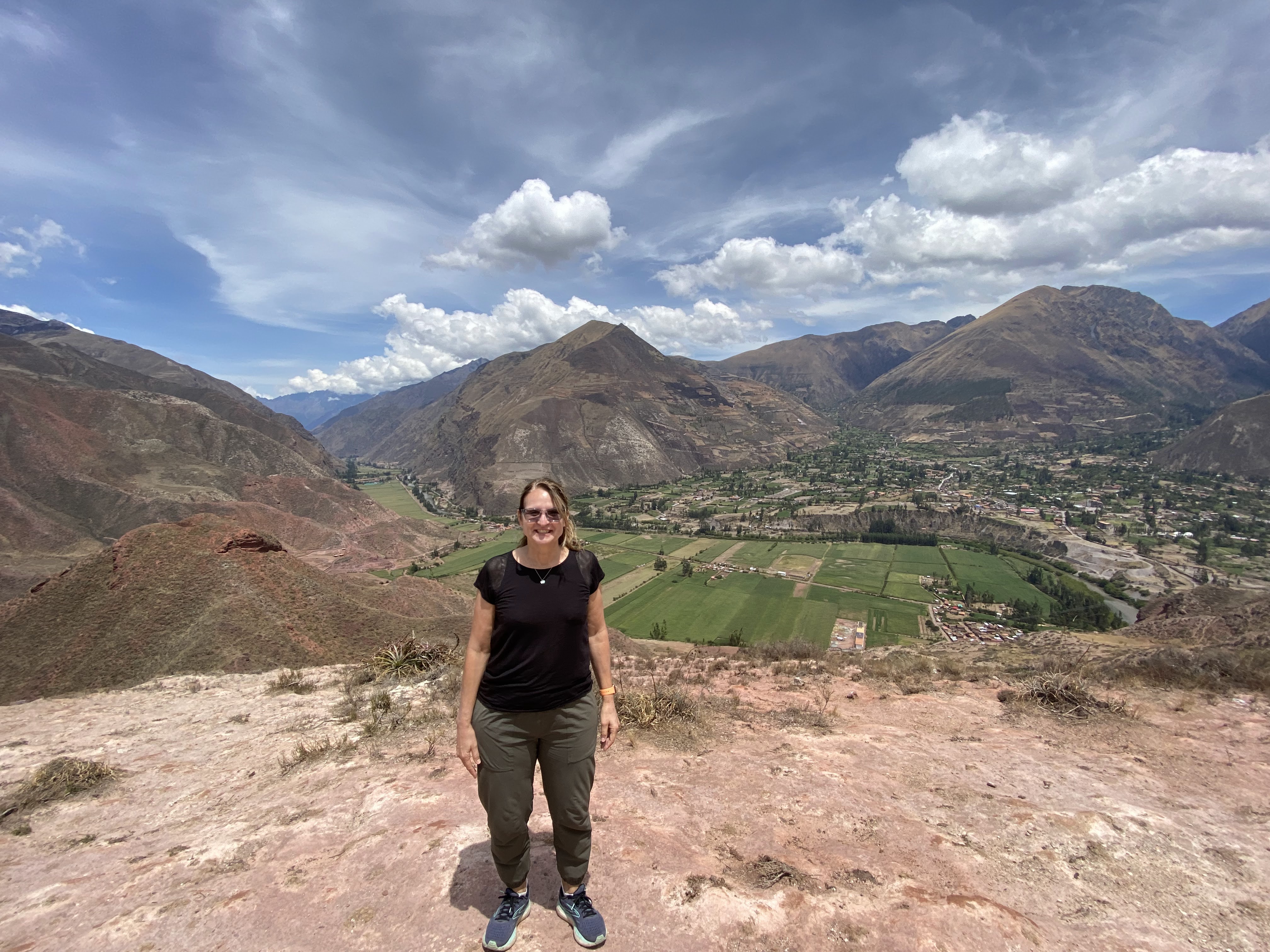
After the amazing revelation of Machu Picchu, you would think it’s time to go home…what could top that after all??!! In reality probably not much but I actually had another week in Peru! Because I missed my tour earlier in the week due to altitude sickness (which I was still fighting), I hired a guide to take me through the Sacred Valley…and Sacred it is! It is stunningly beautiful with the variations of soil colors, the surrounding mountains and overall lushness.

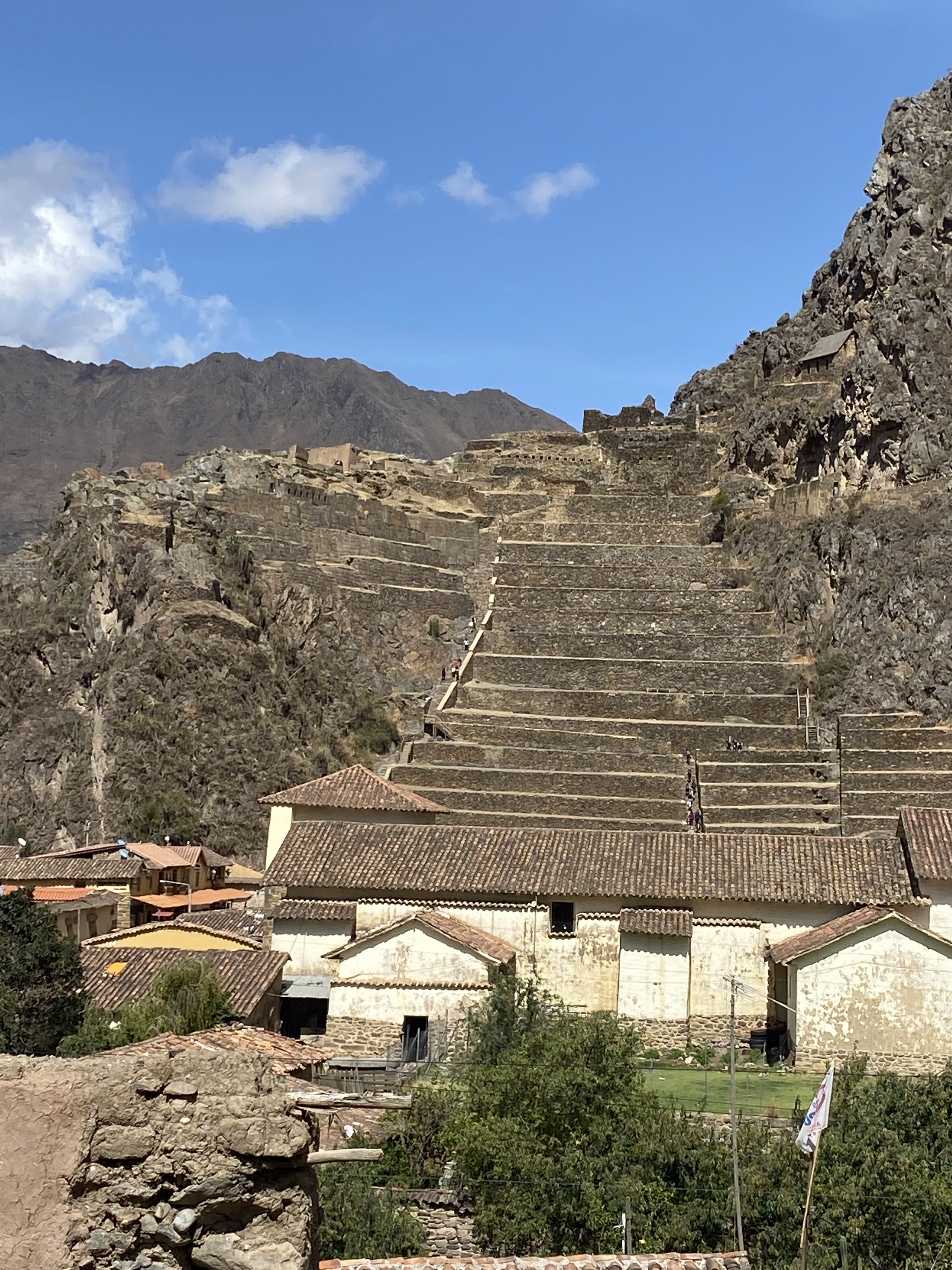
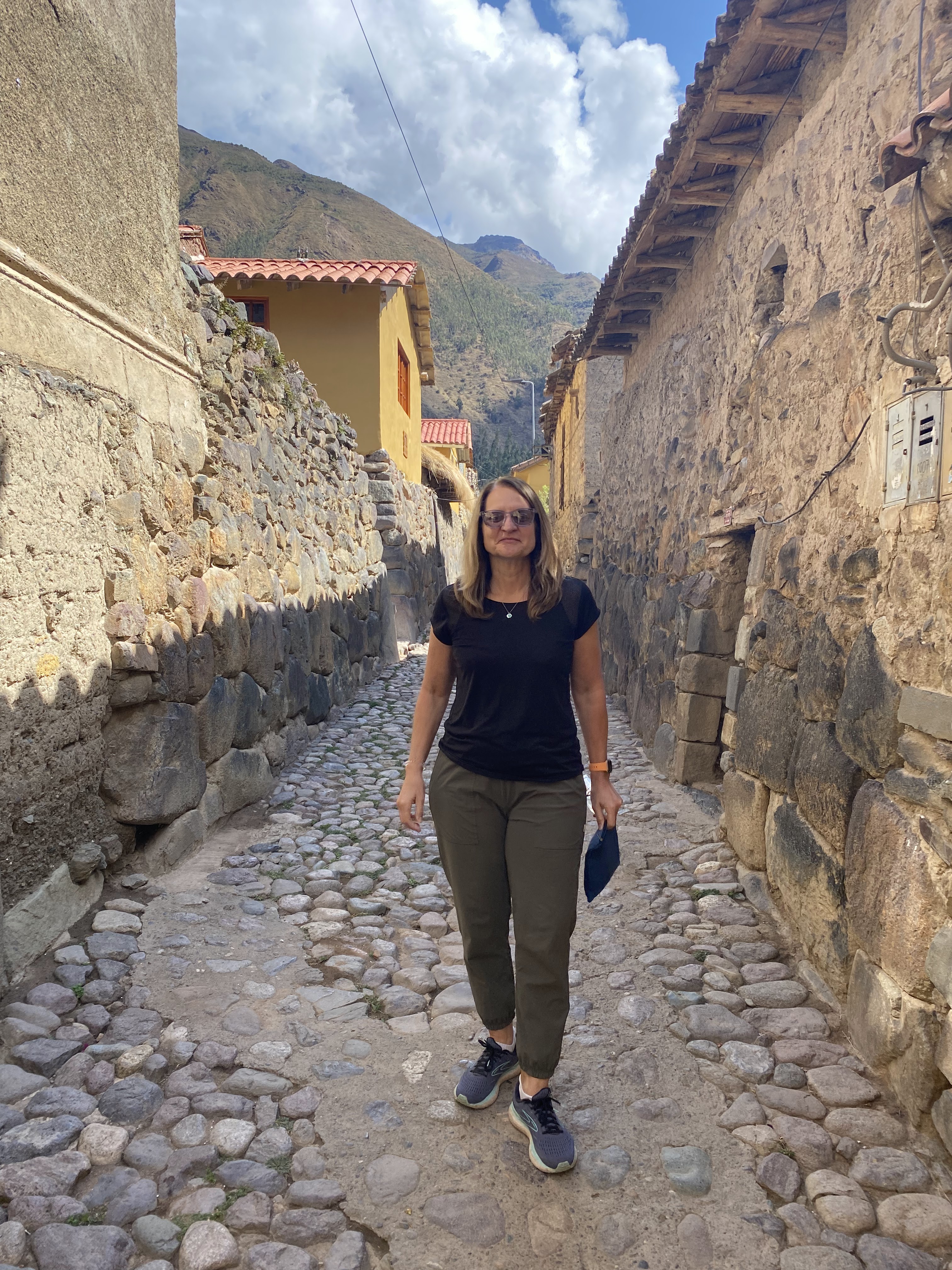
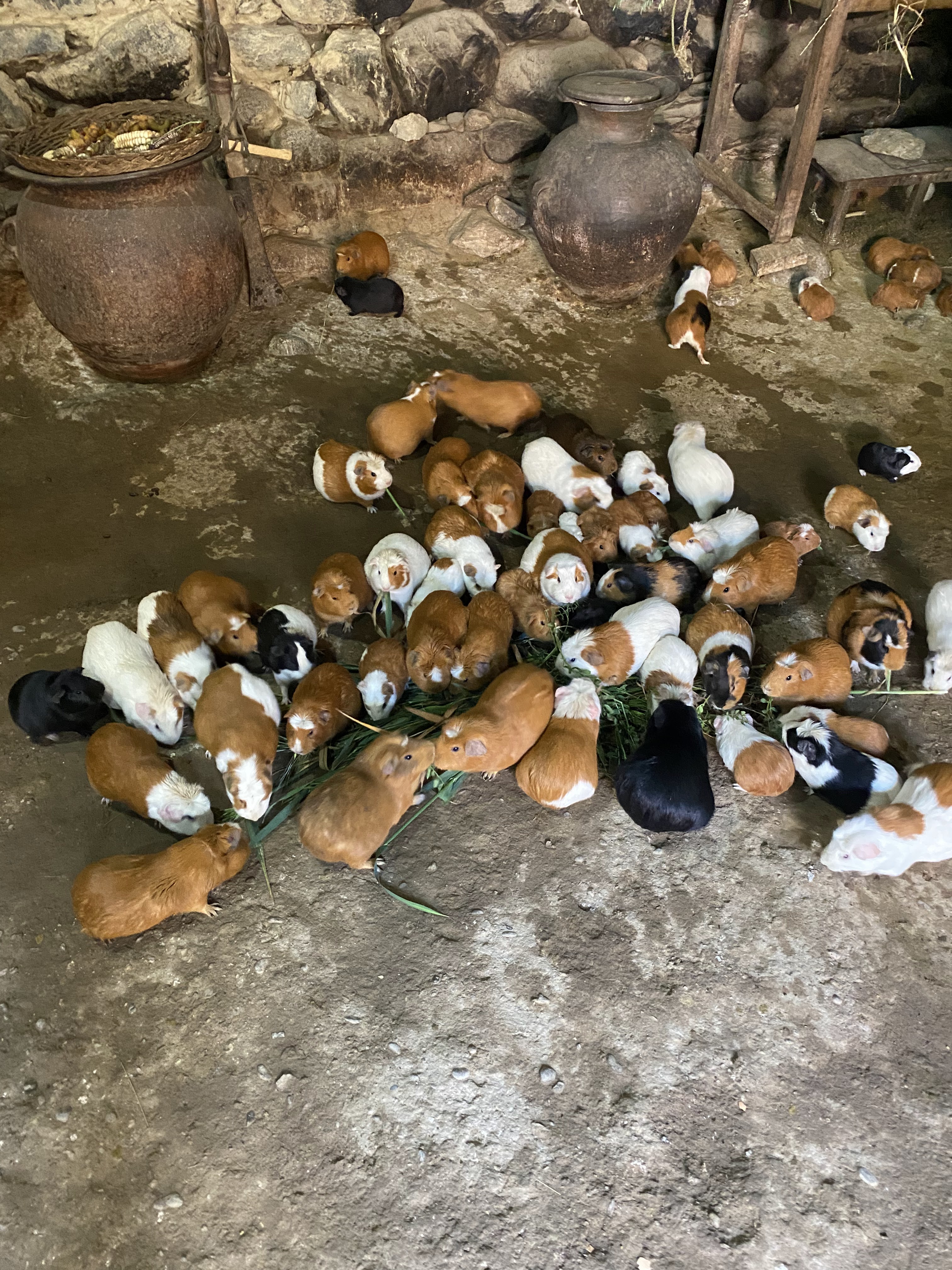
I first visited Ollantaytambo and wandered the tiny stone streets that existed since pre-Incan days. I got to see a typical original home where dirt floors, no electricity or plumbing and lots of guinea pigs existed as pets until it was time to eat them! Ollantaytambo is another spectacular Incan site. Again it was perched on the side of a mountain, which the Incans made accommodations for as they determined where there crops should be grown.

I then headed to Moray. This was a very interesting agricultural testing ground and the concentric circle design was very cool. Then onto Maras. The town of Maras is similar to being in Italy or Portugal…quaint stone homes on clean streets and it actually had lots of character. I learned that 500 families own the salt flats and they work it like a cooperative. They work the salt flats six months of the year and then farm the remaining six months of the year.

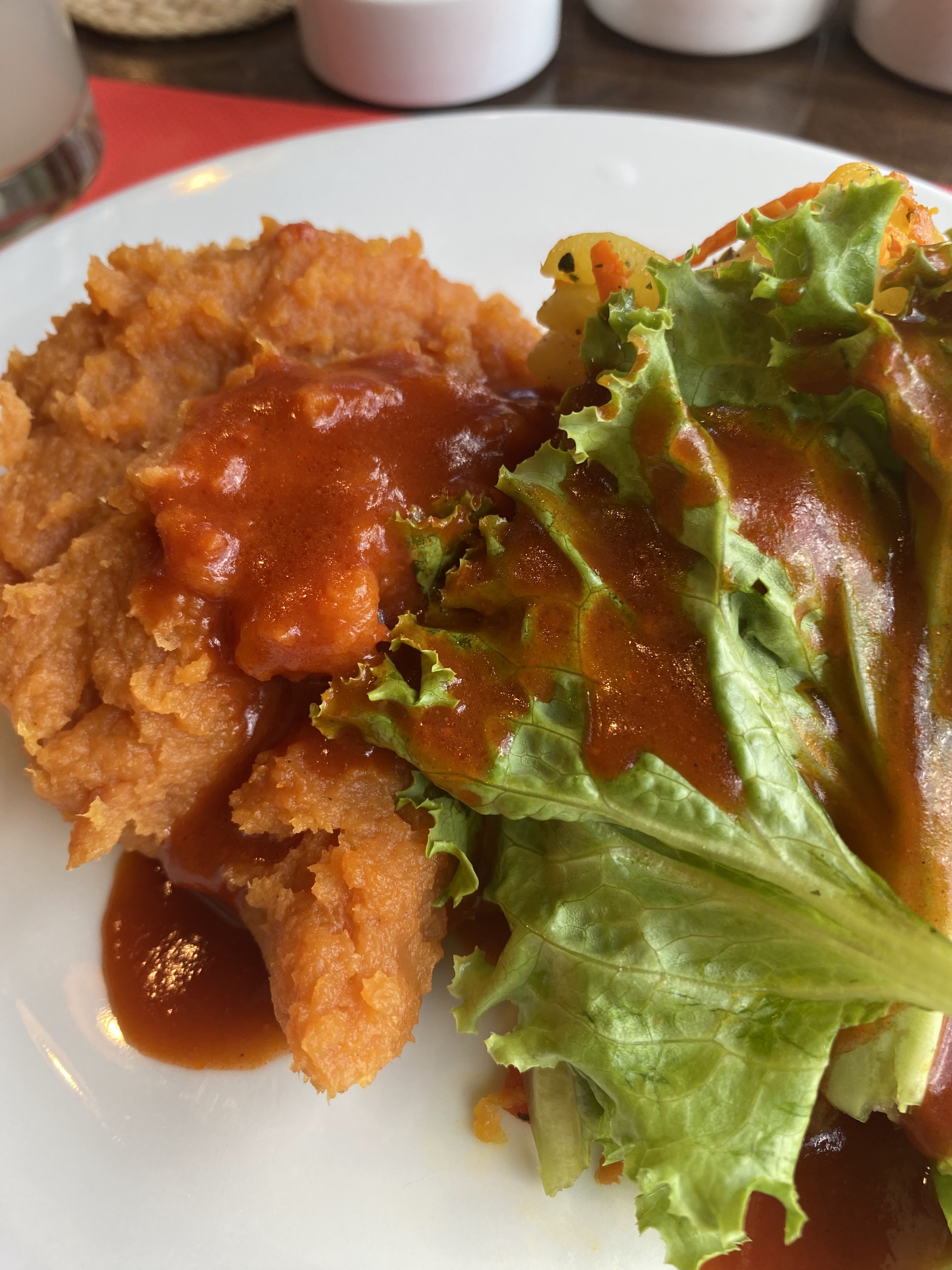
We then trekked to Chinchero for a preplanned lunch. I think being vegetarian is perplexing for the guides and restaurants. I was given a salad and a sweet potato puree and a very sweet chocolate cake. It was fine but my guides licked their meat-laden plates clean!

This day was supposed to include a waterfall hike but my head just couldn’t imagine doing anything strenuous so, instead, I asked the taxi to head back to Cusco, an hour and a half scenic drive. It was a great day overall.