This was an amazing 8+ mile hike I did during Labor Day. Lakes, mountains and scenic vistas galore on this amazing, albeit busy, hike!
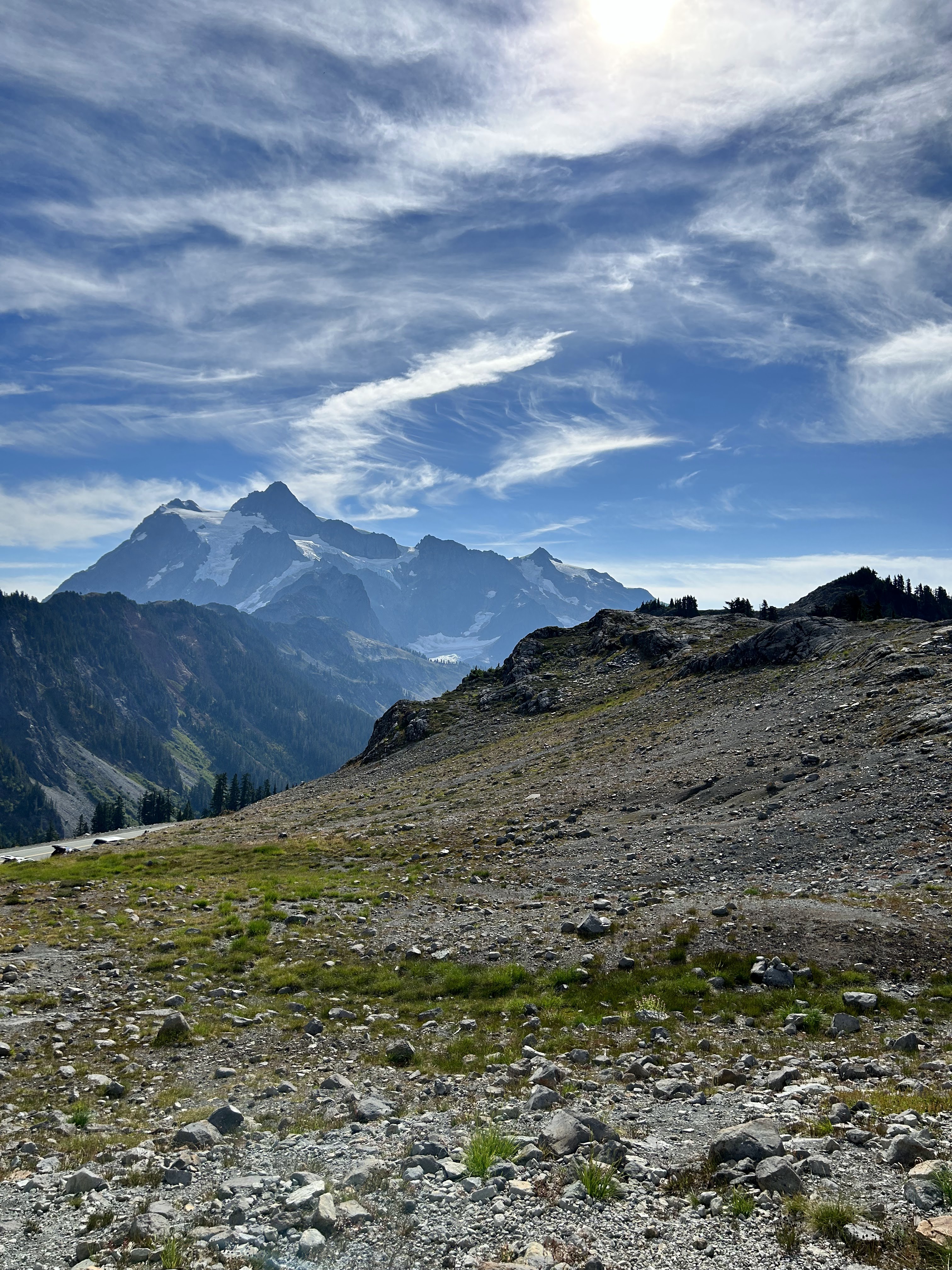

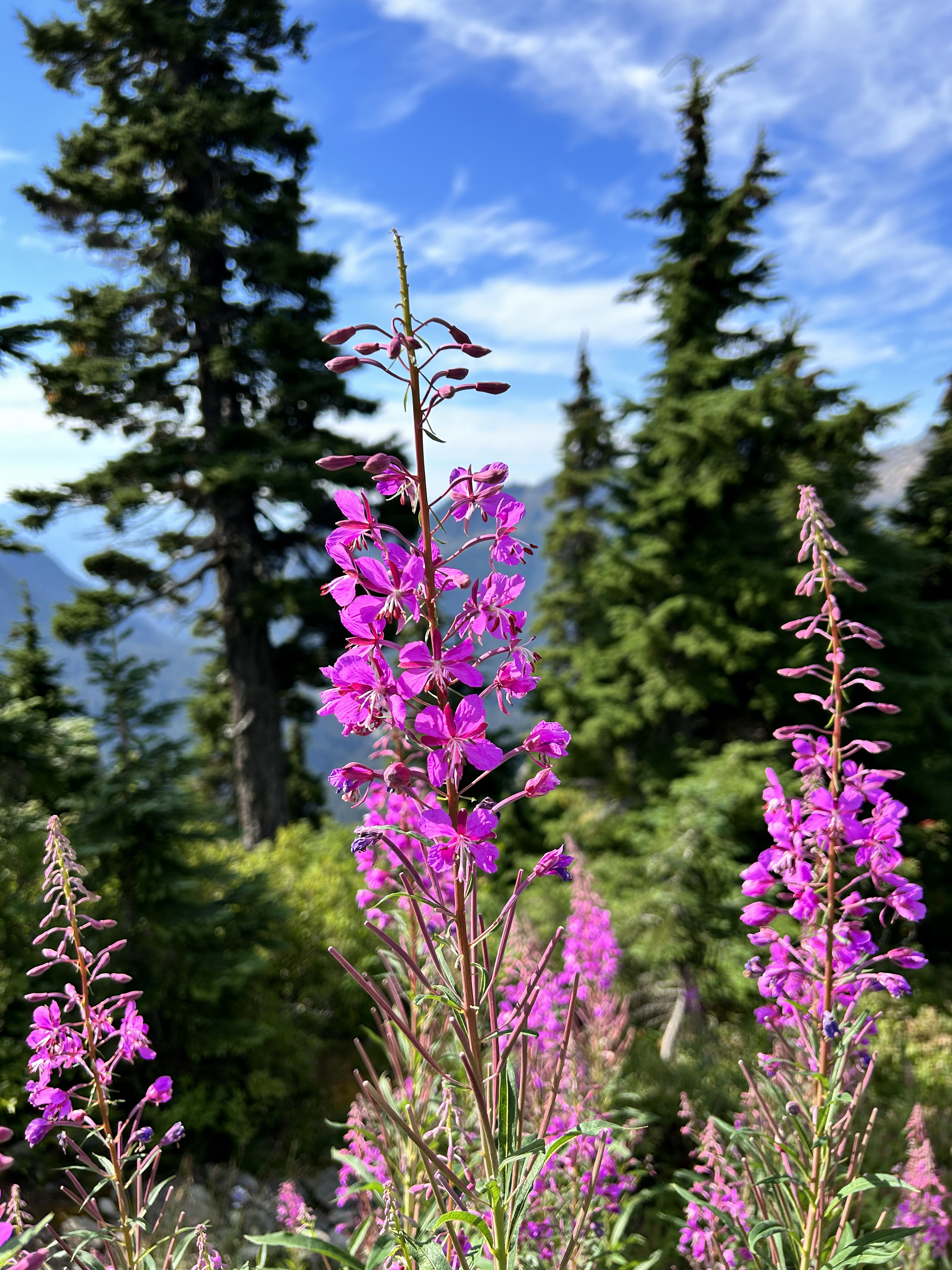
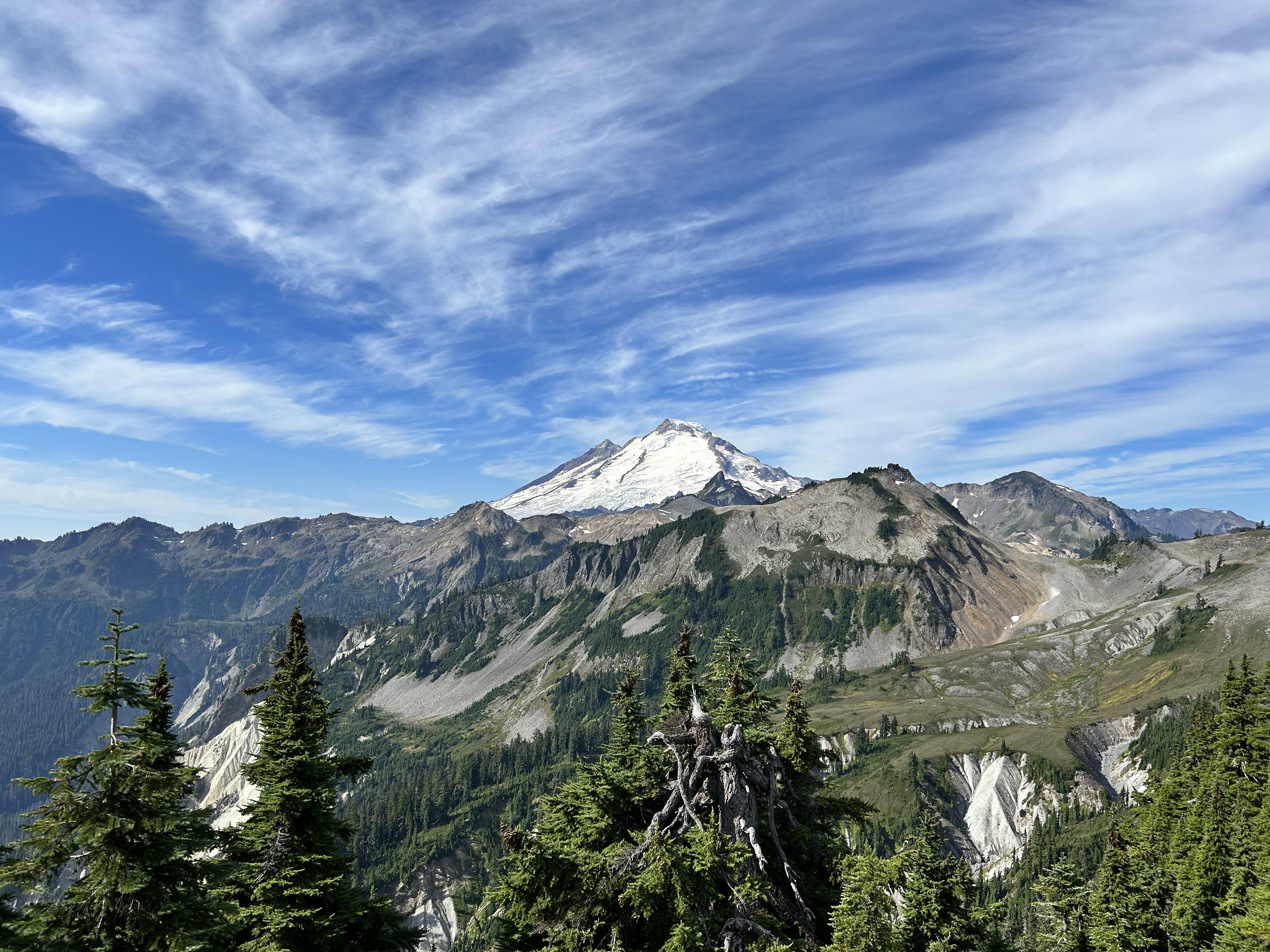
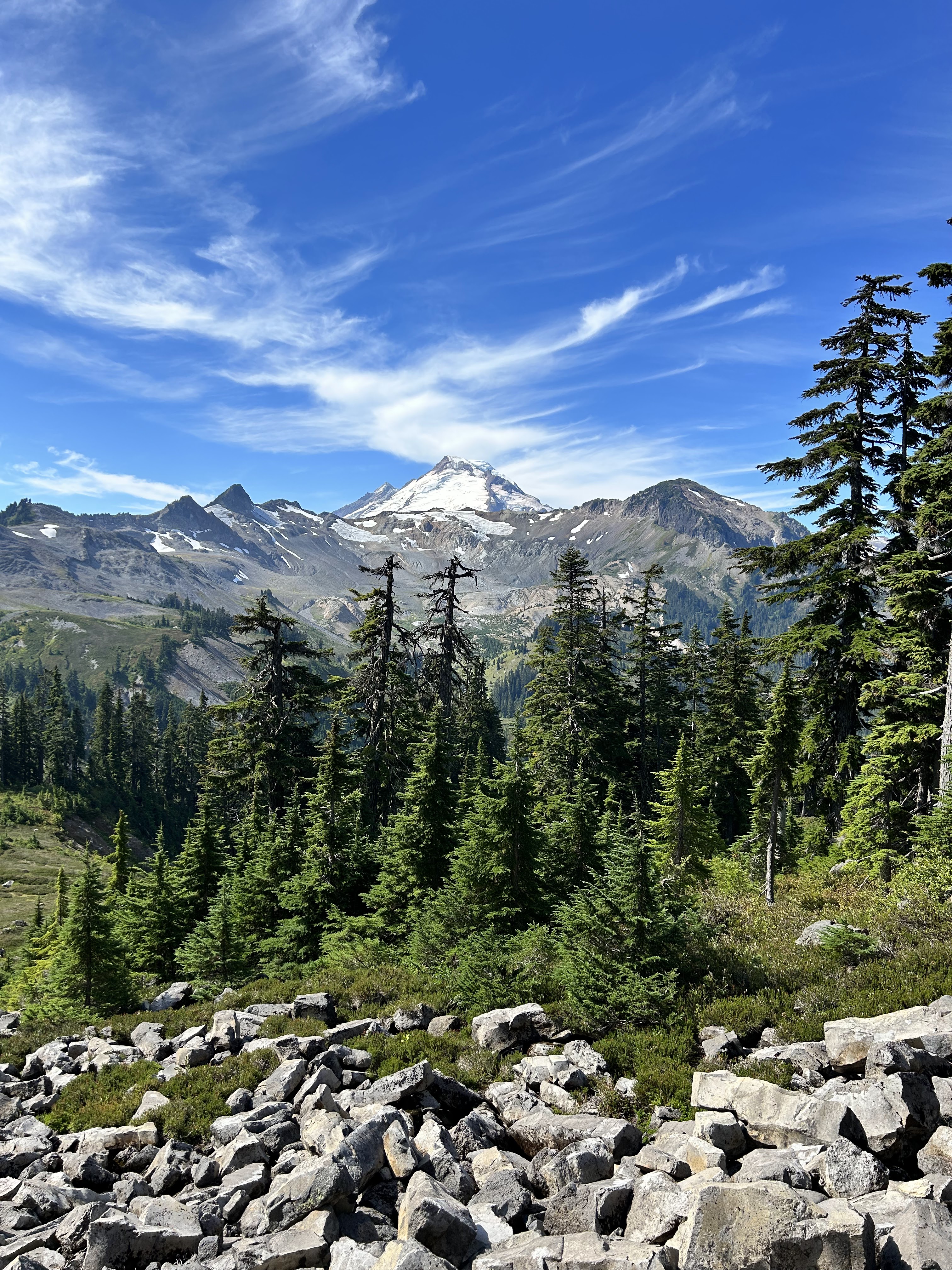


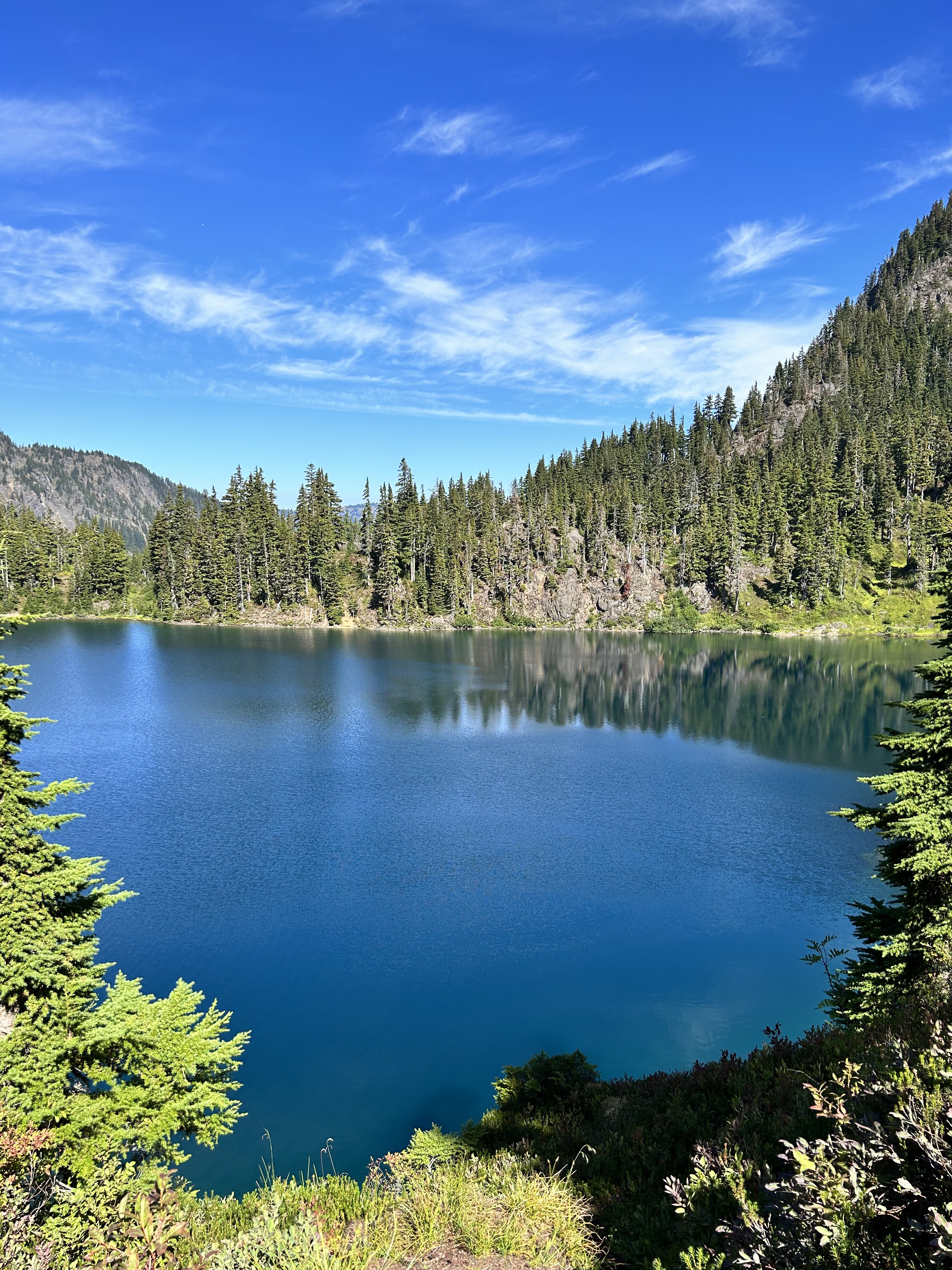
This was an amazing 8+ mile hike I did during Labor Day. Lakes, mountains and scenic vistas galore on this amazing, albeit busy, hike!
I love learning new things and certainly have spent the last several years reading, watching and listening to anything I can get my hands on about diversity, equity, inclusion, bias and belonging. So I recently picked up, “Say the Right Thing” by Kenji Yoshino and David Glasgow. The premise of the book is to learn how to talk about identity, diversity and justice.
The authors suggest a framework called A.D.D.A. which stands for avoid, deflect, deny and attack. The authors contend these are conversational traps that one needs to be aware of and prepare for as one tries to have conversations around identity, diversity and justice issues. I thought this framework really did capture how conversations derail, sometimes before they even start!
One line in the book really captured the issue for me:
As excruciating as it can feel to have conversation about identity, it’s important to remember people from nondominant groups have always experienced emotional turmoil in these dialogues from being ignored, mocked, tone policed, or subjected to retaliation. When you find yourself wondering, “Why am I so uncomfortable? You might instead ask, “Why have I been comfortable until now?” You might then hear the answer: “I’ve been comfortable because until today, the other person has carried all the discomfort on their own.”
The authors suggest some strategies to deal with the emotional discomfort of these types of conversations such as a growth mindset by treating mistakes as opportunities to learn, self-affirm by reminding yourself what is most important and right-size feedback by remembering claims about privilege are often not as extreme as you perceive them. Reframing the situation can make you more open to the conversation in an objective way.
There are lots of helpful nuggets in this book. The authors share stories, examples and suggestions. One of the ending notes I think was helpful, “Don’t ignore people’s group identity, but also don’t reduce them to their group identity.” And finally, educate yourself! It is your responsibility to do so. Be curious, humble and ask for help but don’t expect someone else to educate you. Check out this book and let me know what you learned.
Next week, I am co-presenting a session to a group of women new in their careers. Our topic is how obstacles can hinder women’s careers in the workplace. We all know bias exists and it certainly is a challenge for women…all women. I have witnessed it. I have experienced it. And I don’t want my daughters (or any other woman) to have to deal with it.
I have created some pre-work to set the stage for the face-to-face training, which I have shared below.
Individual Reflection:
1. What is my first memory of seeing or experiencing someone different from me?
2. When was there a time in my life that I felt different from others?
3. How did you deal with the situations above?
Read This:
Bias Holds Women Back (forbes.com)
Individual Reflection:
1. What was your reaction to this article?
2. Have you ever experienced or witnessed any of the bias the article discusses?
3. How did you deal with the situations above?
During the live session, we will walk through what bias looks like, how we all have bias and some things we can do when we see or experience bias. I know that women new in their careers might not be willing to speak up, but my hope is to share some tools that will help them address bias in a thoughtful, intentional, empowering way.
I had such a great time being interviewed by Michael Hingson from Unstoppable Mindset. We spoke about a variety of topics. Driving the conversation and taking a proactive role is the crux of my conversation. Michael has such an interesting story and perspective, himself. Listen on and contact me with questions, comments and feedback!
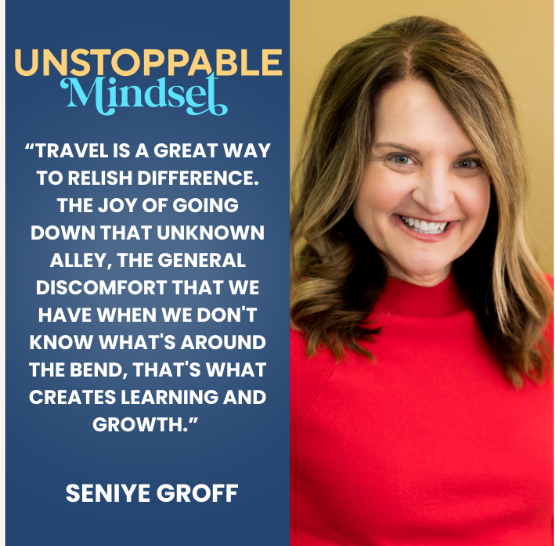
“It’s easy to stand with a crowd. It takes courage to stand alone.” Mahatma Gandi
Besides my consulting work, I have signed on for two speaking engagements in April. One session is focused on early career women and how to overcome barriers in their careers. The second presentation is an HR/Benefits one day conference. I will be presenting on how to jumpstart DEI efforts at organizations. This audience is mainly HR and CFO folks.
I love presenting, sharing ideas and hearing stories from audiences. For the barriers presentation, this article provides a nice overview and some much-needed pre-work for audience self-reflection. I think back to my career and how I put up with so much “wrong” stuff early in my career due to fear, lack of knowledge on what to do and just overall naivete. Even in present day, the barriers are pretty much the same…women hold little power and are subject to so much bias. And then couple that with being a women within another marginalized group and imagine the obstacles, doubled or tripled!
I remember being told that you must “ask for what you want” yet even as recent as five years ago, when I did that, I was told, “Leadership will decide when you are ready…not you.” Unbelievable and yet, as women, we are forced to comply or start over. In this example, it was the beginning of me realizing exactly the environment I was working in and fortunately, I had options so didn’t need to stay.
But most women don’t have options or fear sticking their neck out and saying something. How do we teach women to move beyond this fear? First, we talk openly about it! If we normalize behavior that holds women back is acceptable, it will continue. I think we also need to make women aware of bias and what it looks like and actions they can take against it.
Bias “is a human trait resulting from our tendency and need to classify individuals into categories as we strive to quickly process information and make sense of the world.” There are two types of bias:
Explicit cognitive bias includes overt racism and racist comments; “individuals are aware of their prejudices and attitudes toward certain groups.”
Implicit cognitive bias “involves all of the subconscious feelings, perceptions, attitudes, and stereotypes that have developed as a result of prior influences and imprints.” Implicit cognitive bias “involves all of the subconscious feelings, perceptions, attitudes, and stereotypes that have developed as a result of prior influences and imprints.” Implicit cognitive bias involves “automatic, unconscious mental processes based on implicit attitudes or implicit stereotypes that are formed by one’s life experience and lurk behind the surface of the conscious.” Implicit biases are necessary for us to survive since our brains cannot possibly process every piece of information coming at it in real time for us to make decisions. Our brains learn to categorize similar things so we can react. EVERYONE has Implicit Bias. A preference for a group (positive or negative) often operating outside our awareness and based on stereotypes and attitudes we hold that tend to develop early in life and tend to strengthen over time.
“Courage is resistance to fear, mastery of fear—not absence of fear.” Mark Twain
Individual Reflection:
1. What is my first memory of seeing or experiencing someone different from me?
2. When was there a time in my life that I felt different from others?
3. How did you deal with the situations above?
Bias
Conscious Bias
Unconscious Bias
Bias in Action
Bias effects
Q: When have you experienced or witnessed bias? What happened? What was done about it? What was the end result?
Who are you?
Or
Q: Which one are you? Provide an example.
Sources of your bias:
All of these create your identity. Your identity can be sources of positive and negative bias. Some of our identifiers cause us to be biased to others and others to be biased towards us.
Q: What is your identity? Note if any create bias towards others.
How to Disrupt Bias (within yourself)
Q: Think about who you connect with, hang out with, spend time with, ask advice from…do they look different or similar to you? Why?
Broaden your viewpoint by:
Take Action
Ways to Act with Courage
Q: What are specific ways you can act with courage as described above?
Your perspectives are incomplete. You are an expert on your identity…be willing to learn about others.
Types of Bias
Take action: What could we do differently?
Take action: What could we do differently?
Take action: What could we do differently?
Take action: What could we do differently?
Take action: What could we do differently?
Take action: What could we do differently?
“Courage is an inner resolution to go forward despite obstacles; cowardice is submissive surrender to circumstances.” Martin Luther King
Share your experiences and ideas…and what you can do differently.
Fear holds us back. Fear keeps us from welcoming difference. Fear also forces us out of our comfort zones. I think back on the most pivotal moments in my life and realize that fear held me back but also moved me forward. Some scenarios where fear moved me forward were:
-having a child
-leaving a job
-getting married
-traveling oversees the first time solo
-speaking up when no one else would
-getting divorced
-adopting a child
-saying “yes” to something that I had no idea how to do.
But I believe that if you keep doing things as you always do, things will be guaranteed to stay the same and do we really want a life of sameness??!! Yes there is an inherent risk to pushing your boundaries because you are being pushed into the unknown…and often the outcome turns out to be better than I could have possibly imagined. Hard…yes. Painful…sometimes. But ultimately…better. We have to believe that or we would never move forward and evolve.


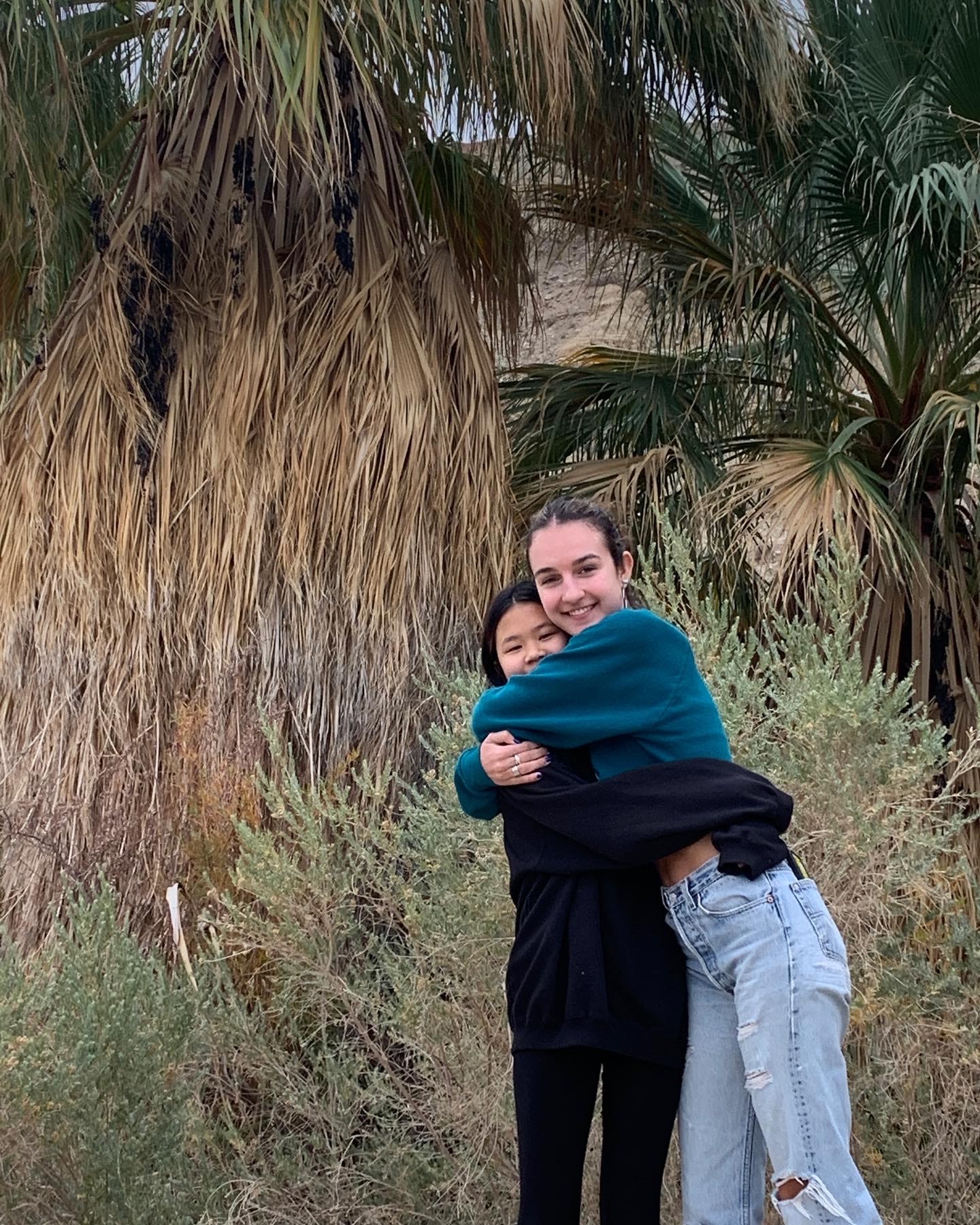

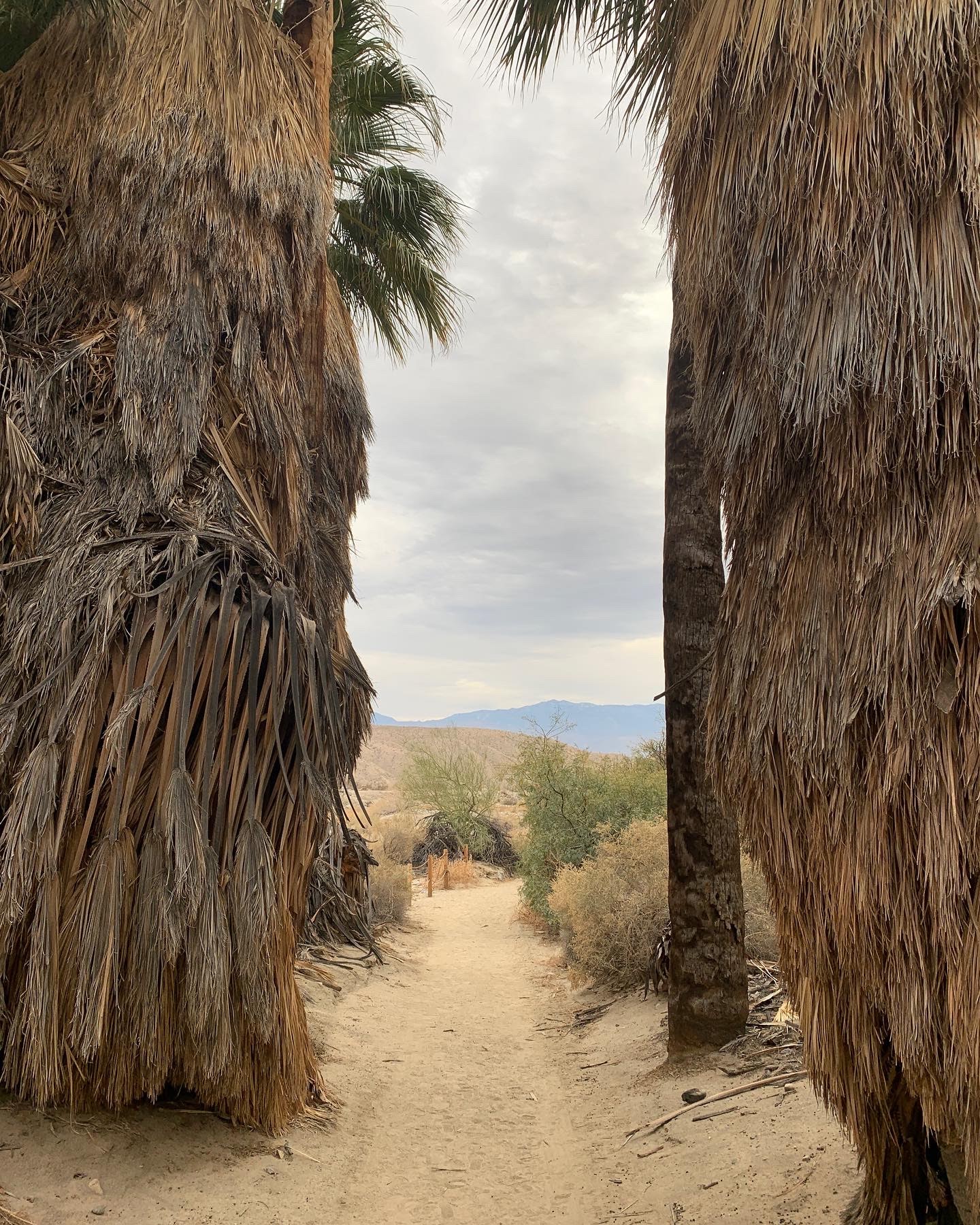

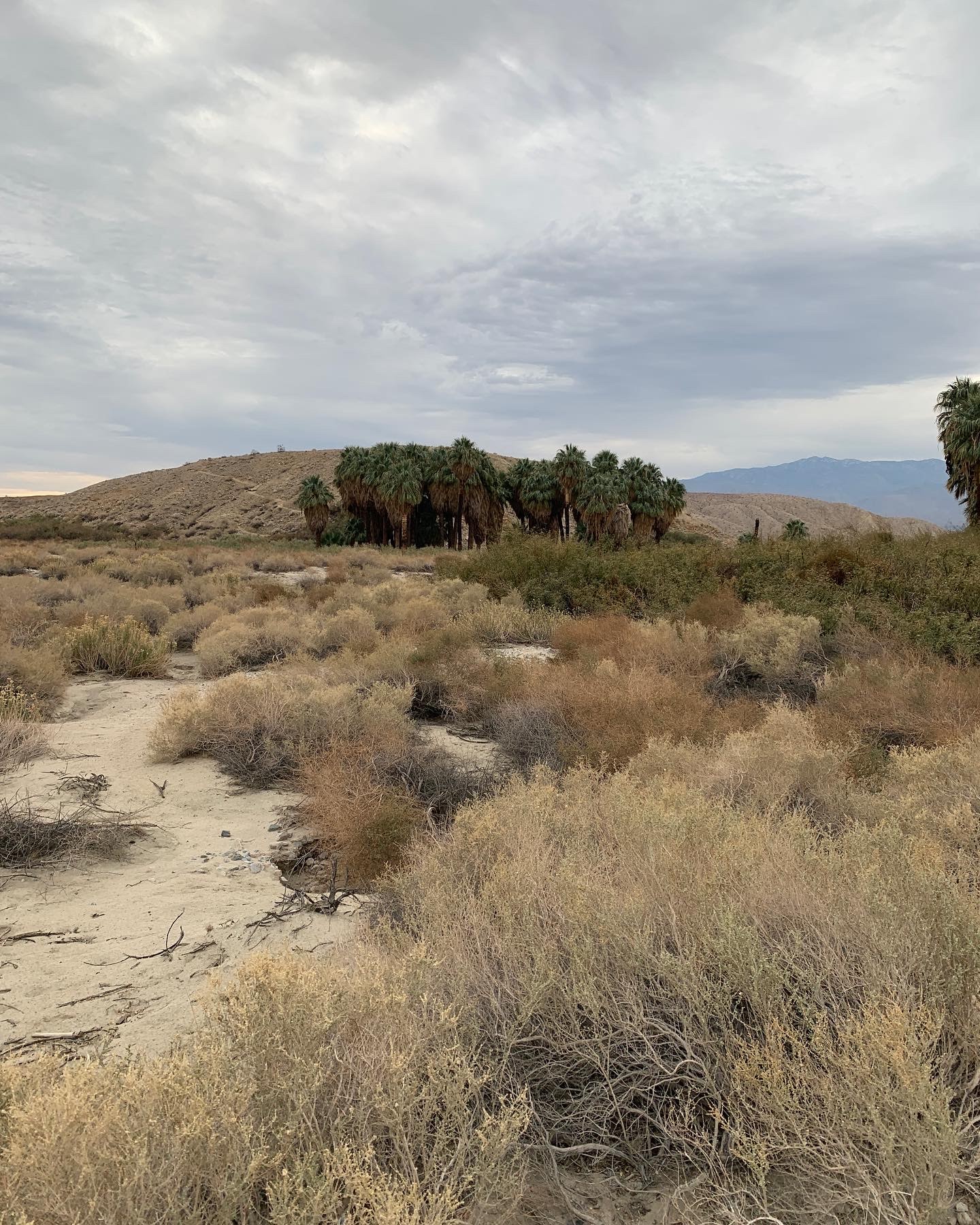
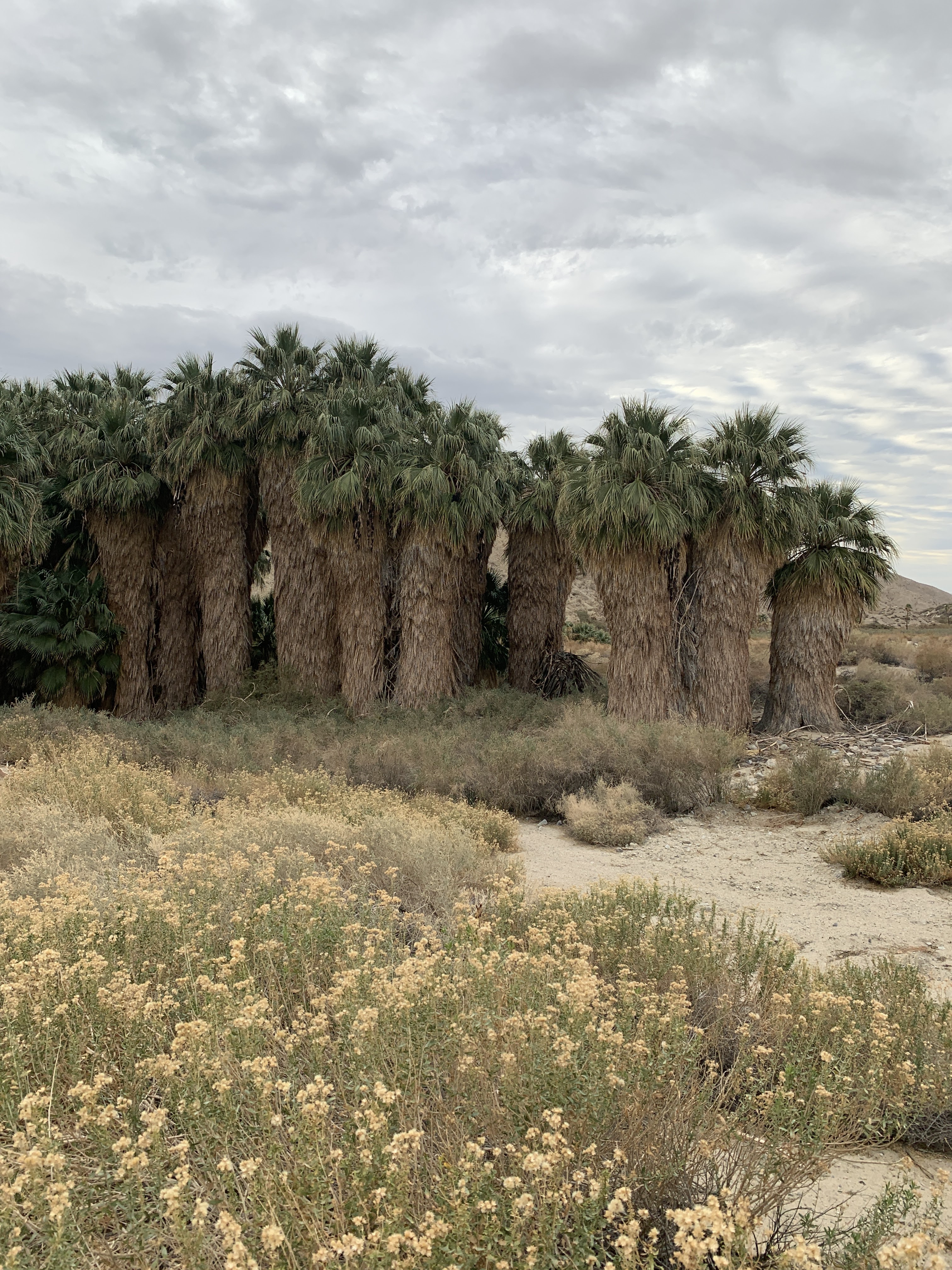

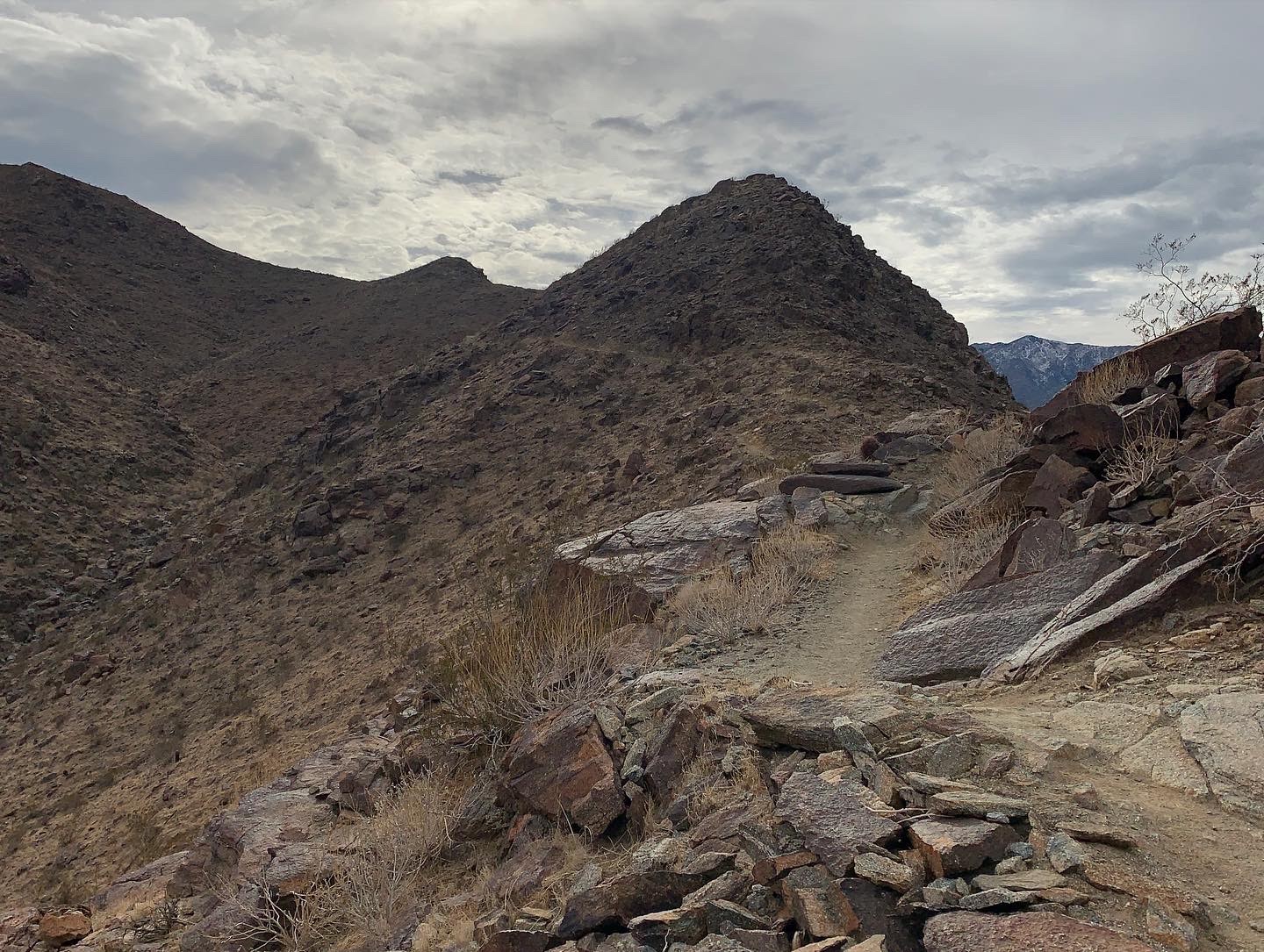

Cold nights and semi-warm days is Palm Springs in December. This trip was the fifth December trip to Palm Springs and I was able to get out and hike, which was great. Managed four hikes including the Coachella Valley Preserve, which although in the middle of nowhere, was fascinating. It sits on the San Andreas fault line and the water that seeps through the earth creates enough water for these palm trees to grow in the middle of the sandy desert.
On the complete opposite spectrum from Japan is Vietnam. This was my second trip to Vietnam. My first trip was ten years ago and I only visited Hanoi. This trip I visited Hanoi, Da Nang, Hue, Hoi An and Ho Chi Minh City. Covering so much of Vietnam meant a lot of plane rides as the roads make for slow travel in Vietnam.
Vietnam is chaotic, noisy and unorganized. Although I noticed a lot more cars this time around, the motor bikes (and their honking) are ever present. Crossing the road is an act of death-defying activity. People use their horns as a second language. But at the same time, their is a warmness to the country that makes the visit worthwhile.
Hanoi’s Old Quarter is vastly different from HCMC’s wide boulevards and colonial architecture. I liked HCMC right away (if only because it was so different from Hanoi). Hoi An was a little slower and amazingly well preserved given how old the town is. Vietnam’s craftsmanship is evident in both Hanoi and Hoi An. There is beautiful clothing, leather and wood items. Life happens on the streets and a “restaurant” can be set up on pretty much any sidewalk. It is amazing how anything and everything can be done on a motorbike, including a mid-day nap!
I felt like Vietnam is at a crossroad. There is evidence of lots of development and the presence of more cars means wealth is being built (at least for some). But there is still a lot of poverty and the need for infrastructure. I do hope that Vietnam moving into modern times will not ruin the beauty of the country.


I just returned from a fabulous trip in Japan and Vietnam. I am posting the two countries separately for easier reading. The two countries could not be further apart in experiences. Both countries are great and incredibly different. Japan is orderly, polite, clean and very interesting. I visited Tokyo, Kyoto and Osaka. The trains are super efficient (and very reasonably priced). They take their toilets pretty seriously (check out the photo of the control panel). And although Japan has a reputation for being very expensive it is pretty easy to eat on a budget and most tourist attractions are no cost. A week in Japan is certainly not enough time but was enough to whet my appetite for a return visit!


I had the good fortune to be in Albuquerque for work during the Balloon Fiesta. It was a beautiful event. The colorful balloons going up in the air with the blue sky as a backdrop was amazing. It doesn’t look like it in the pictures, but there were thousands of people on the field and it was pretty cool that you could talk to the balloonists and see everything up close.
 seniyegroff