This Chair Rocks by Ashton Applewhite

I challenge you to flip the script and believe that you are not OLD, instead you are experienced!  Ageism is stereotyping and discrimination on the basis of a person’s age. Influenced by social movements that were challenging racism and sexism, Dr. Robert Butler coined the word “ageism” in 1968. It is the last socially sanctioned prejudice.  With age comes experience; with youth comes experience.  Both are valuable.

We experience ageism any time someone assumes that we’re “too old” for something—a task, a haircut, a relationship—instead of finding out who we are and what we’re capable of. Or “too young;” ageism cuts both ways, although in a youth-oriented society older people bear the brunt of it.

Like racism and sexism, discrimination on the basis of age serves a social and economic purpose: to legitimize and sustain inequalities between groups. It’s not about how we look. It’s about how people in power assign meaning to how we look.

Stereotyping—the assumption that all members of a group are the same—underlies ageism (as it does all “isms”). Stereotyping is always a mistake, but especially when it comes to age, because the older we get, the more different from one another we become.

No one is born prejudiced, but attitudes about age—as well as race and gender—start to form in early childhood. Over a lifetime they harden into a set of truths: “just the way it is.” Unless we challenge ageist stereotypes—Old people are incompetent. Wrinkles are ugly. It’s sad to be old— we feel shame and embarrassment instead of taking pride in the accomplishment of aging. That’s internalized ageism.

Unless we confront the ageism in and around us, we lay the foundation for our own irrelevance and marginalization. The critical starting point is to acknowledge our own prejudices, because change requires awareness.

Working together we can:

  • Challenge ageism – in ourselves, social practices, policies, and institutions.
  • Create new language and models that embrace the full life journey.
  • Create new paradigms in society so that adults can participate fully consistent with their capabilities and ambitions at all stages of life.
  • Celebrate the contributions of older adults.
  • Create a more compassionate and interdependent society that supports the well-being of people of all ages.
  • Inspire and help develop cross-generational communities where people of all ages enjoy the gifts and capacities they have to offer.

Read Applewhite’s book to learn more.

The Reset Button

For the last six years I have been planning my “reset”. I moved a lot growing up and landed in Portland 30 years ago to take a promotion with Nike. Portland has been a fabulous place to “grow up” but I am ready for a change. The surprising thing is how to figure out where to go next. I created a spreadsheet with my seven most important criteria.

  • Accessible airport with lots of direct flights
  • Good climate
  • Available healthcare
  • Livability (cultural events, diversity)
  • Affordability (taxes, housing prices, living expenses)
  • Vibe (welcoming of outsiders, newcomers)
  • Safety and crime stats.

As I have visited locales and added places to assess, I have returned to my list of criteria over an over again. For example, when considering climate I have come to believe there is no “one” ideal place and perhaps two locations (a summer and a winter one) is more ideal. As far as affordability, what income is taxed and prevailing estate taxes are becoming more important but certainly not a deciding factor.

While looking at new, potential locations, I have also been working on my current location…getting my house ready to sell. I have been paring down my belongings and doing some maintenance on my house so that I am not left with a bunch to do at the eleventh hour.

Another consideration is my dog, Pete. I am not sure how easy it will be to travel with him. Ideally, I would like to travel oversees for a while and then determine my landing spot back in the U.S. There is a wealth of information and online groups on the web.

So my question to you: Where would you go if you were hitting the reset button?  Please add your ideas to the comments.  #makelifehappen 

The Current State of DEIB

For every headline you might read lately, it seems that DEIB is all but gone…under attack…wrong in so many ways. But I see just as many companies, people and organizations sticking with their DEIB initiatives. Most DEIB strategies are focused on doing the right thing not giving folks an “unfair” advantage like the media would like us to believe. Treating people with dignity and respect should never be out of style.

Dismantling racial structures means change and people typically don’t like change especially when they believe they are losing something. So let’s flip the script and focus on what people gain when change happens. It is also important to plan out the change management strategy that should be tied to any organizational pivot or evolution.

The first step in a change management plan is to build and maintain momentum. Have your team analyze stakeholders, evaluate the impact to the organization, determine how you will measure the change and of course, secure budget for the endeavor.

The second step is to engage your stakeholders. This step includes creating a communication plan for the end user so identify your audience and what is important to them. In addition to the communication plan, figure out the engagement strategy…and expect and plan for some bumps along the way.

The third step focuses on aligning the organization. Complete an organizational RACI (Responsible, Accountable, Consulted and Informed). Rewards and measurements should be considered here, too.

The fourth steps includes training and developing people. Consider the needed training strategy tied to roles and jobs, as well as, a coaching plan. Develop the needed materials, create the delivery schedule, determine how you will evaluate the training and then implement the training.

Finally in the fifth step of the process, monitor readiness and adoption of the organization. Define the metrics that will be used and create an assessment plan plus plenty of pulse checks. It is clearly evident that DEIB is very important to every organization (and the world) so upfront planning can help ensure that all the strategies and focus are set up for success and dissemination throughout the organization.

What have you done or experienced that helped your organization successfully implement their DEIB efforts?

Sharing some reading materials, too:

https://www.fastcompany.com/91247655/this-is-how-dei-will-change-in-2025

Happy 2025!

Almost everyone I know loves New Years Eve. Who couldn’t love the opportunity to hit the reset button?! And after some years, the reset button is a welcome reprieve. I suggest pausing for a moment, though, to consider the following:

  • What worked in the previous year that you should consider repeating?
  • What definitely didn’t work and so stopping immediately is wise?
  • What could be tweaked to get even better results?
  • What was too easy and therefore doing you no good?
  • What do you want to get better at, even if it is scary?
  • What did you learn? Both positive and negative.
  • How do you want to take care of yourself and others?

I am sure there are a million other questions I didn’t even think of, so what are your additions? Let me know.

The Anxious Generation by Jonathan Haidt

I recently finished reading Haidt’s, “The Anxious Generation”. I was curious about this book as I have struggled to help my teenager with their depression. I am fascinated how their older sister (six years apart) had such a different experience in her teenage years than my younger child. Haidt makes some compelling arguments supported with a ton of data and research. The book’s website also offers additional data and research.

Haidt gives some reasons for depression including:

  • Genes-predisposed to depression
  • Thought patterns (can be learned and unlearned)
  • Social and environmental conditions

But he contends that the biggest difference is how society is focused on a “phone-based childhood vs play- based childhood”. Essentially playing outside and with friends has been replaced with the virtual world. I have definitely seen this difference between my two kids. Another dramatic difference is how parents are overprotective in real life and under protected online.

Haidt explains that the prevailing wisdom of parents today is that kids need to be supervised constantly and parents should not let their kids roam independently like we did when we were children. There is no longer the mantra of “come home when it gets dark.” And laws are even in place to report parents that are seemingly being irresponsible by allowing their kids some freedom. Essentially we have created so many guardrails kids do not experience any hardship or failure which in turn prevents them from developing resilience and grit.

Our phone-based culture has created four harms:

  • #1: Social deprivation -kids are connected to everyone in the world and disconnected from the people around them.
  • #2: Sleep deprivation-there has been tons of research on how our devices disrupt our sleeping patterns.
  • #3: Attention fragmentation-notifications and disruptions happen constantly which leaves us with about five minutes to focus on any task or though before we are interrupted once again.
  • #4: Addiction- “The smartphone is the modern-day hypodermic needle delivering digital dopamine 24/7 for the wired generation”.

This book, its message and all the thorough research really resonated with me. I do agree with Haidt that if we as a society do not address the negative effects of social media and the virtual world, we will create a very different, fragmented world that what we have enjoyed thus far. Certainly putting down the phones, getting out in nature and making more time for real play for our kids can make a difference if we all lean in and make it happen.

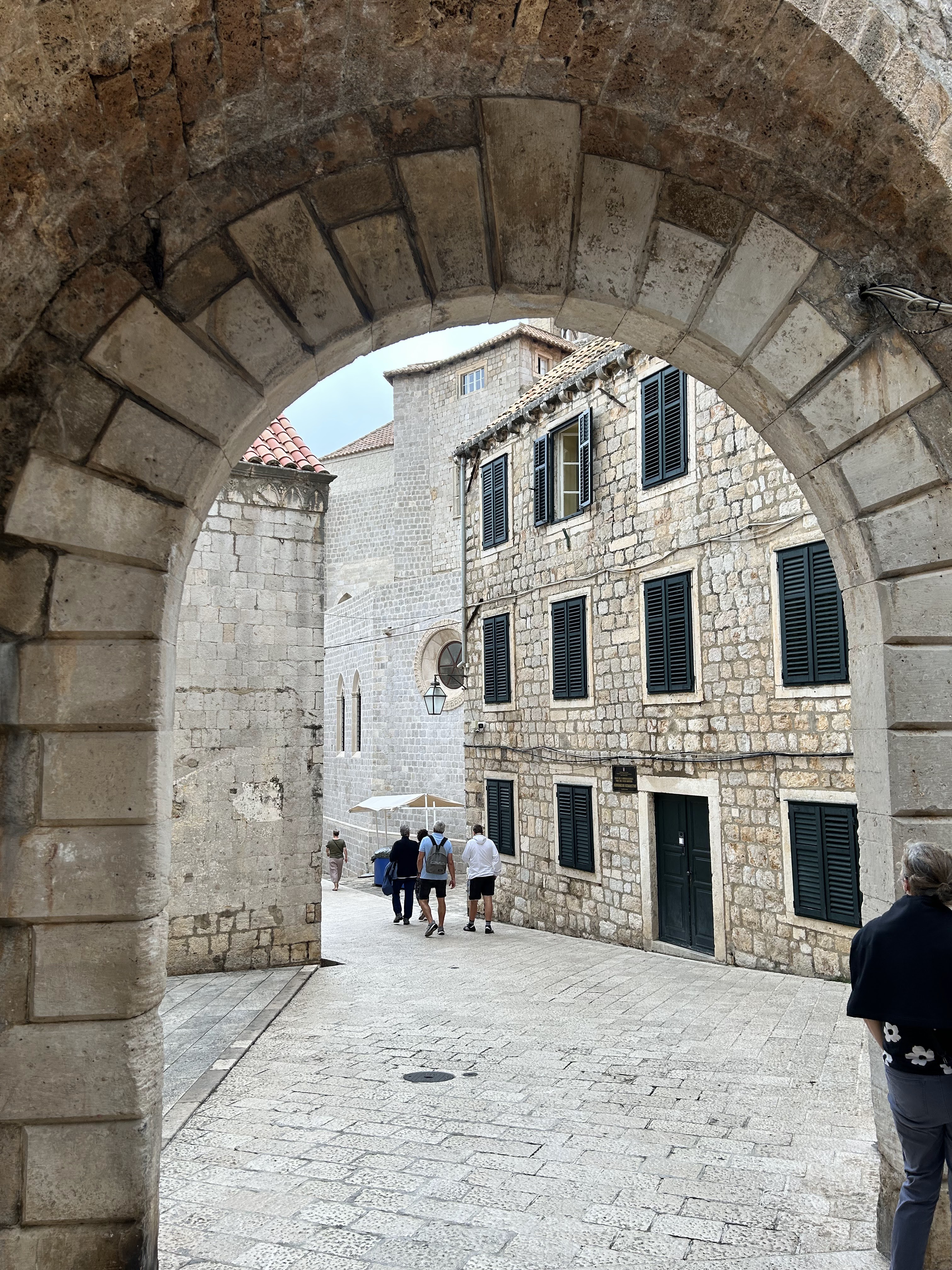
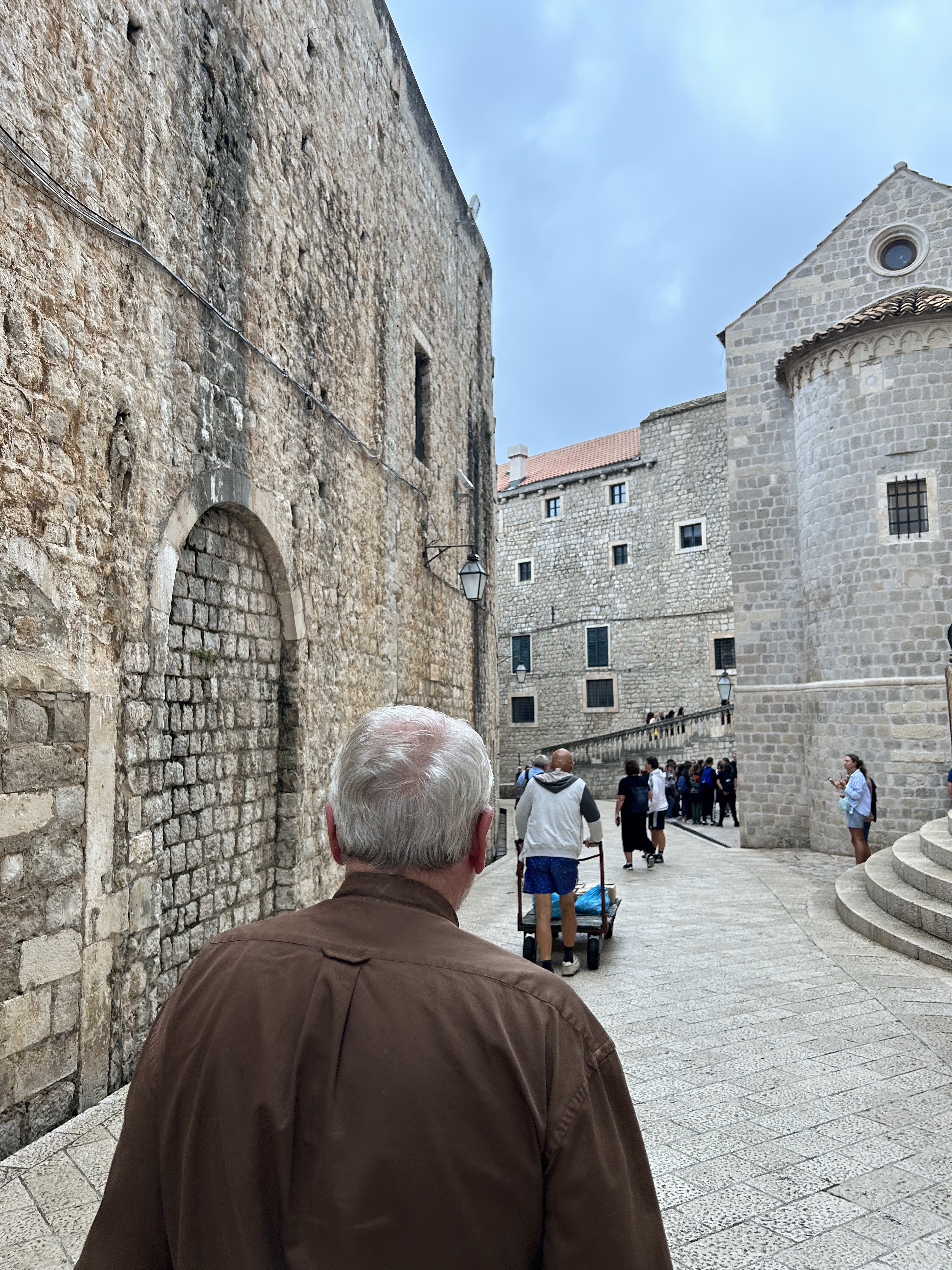
Last Day in Dubrovnik

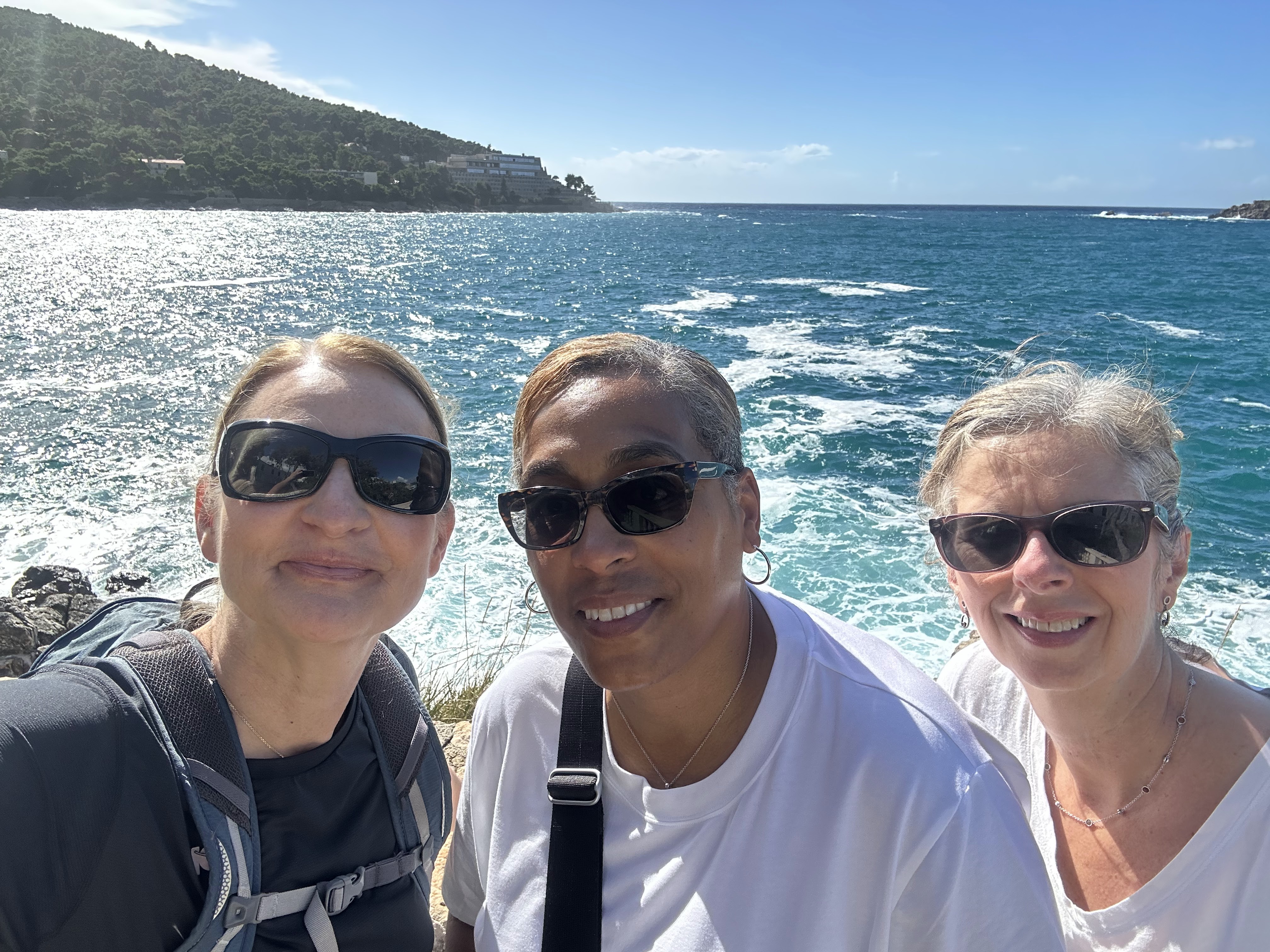
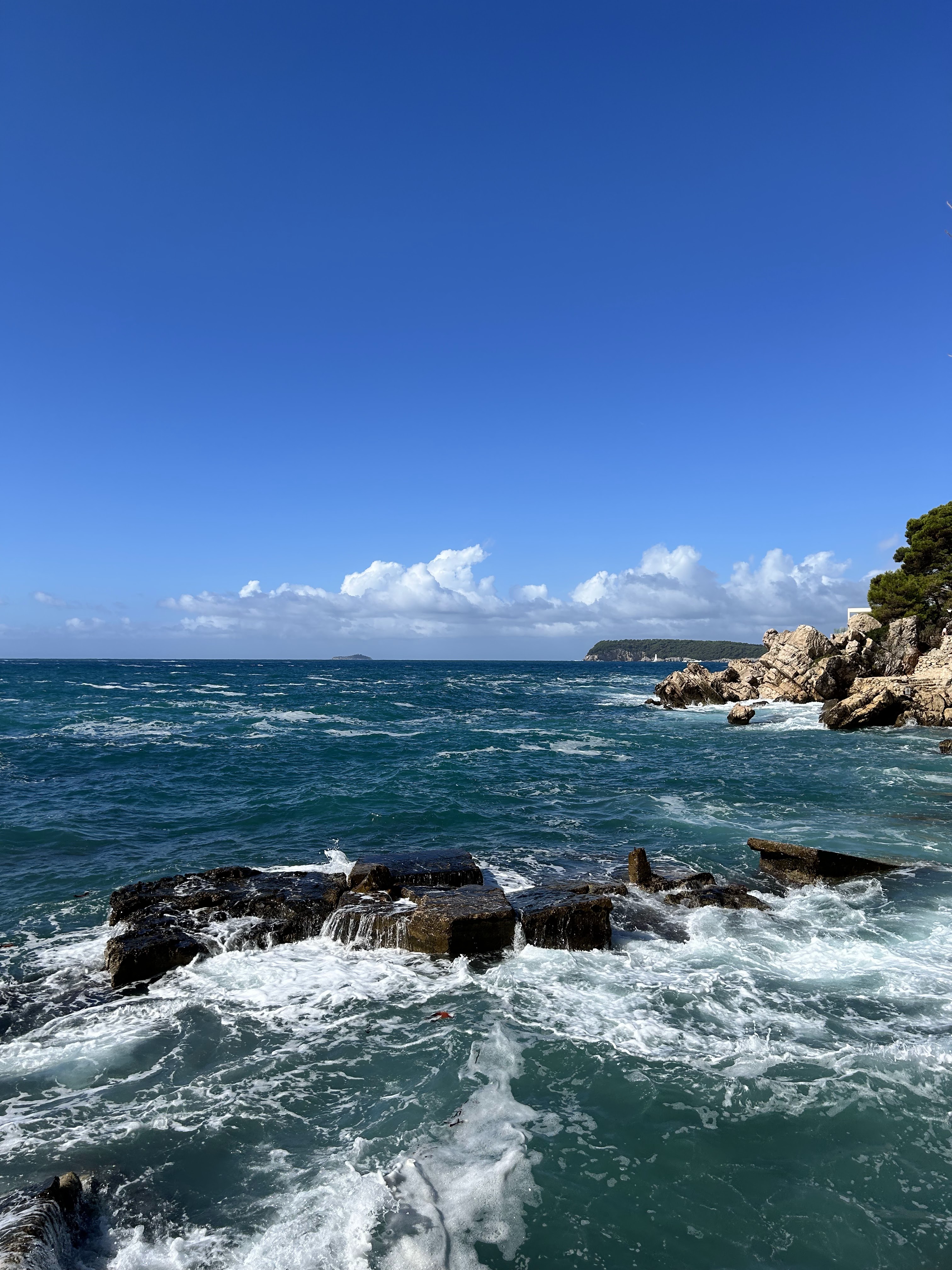
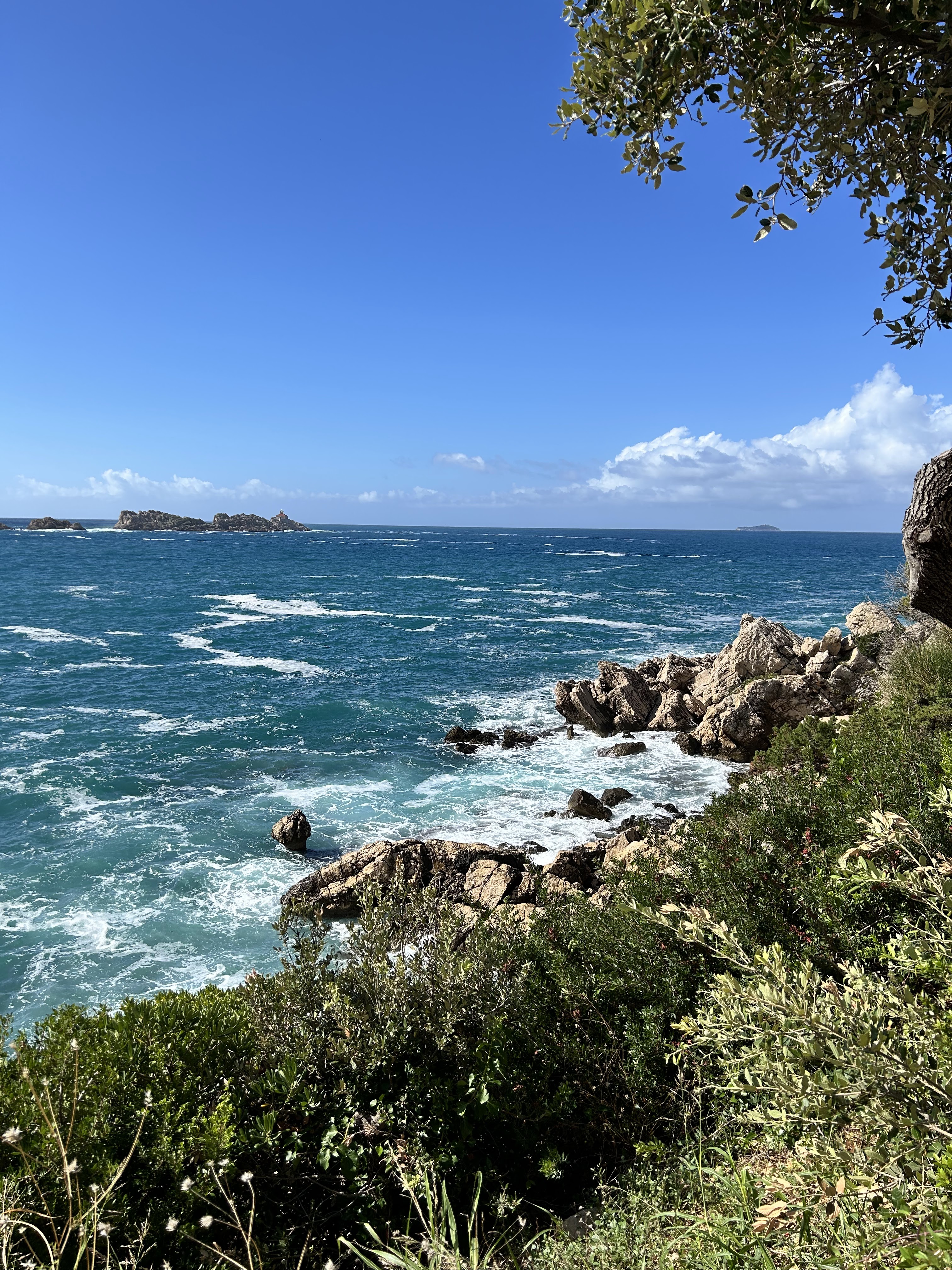
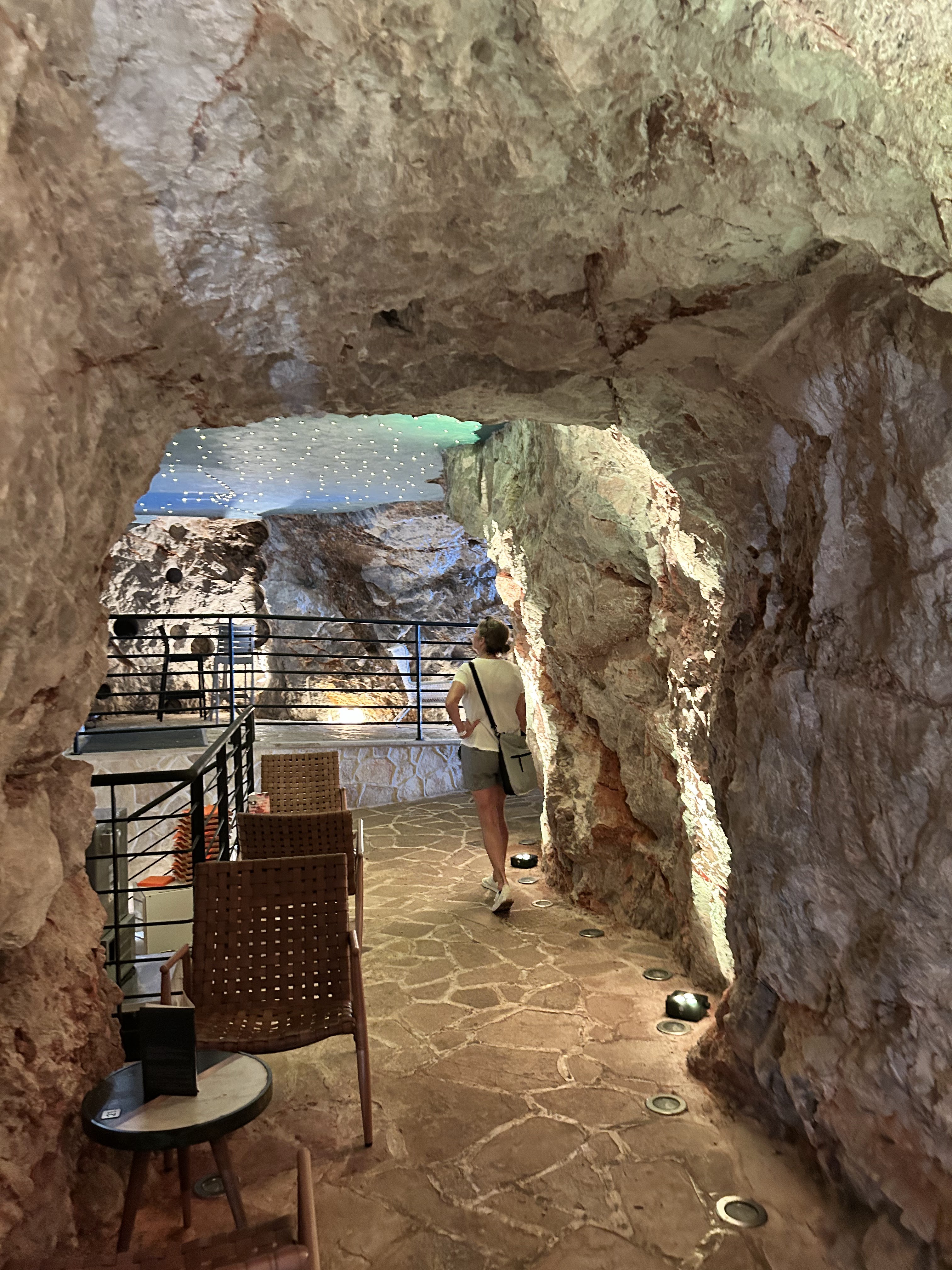
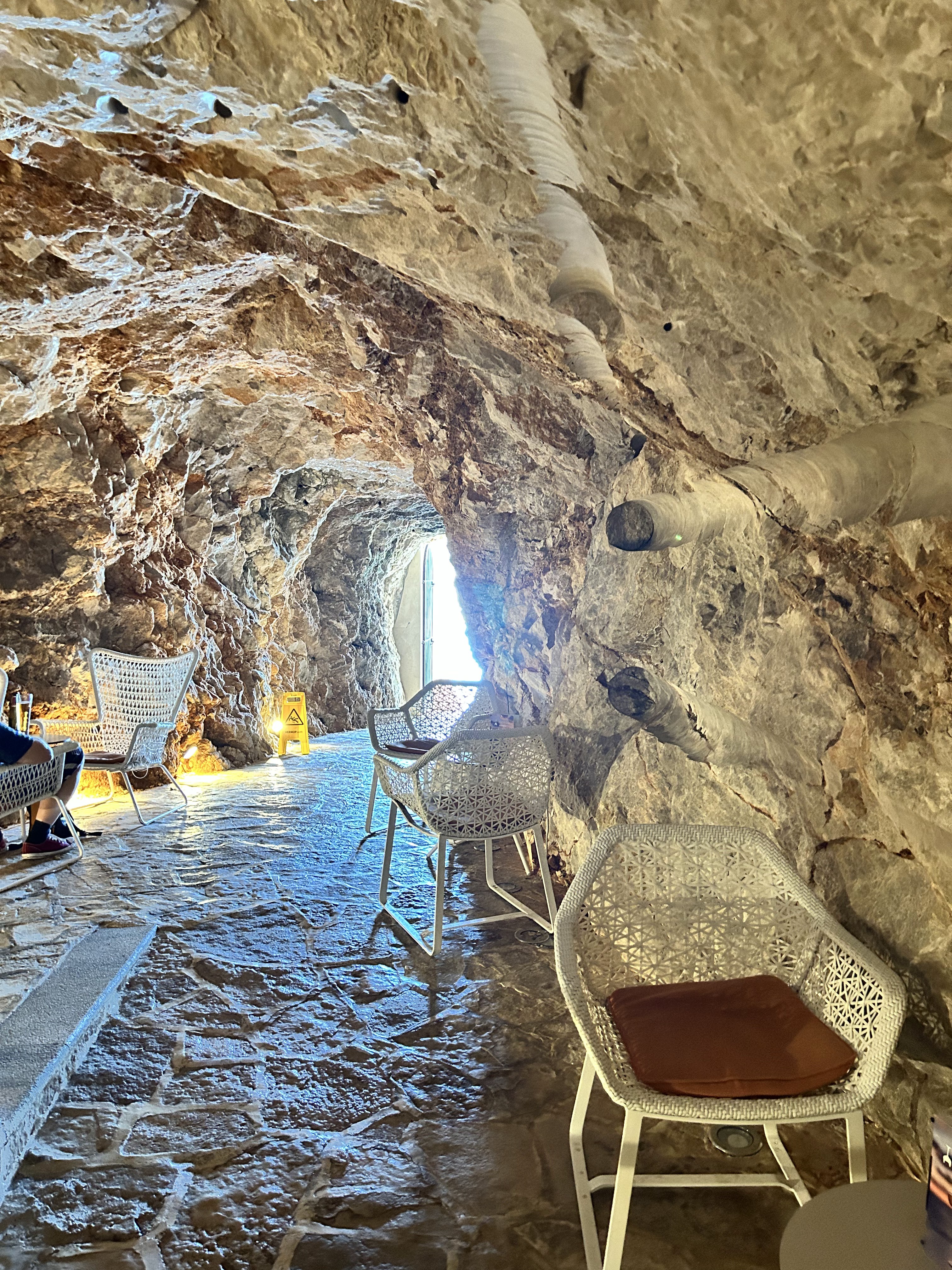
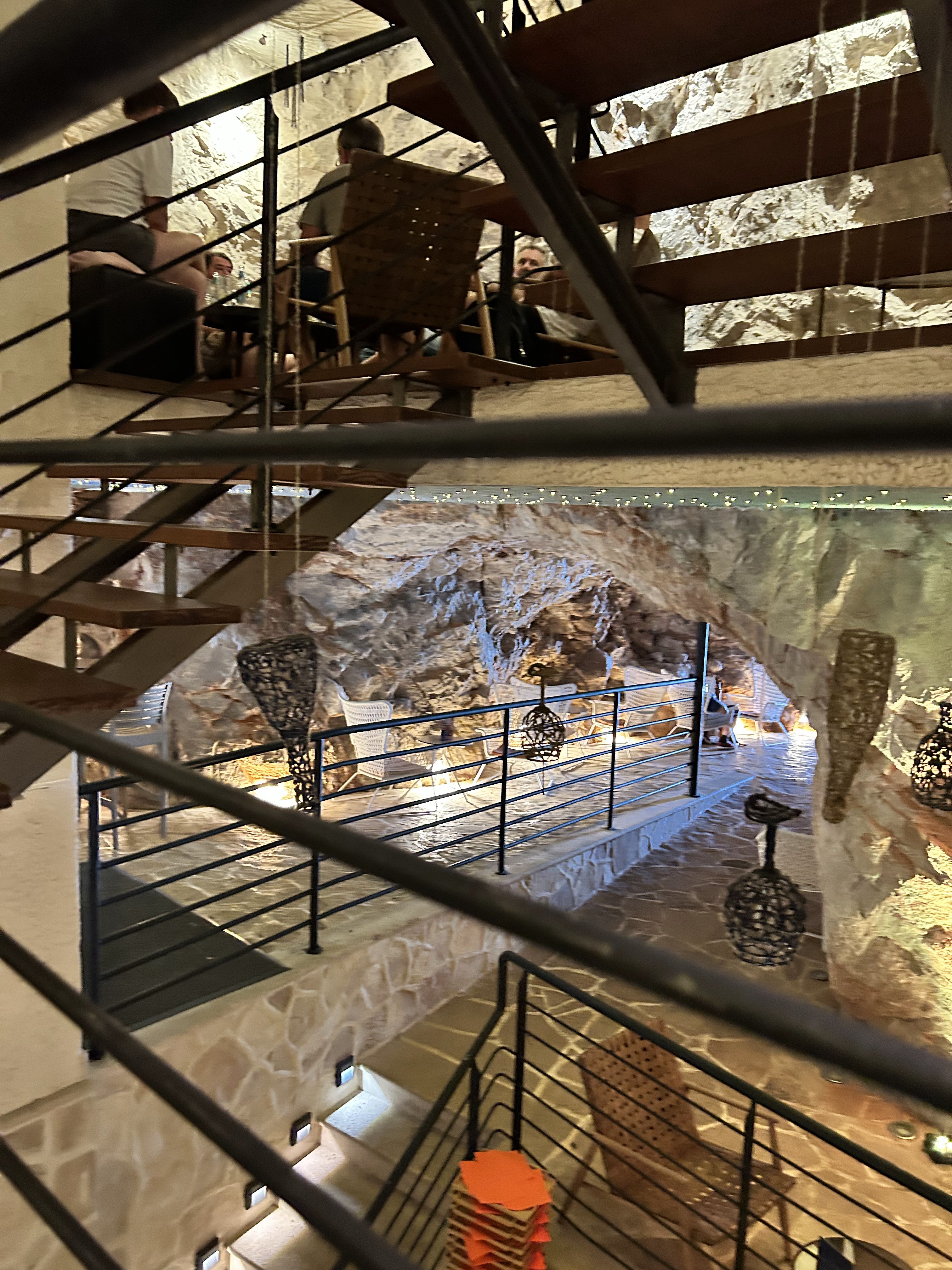
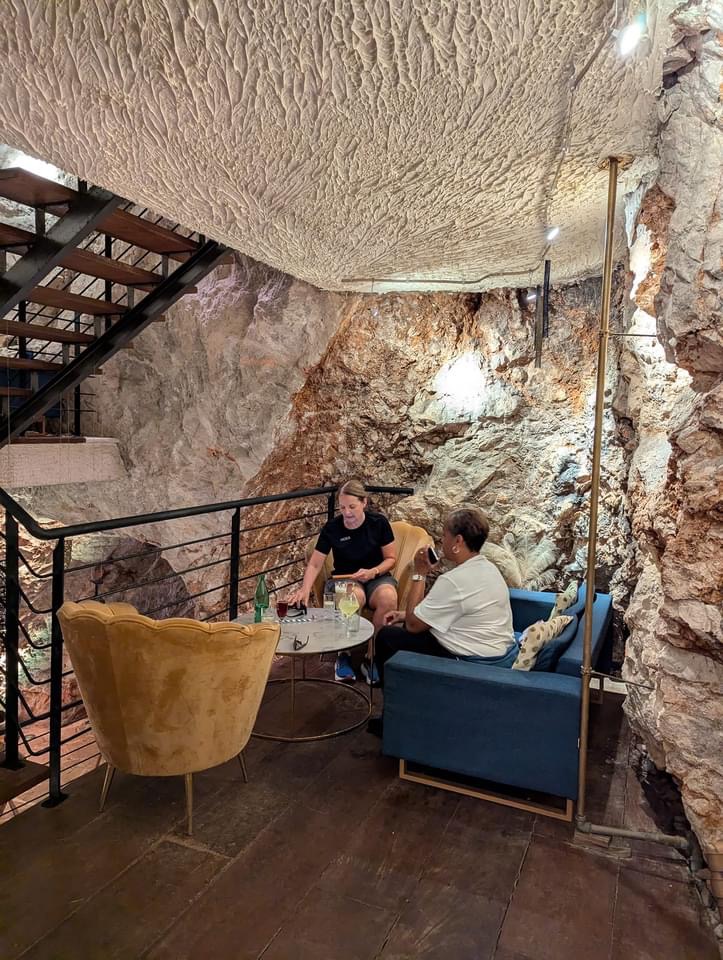
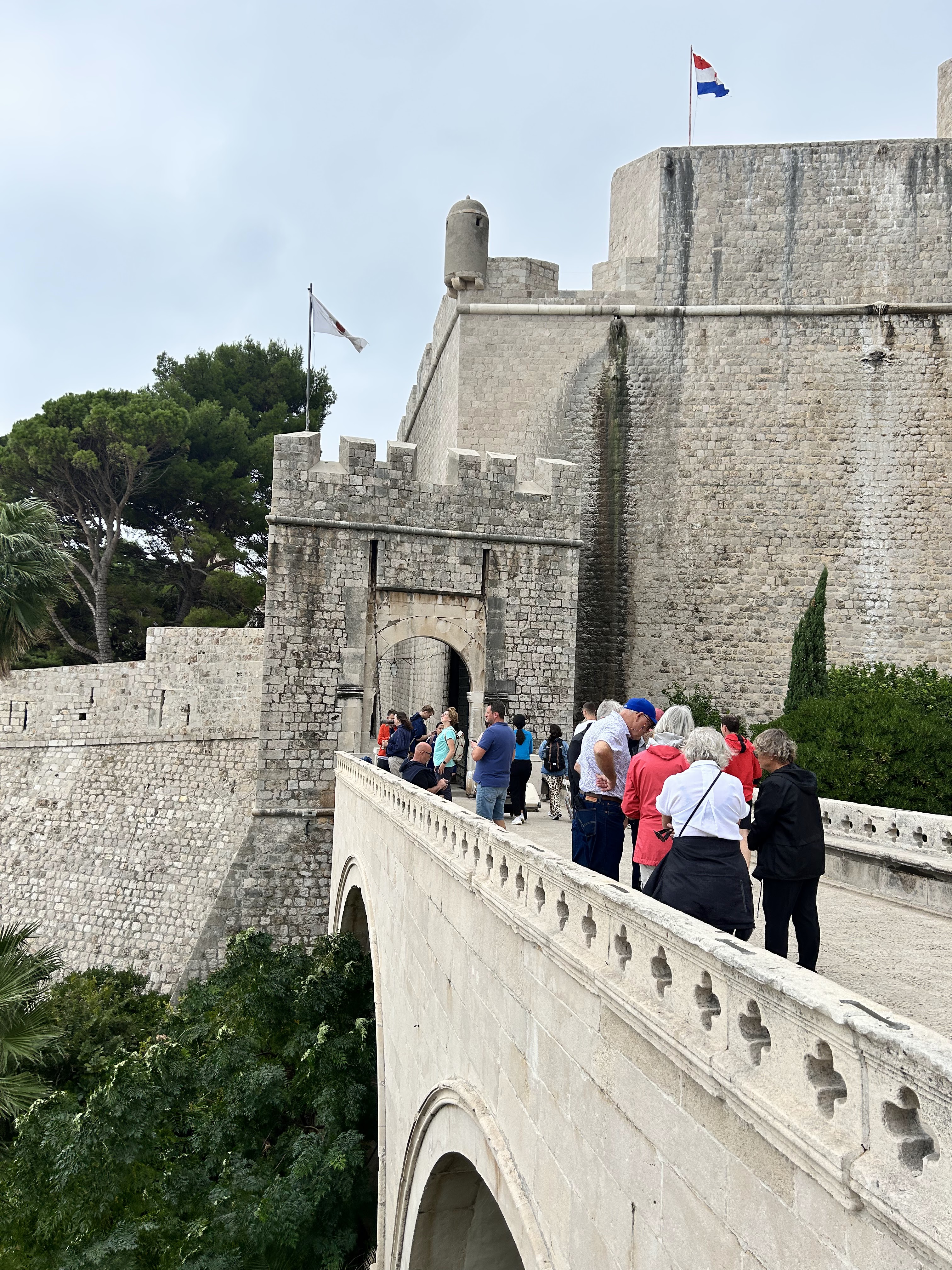
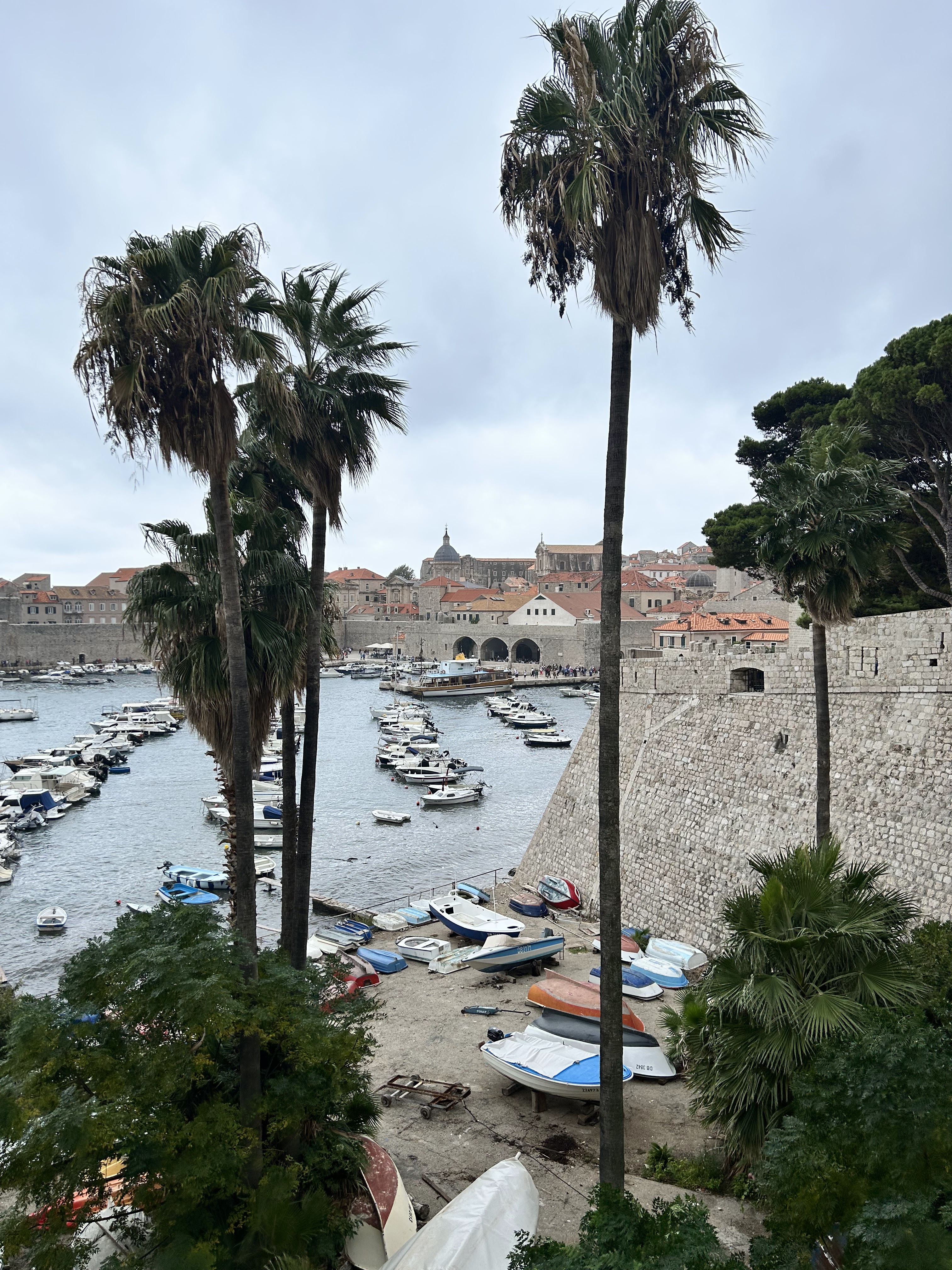
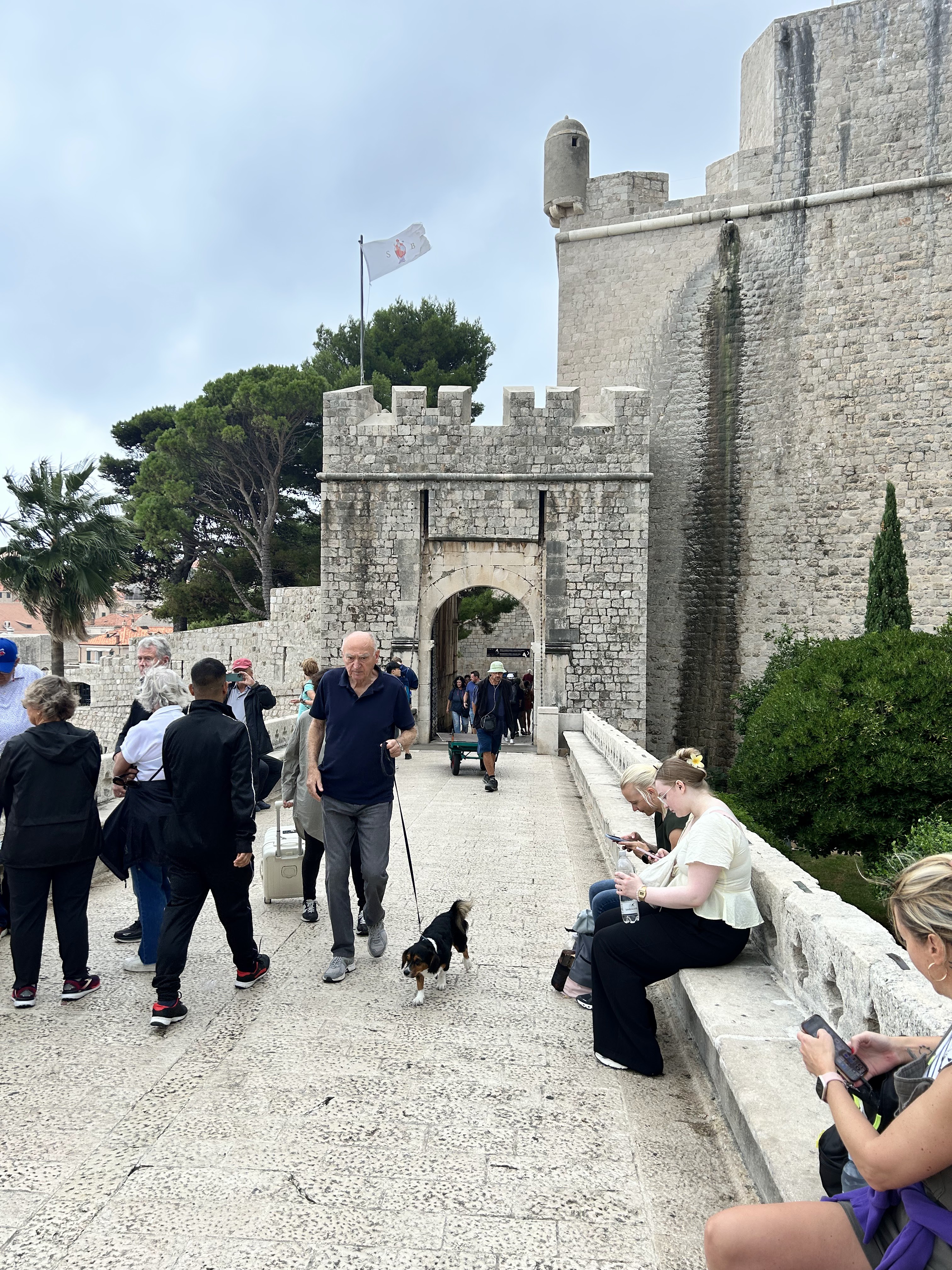
It is said that Dubrovnik is the most over-touristed city in Europe and even though we went in off season, it was still very crowded. The rain cleared out by 8 a.m. which allowed for a pretty nice last day. I wanted to get out of the crowds and so we decided to head to Lapad. Lapad has a beautiful promenade that follows the Adriatic Sea. We walked this and stopped at a Cave Bar. It was a fun, unique environment.

After lunch we headed back to Old Town since my friends wanted to do some souvenir shopping. We then hoofed it back up the hill to our apartment for a few hours of rest. And finished the evening with another splendid dinner and fantastic bottle of local wine.

That’s a wrap on my amazing Slovenian and Croatian getaway. I love the spirit of travel and the ability to learn about new cultures. And I will always happily eat my way through any country! 🙂

Dubrovnik Day Two

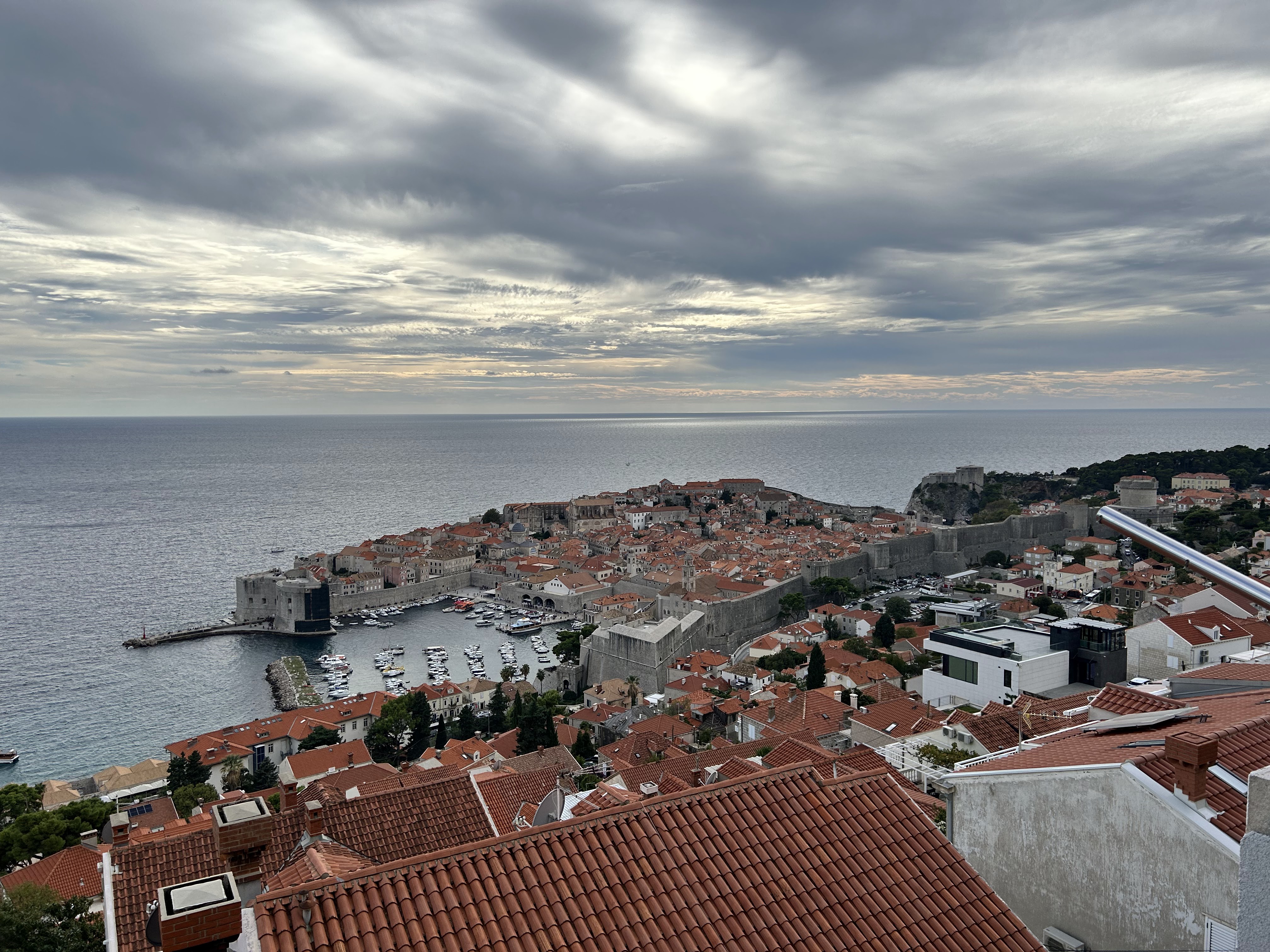
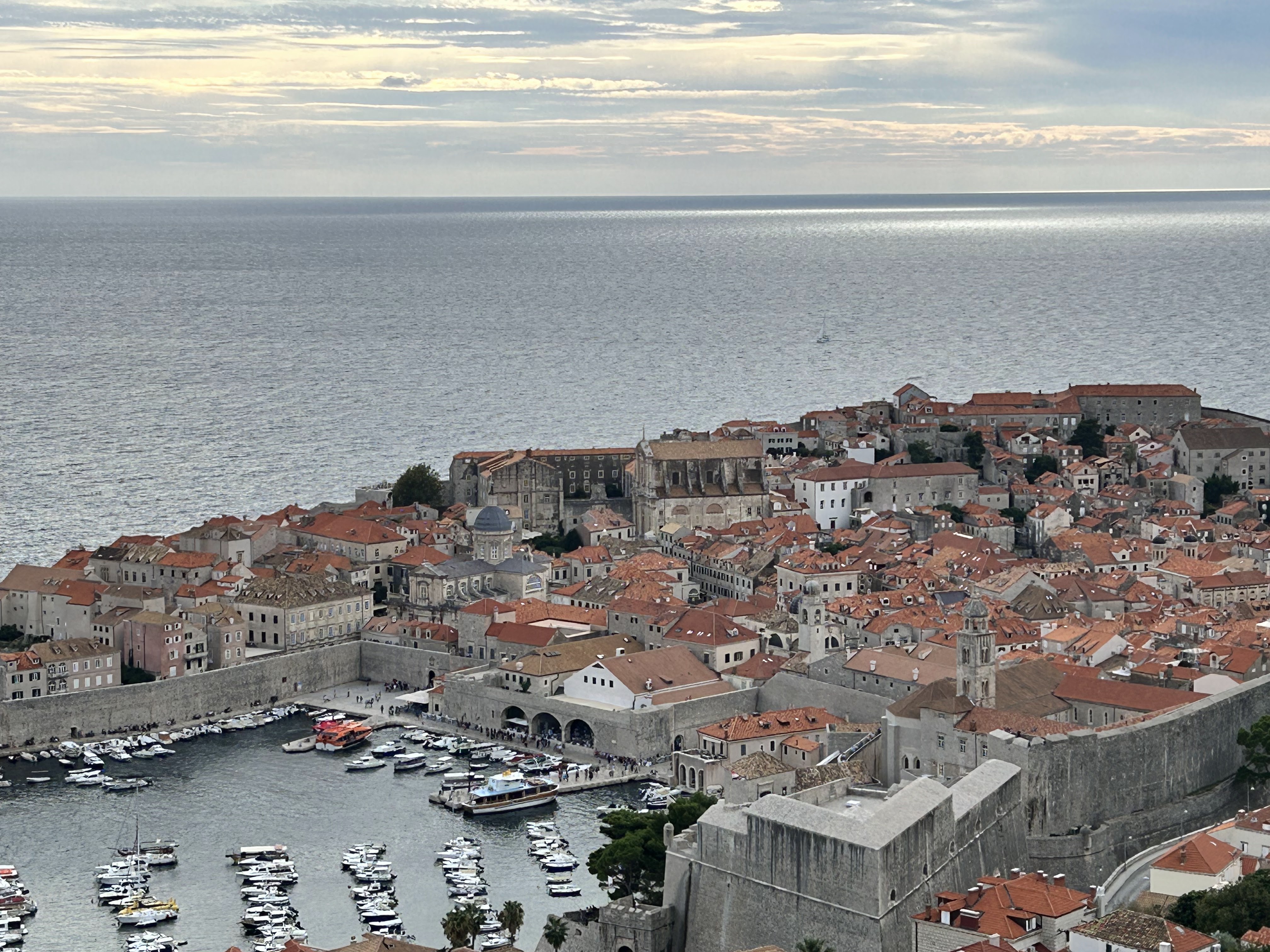
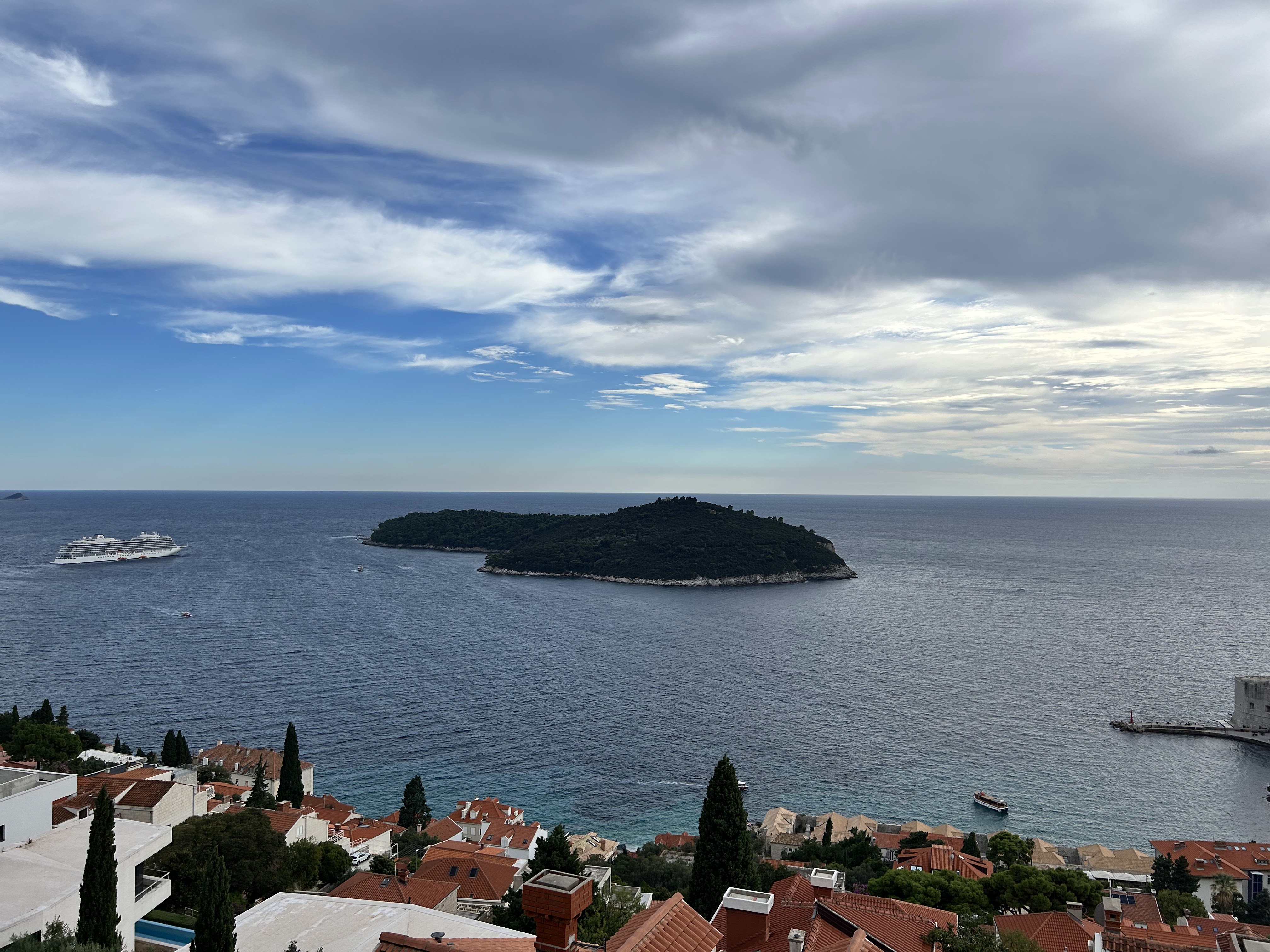
We stayed outside of Old Town which was about a ten minute walk but all uphill. The steepness is crazy but it also provided a great view of Old Town from our apartment.

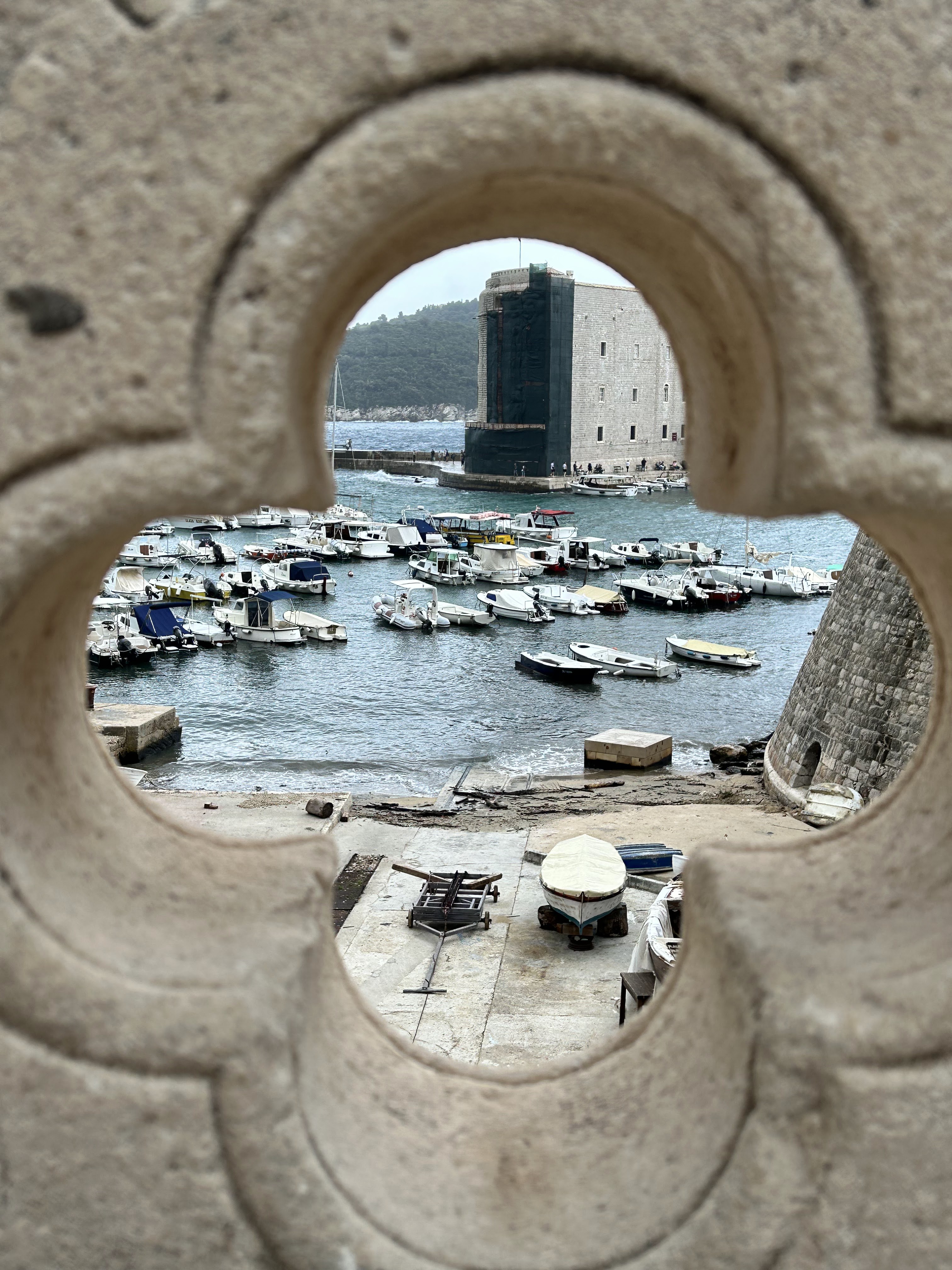
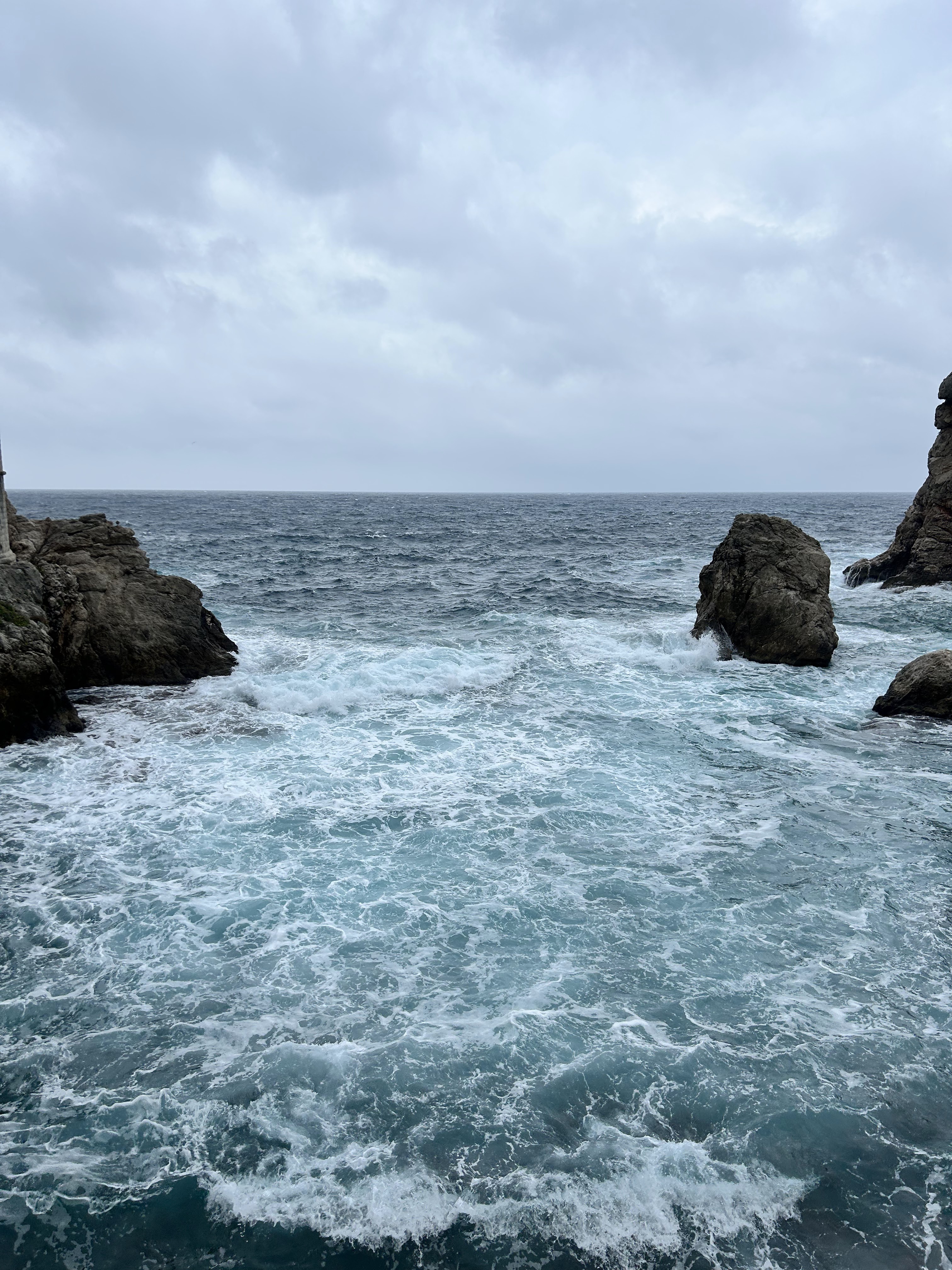
The weather was predicted to be rainy and windy so we decided to get out earlier than usual to wander Old Town again. The waves were coming over the city walls but we managed to enjoy ourselves, eat lunch and pick up something to take back to the apartment for dinner, since we guessed it would be too nasty to go out.

Last Stop…Dubrovnik

Old Town Dubrovnik is truly beautiful. There are amazing old buildings, a main artery filled with people and shops and the sea air circulating through everything. We wandered and decided on an early dinner at Lady Pi Pi, which ended up being really smart because the line up of would-be diners showed up shortly after we were seated. We were lucky enough to get a table on the upper terrace which boasts a roof top view of the old town. We ordered the seafood platter which is grilled right across from our table in a large, open grill.

After dinner we wandered Old Town at night, which was just as picturesque. I don’t watch Game of Thrones but apparently lots of scenes were filmed in this area.

Next Stop Korcula

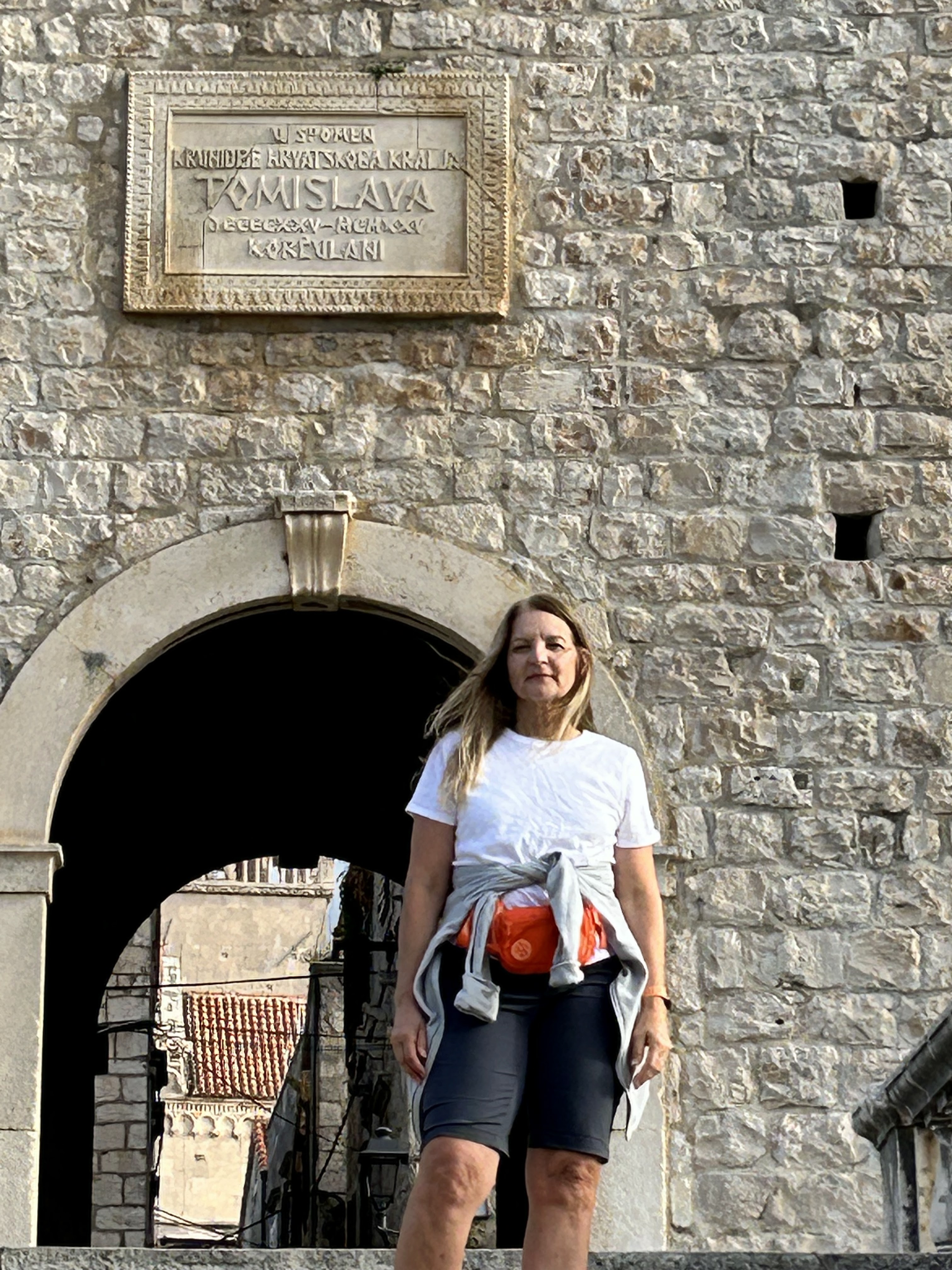
We took the ferry from Hvar to Korcula for a very quick overnight trip. Korcula Town was a sleepy, quaint old town that’s claim to fame is being Marco Polo’s birthplace. After wandering a bit, we found this tiny stone building that now houses cult-like art for sale. Korcula is known for its vineyards, none of which we had time to see. But we did walk the pretty waterfront, wander through the old alleyways and of course, see many old, old buildings and landmarks. Although nice to see another island, I think the time would have been better spent as an extra day in Hvar.

Hvar

Hvar Town was my favorite spot in Croatia. Granted the high season was over and we heard over and over again from restaurant staff that they only had ten more days until shutting down. These exclamations must have warned off the throngs of tourists because although busy, the crowds were not like other locations we visited.

Our rental was right off the main promenade but had the requisite steep steps, of course. We wandered the alleyways and found many restaurants and bars lining the alleys. We landed at a very hip bar that had cushioned seating in the alley. We tried another local wine, which was as good as all the other local wines we had been drinking. We found dinner and then called it a night.

The next morning we stopped at Coffee Snob for the morning coffee and croissant. I liked the name of the shop but the offering was nothing unique. We then headed up to the fortress that overlooks the city. The fortress dates from the 16th century (and its foundation dates back to the 1st millennium BC) and is a symbol of a turbulent time in the city’s history. It sits on a picturesque location overseeing the city and looking onto the sea. It is well-preserved.

In the afternoon we took the bus to another significant town on the island, Stari Grad. This town is considered the oldest town in Europe and was built by the Greeks. We visited Petar Hektorovic’s home/museum. He was an influential poet for Croatia. We mis-read the bus schedule and realized there was no return bus to Hvar Town so we ended up triple paying for a taxi…the joys and surprises of travel!