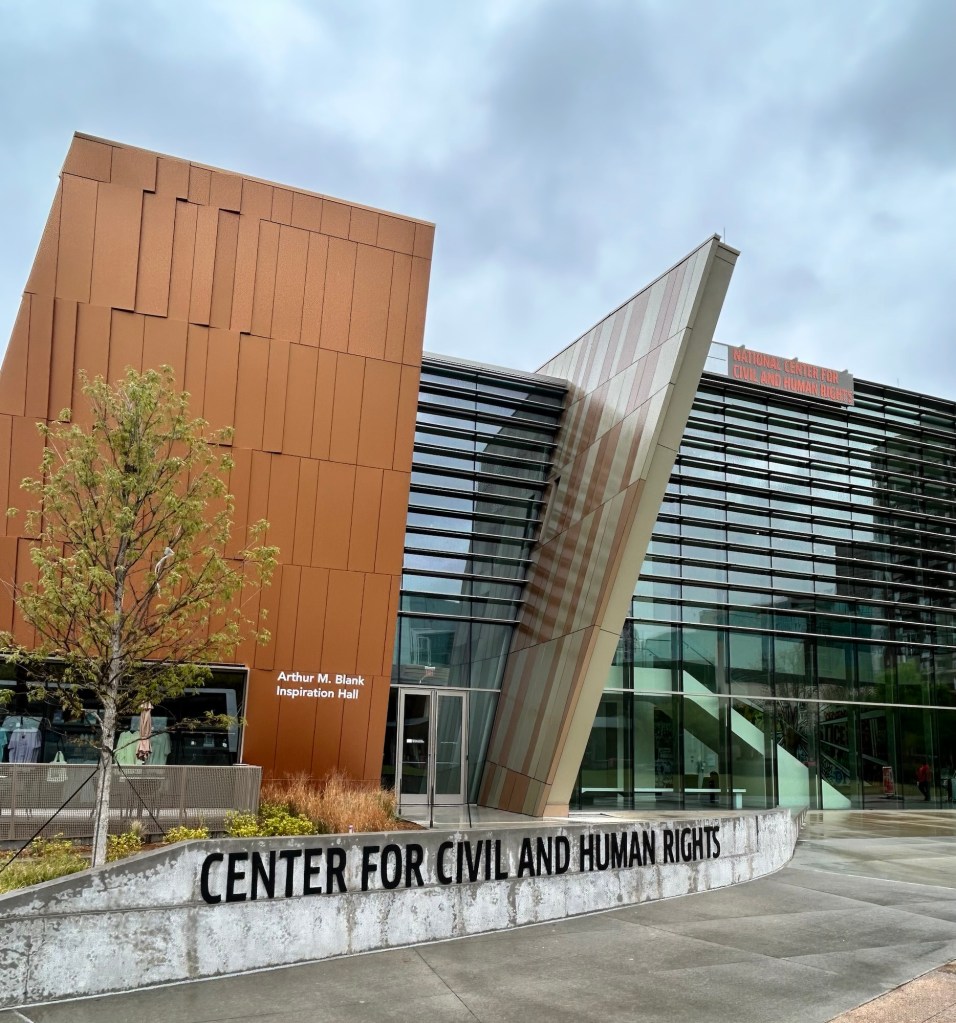
National Center for Civil and Human Rights

Entrance

Today I visited another amazing museum. I’ll be honest I didn’t have high expectations after the Legacy Sites in Montgomery. After visiting so many civil rights museums, I do really enjoy seeing the different ways of presenting information and the power and impact those messages can make.

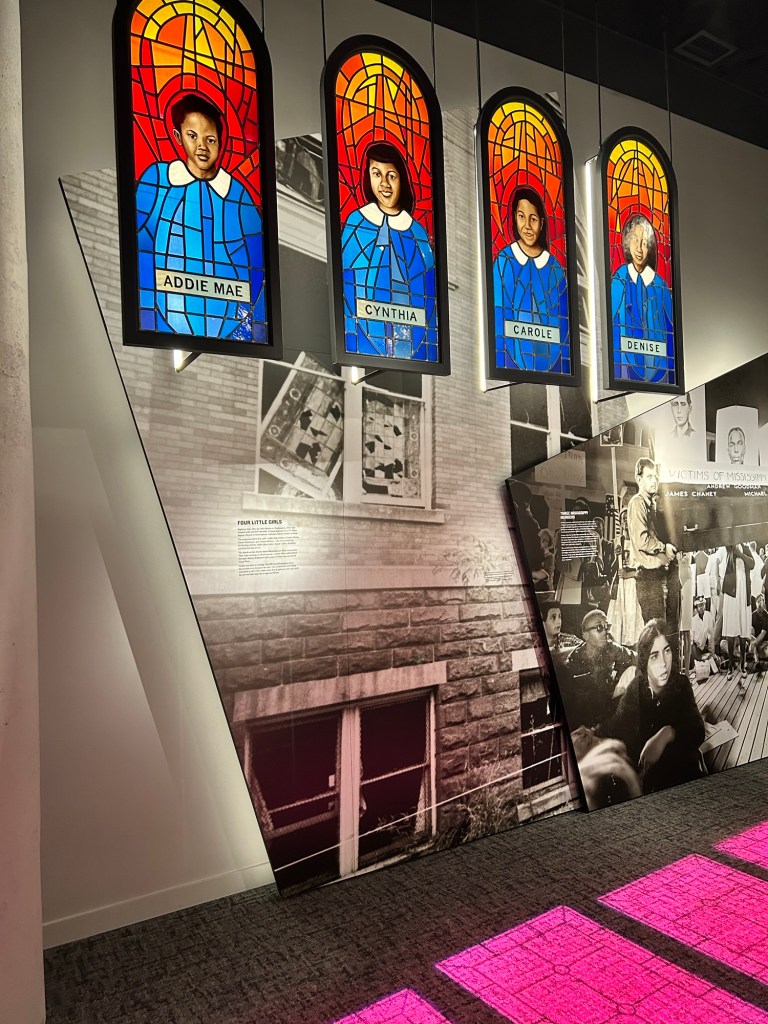
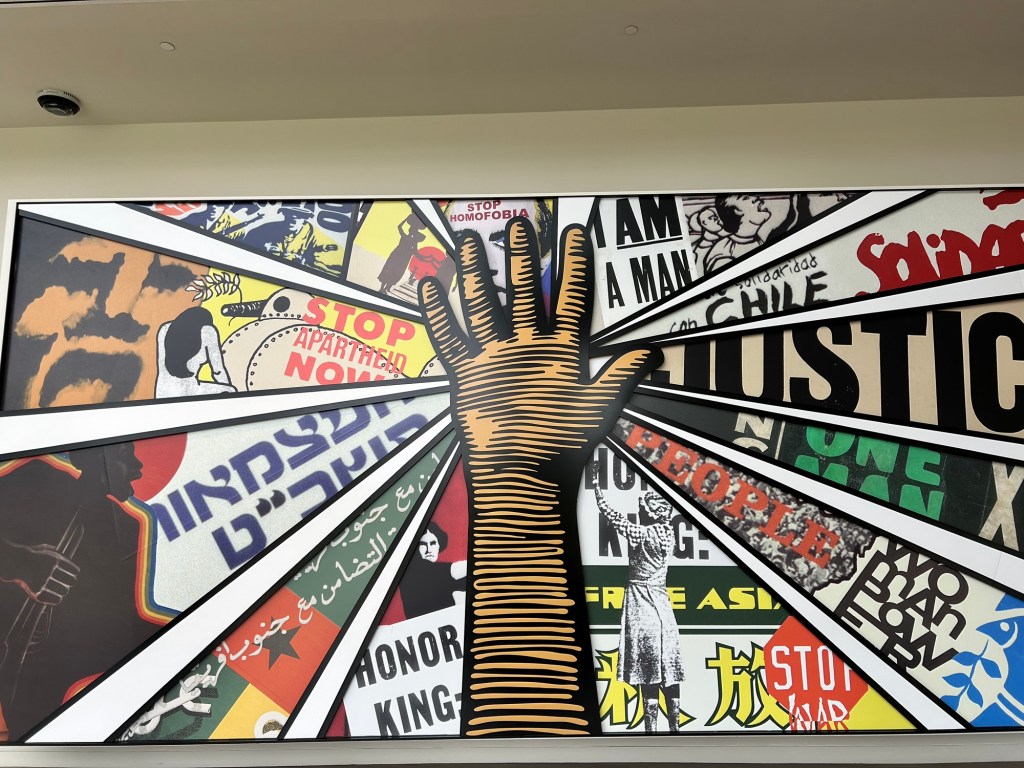
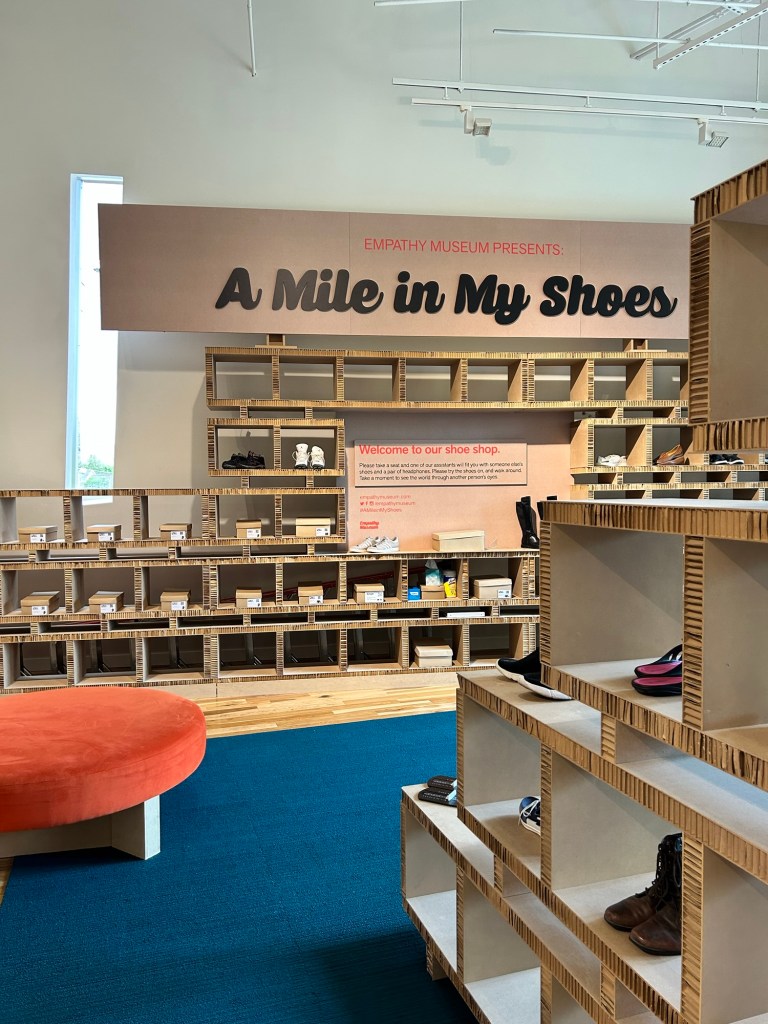
This museum decided to address human rights, in addition to, civil rights. Upon entry, the civil rights section was really crowded so I decided to go upstairs and do the human rights section first. I’ll admit I got emotional almost immediately. This museum leads with powerful stories and shares how average, ordinary people took risks to promote human rights. The exhibit “A Mile in My Shoes” was particularly powerful as I listened to personal stories of complete strangers. Each story is linked to a real pair of shoes worn by the person you’re listening to. This delivery really humanizes their experiences.

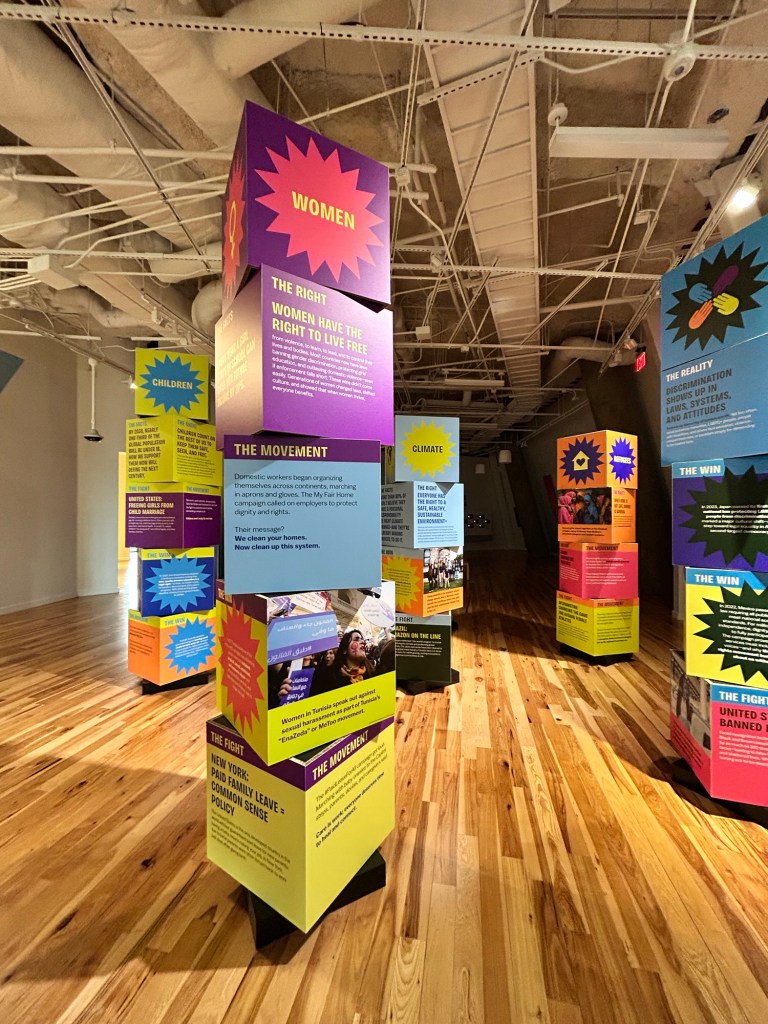
The second floor also housed the Action Lab. Of course, I’m incredibly action oriented and so this exhibit definitely struck me. The visitor learns about a variety of issues and causes, and then is given ways to find resources and opportunities to be involved with that cause.

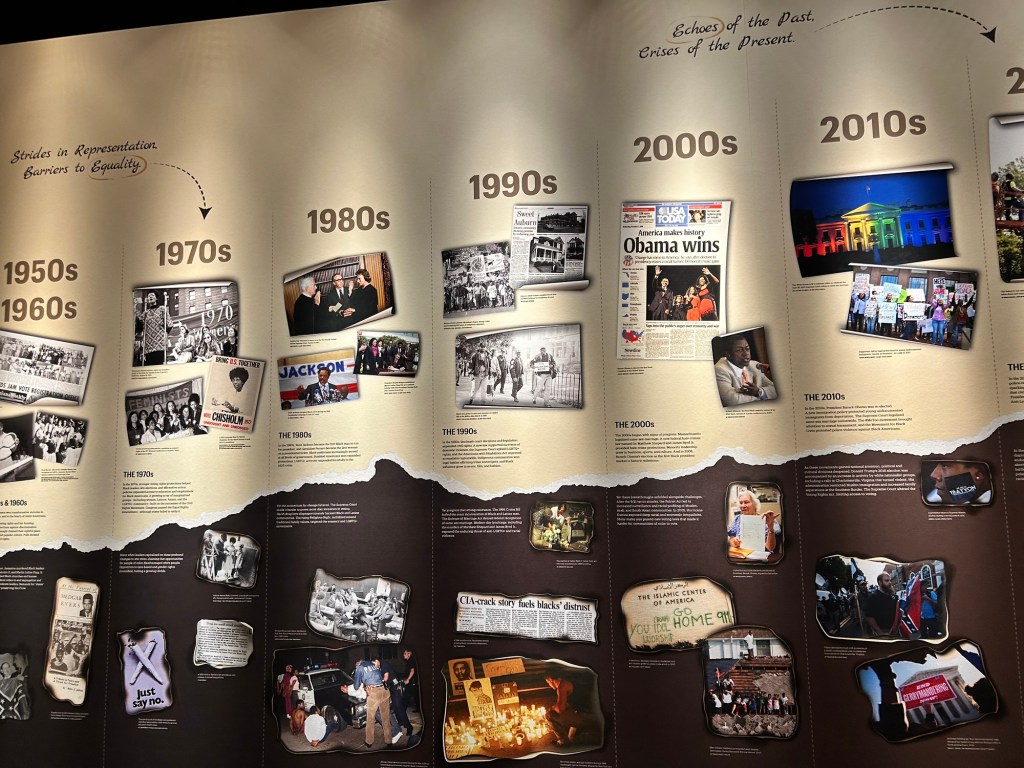
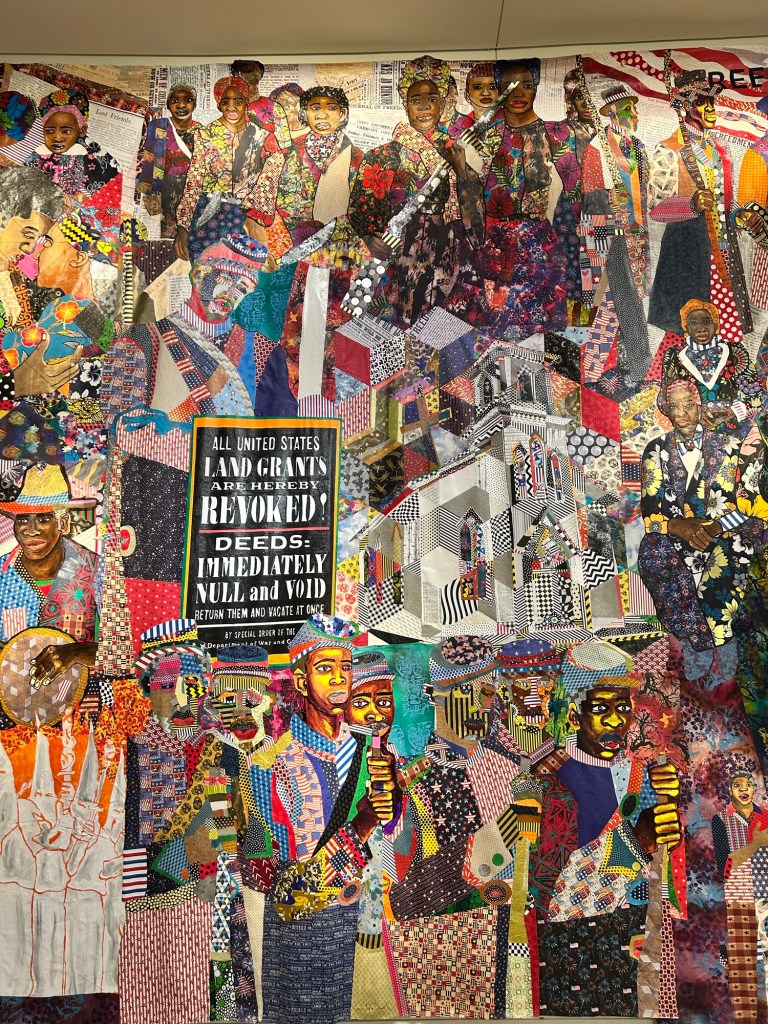
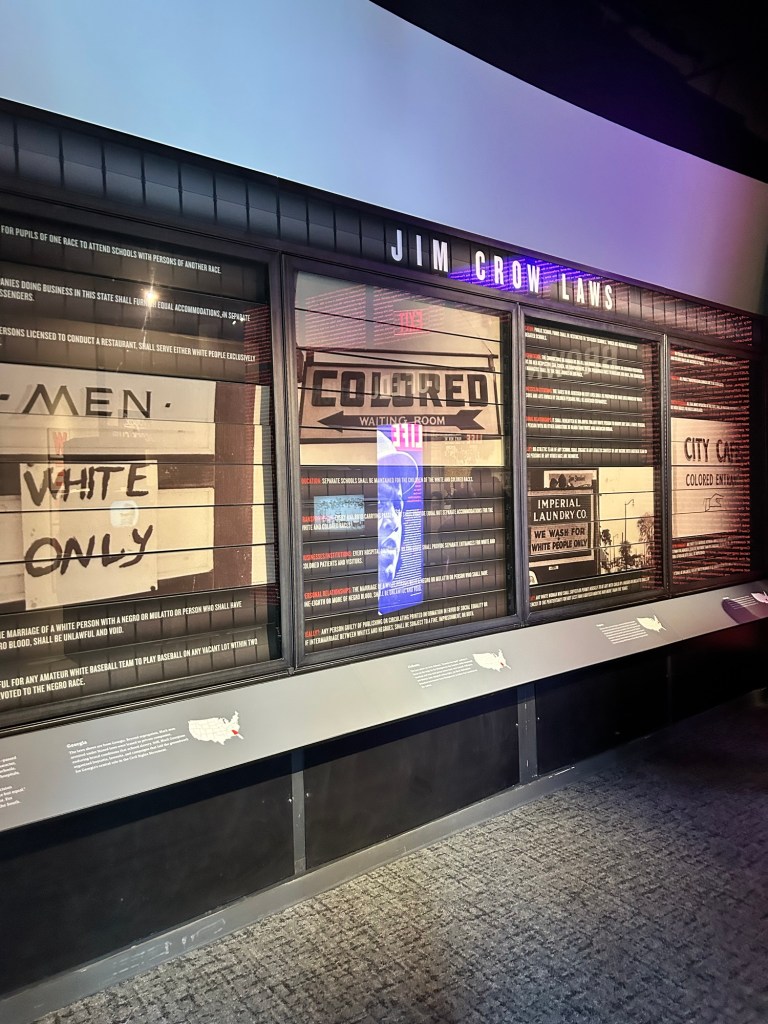
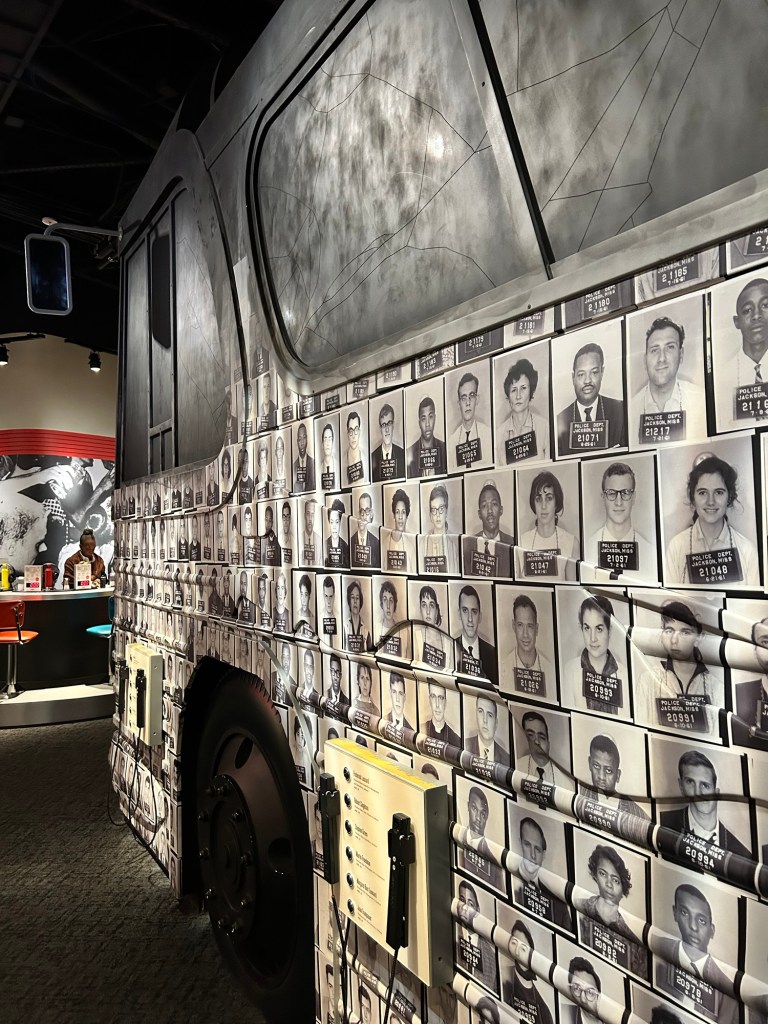
Downstairs is focused on civil rights. There was a ton of information, pictures, videos, and other multimedia that presented details about civil rights. For example, there was a full sized depiction of the Freedom Riders bus with all the pictures of the Freedom Riders. You could pick up a phone and listen to their stories. There was also 1,100 books from Dr. Martin Luther King’s personal library. And two quilts from Gee’s Bend!

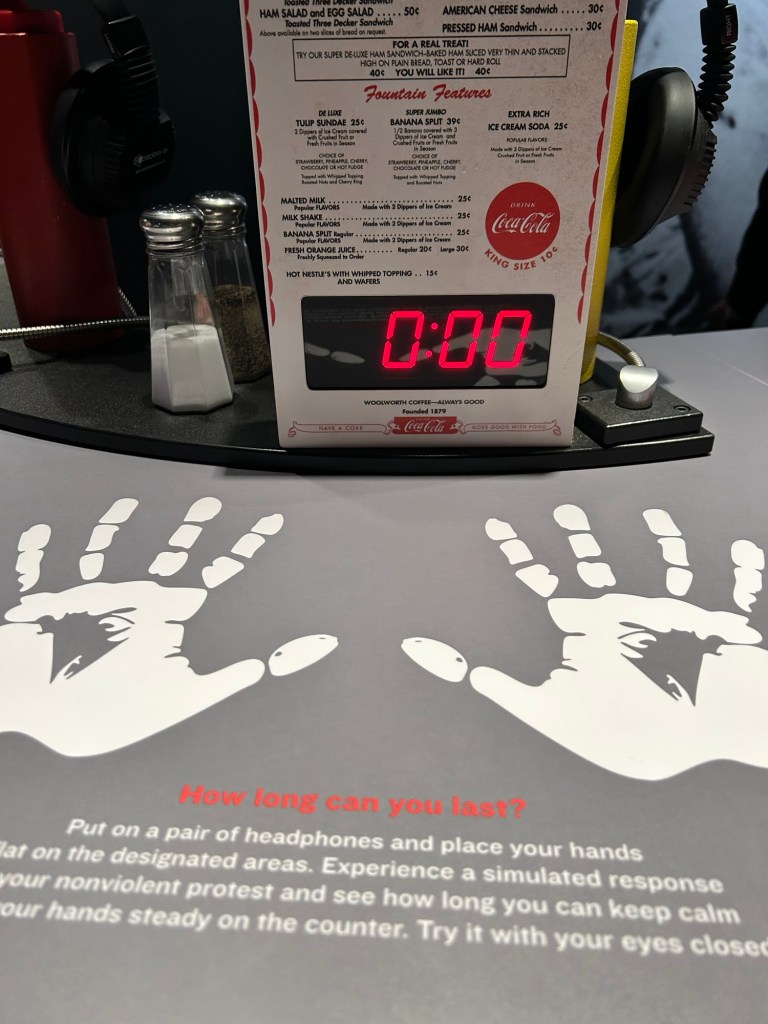
But the most powerful thing in this museum was the lunch counter sit-in. Museum visitors are invited to sit at the lunch counter with a menu in front of them and place headphones over their ears, close their eyes and place their hands on the lunch counter. Audio begins and depicts what folks at the lunch counter heard and experienced. The sound quality of the audio was really amazing. I could literally hear somebody breathing in my right ear. I felt that there was somebody right behind me and the screaming was truly scary. The audio lasted one minute and 25 seconds and mimics being at the lunch counter. It is an experience I will not forget. And it really showed me how courageous the college students were that sat at these lunch counters.

There are so many layers to this museum and I loved how it coupled civil rights with human rights. If you’re in Atlanta definitely visit this museum.
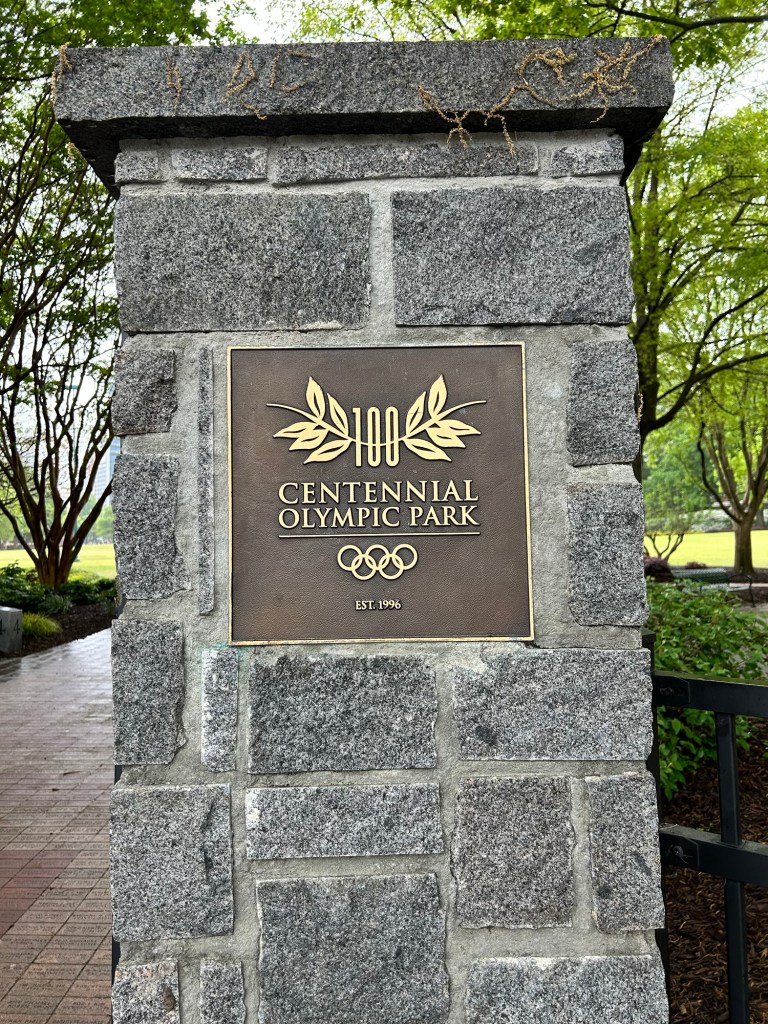
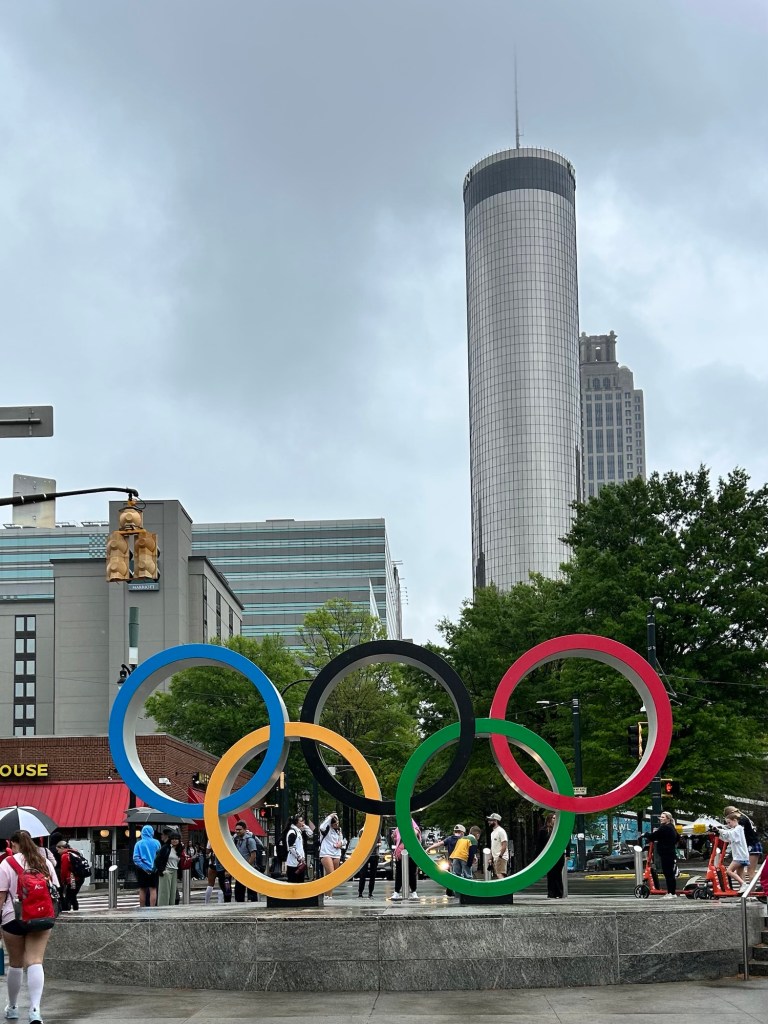
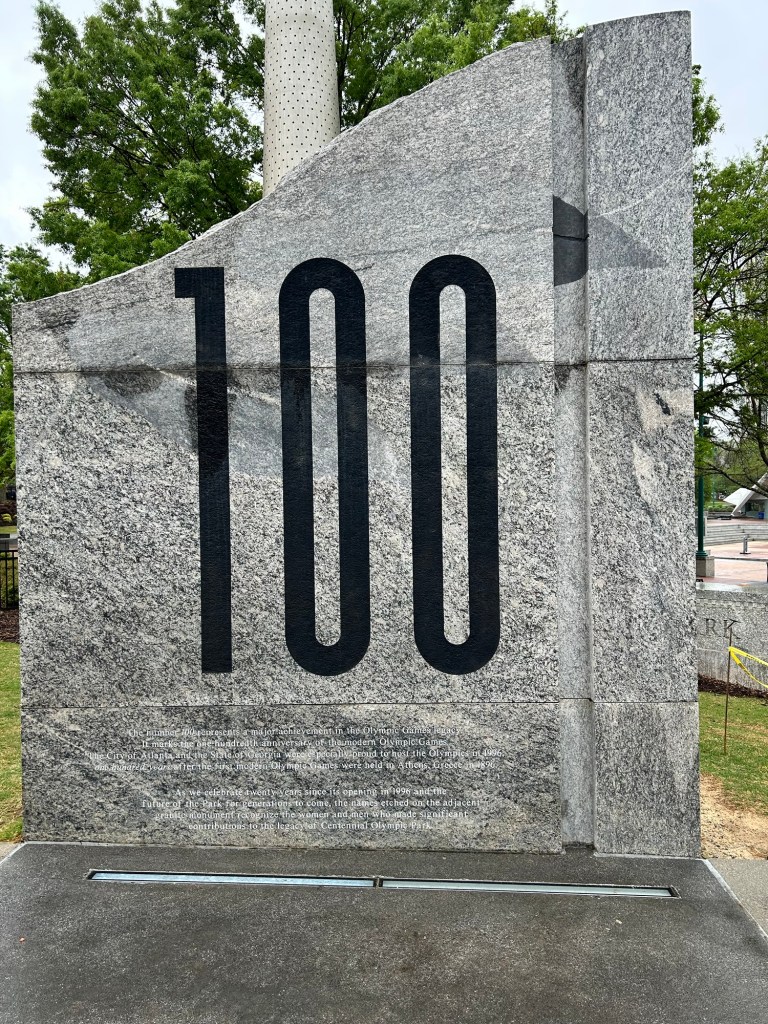
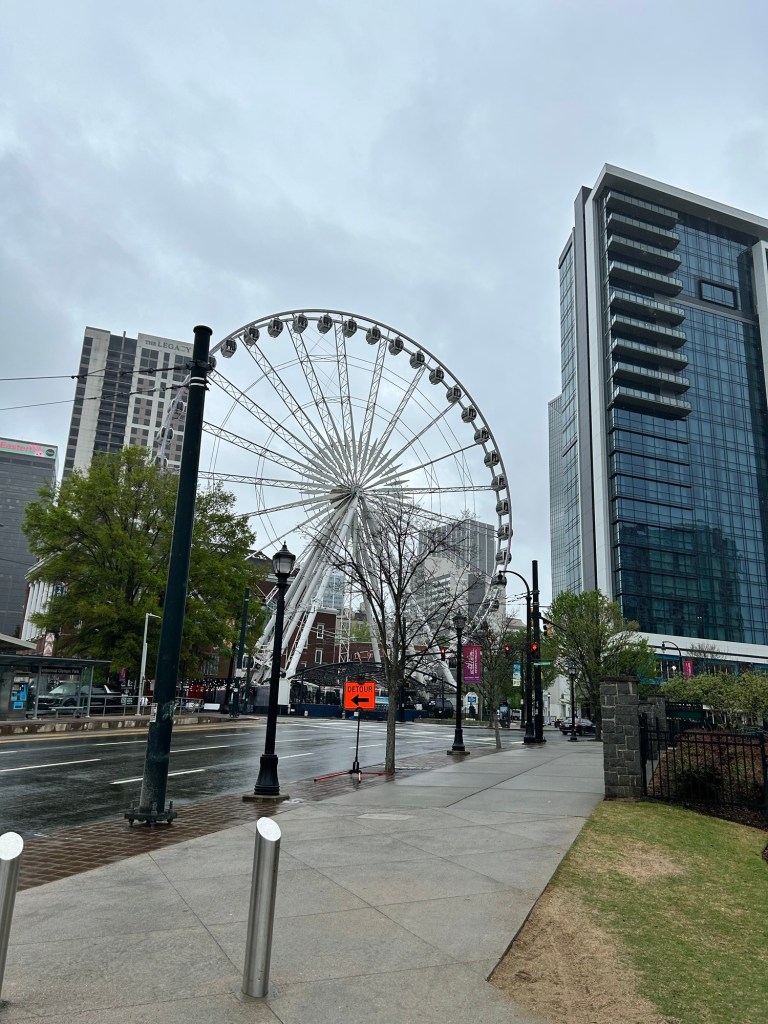
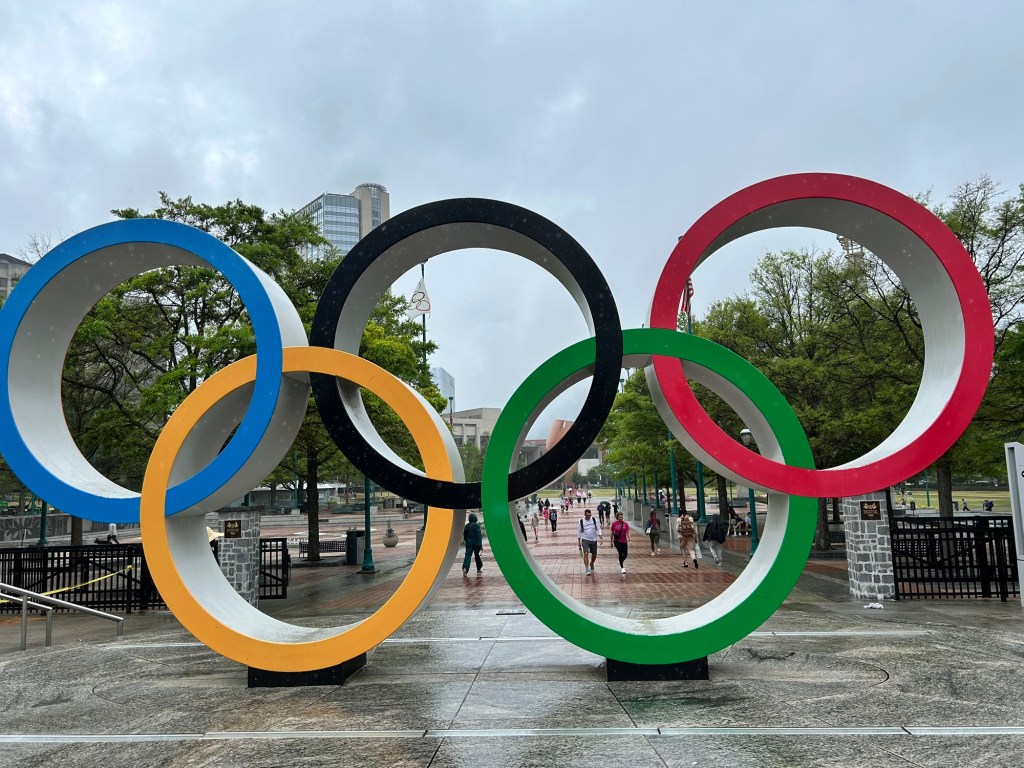
Centennial Olympic Park

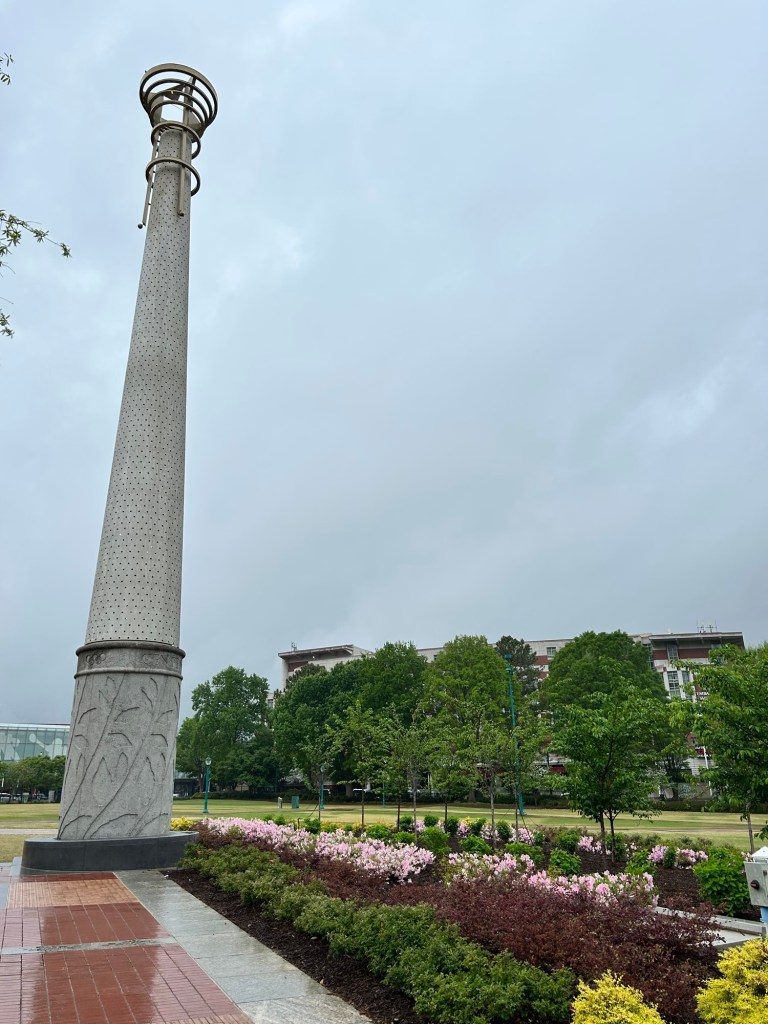
This morning, I got my workout done early so that I could head into Atlanta to visit the National Center for Civil and Human Rights. Since it wasn’t open yet, I decided to take a walk and I landed at the Centennial Olympic Park. What a nice surprise since I didn’t realize it was right next to the museum.
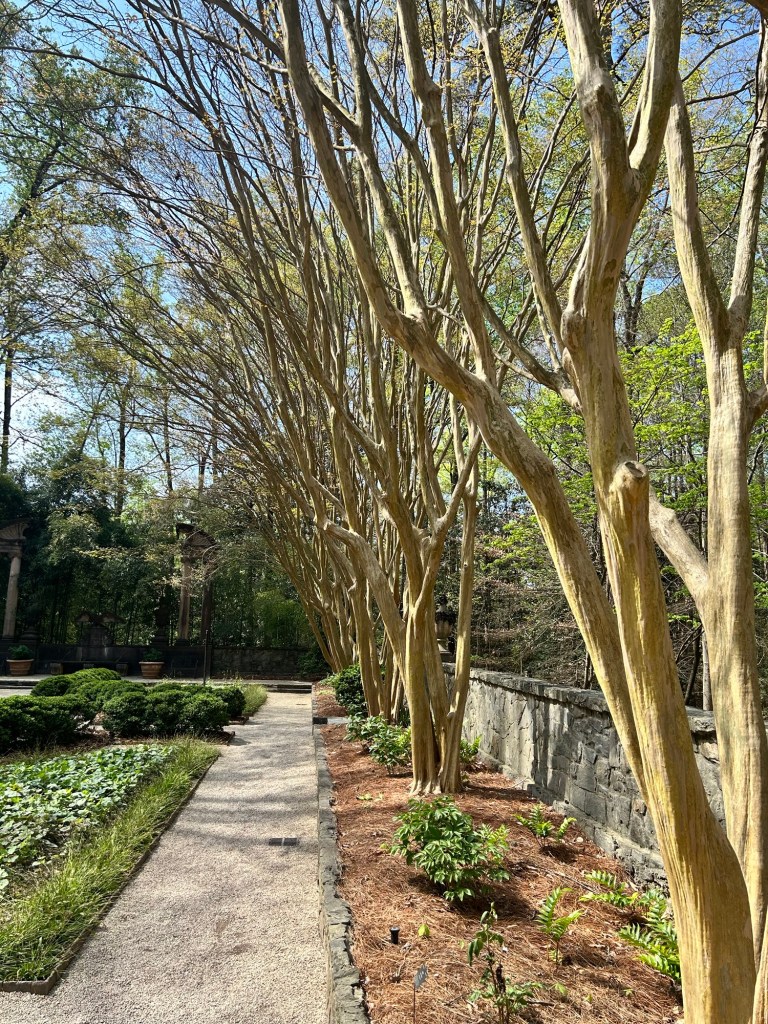
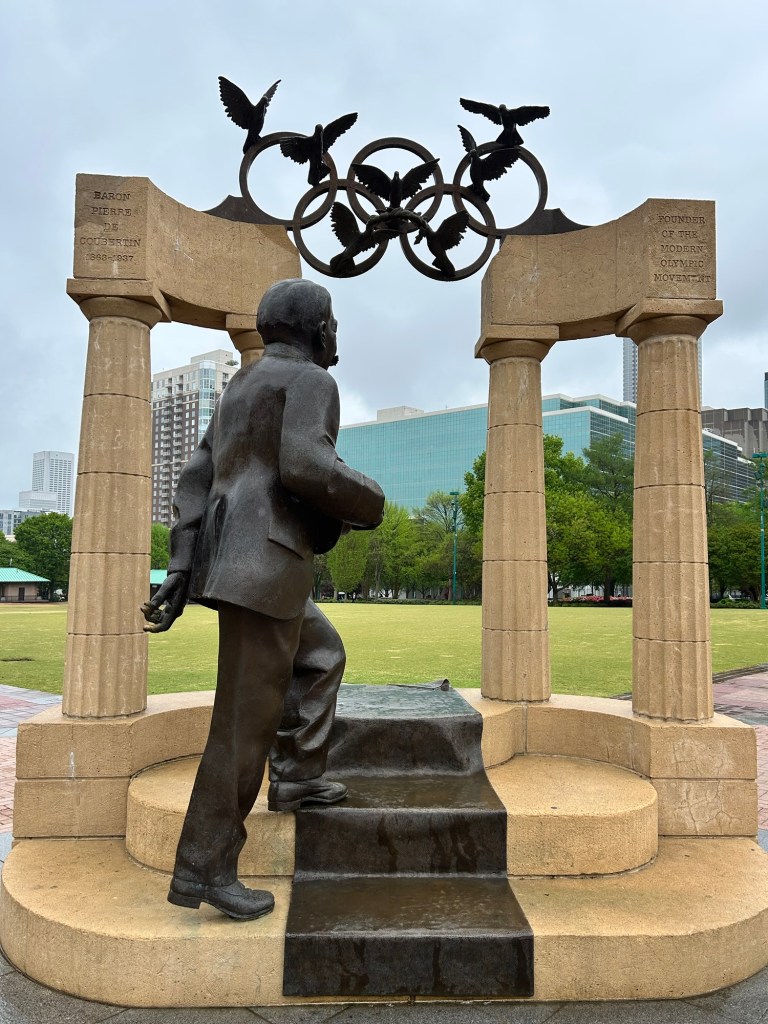
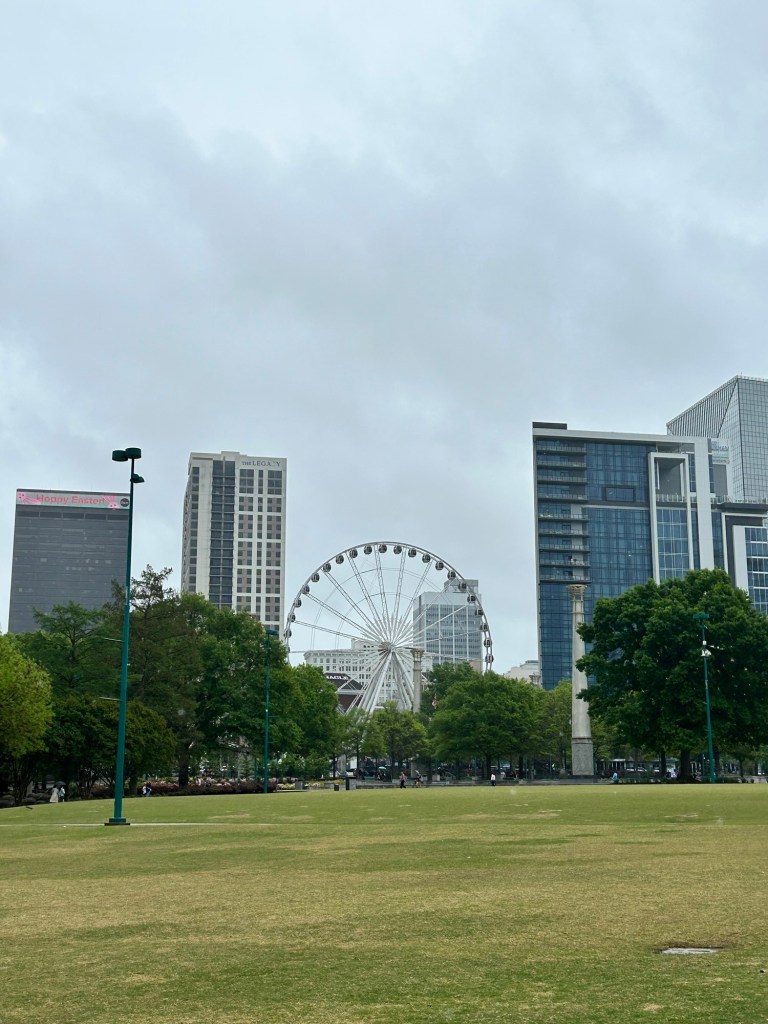
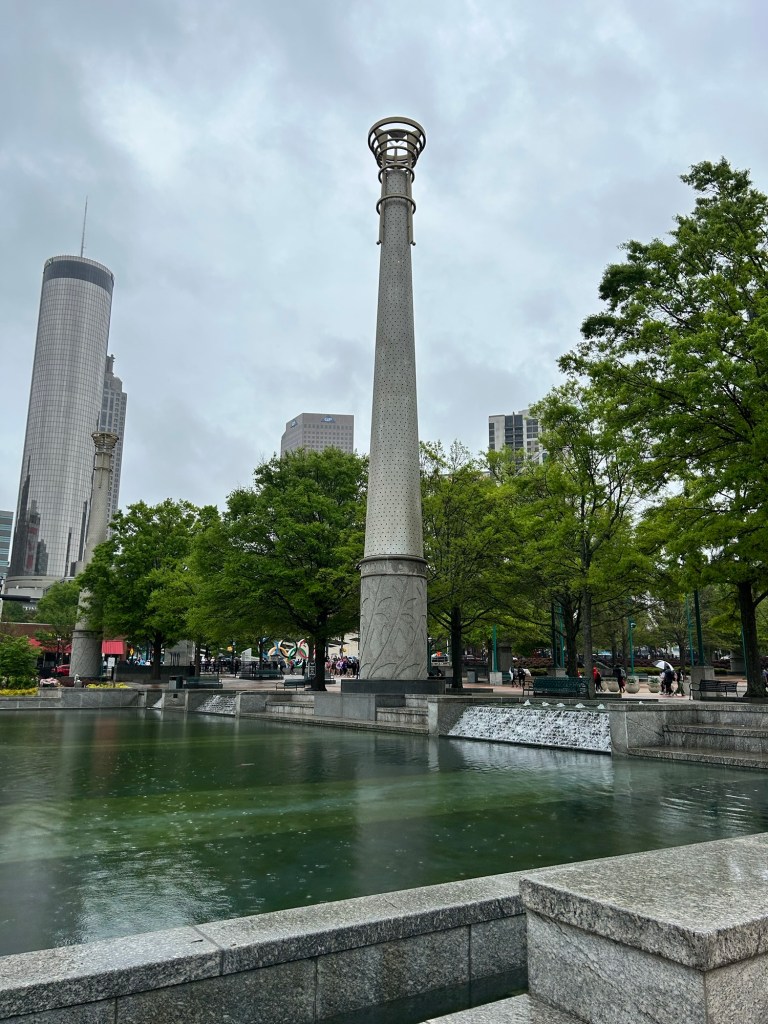
It was raining, but plenty of people were out. The park is beautiful and I love the different features, including, of course, the Olympic rings the various water features, flowers and open spaces. Definitely a nice walk on a Sunday morning.

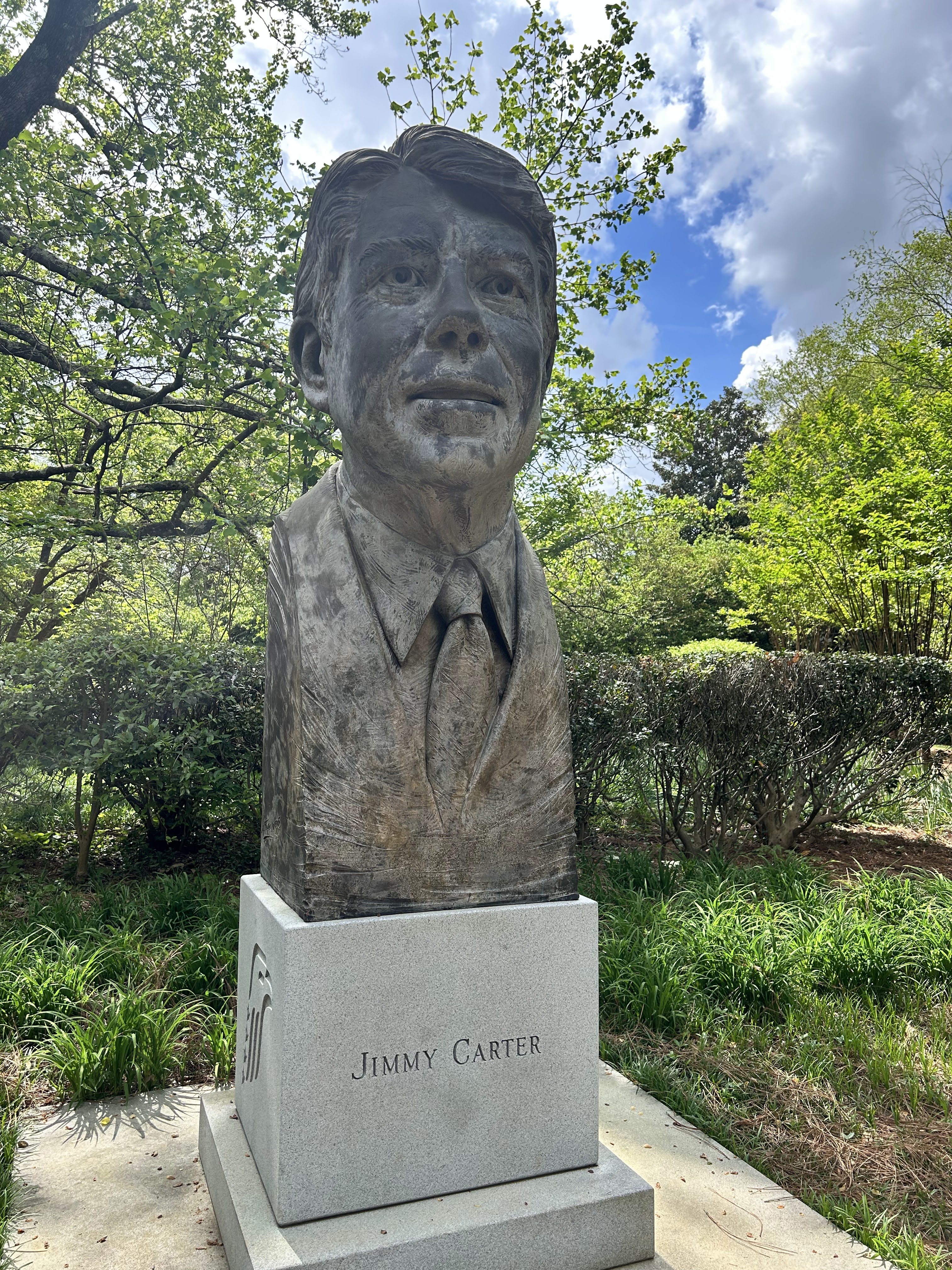
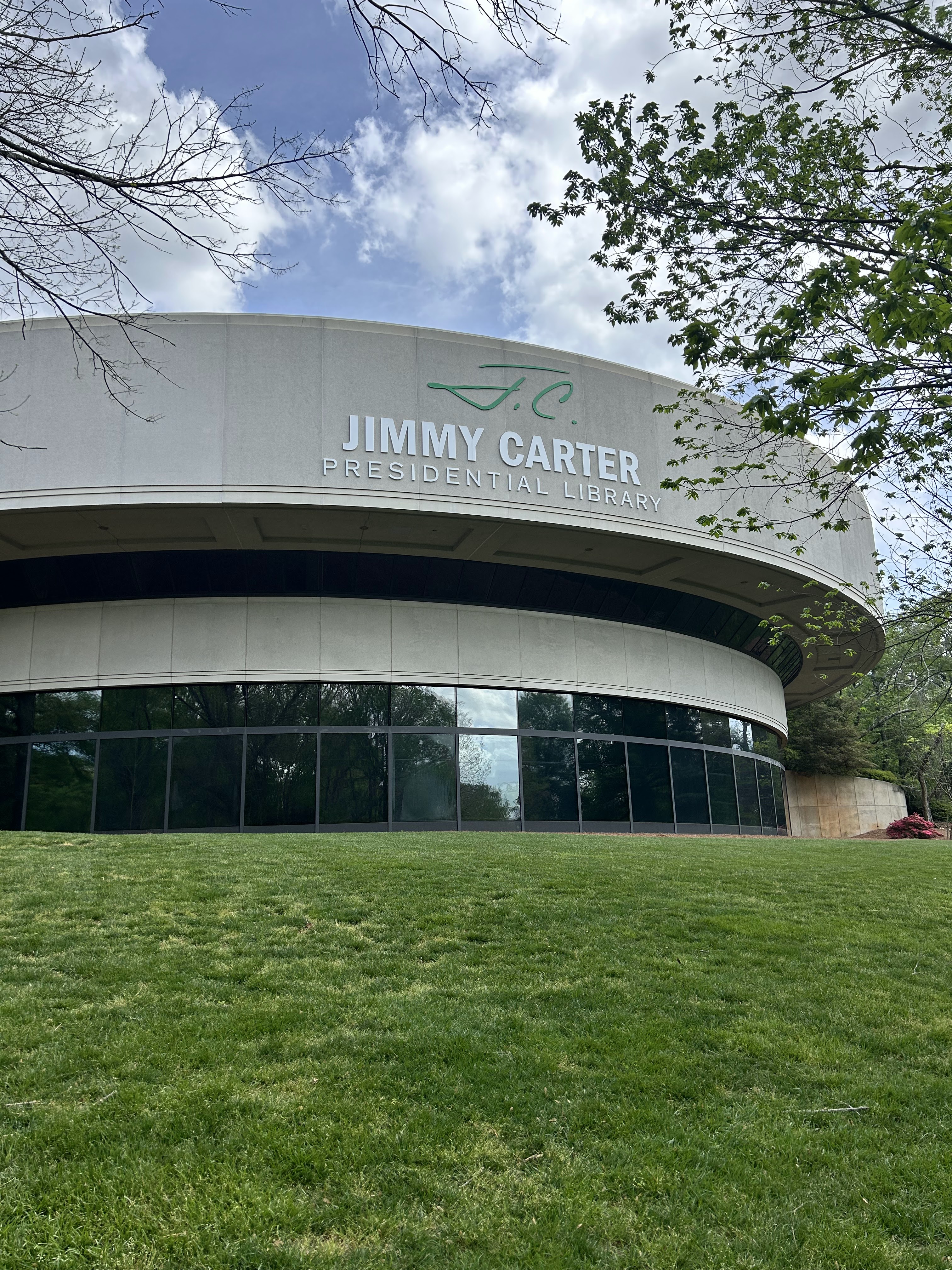
Jimmy Carter Presidential Library and Museum

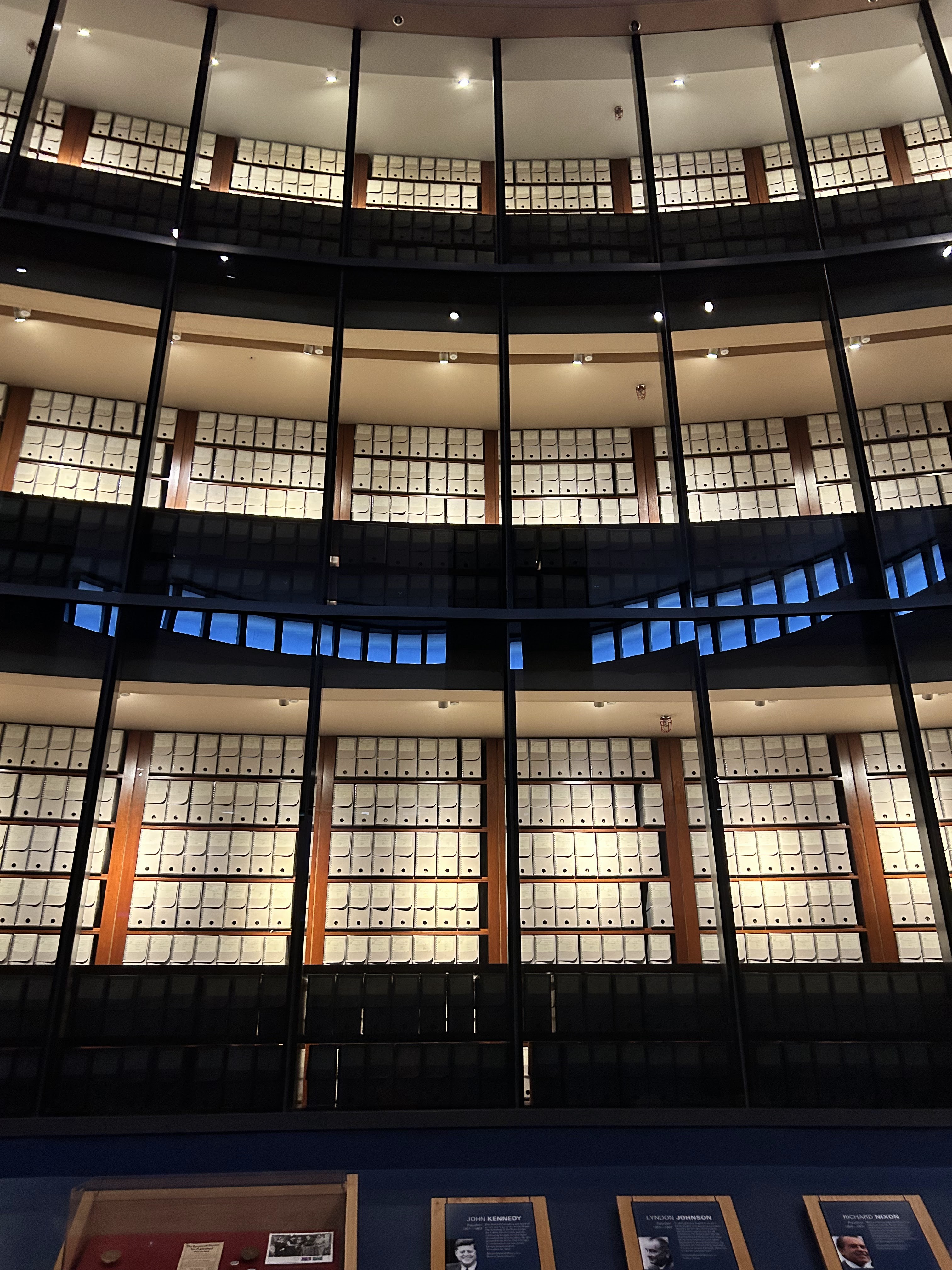
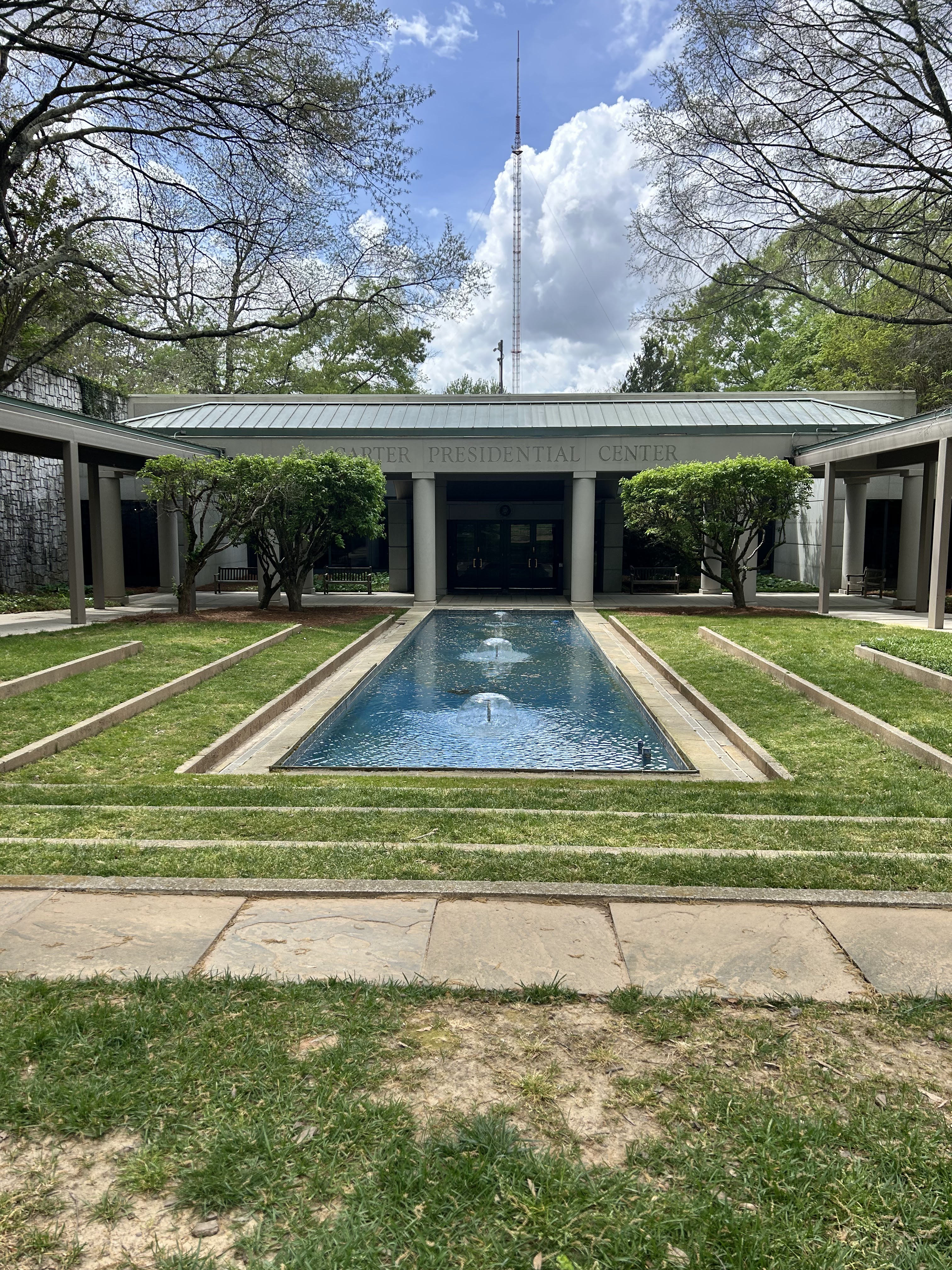
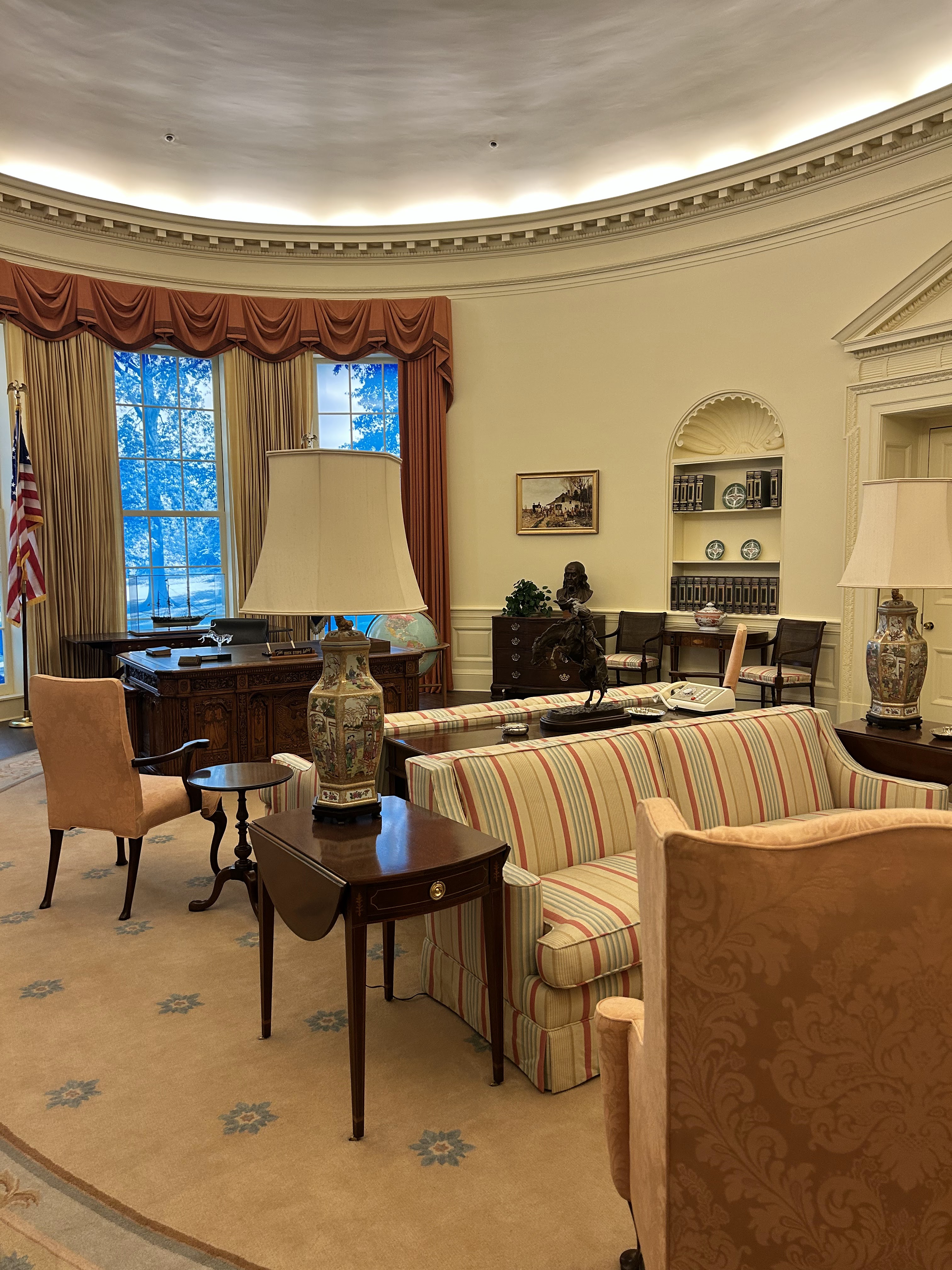
Today I visited the Jimmy Carter Museum and made a day of it by walking the Atlanta Beltline and eating lunch at one of my favorite restaurants in Atlanta. I met up with two college friends, that even though they have lived here 35 years, had never visited the museum.
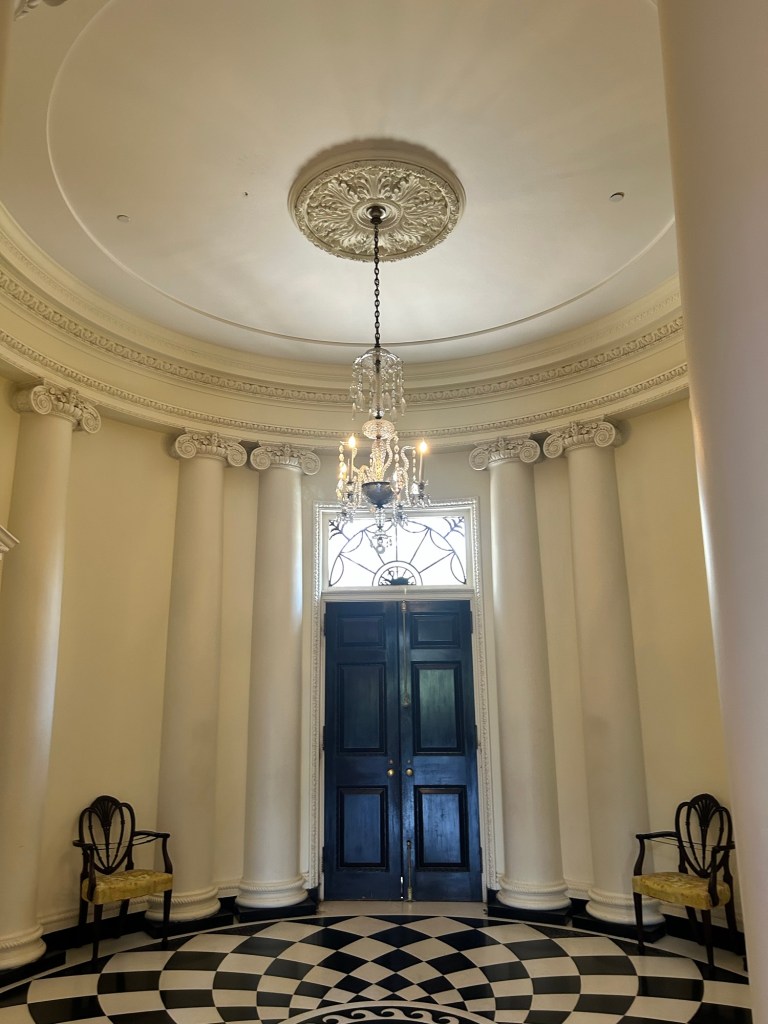
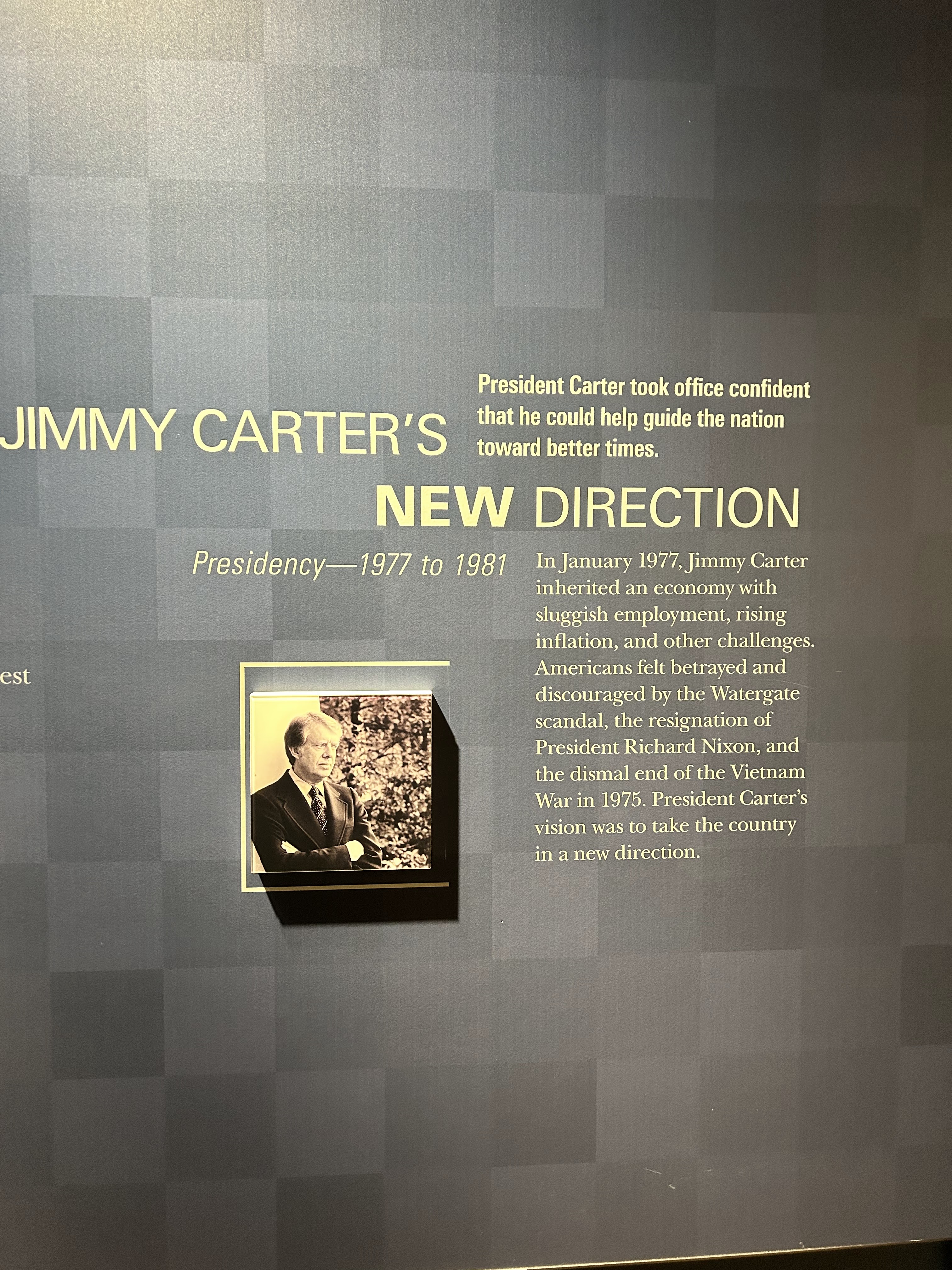
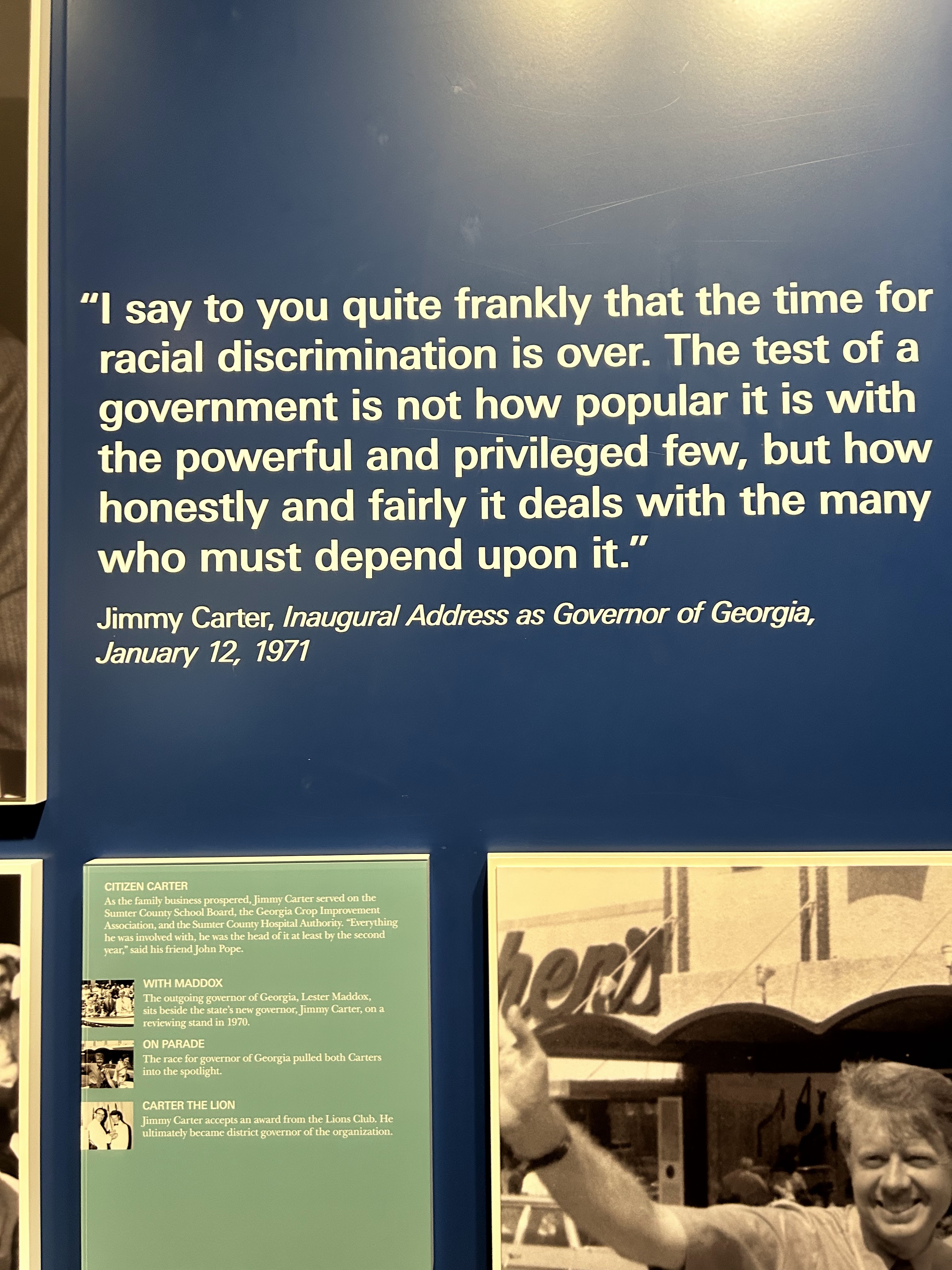
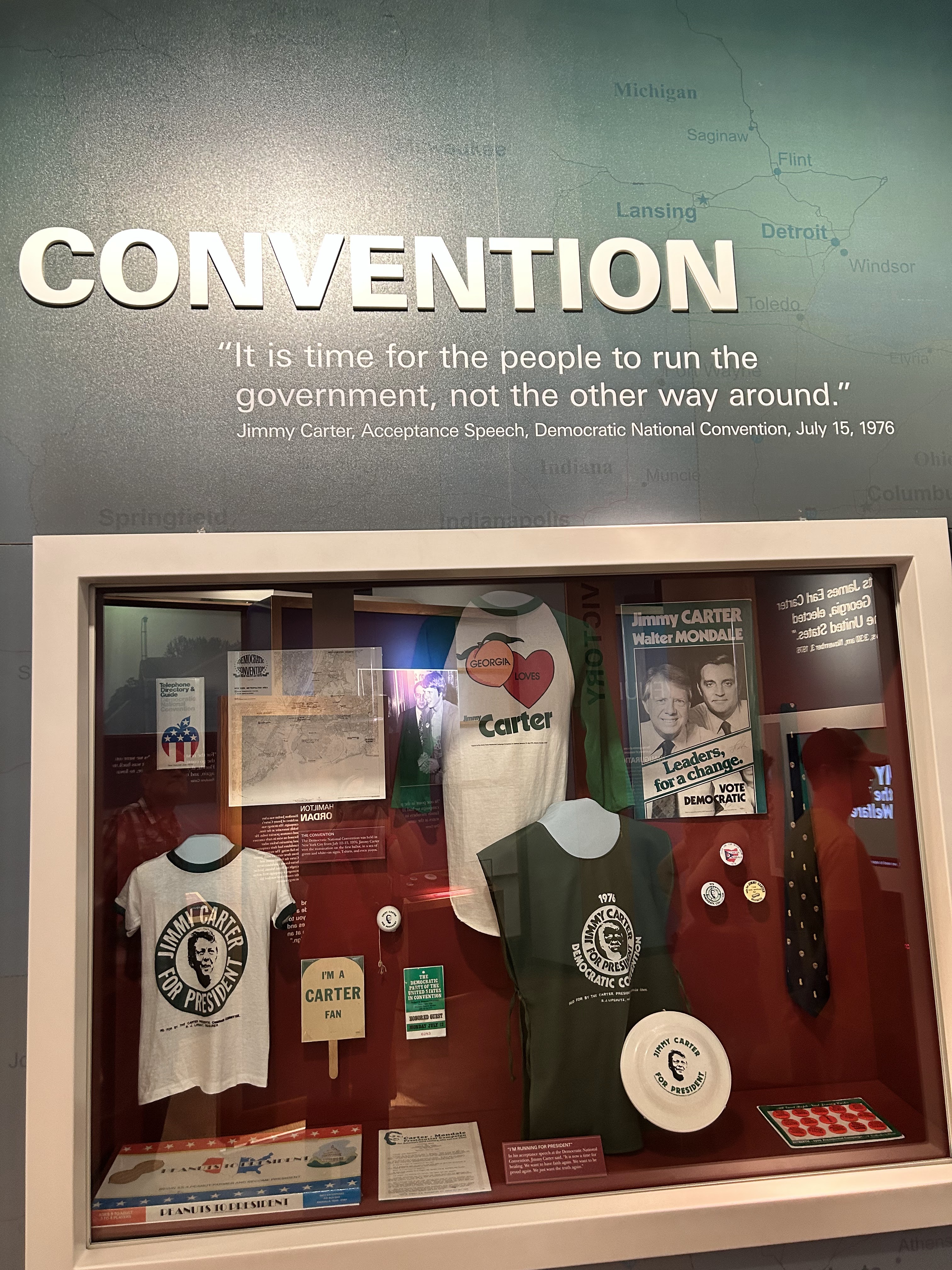
Jimmy Carter was president when I was ten years old so I learned a ton about his background and accomplishments. He grew up in Plains, GA and his father was a peanut farmer and strict segregationist. His mother was a nurse and believed everyone was equal. Carter joined the Navy but soon realized he would have more impact on the world in politics. He was a senator for two terms, then the Governor and finally a U.S. president for one term in 1977.

He created the Energy Department, the Panama Canal Treaty and the Egypt/Israel Peace Treaty. He also led a country healing from the atrocities of Vietnam and Watergate. Civil rights, human rights and compassion were most important to him and he relied on his wife, Rosalynn Carter, to be his confidante and advisor while leading.

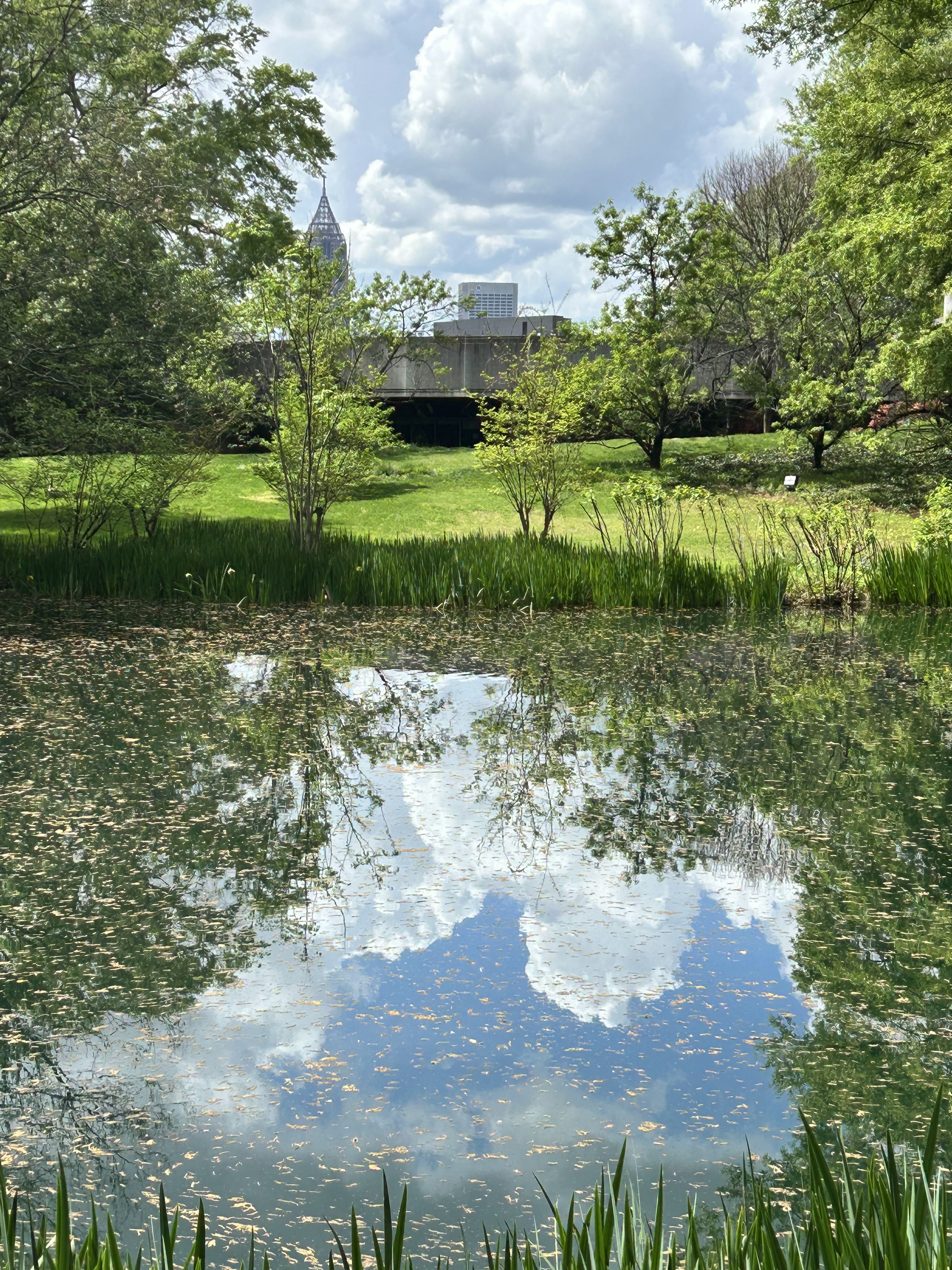
The museum also houses a conflict center. The gardens were in full bloom and beautiful. The area is peaceful even though it is very close to the Beltline and a lively area of Atlanta. The museum used films, interactive displays, photos and memorabilia to share a great deal of information and certainly was worth visiting.

Atlanta History Center

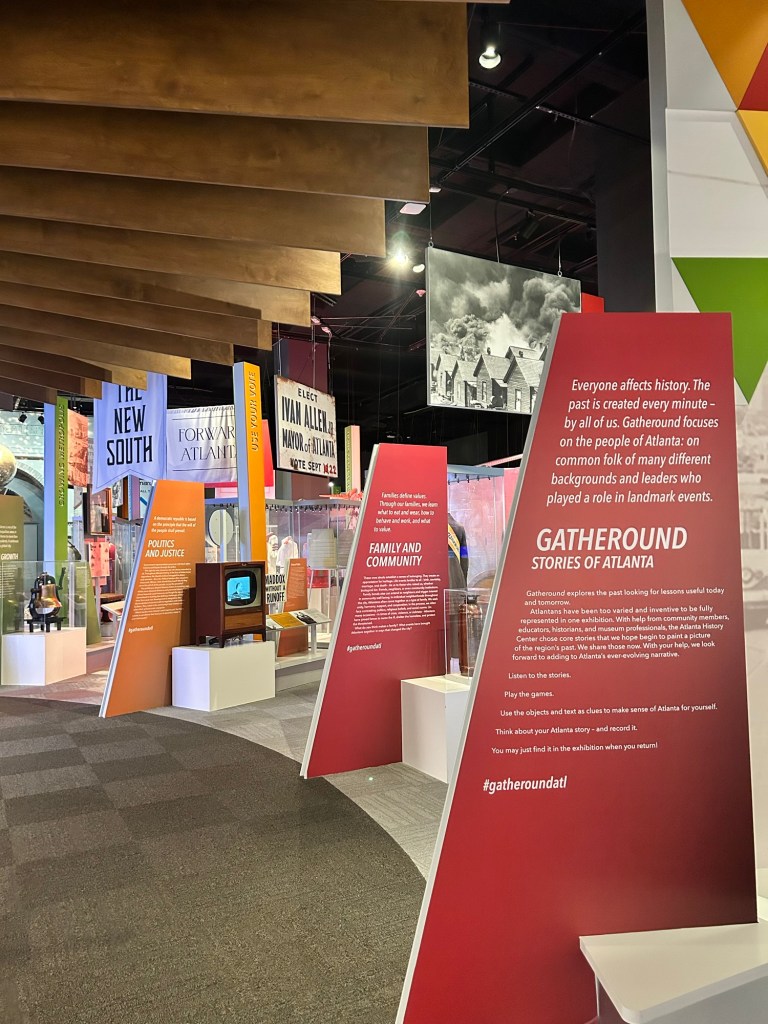
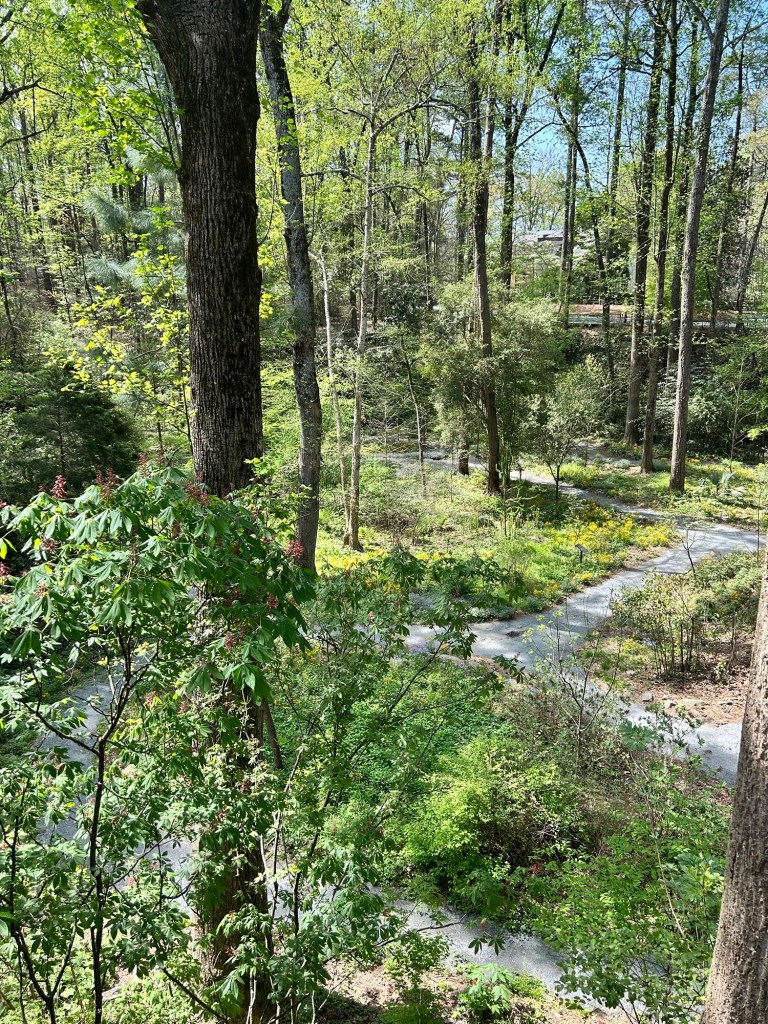
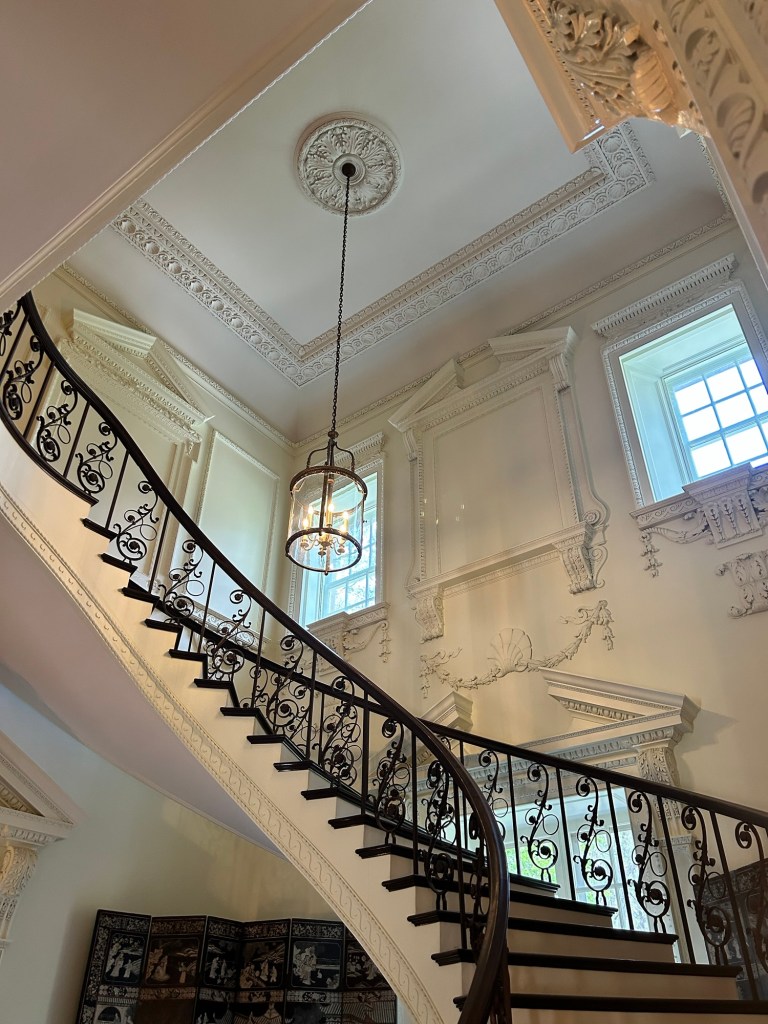
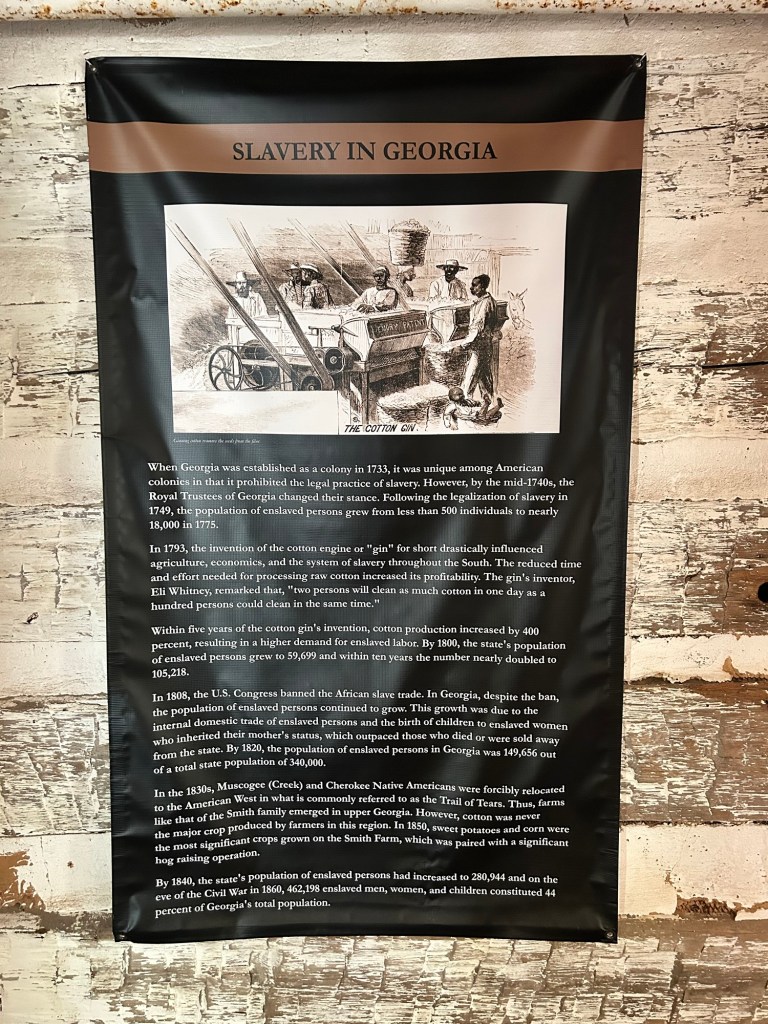
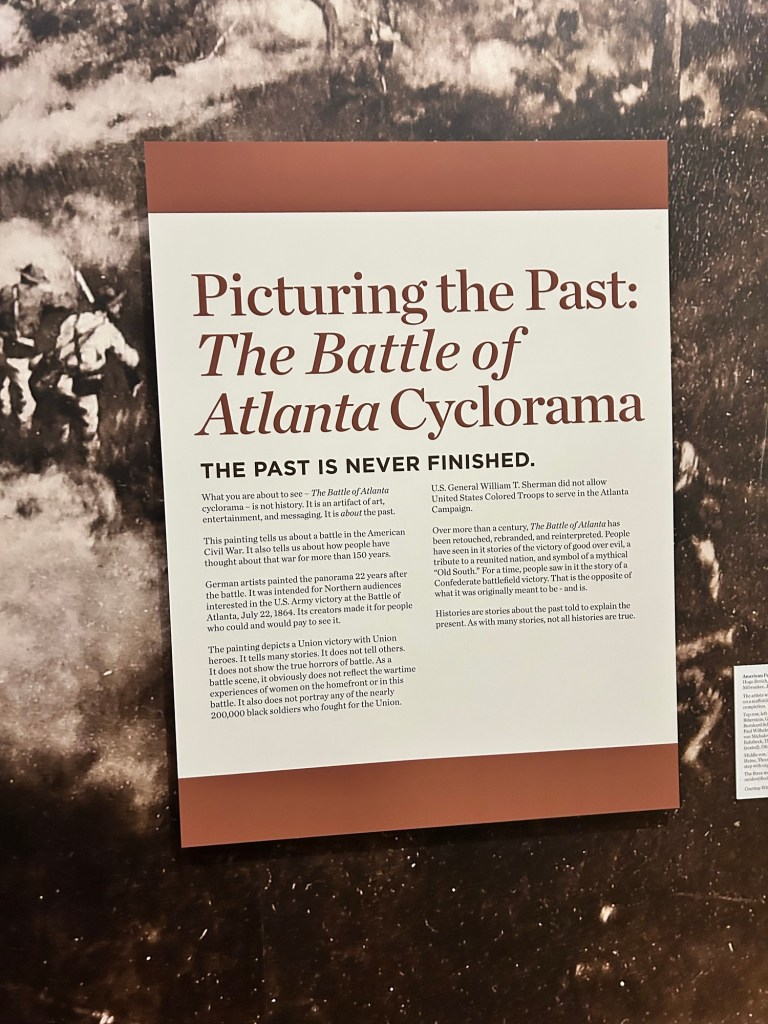
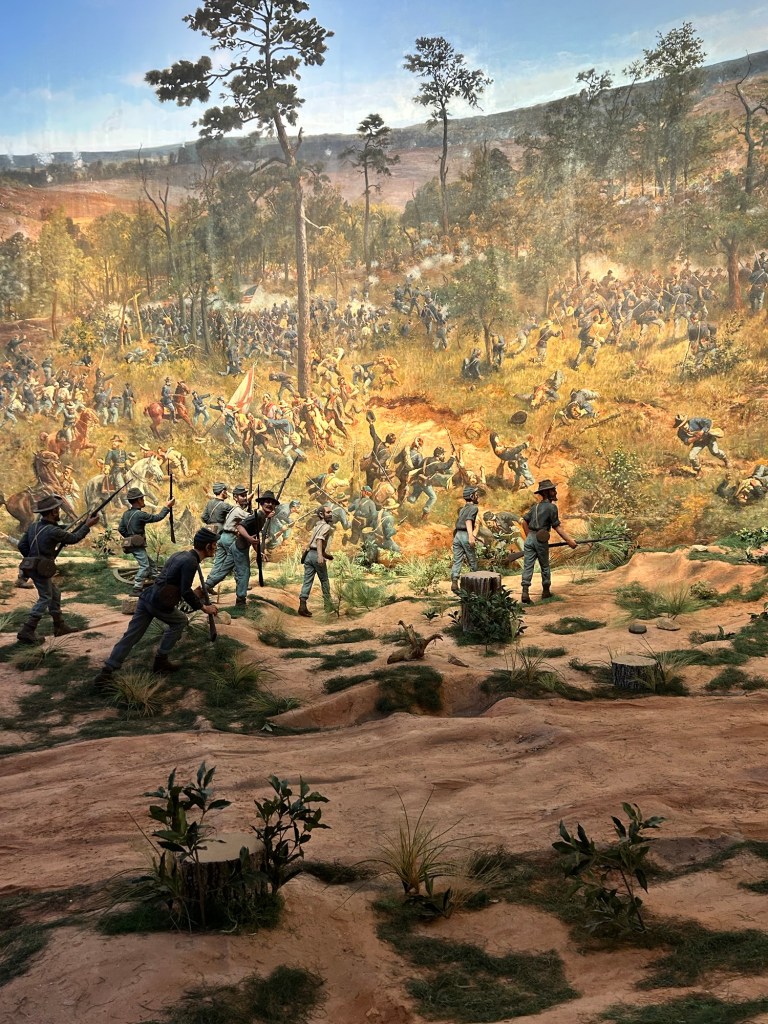
Today I visited the The Atlanta History Center. It is one of the most varied museums I’ve seen with a large museum, three historic houses, and 33 acres of gardens and trails. Key things to see include the iconic Cyclorama painting, the elegant Swan House mansion, and the interactive Smith Family Farm.
The Golden Isles

The Golden Isles of Georgia are comprised of four barrier islands: St. Simons Island, Sea Island, Little St. Simons Island and Jekyll Island. Since Sea Island is private and Little St. Simons Island can only be reached by boat, I am exploring the remaining two islands.
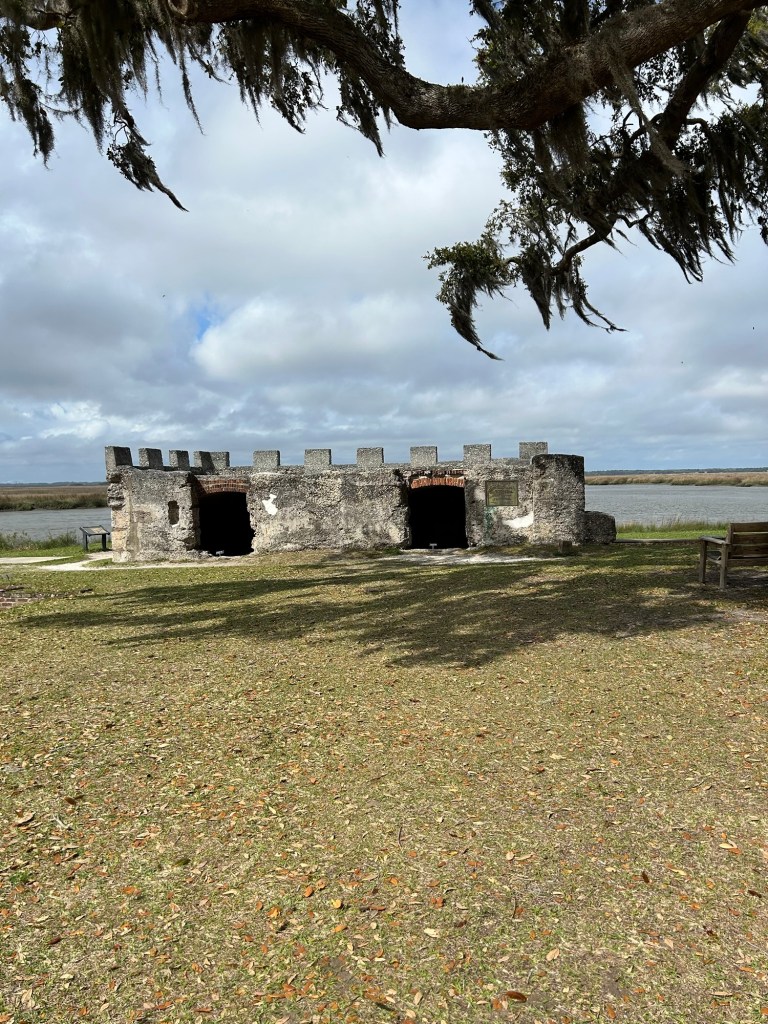
My day started in Savannah and an easy hour and a half drive south landed me in St. Simons Island. I visited Fort Frederica first. This fort was built in 1736 to protect General Oglethorpe’s Georgia colony from the Spanish in Florida. It sits on the Frederica River and was a perfect stop to stretch our legs.

Fort Frederica

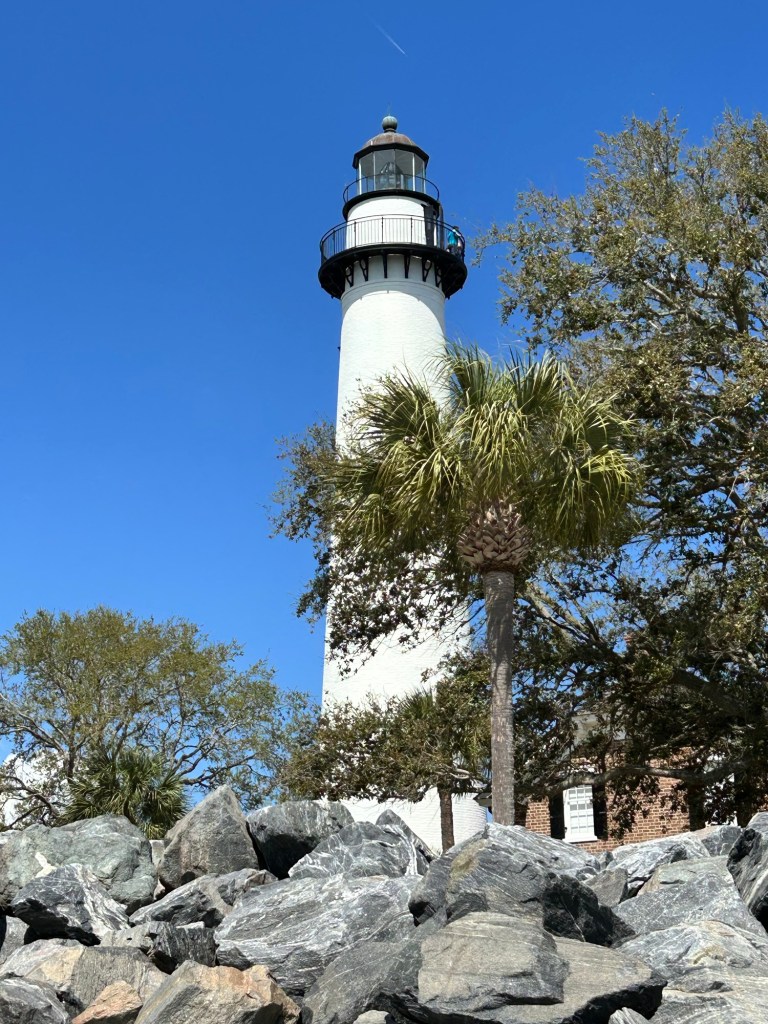
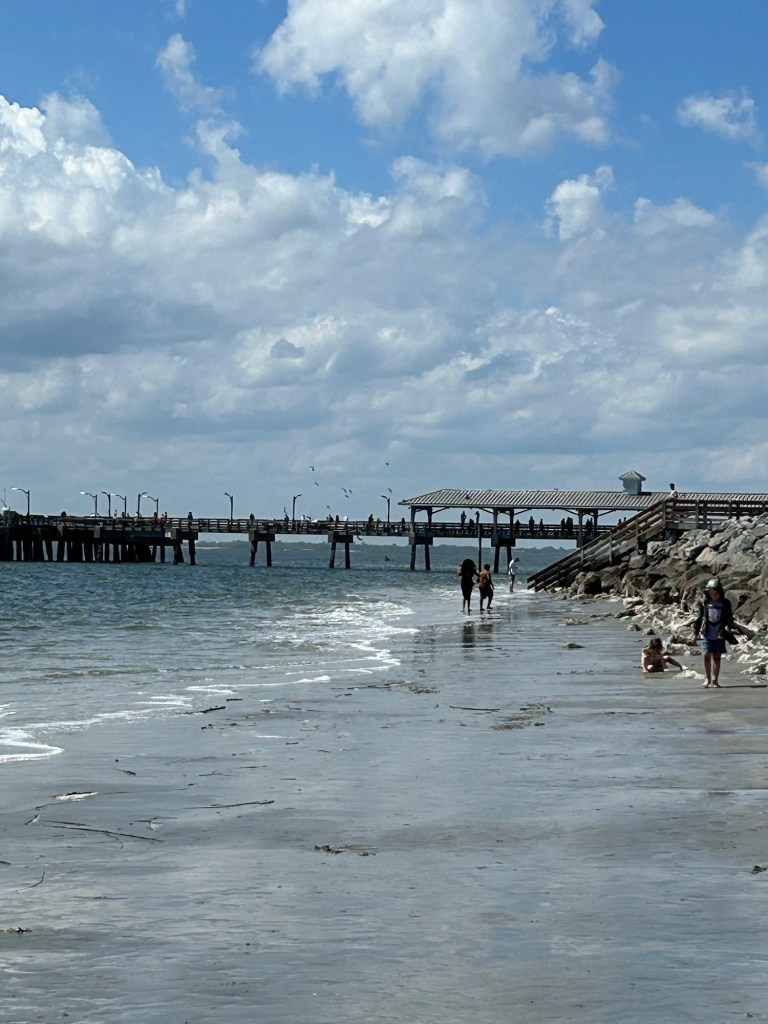
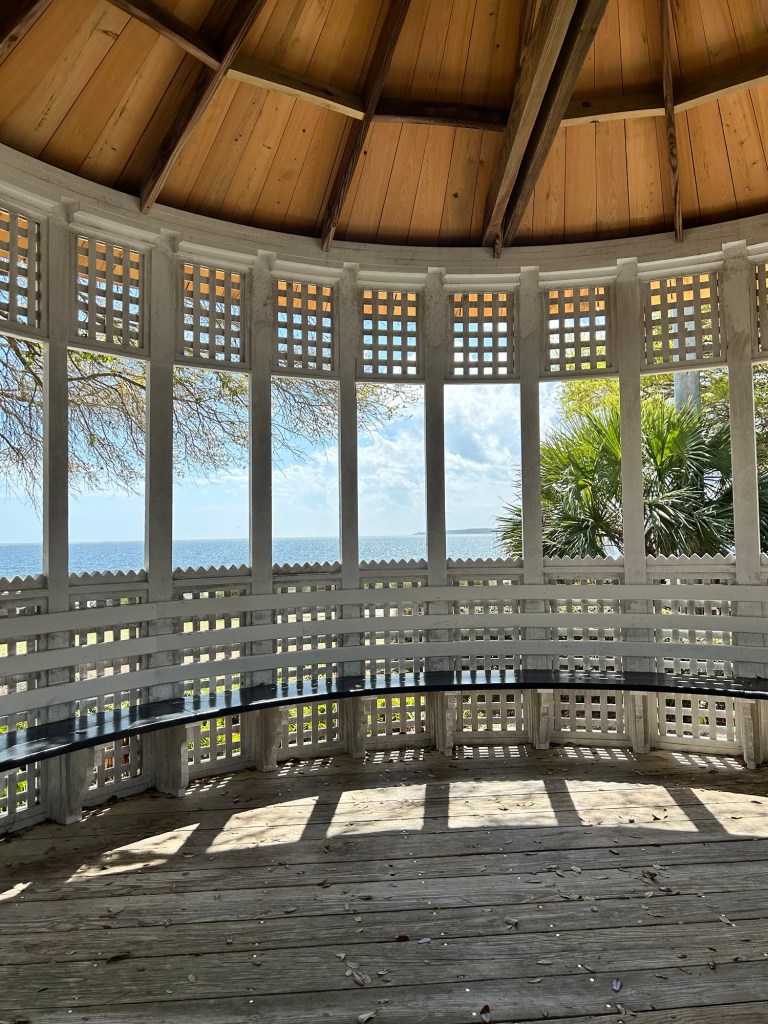
We then headed to Pier Village where my hotel is located but since check-in wasn’t for a few hours, Pete and I walked the pier, the iconic lighthouse and the beach.

With more time to kill, I decided to drive to Jekyll Island. Although not far away in miles, it is not exactly a straight shot so it took about 40 minutes to get there.

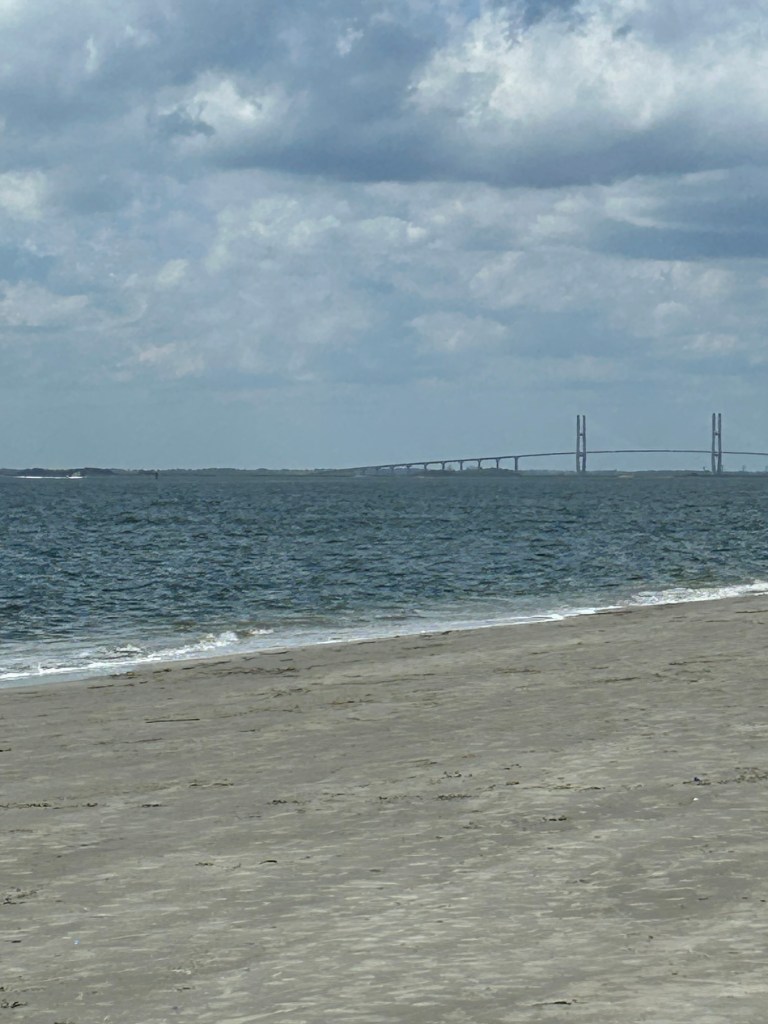
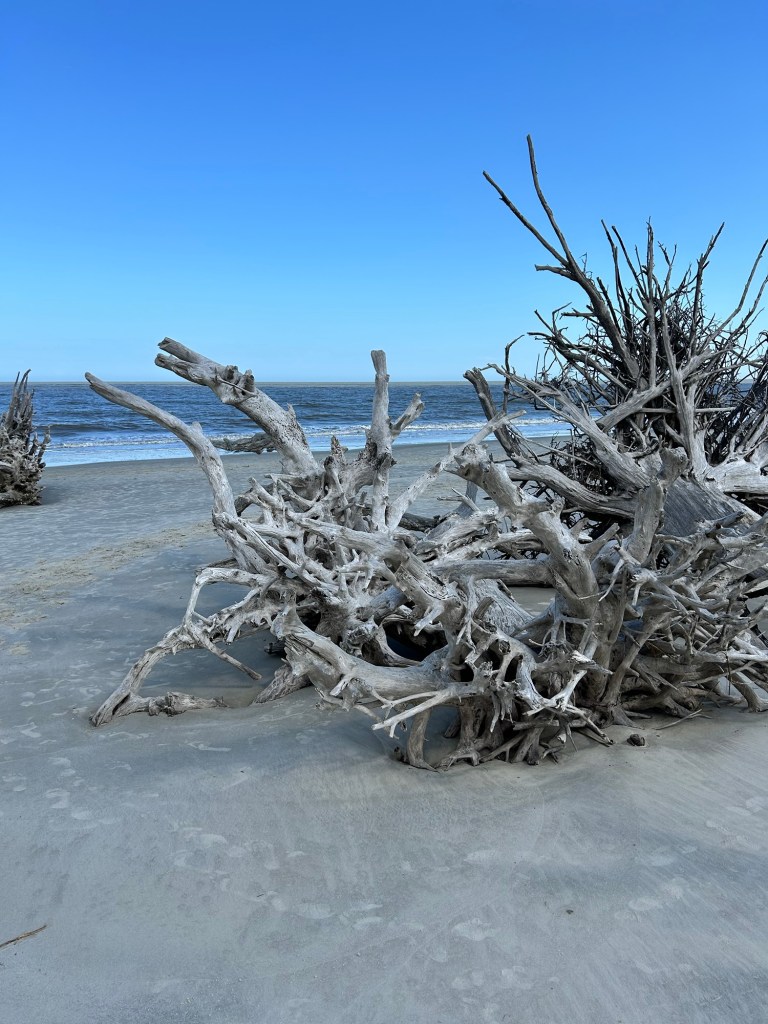
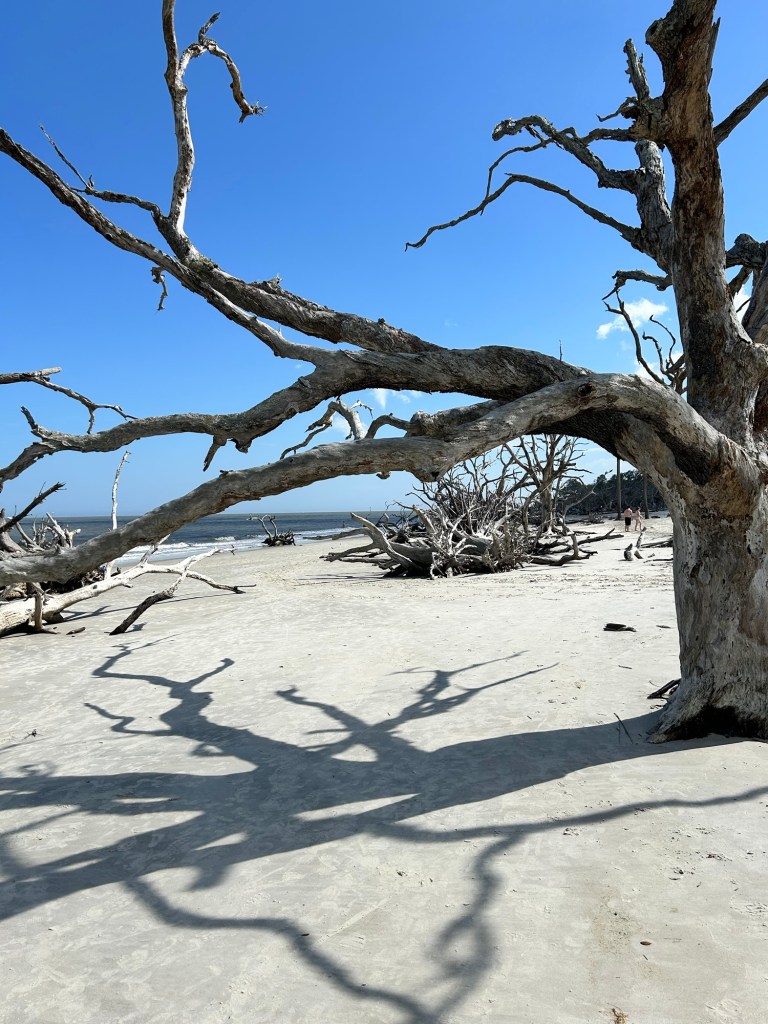
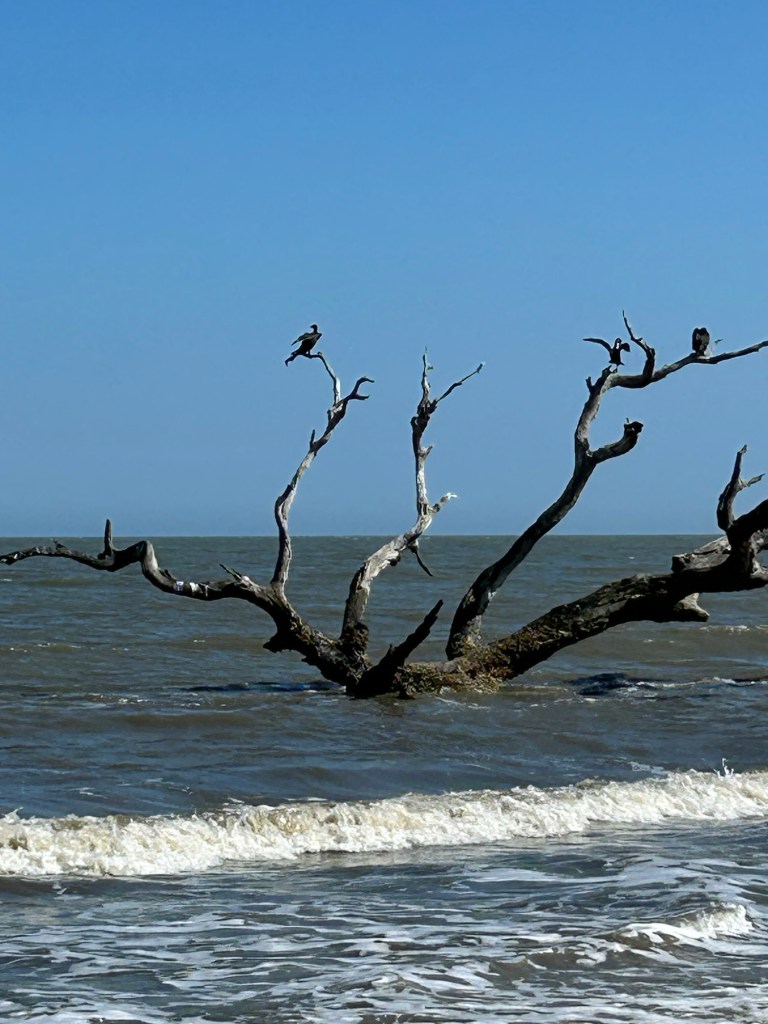
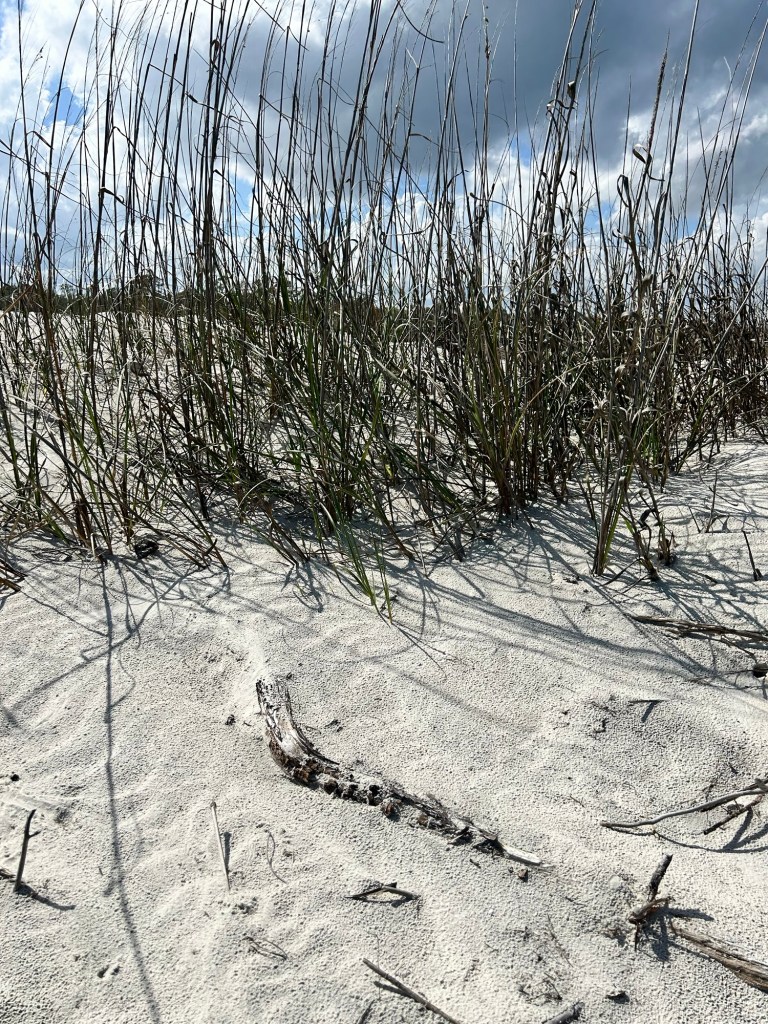
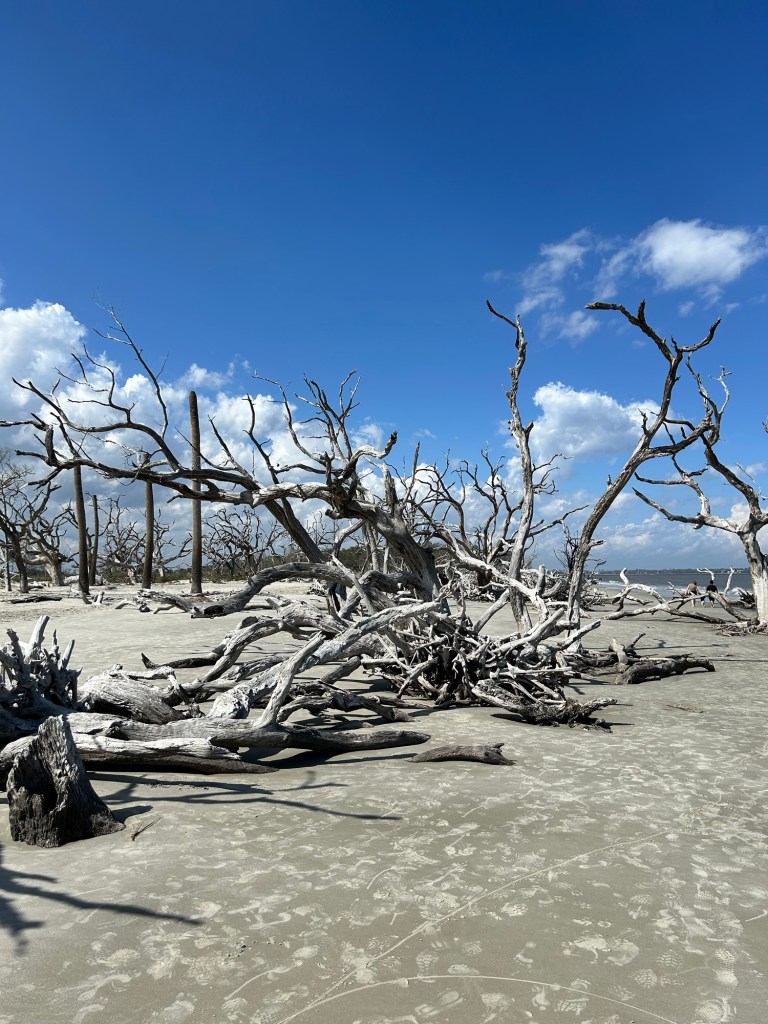
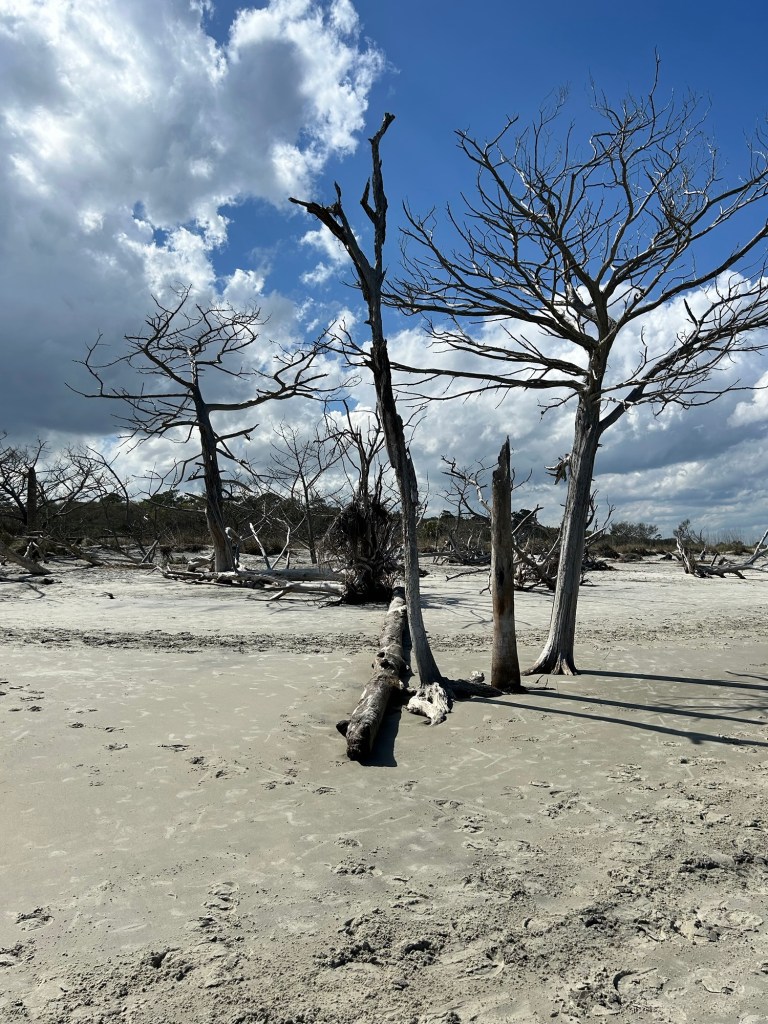
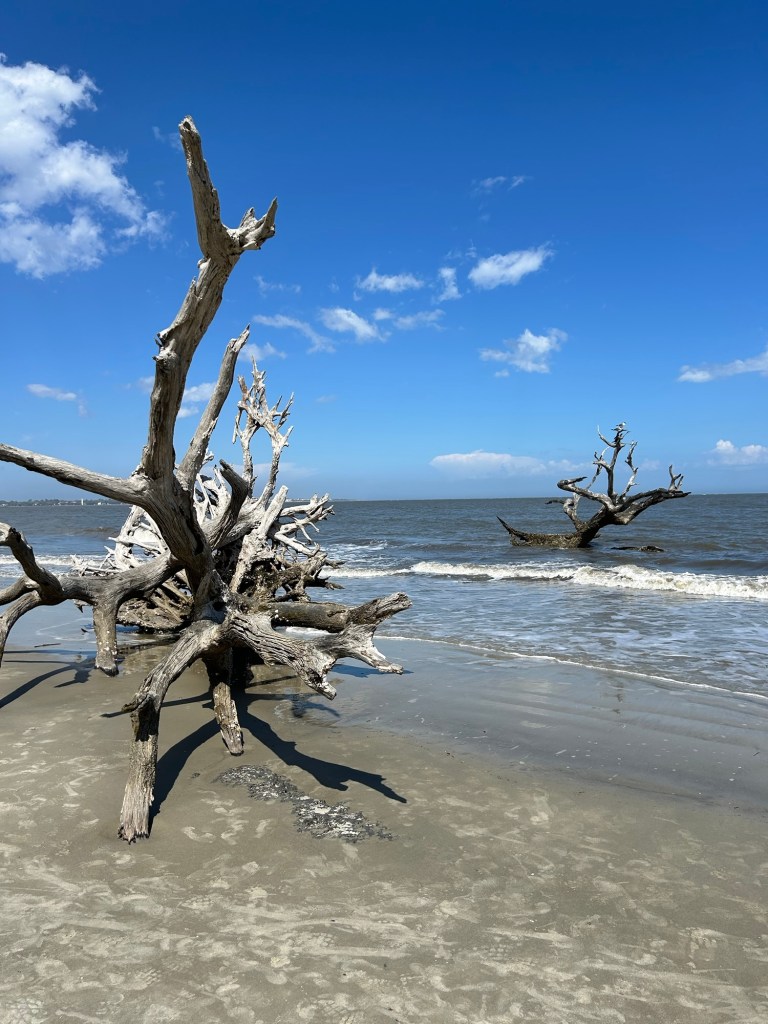
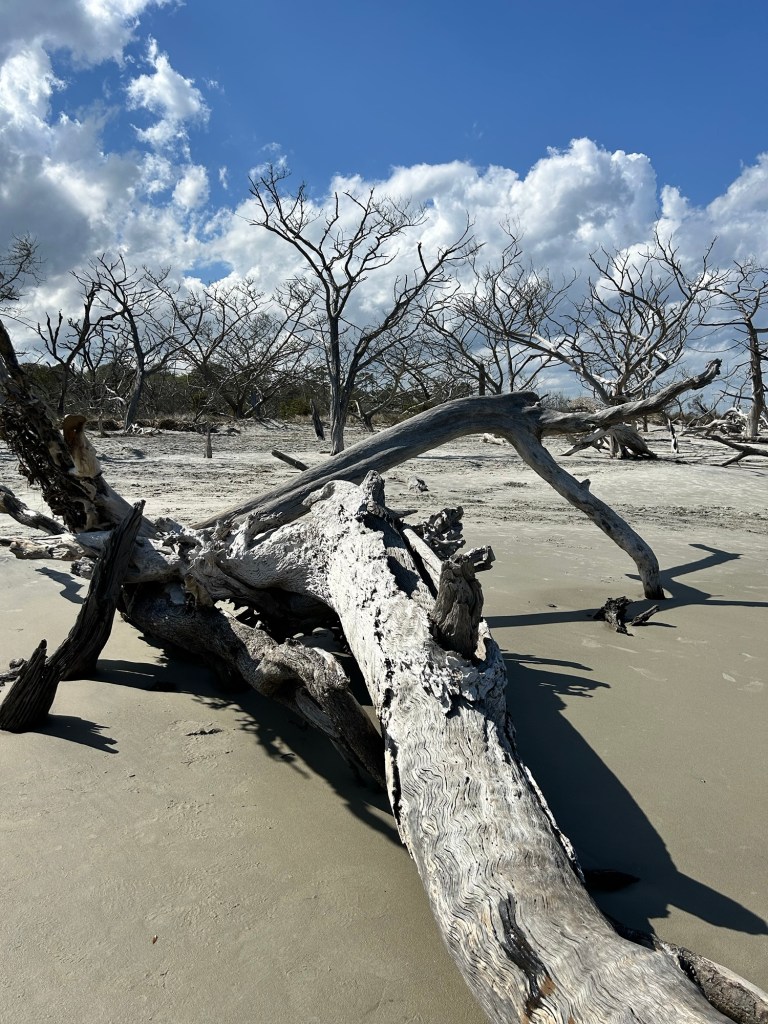
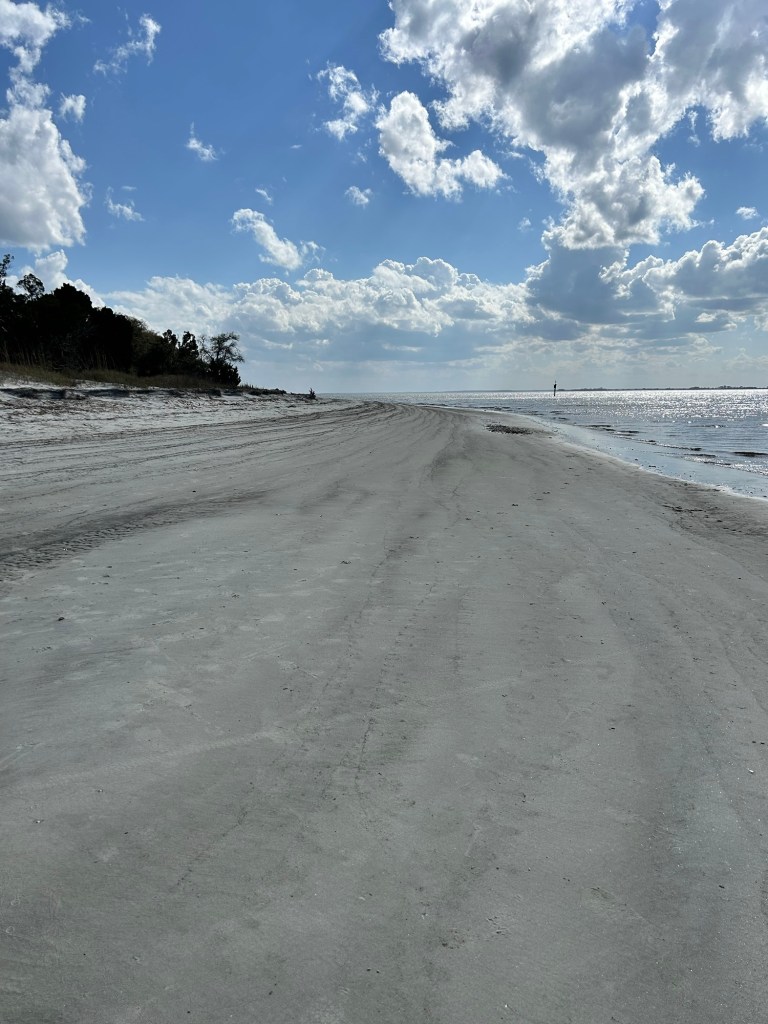
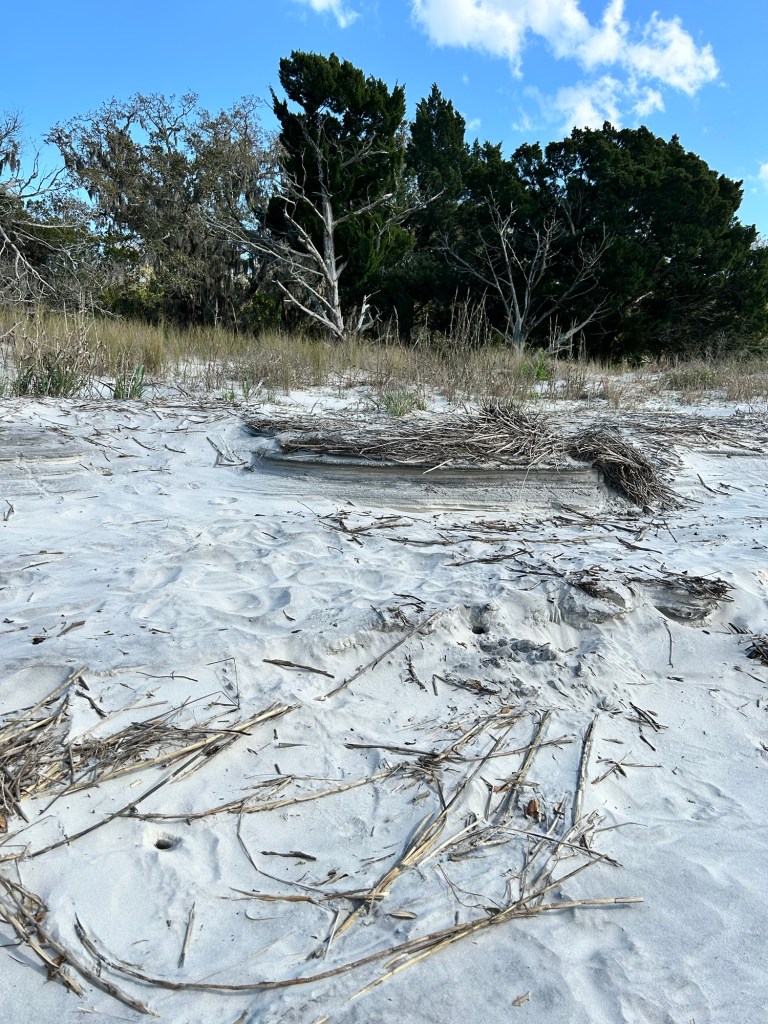
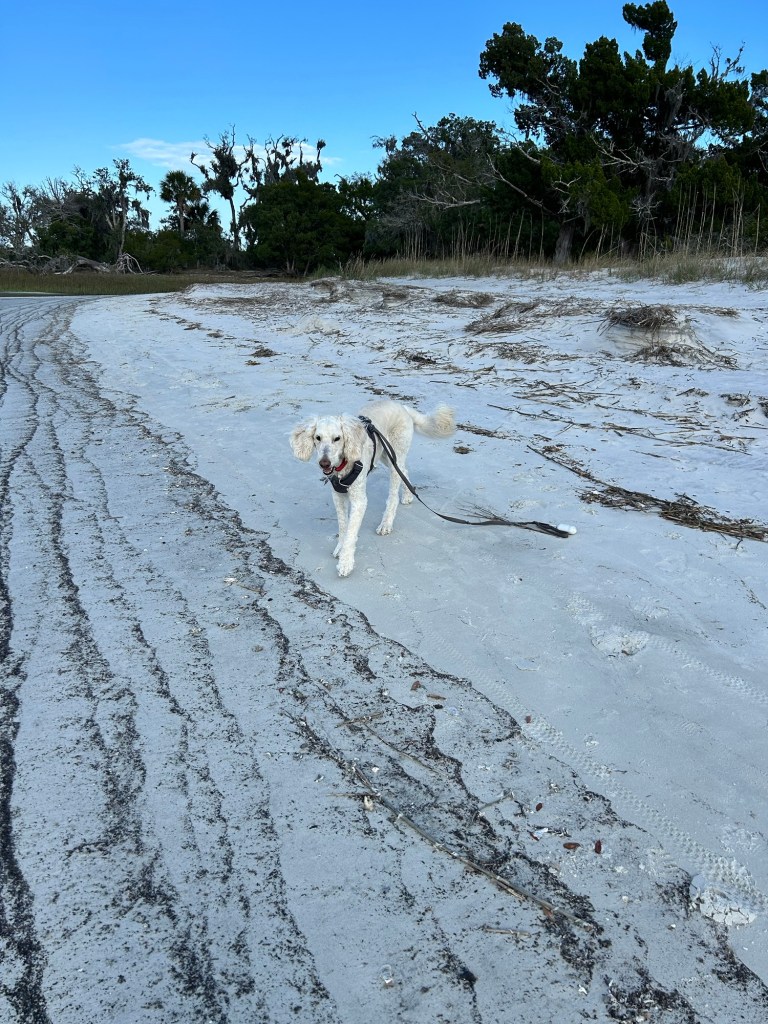
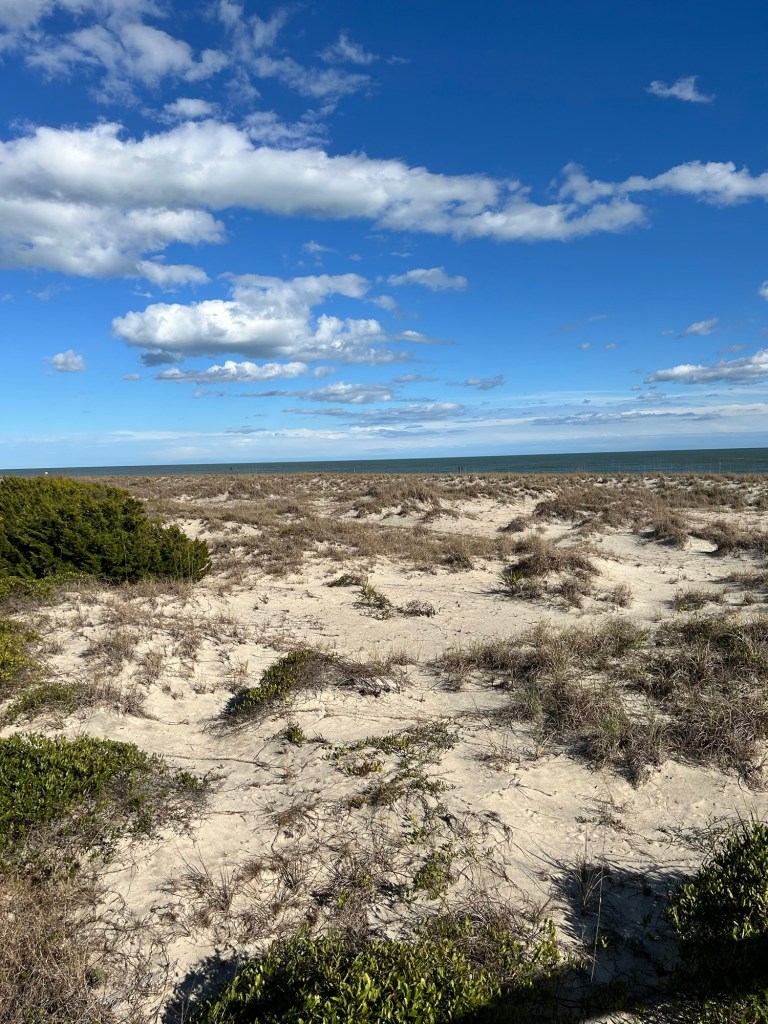
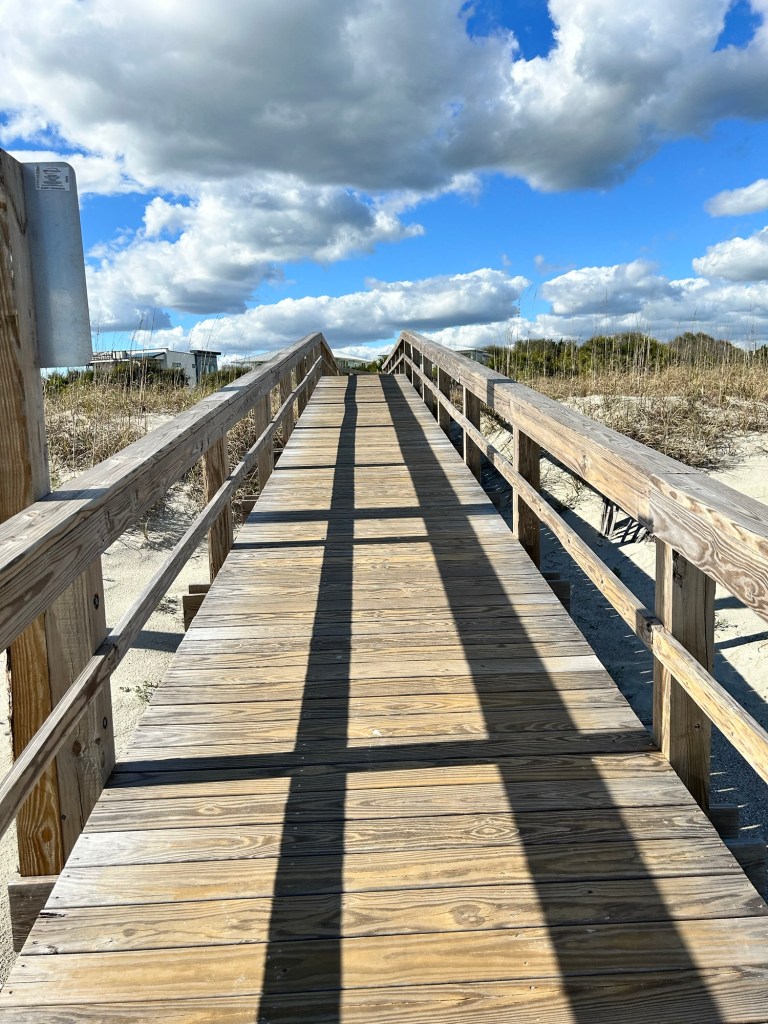
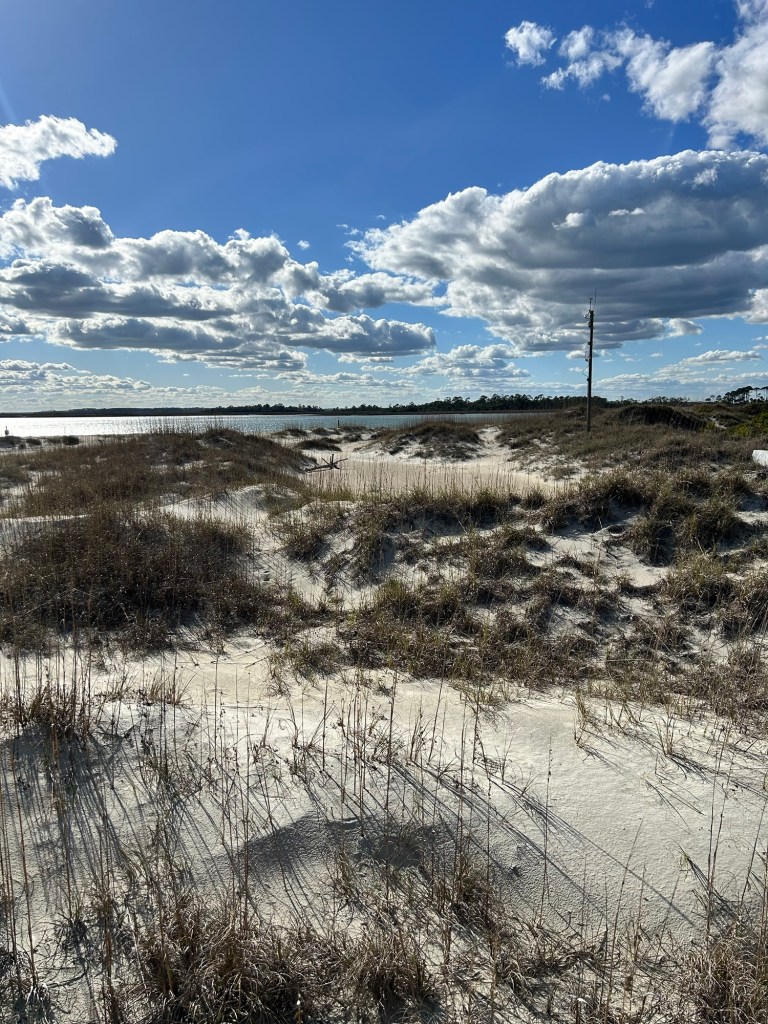
I drove to Driftwood Beach first. A short sandy path drops you onto a breathtaking beach that you truly don’t expect. Once a forest, erosion and salt water created this symphony of tree trunks littered on the beach and in the water during high tide.

I then drove a few miles to the Historic District on Pier Road. Originally this area was an exclusive winter retreat for the wealthiest families in America. It’s 240 acres and now contains shops, in addition to a luxurious hotel.

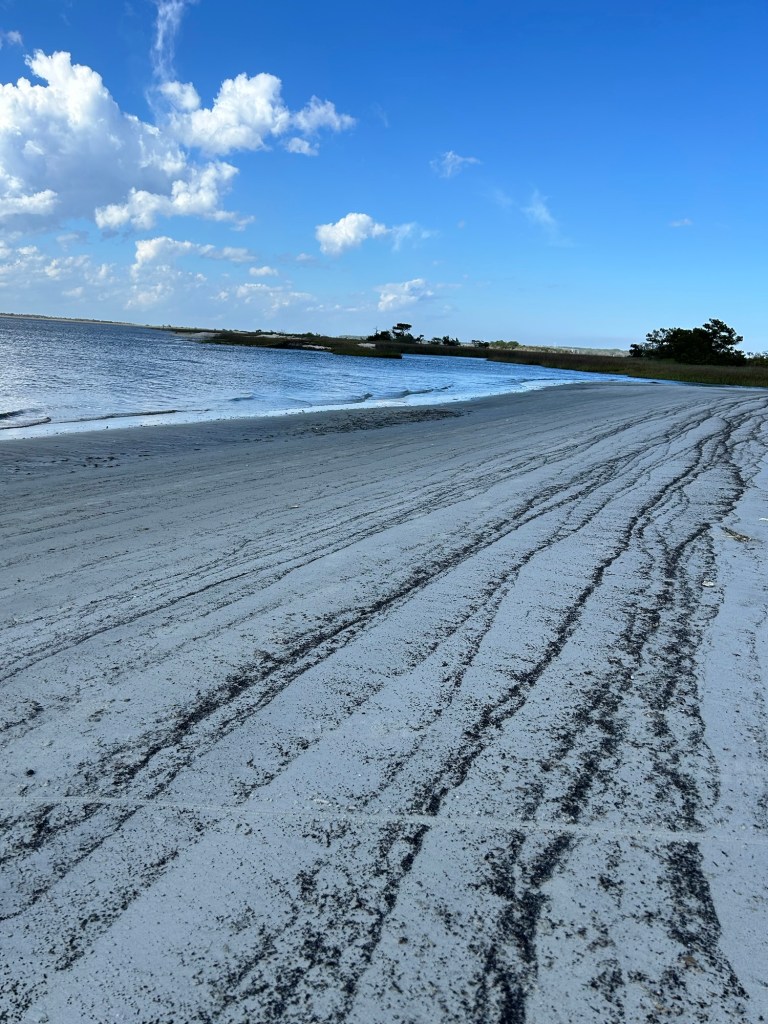
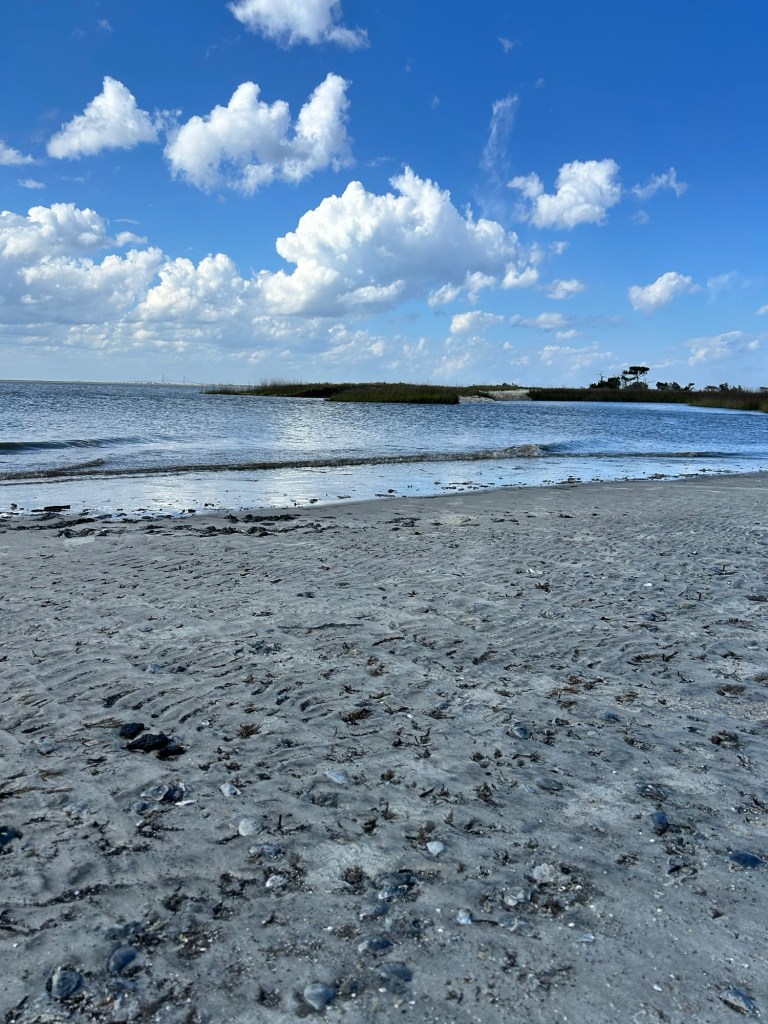
We drove a few more miles to the west end of the island to see St. Andrew’s Beach. It’s supposedly the spot for sunset pictures.

It was truly a perfect day with sunny weather and beautiful sites. The busy season is just starting here and I can easily imagine lazy summer days in this unique area.

Beaufort, Bluffton and the Wildlife Refuge

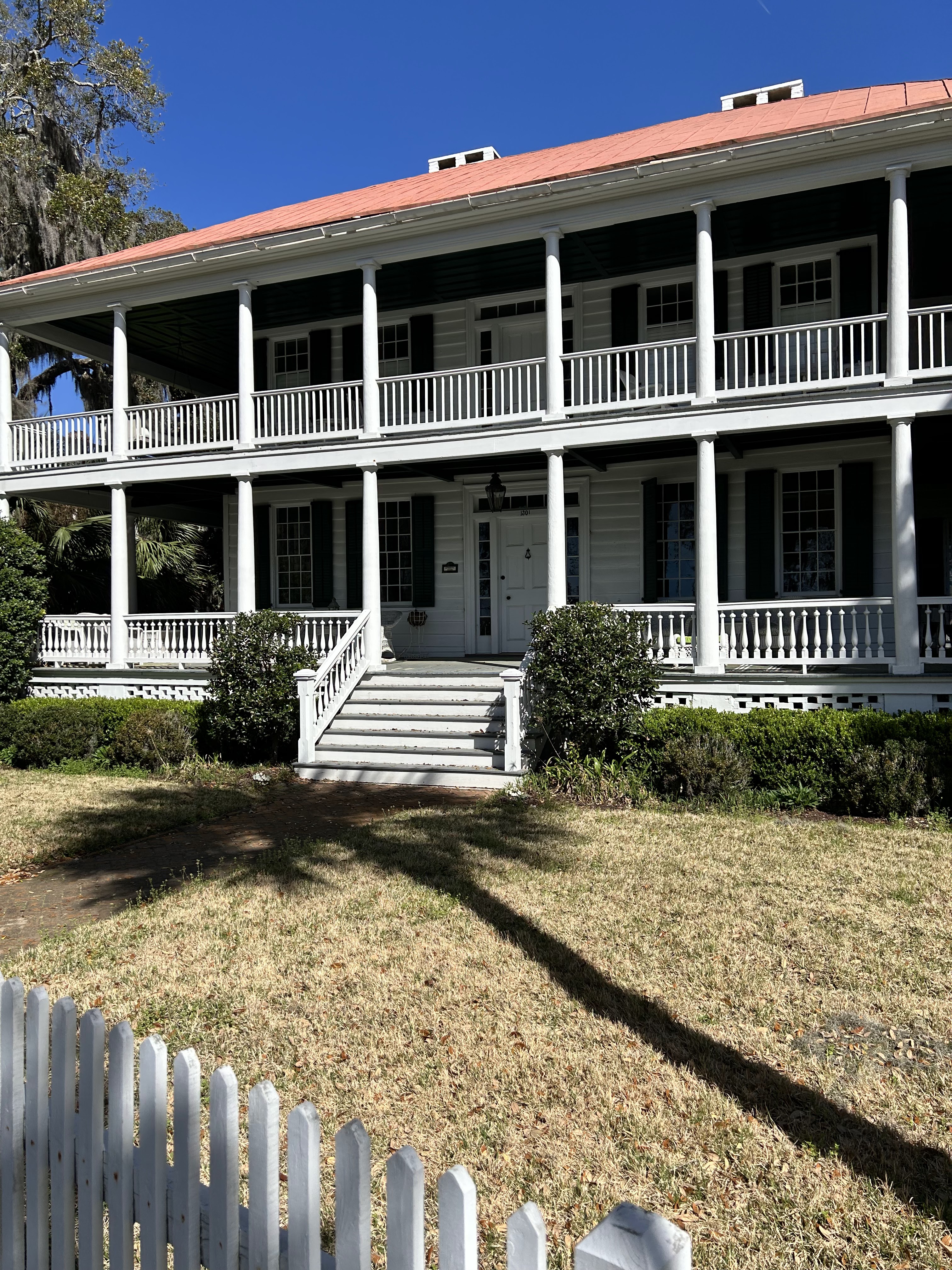
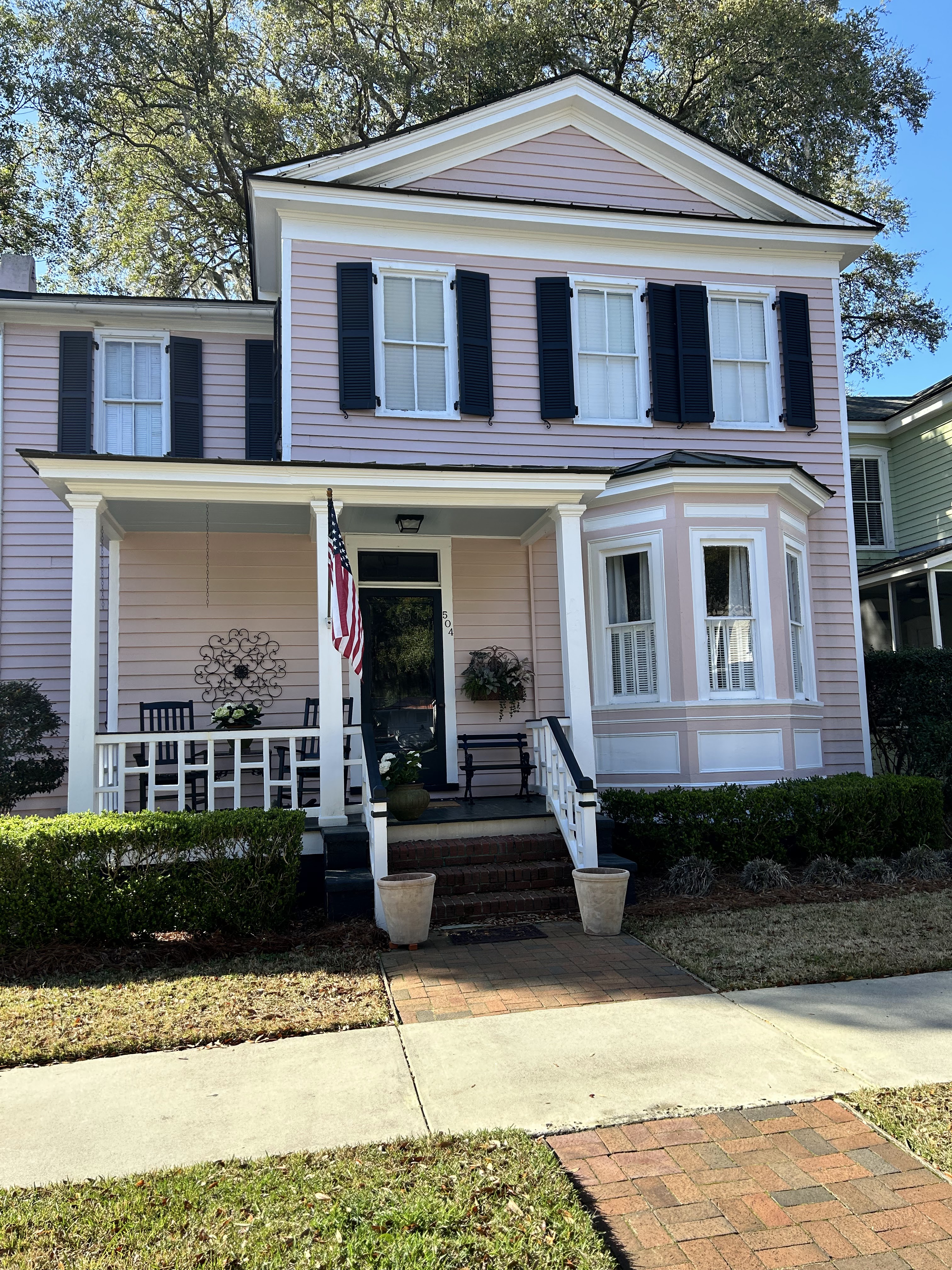
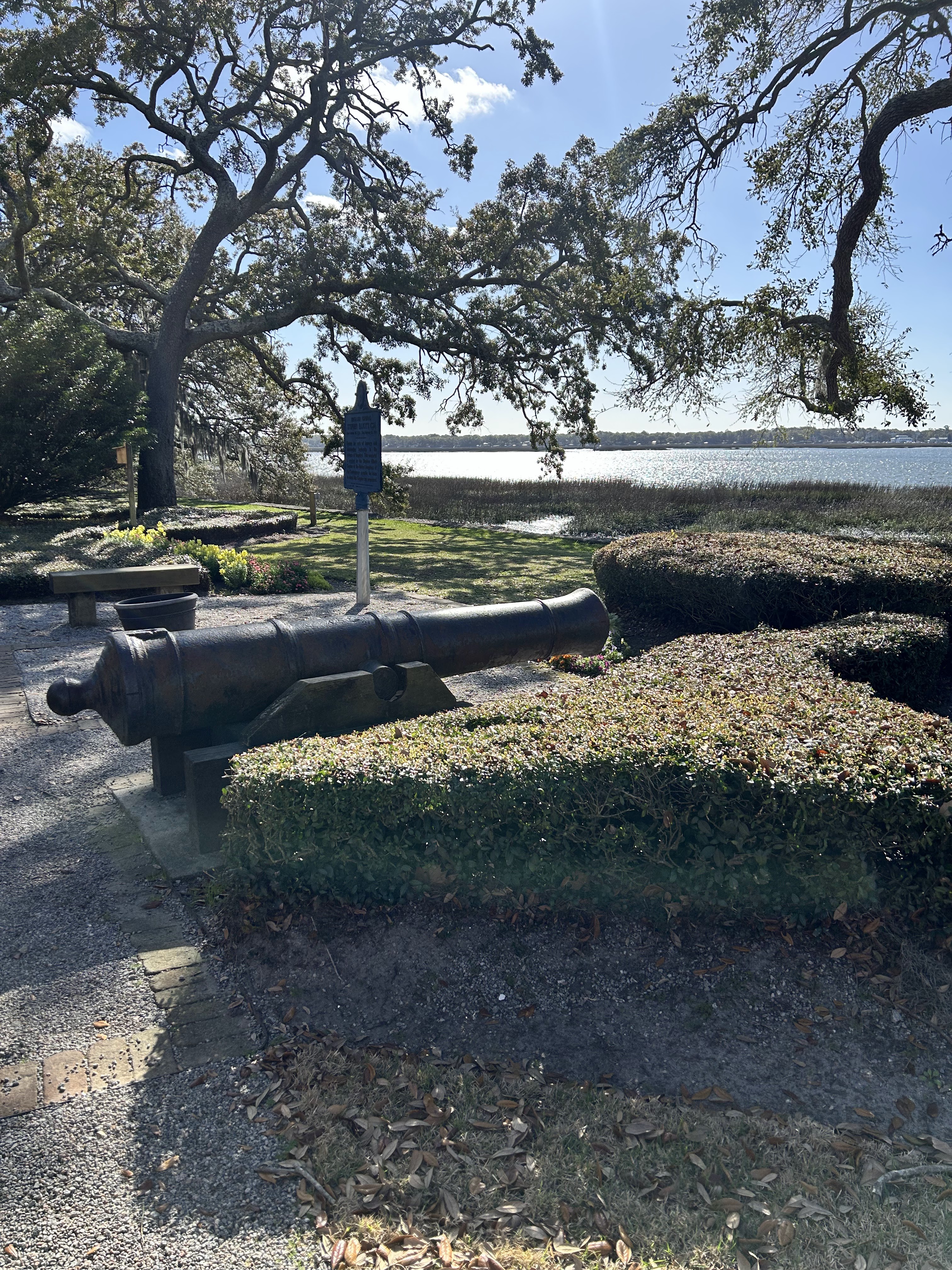
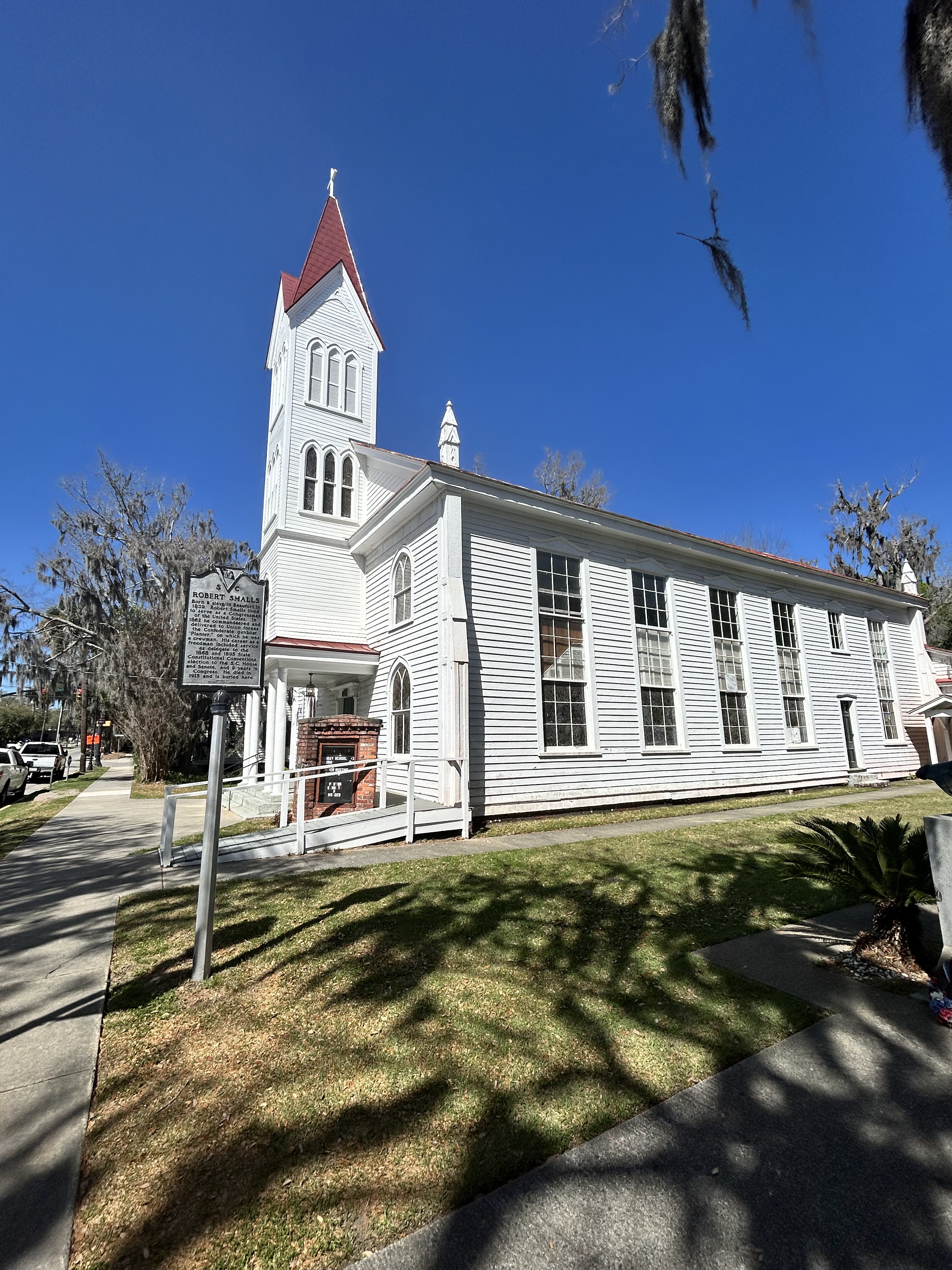
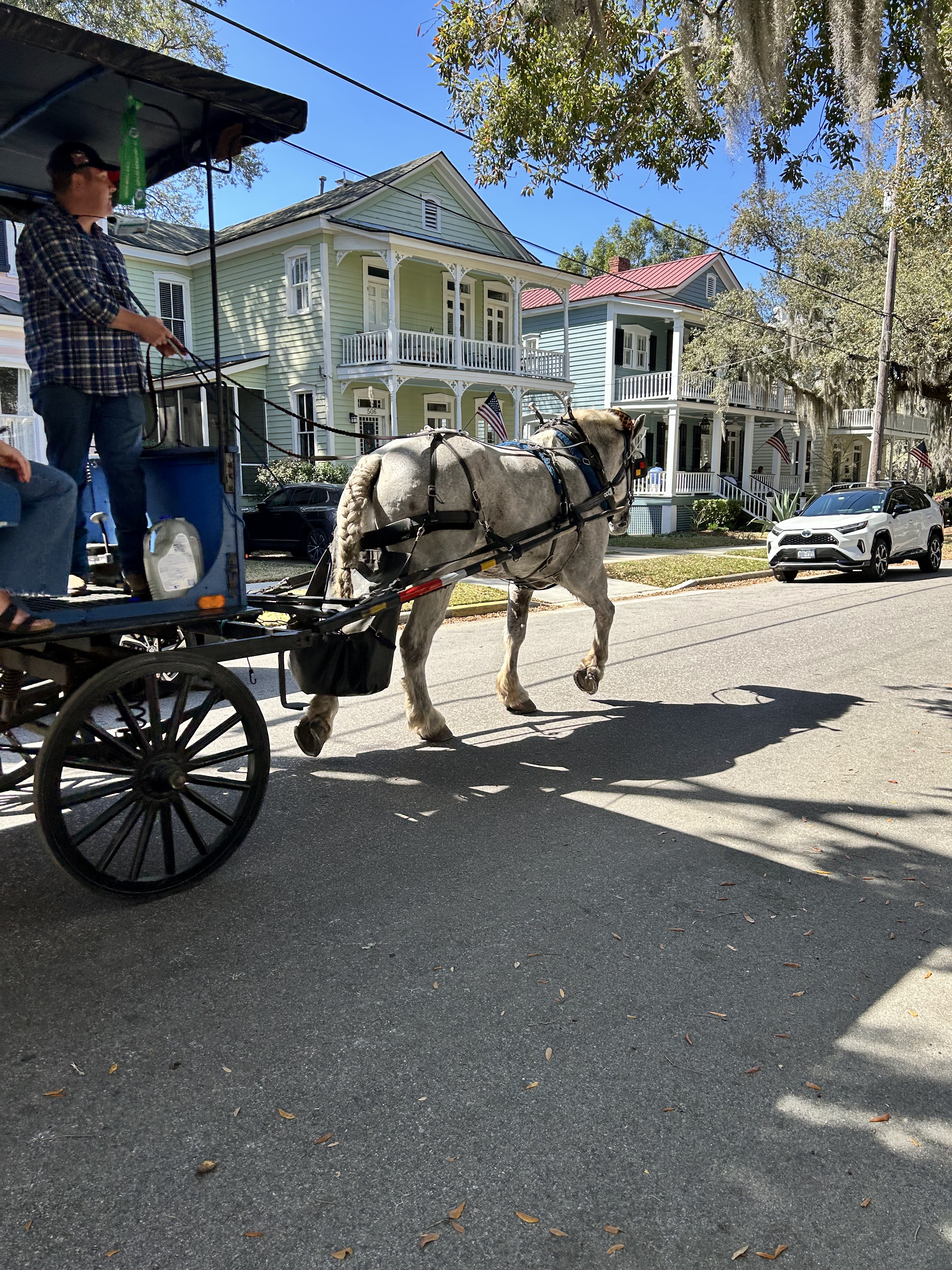
Just five minutes over a beautiful bridge from Savannah pops me into South Carolina. And an hour drive (about 38 miles) lands me in the surreal, charming town of Beaufort. Beaufort is the second oldest city in South Carolina with its downtown considered a historic district filled with mansions with Victorian, Greek Revival, Neo Classical and federal styles. Wealth came from cotton and indigo plantations and trading. Beaufort has quite a history and was one of the first areas captured by the Union in the Civil War. I visited the Reconstruction Era National Historical Park which shared the history of how freed slaves grew wealth and prosperity in Beaufort, too.

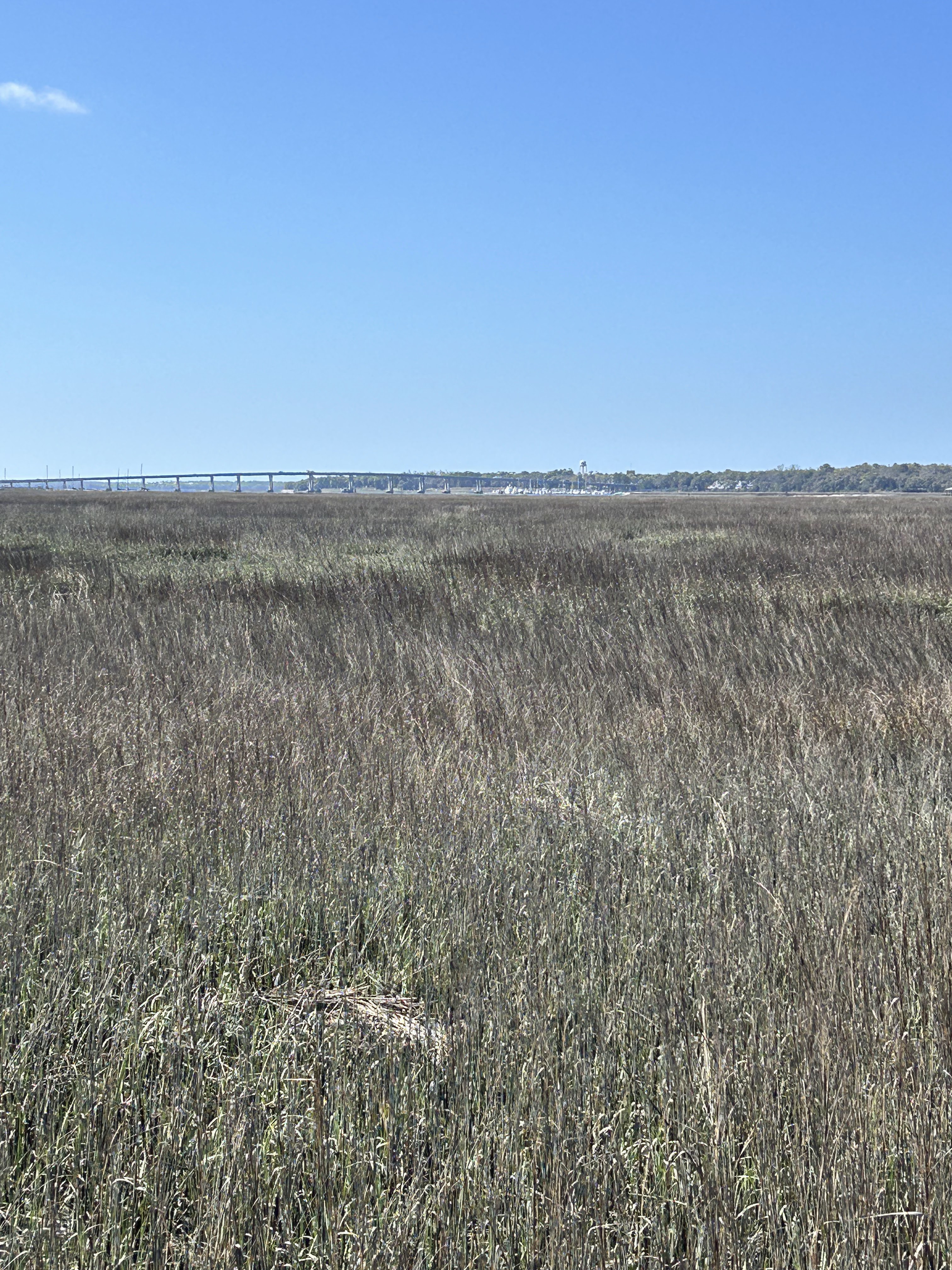
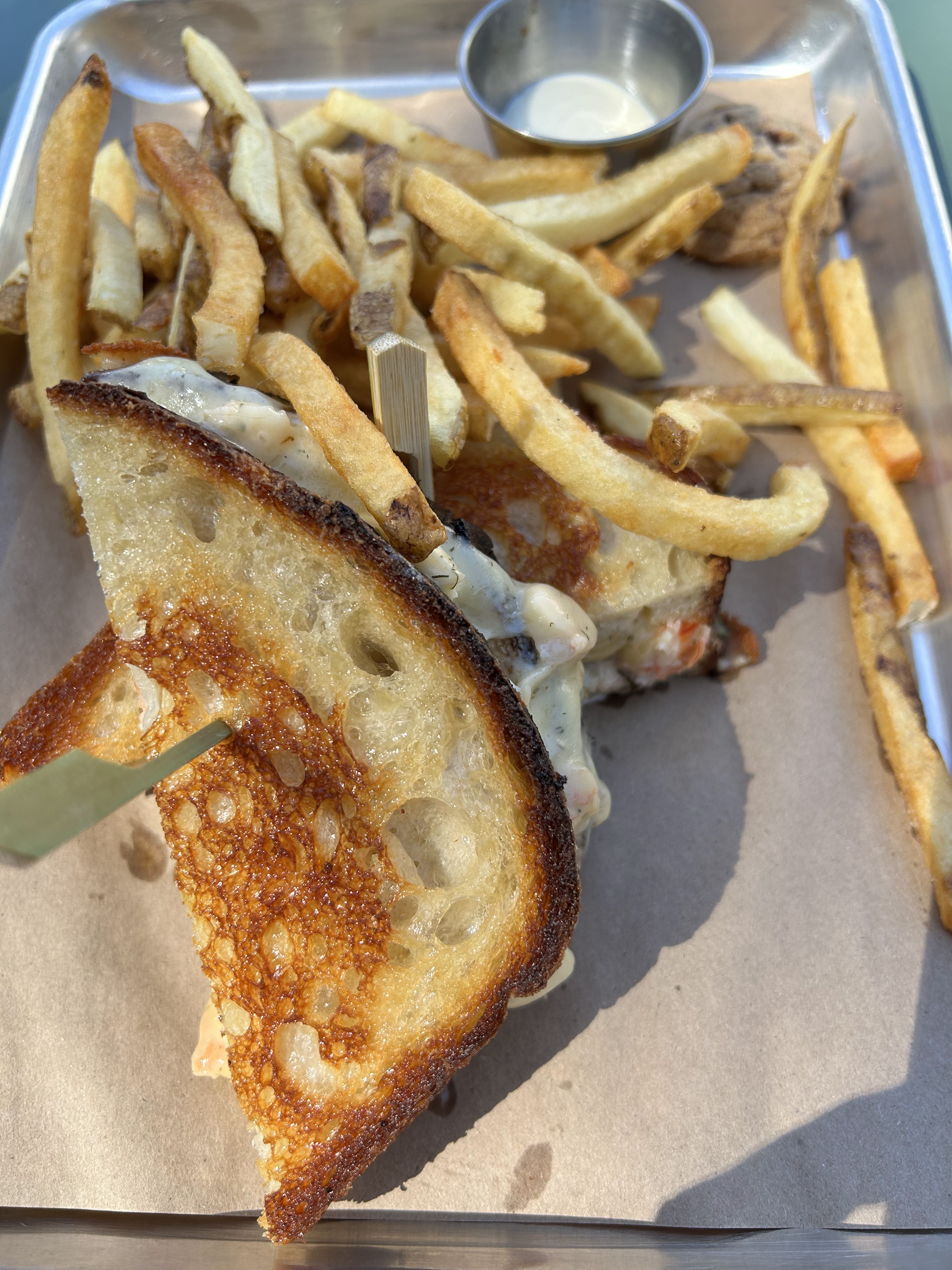
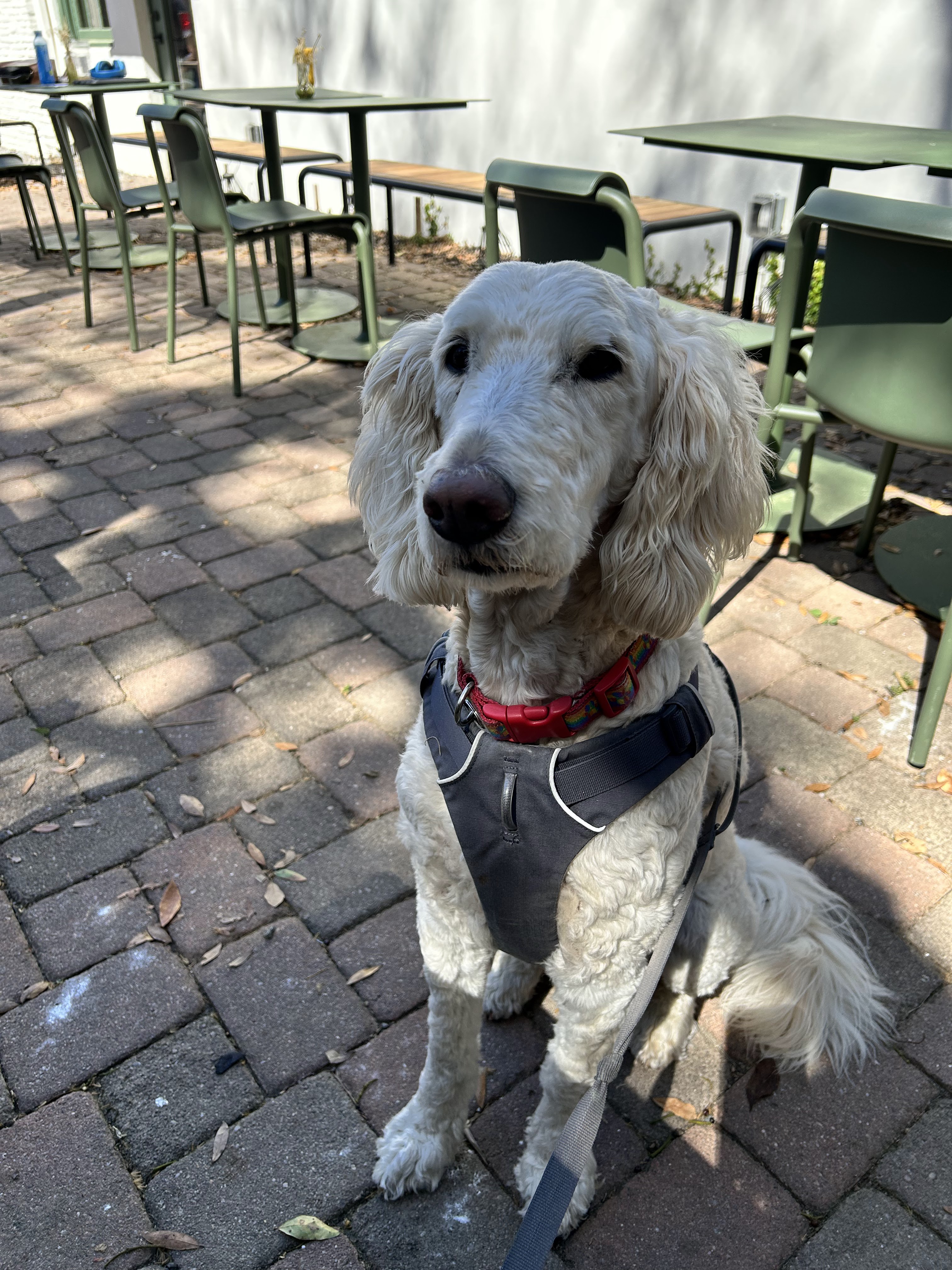
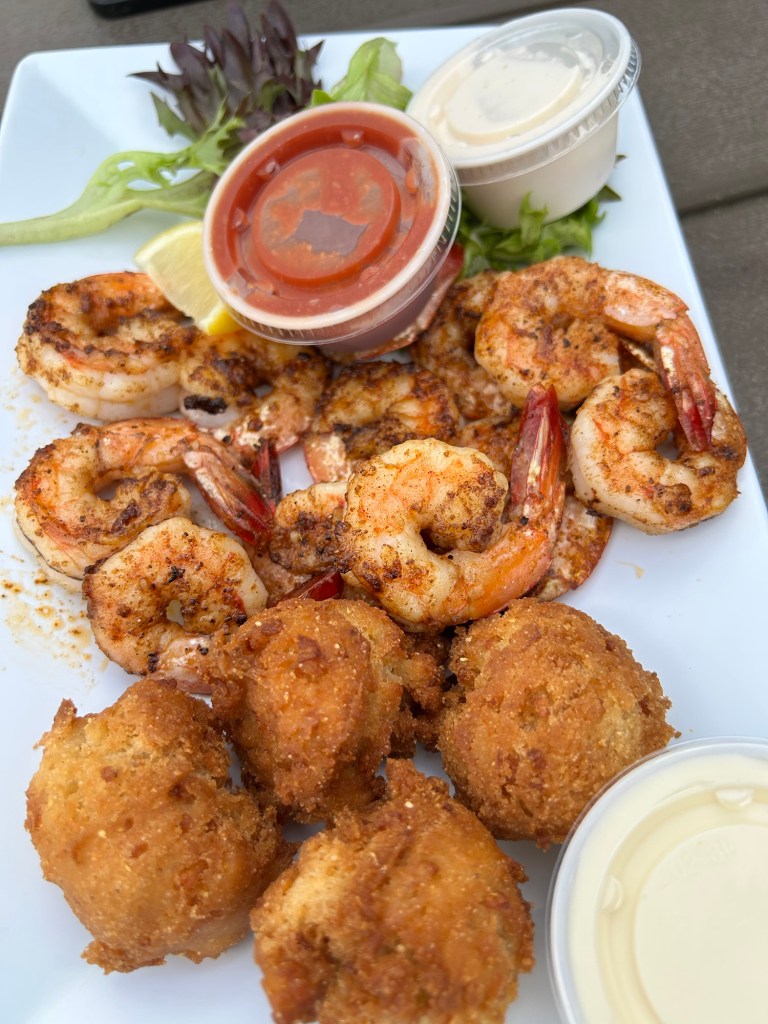
After wandering the historical downtown with its shops and homes, I drove over the Woods Memorial Bridge to Lady’s Island. I wandered Whitehall Park and viewed Beaufort from afar across the marshlands. I returned to Beaufort for lunch and met a man who has lived in Beaufort for 45 years. He told me it is the place to live and he invited me to stay with him and his wife to experience the real Beaufort. Even crazier, his kids live in Bend. It truly is a small world. We exchanged numbers. For lunch I enjoyed a Lowcountry shrimp melt. Pete managed to eat about half of my fries!

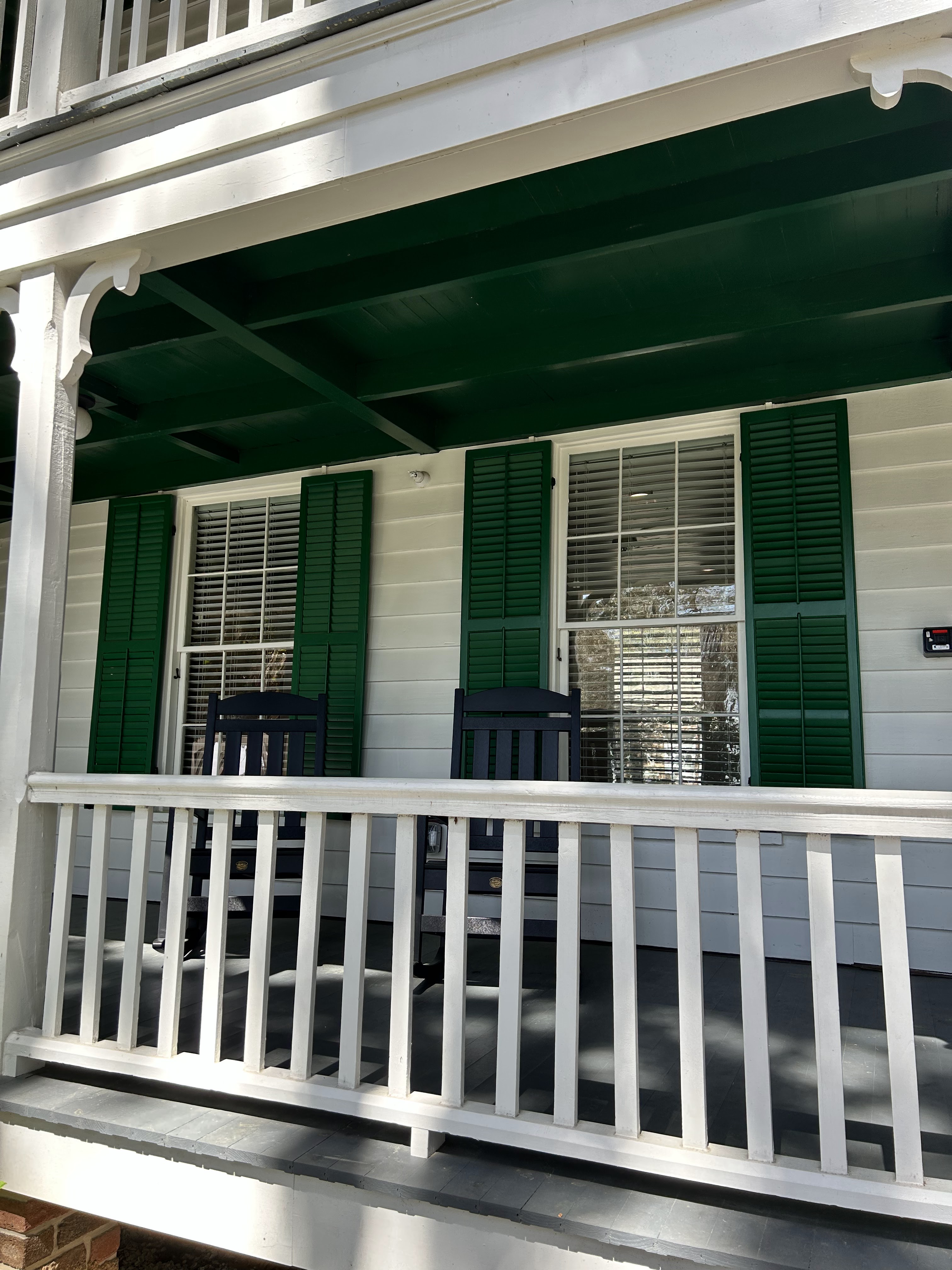
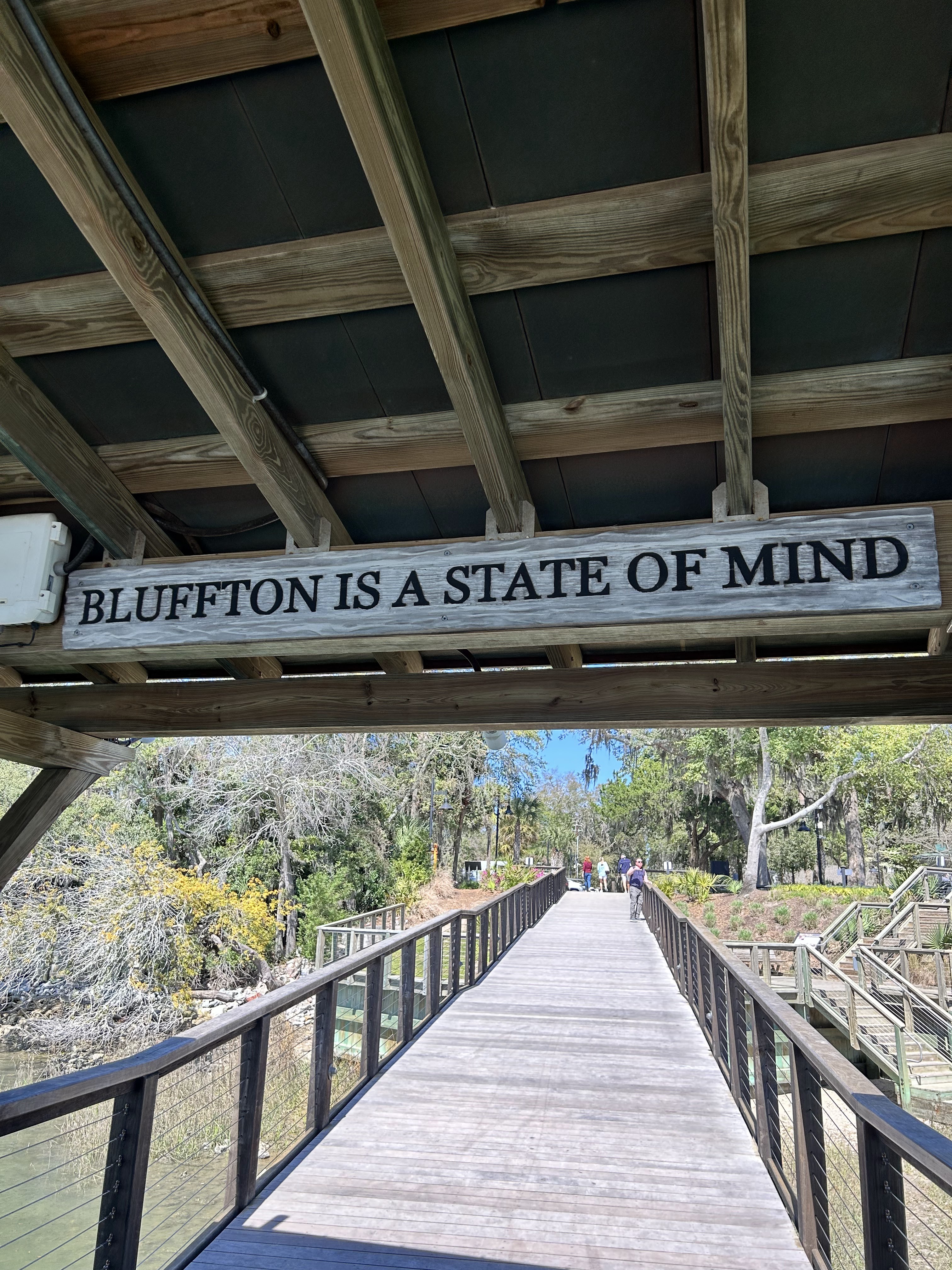
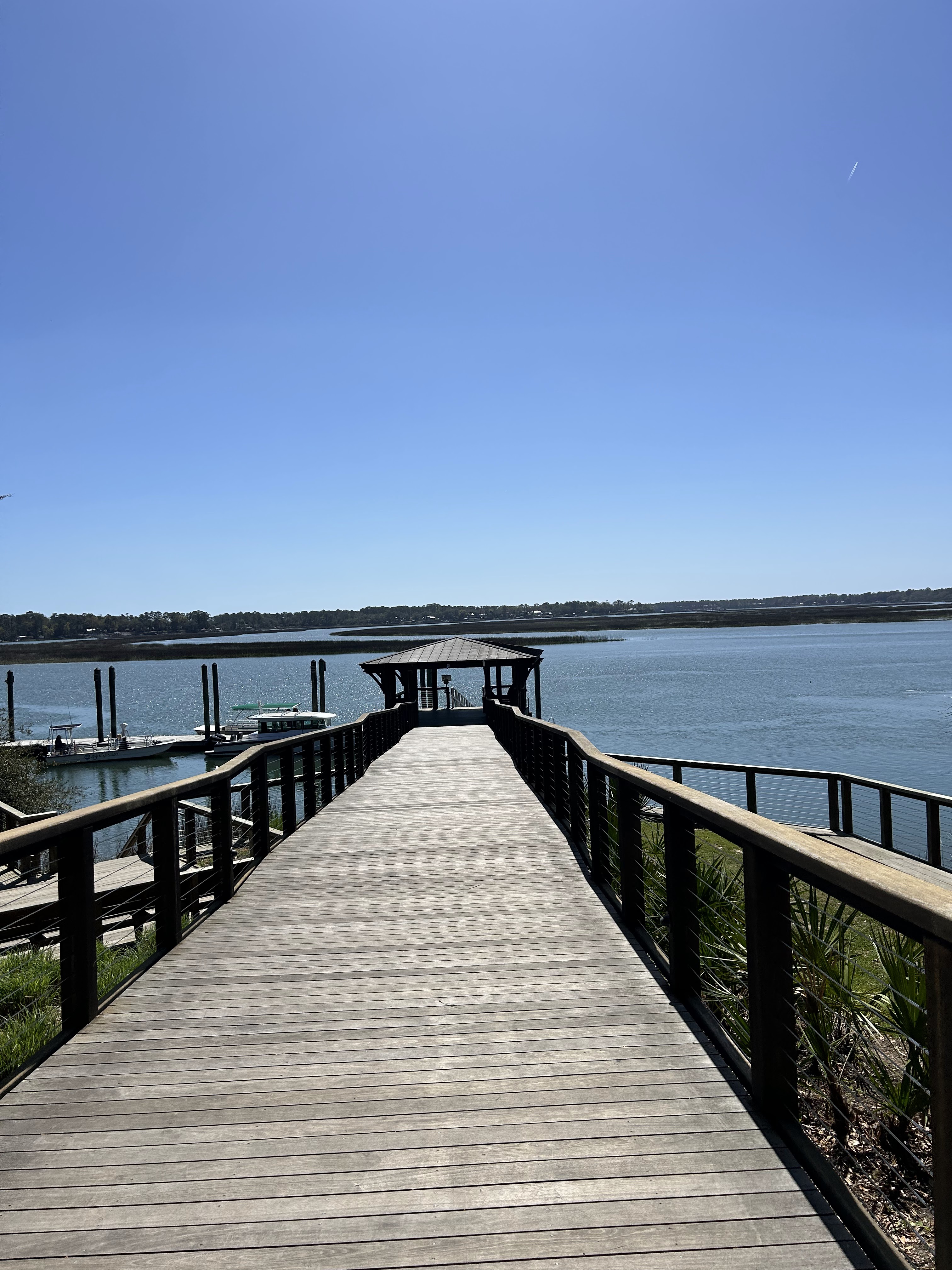
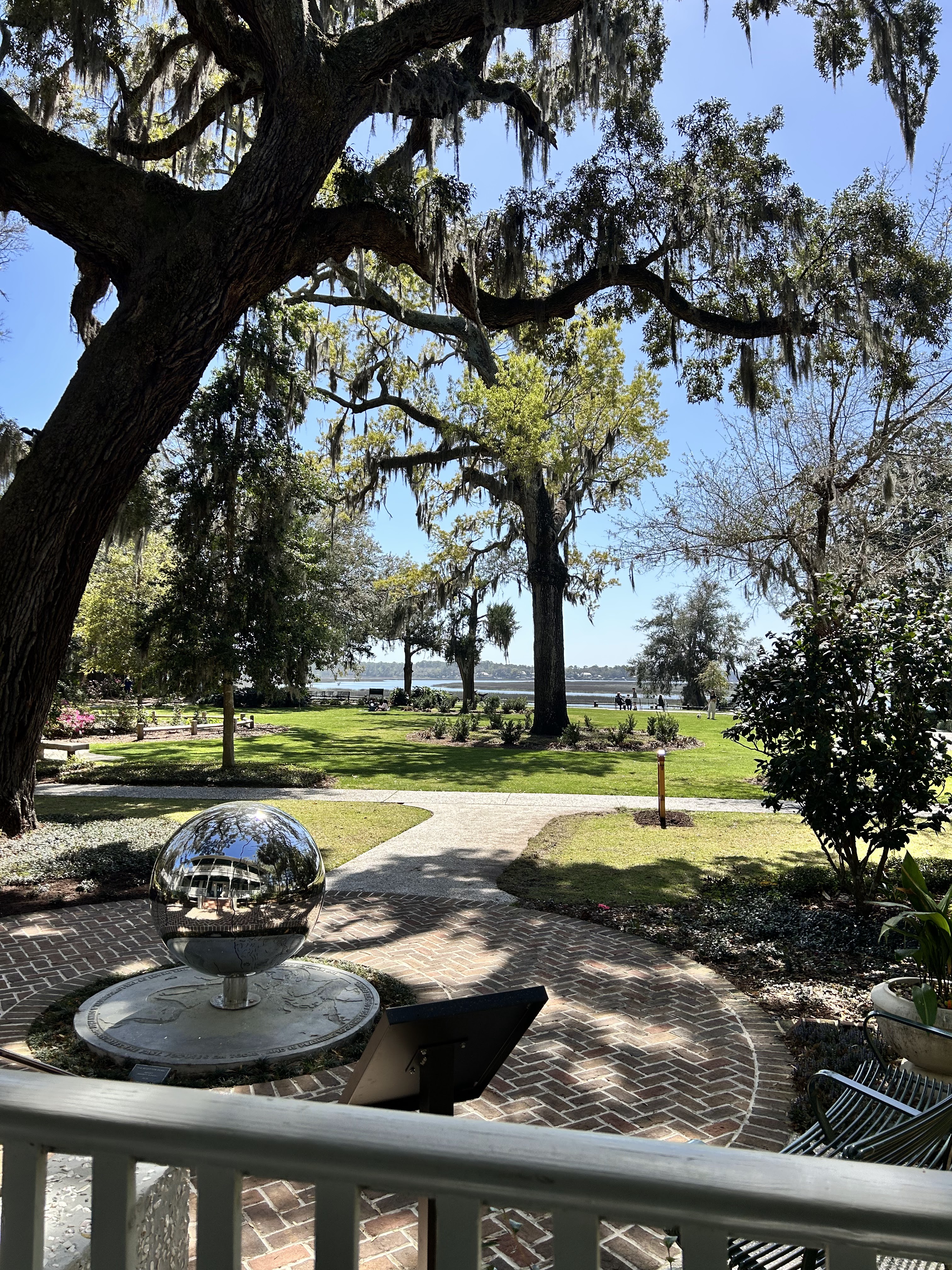
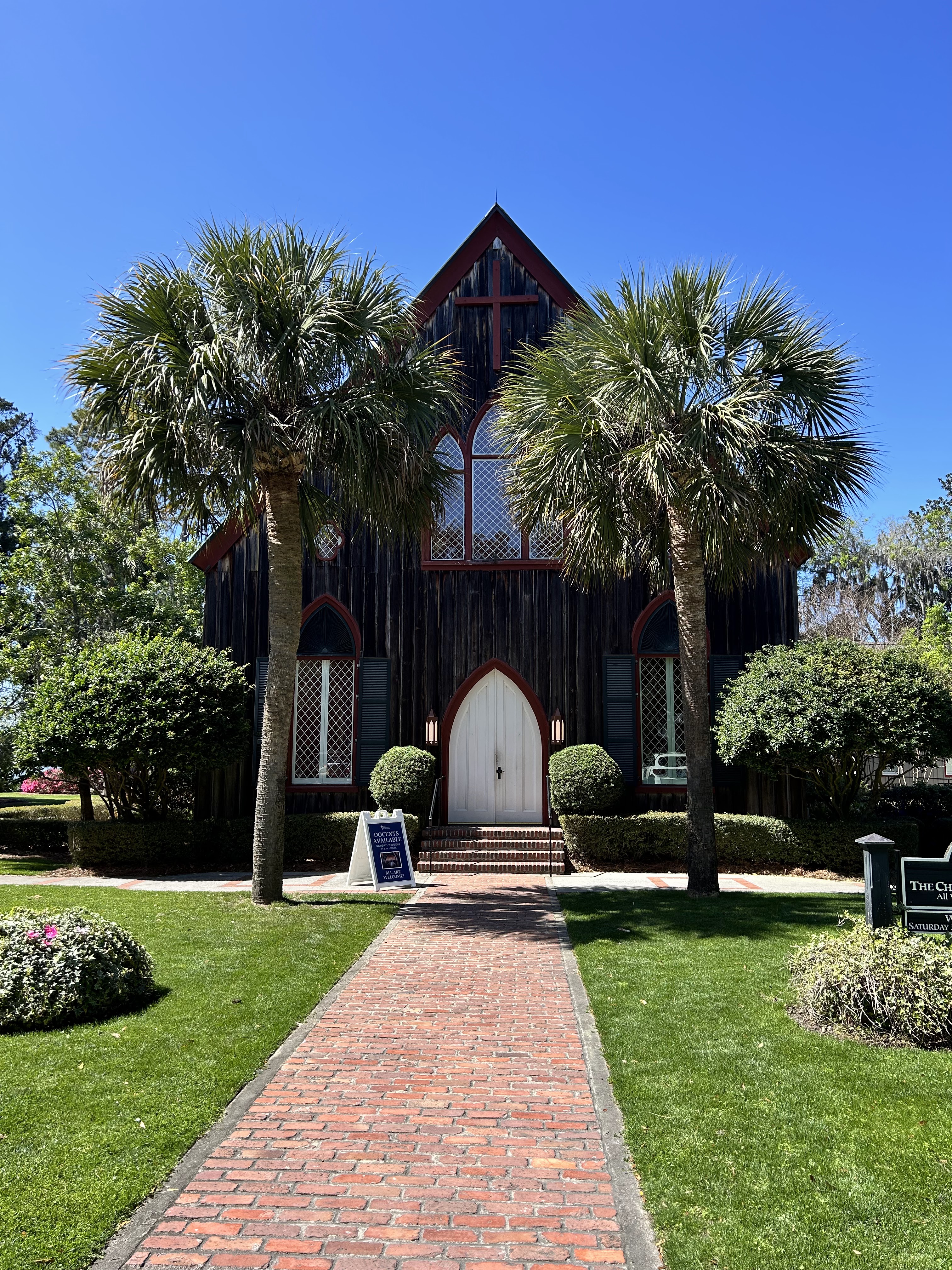
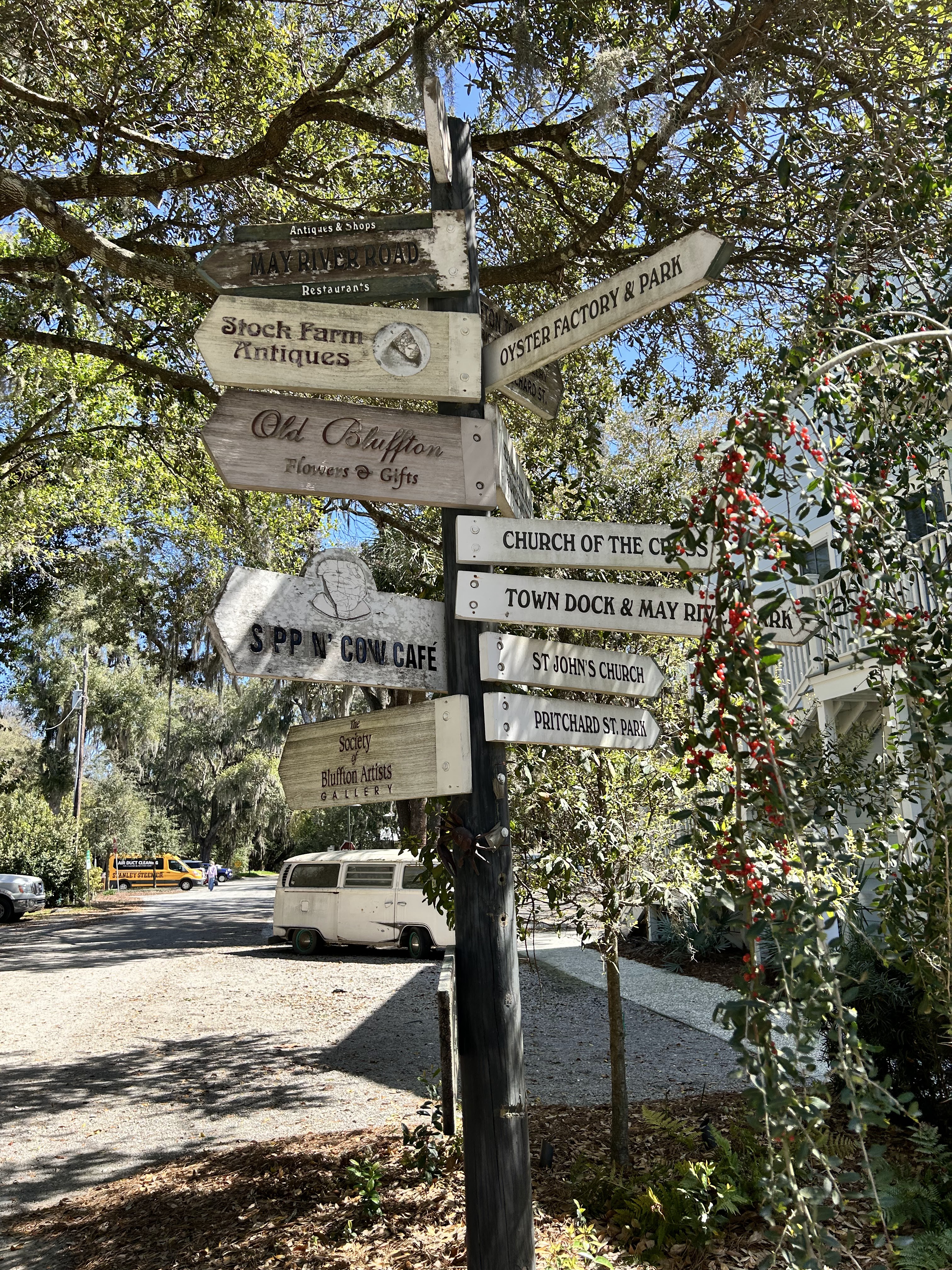
Once lunch was done, I got into the car and headed to Bluffton about an hour away. It was another picturesque town on the May River dating from the 1820’s. The Union burned the town on June 4,1863. 13 houses and two churches survived and the town grew once again. Although no longer a center for trade, many summer homes and a bustling historic area continue.

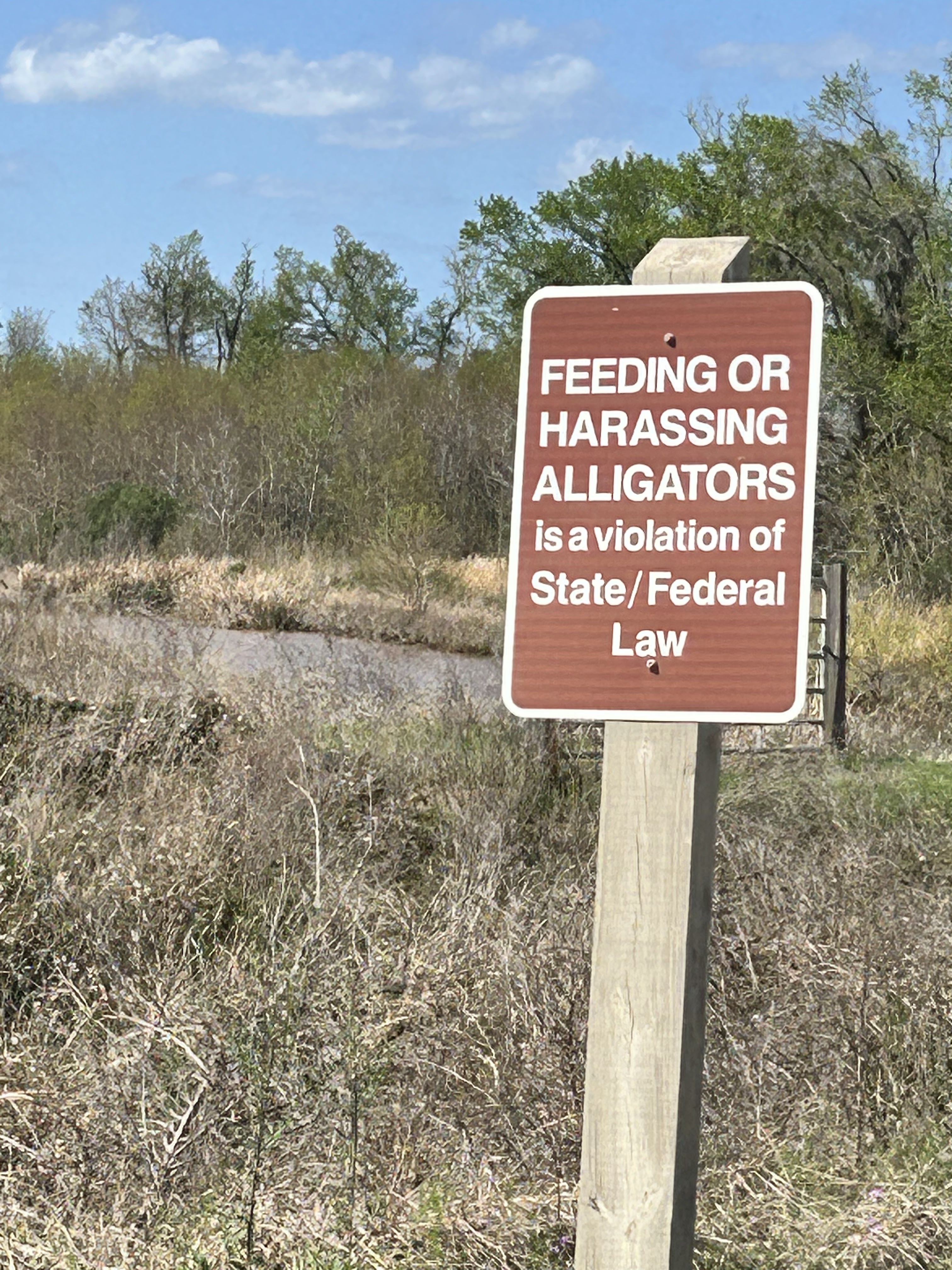
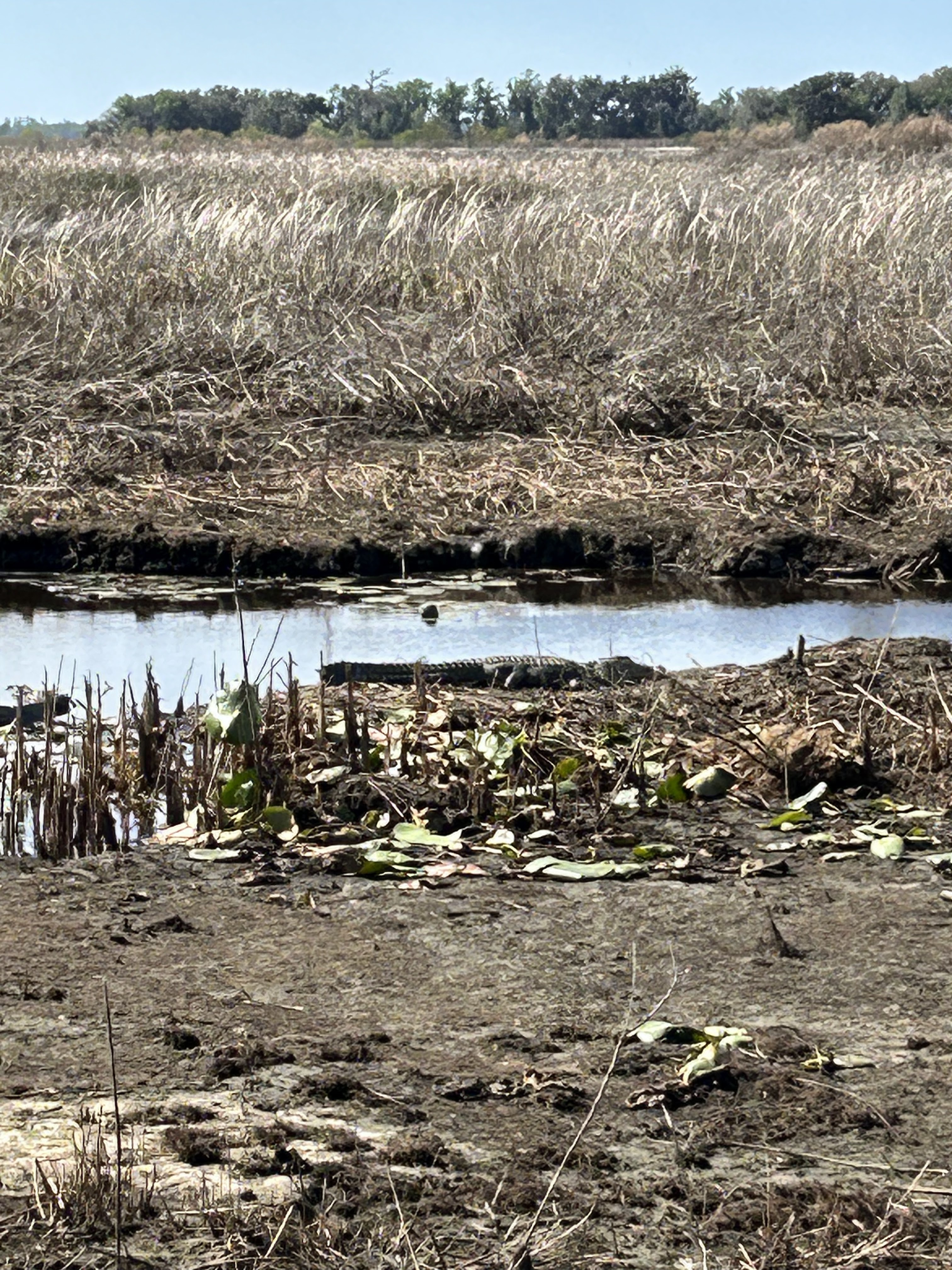
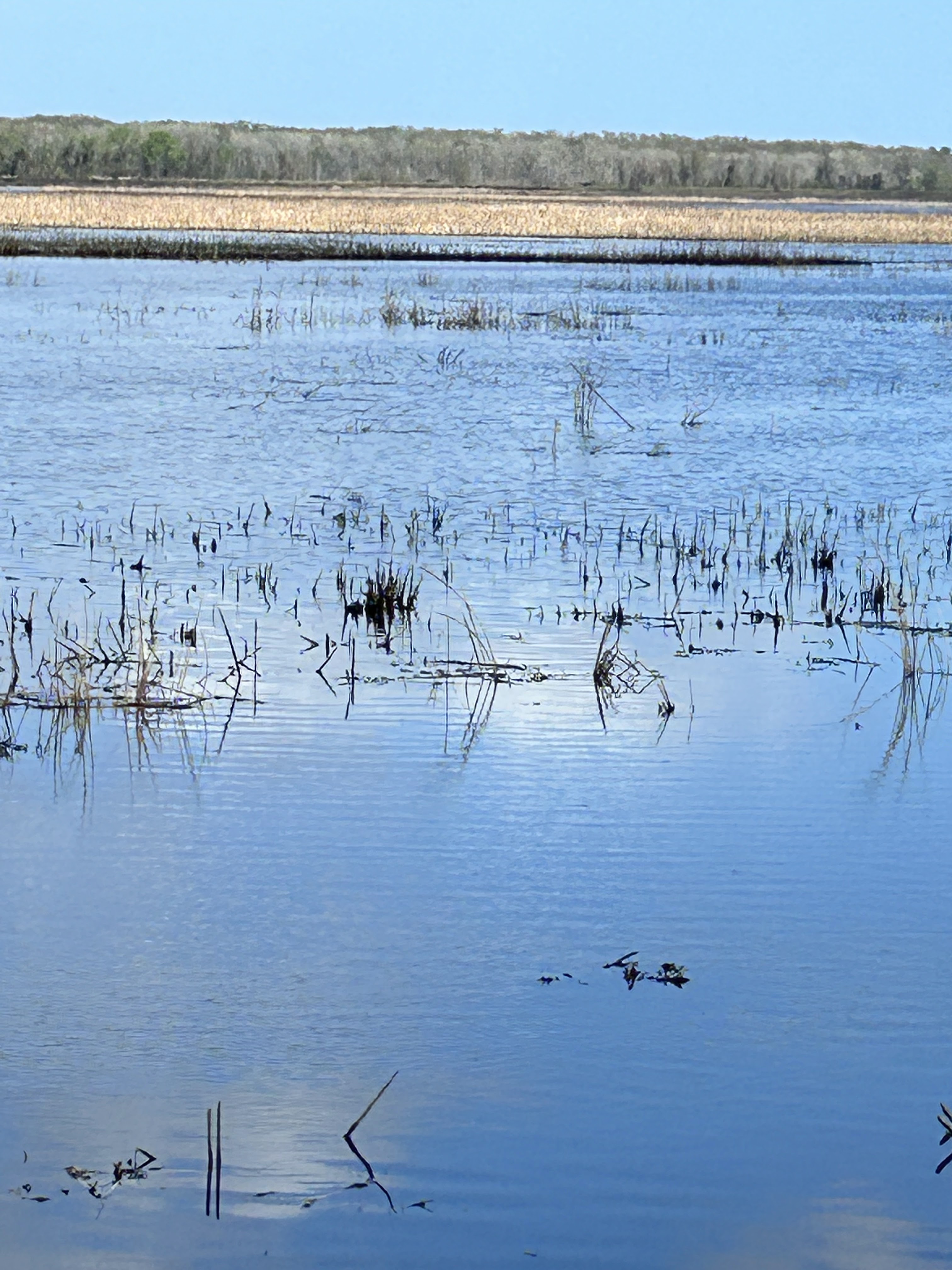
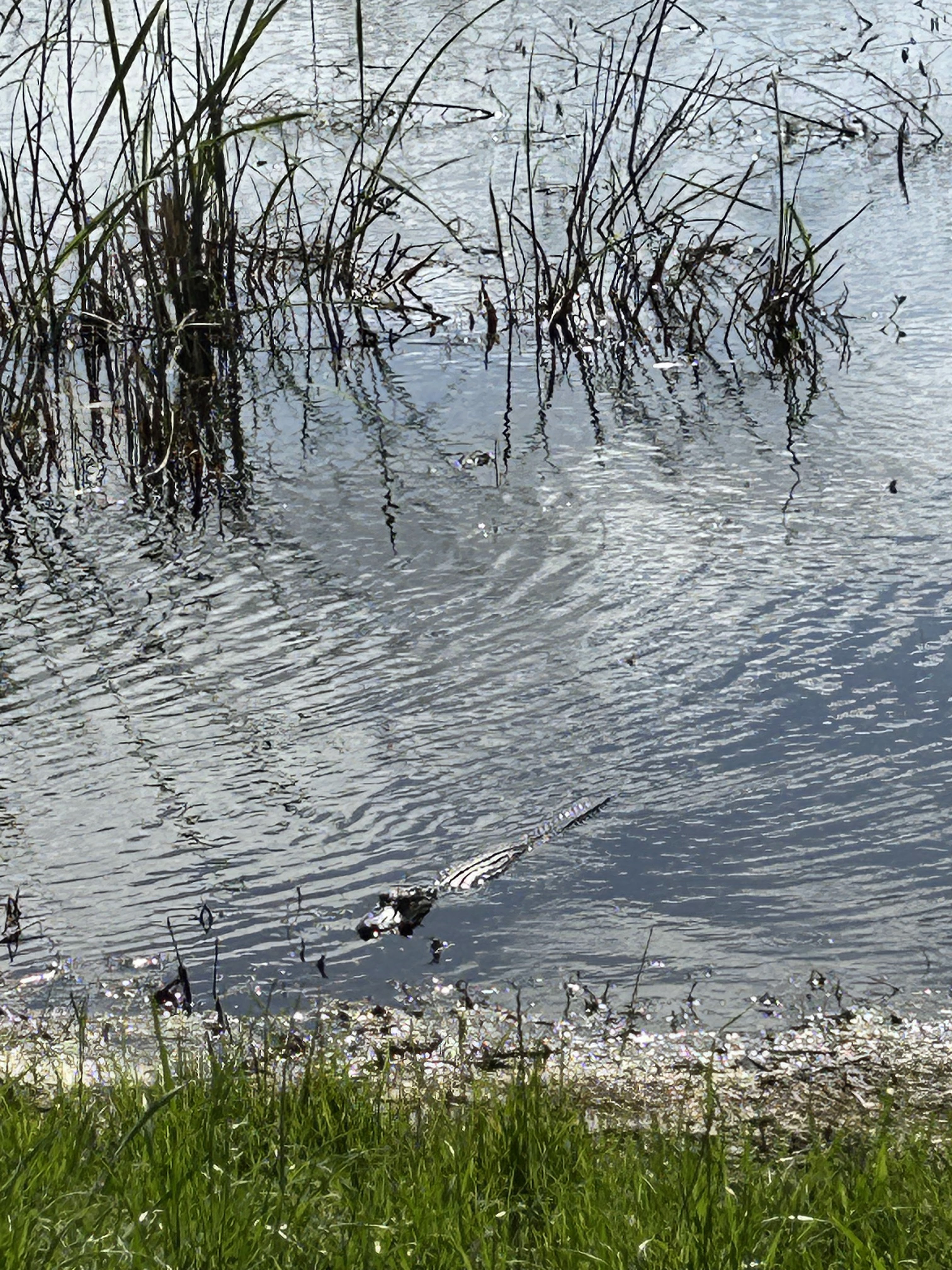
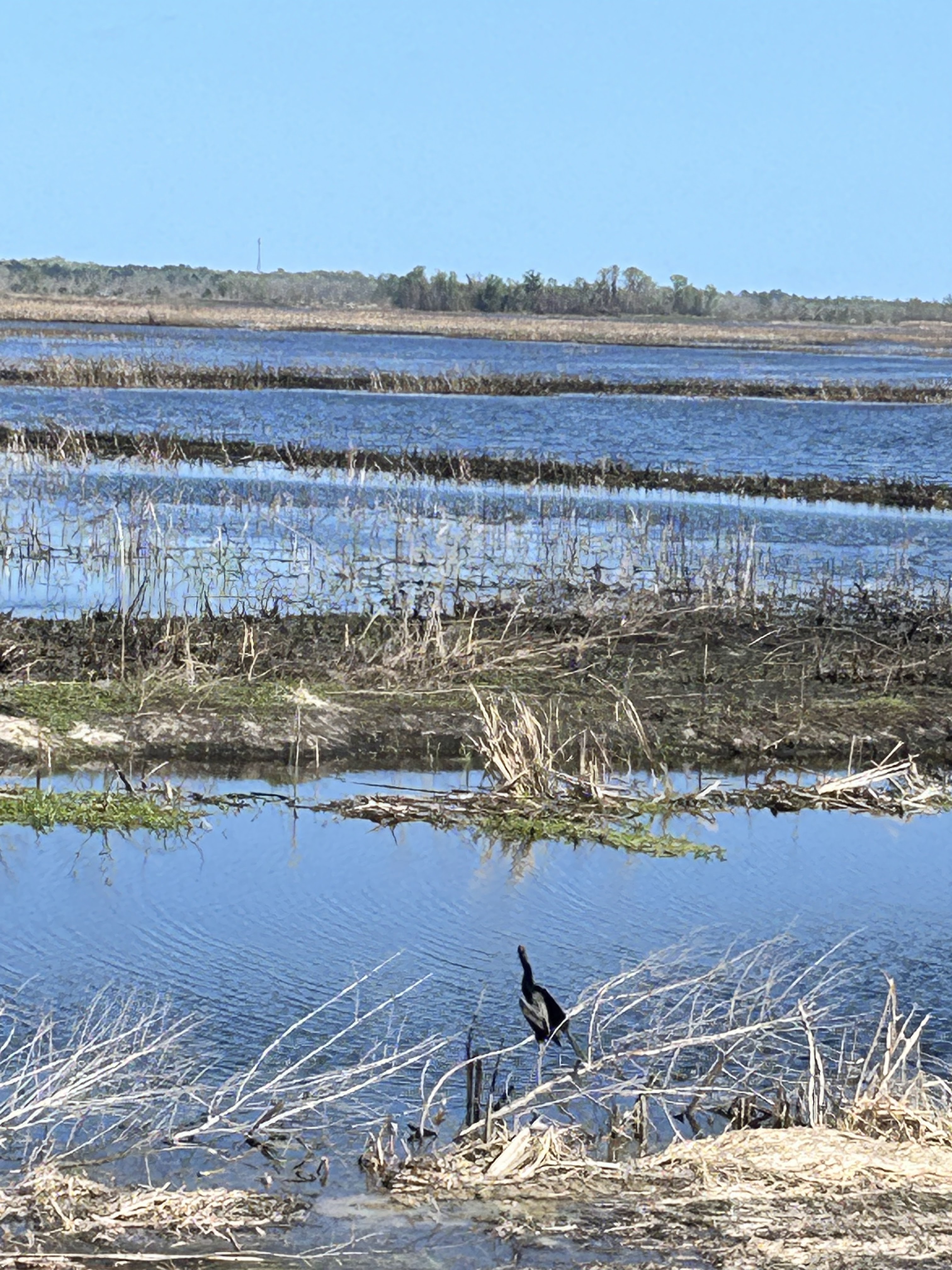
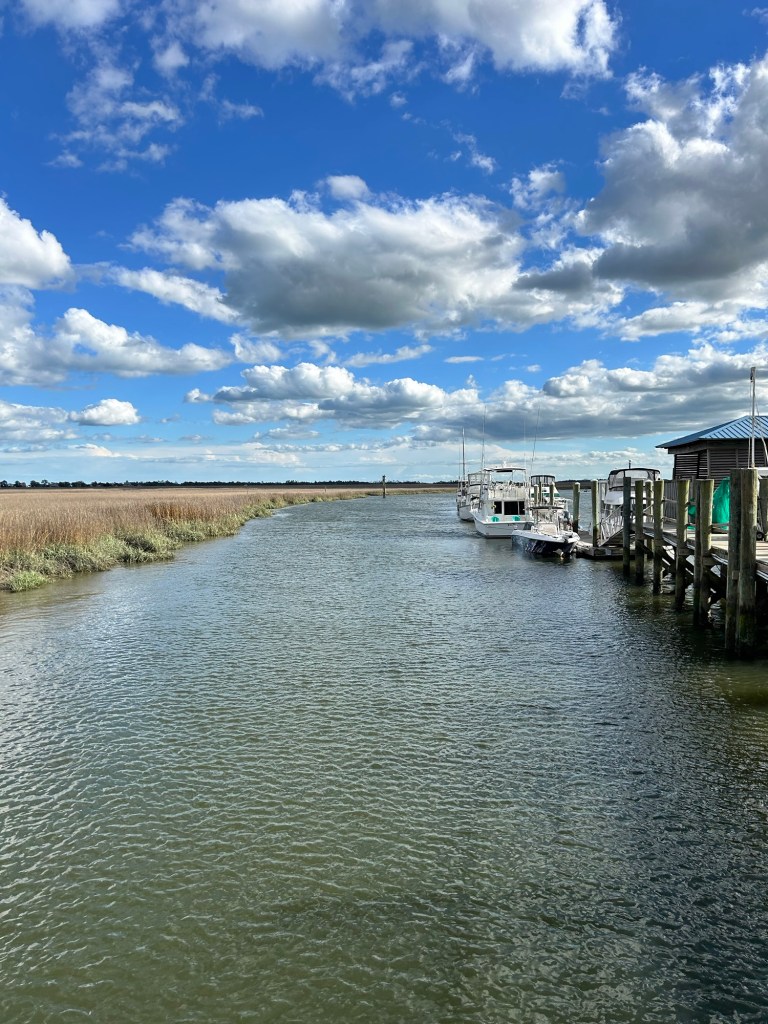
After Bluffton, I drove another hour to the Savannah National Wildlife Reserve. This protected land has a four-mile drive-only loop with beautiful marshland, birds and alligators. I saw several alligators and was more than happy to stay in the car!

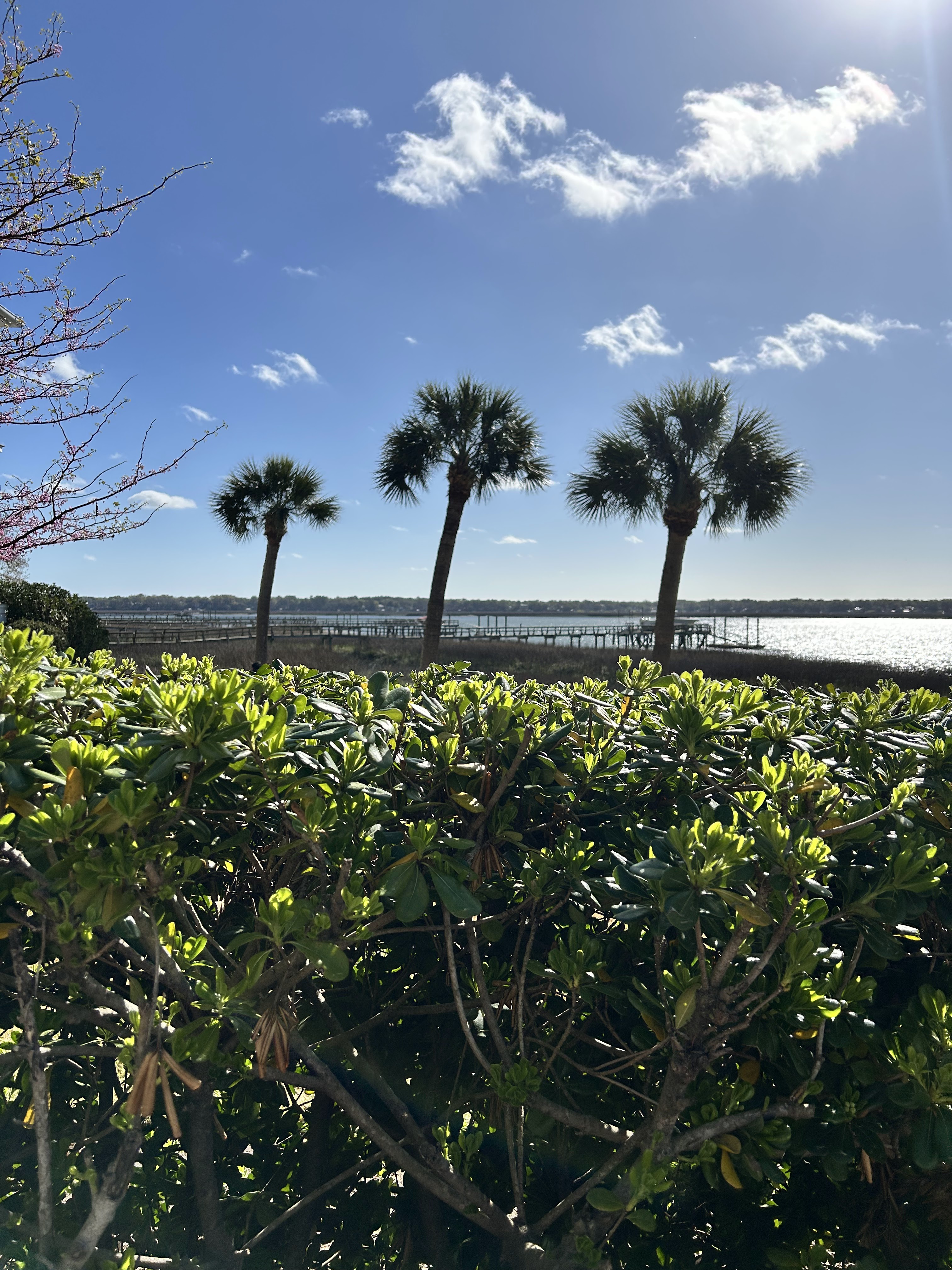
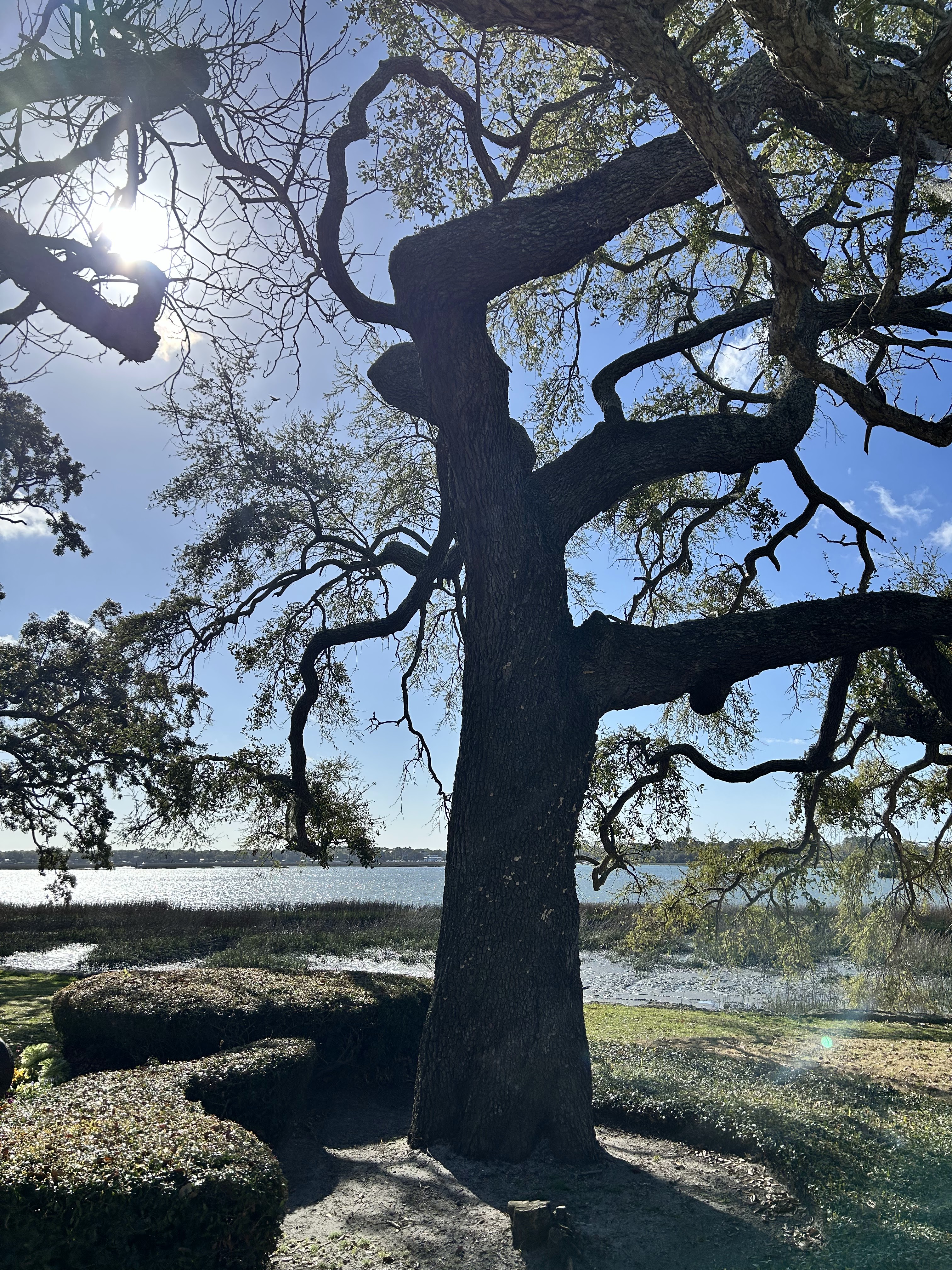
The beauty of this area astounds me. The green, lush foliage coupled with all the water make this area stunning and although hot and humid in the summer, I would definitely return!

Thunderstorms, tornado warnings and Savannah

I was inconsiderately woken up by a thunderstorm at 4:53 this morning. I have to admit that Georgia has mild, balmy weather which at this time of year is so much better than Portland’s rain but the thunderstorms are vicious (different from the weepy, slow drip of Portland rain).

Once I got out of bed, I checked the weather for my drive to Savannah today and there were tornado warnings south of Atlanta. I know nothing about tornadoes as my world has been about earthquakes. I talked to a neighbor and he did some research and reported back to me that by the time I reached the tornado warning zone it would be over.

Savannah was a five hour drive south and east. I checked into my hotel and immediately headed to the historic district with Pete. Wow, I was blown away with the beauty. I visited Savannah for St. Patrick’s Day about 40 years ago (and if you haven’t been, trust me it’s a big deal)! But we drank and left.

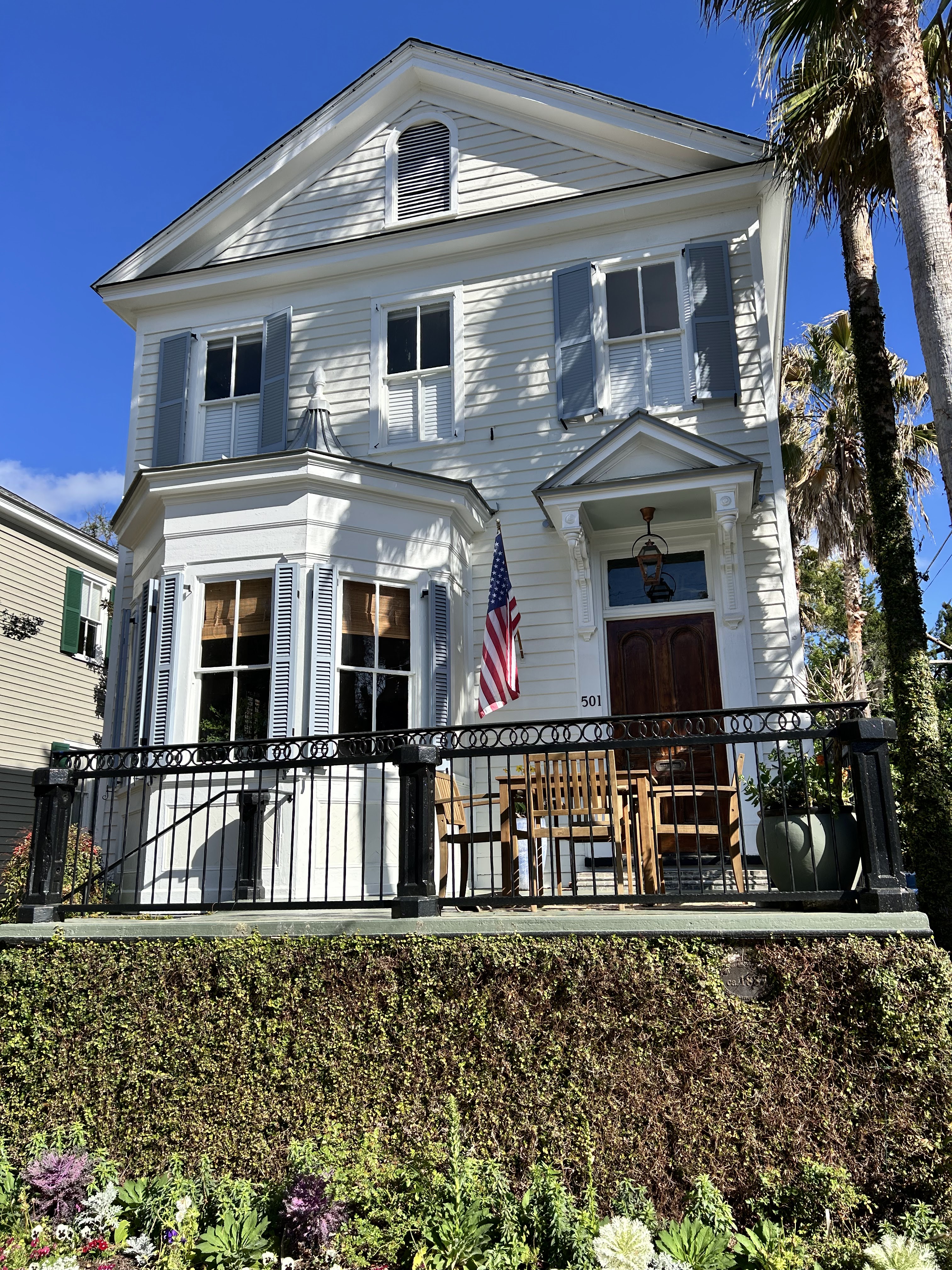
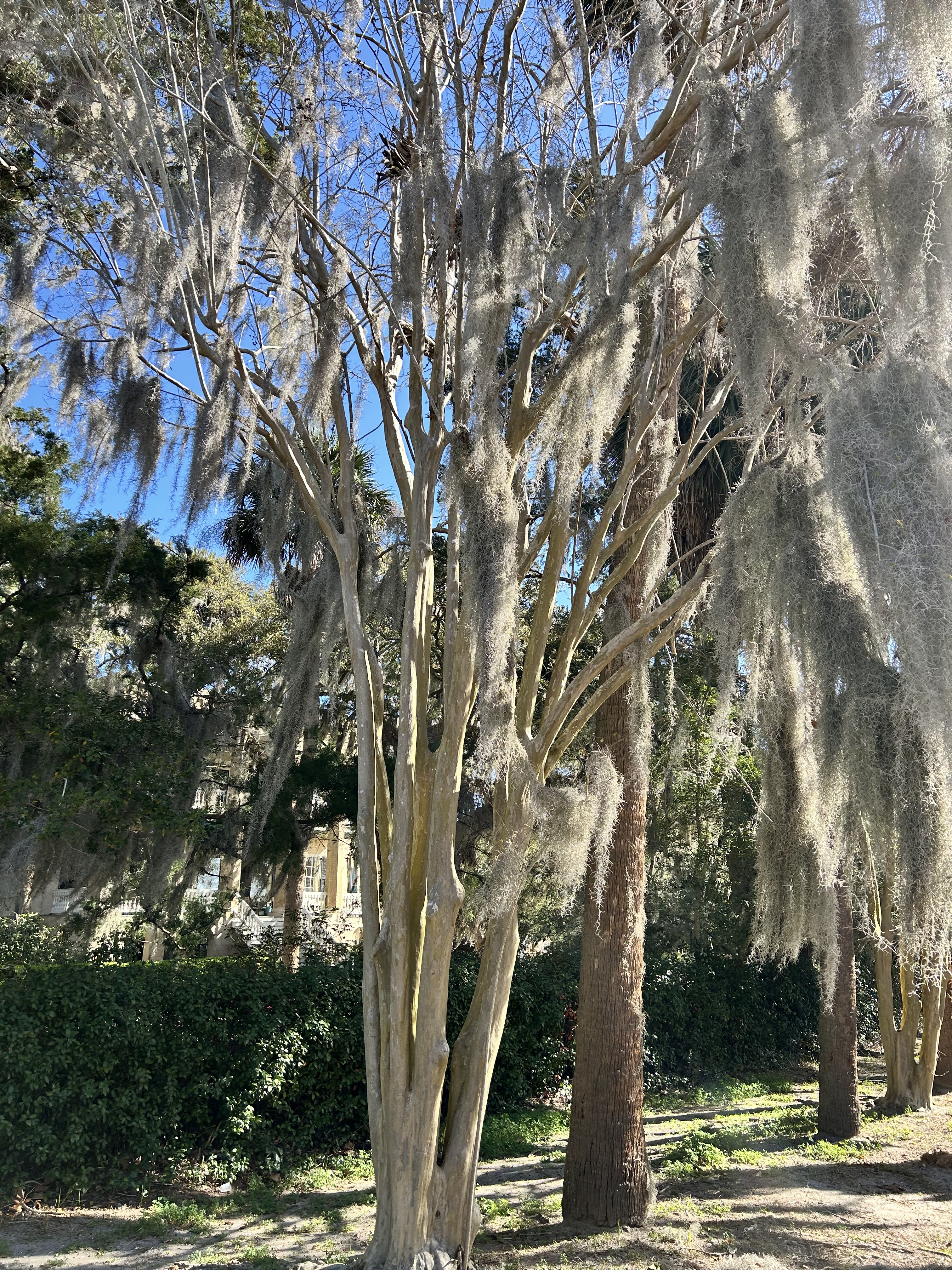
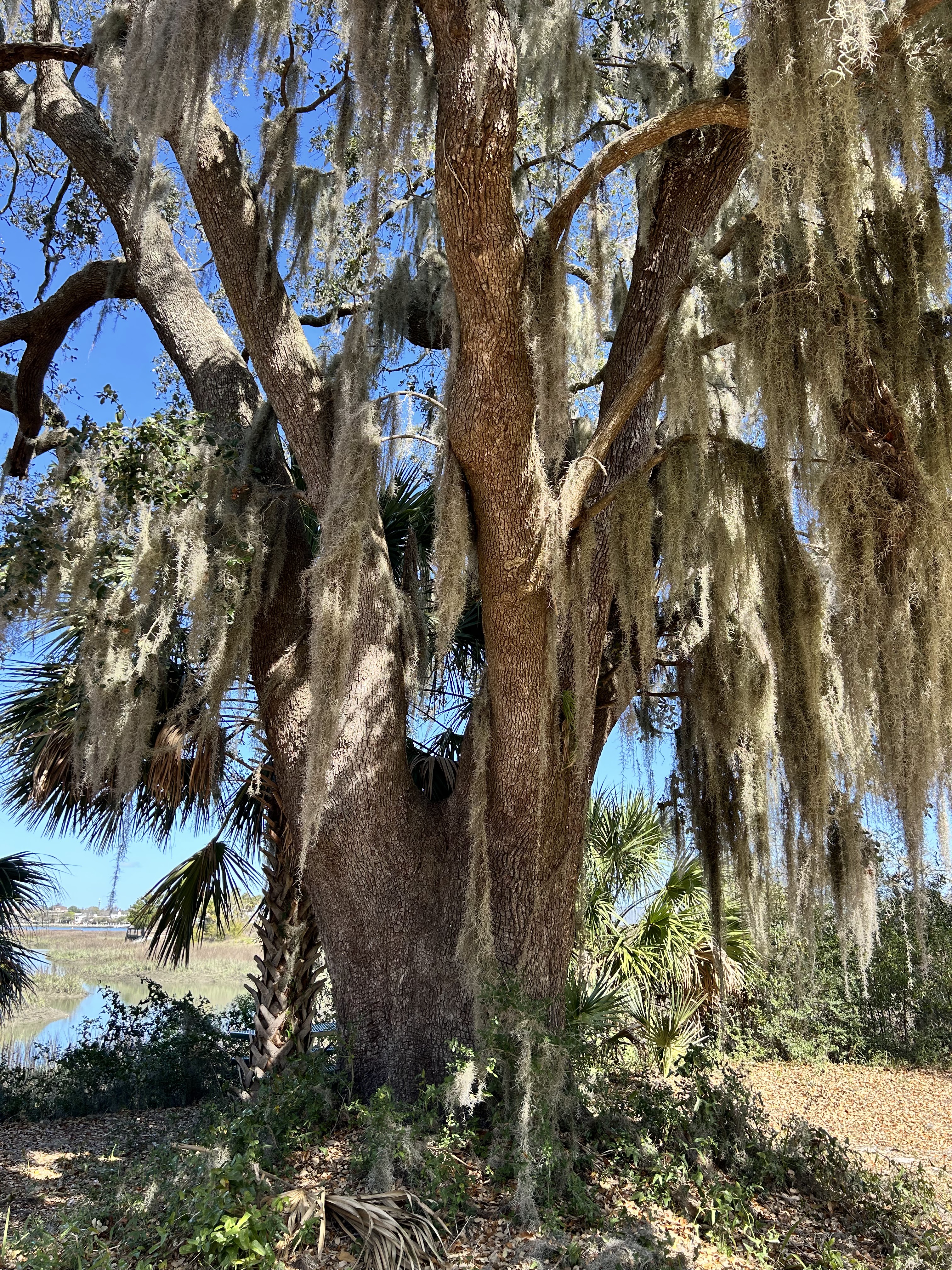
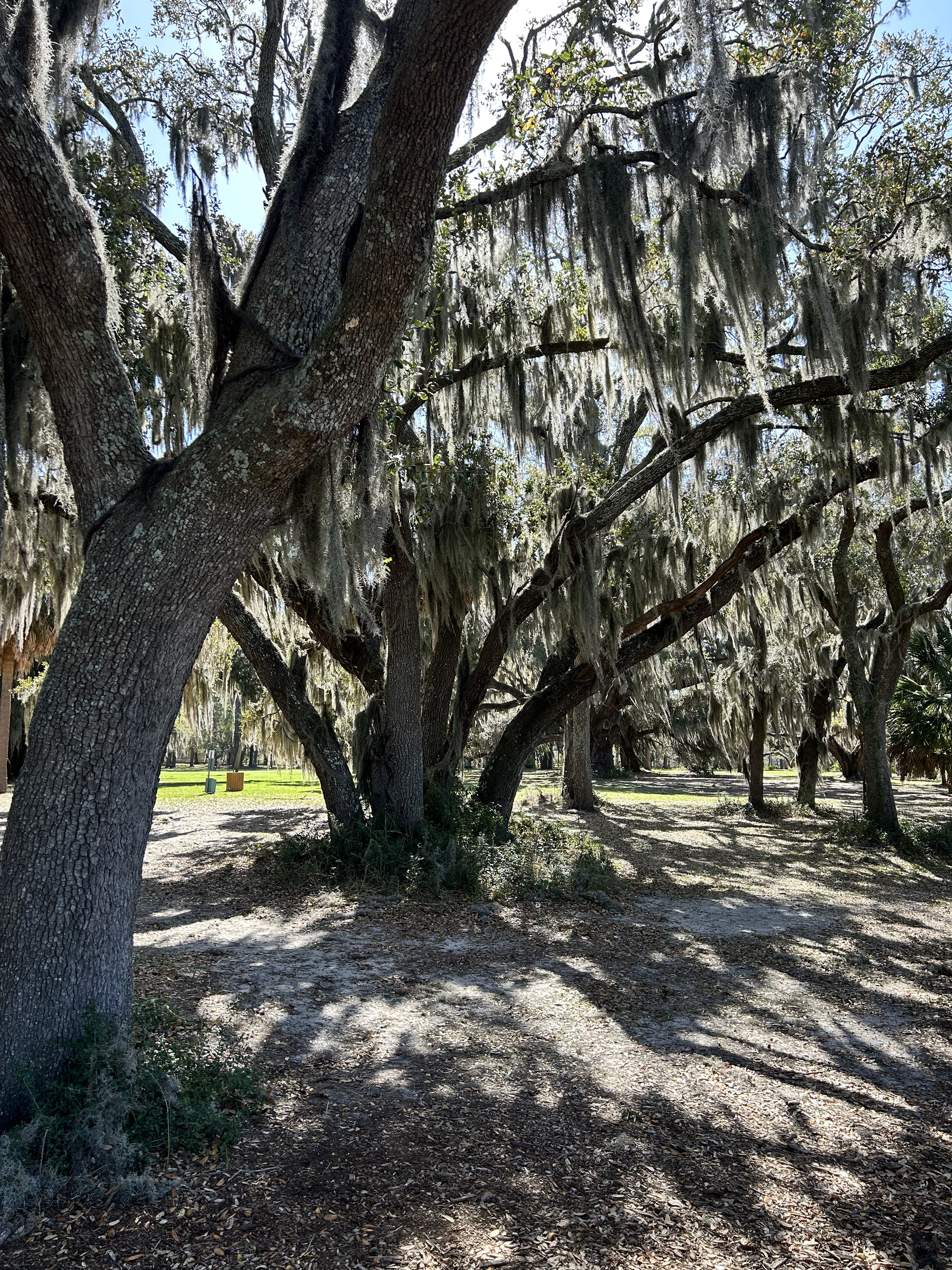
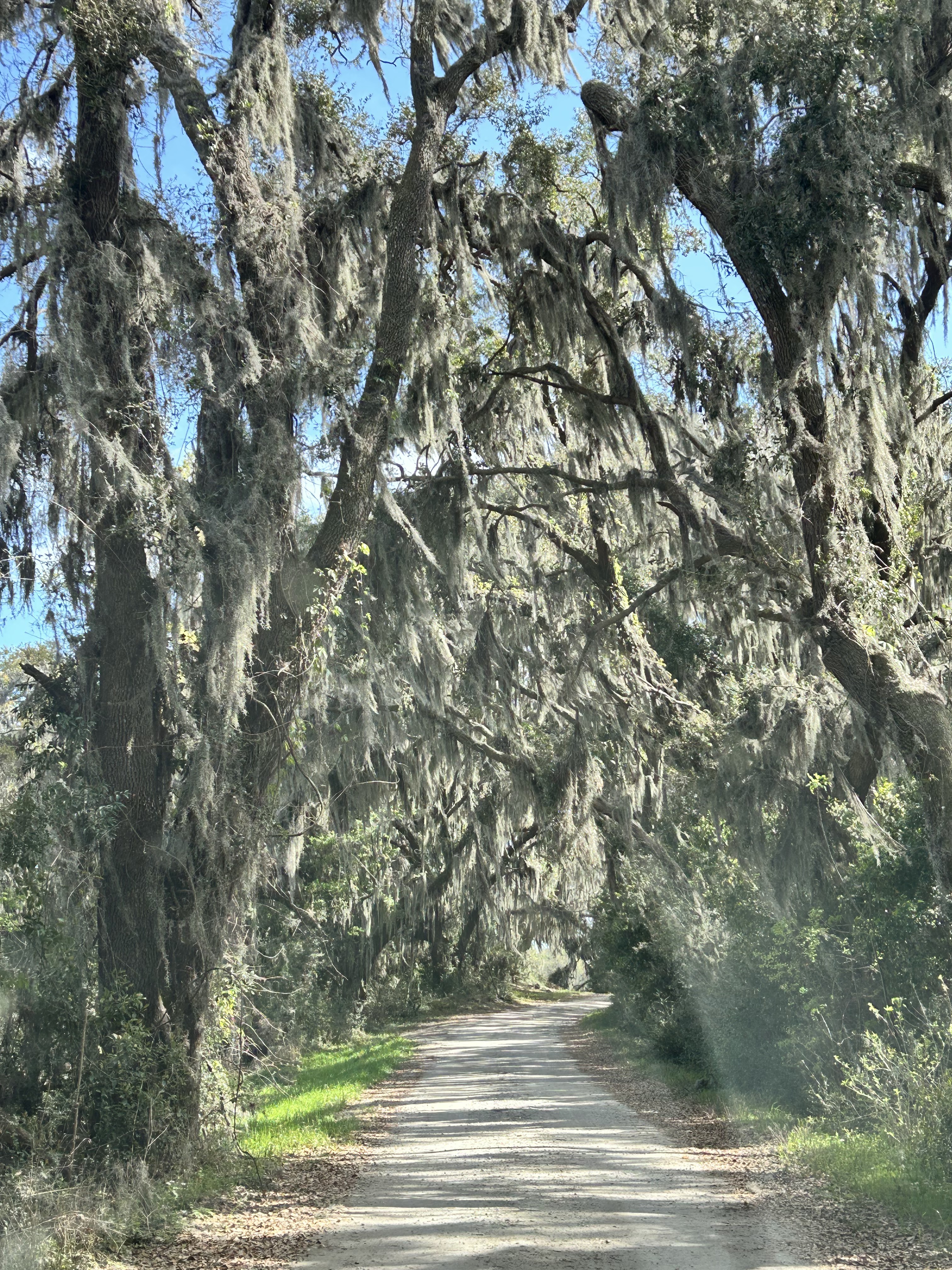
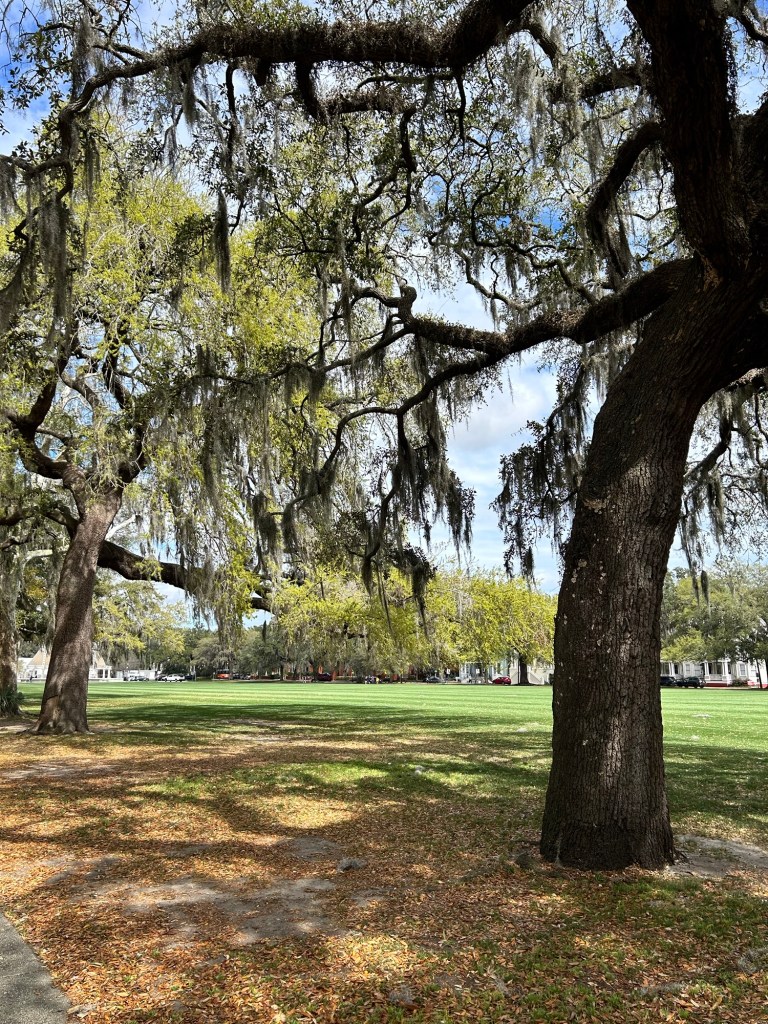
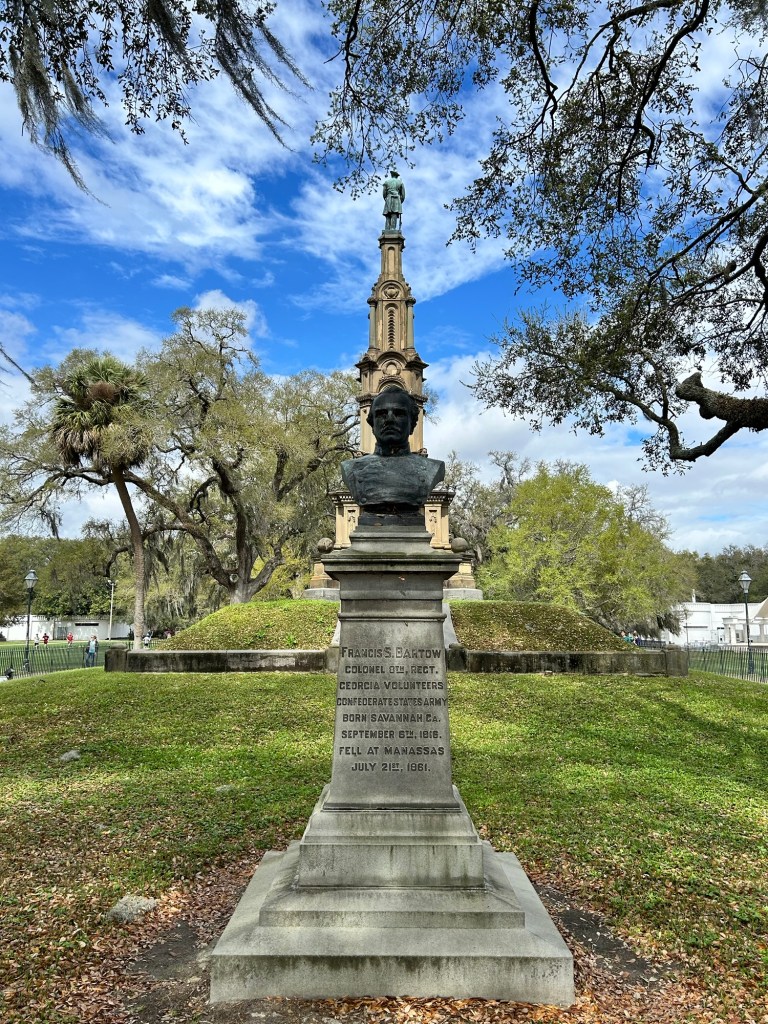
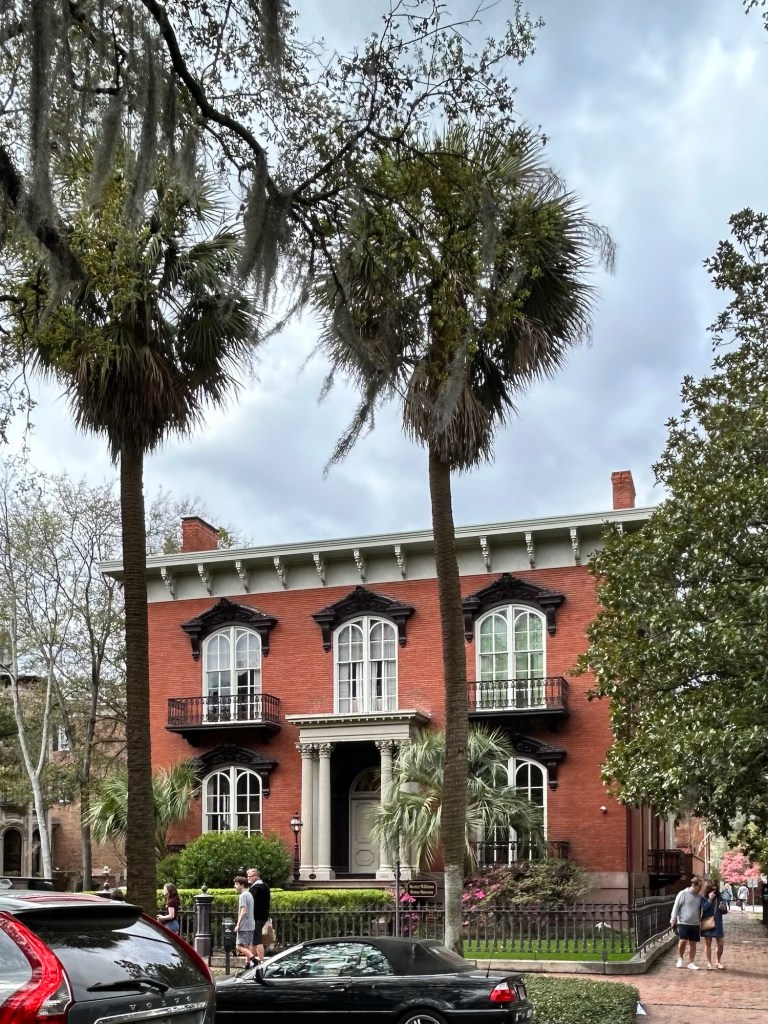
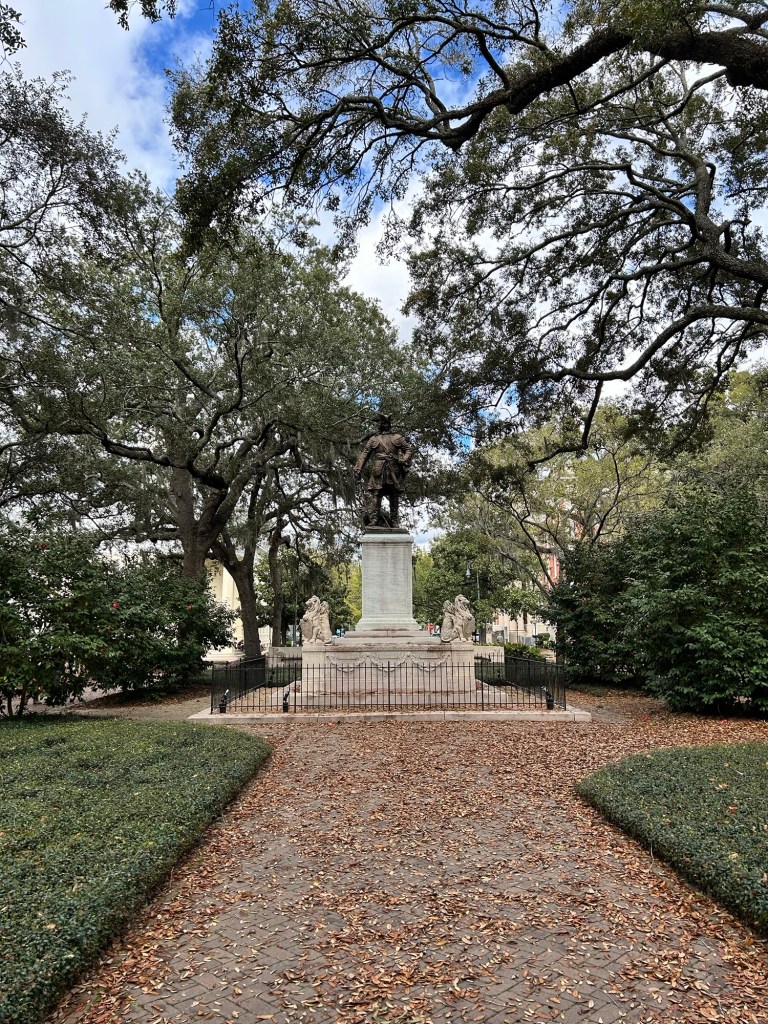
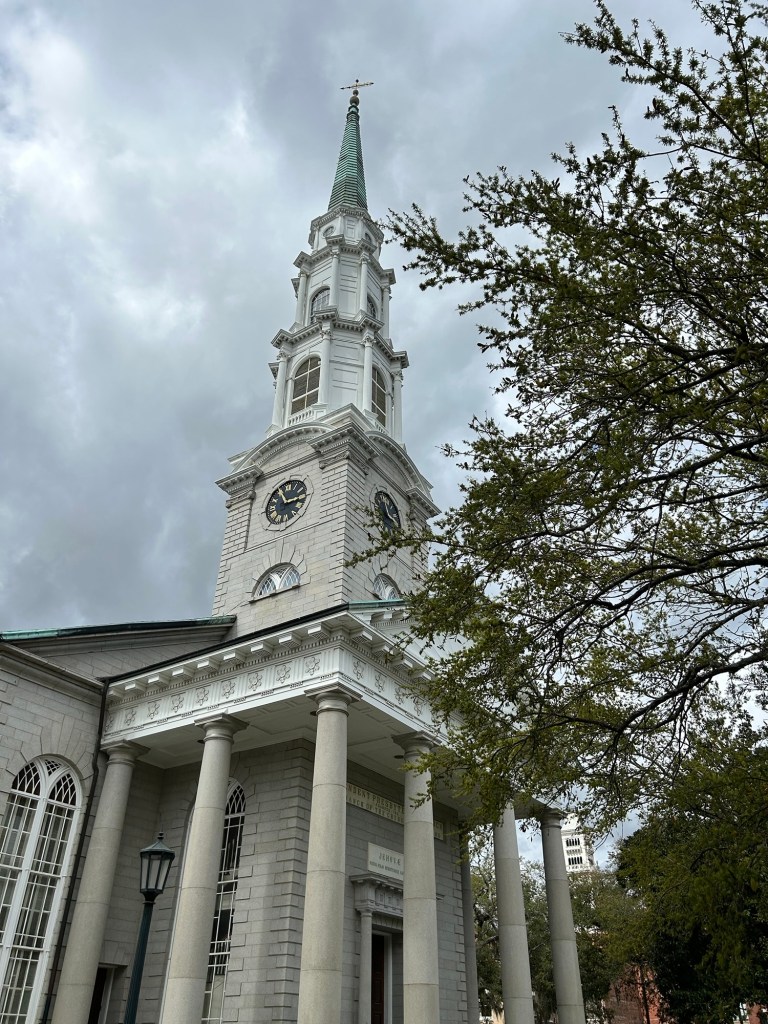
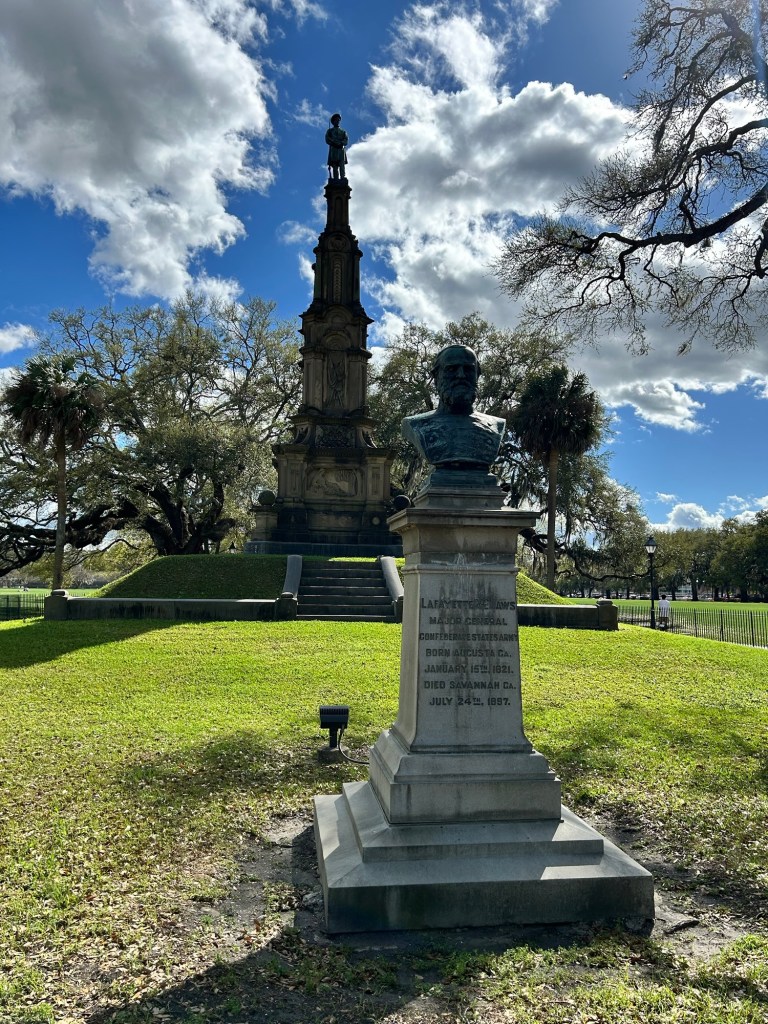
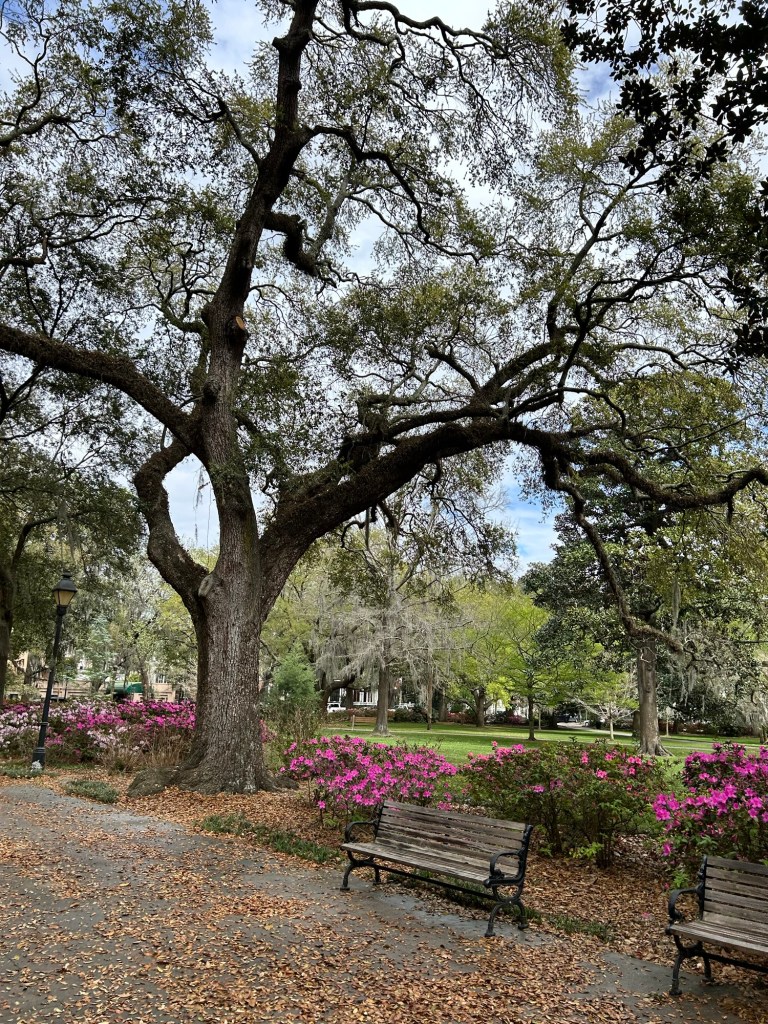
This visit I sauntered through the old, historic streets. Gardens, parks, statues and historical markers are everywhere. And the architecture varied and divine and includes Victorian , Greek revival, gothic and Romanesque. Mansions galore and just beautiful Spanish moss tree-lined streets. Pete and I parked at Forsyth Park and walked to several of the squares including Pulaski, Madison, Lafayette and then down to the river. The gold-domed city hall was impressive and there were tons of restaurants, shops and cafes everywhere.

The Legacy Sites

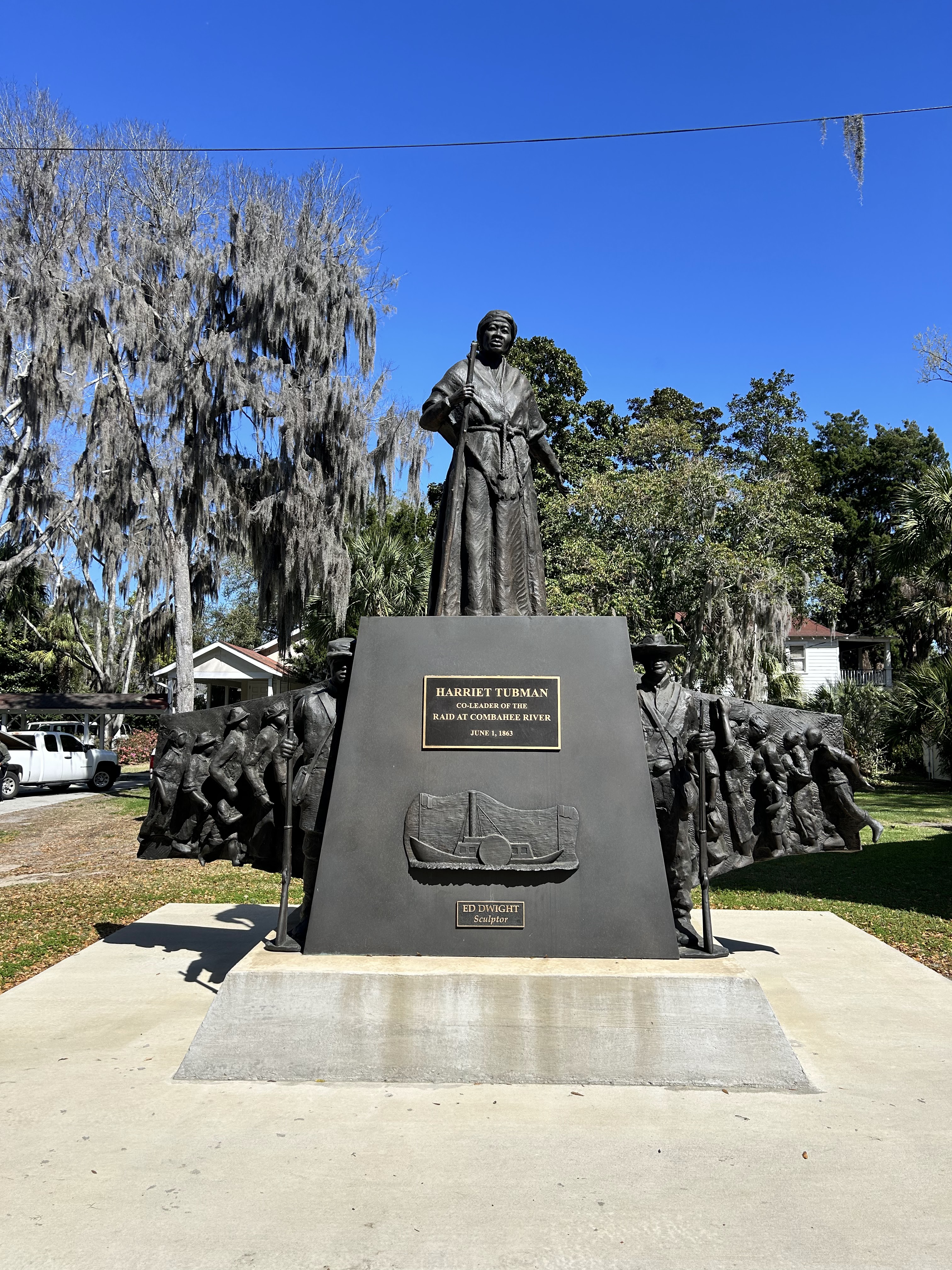
“Slavery is the next thing to hell.” Harriet Tubman

I visited The Legacy Sites today in Montgomery, Alabama. The sites include the Legacy Museum, The National Memorial for Peace and Justice and the Freedom Monument Sculpture Park. I started with the Legacy Museum where no pictures were allowed but the stories contained in the modern building were powerful and sobering. The museum begins with enslavement, moves to racial terrorism, segregation and finally to mass incarceration. One fact that stood out was that from the years 1783 to 1861 enslavement increased 5 times over creating extraordinary wealth for some in the U.S.

In the wing covering mass incarceration, I was able to pick up the phone and listen to an inmate’s story while watching the video of the inmate. It mimicked sitting on the opposing side of glass and it was a powerful way to bring jail to life for me. Another section, asked the visitor to take the voter questionnaire in order to register to vote. The questions were impossible to answer and the intention of not being able to register to vote was loud and clear. For example some of the questions:

  • How many seeds are in a watermelon?
  • If a person charged with treason denied their guilt, how many persons must testify against them before they can be convicted?
  • How many bubbles are in a bar of soap?
  • How may a county seat be changed under the constitution of your state?
  • Print a word that looks the same whether it is printed frontwards or backwards.

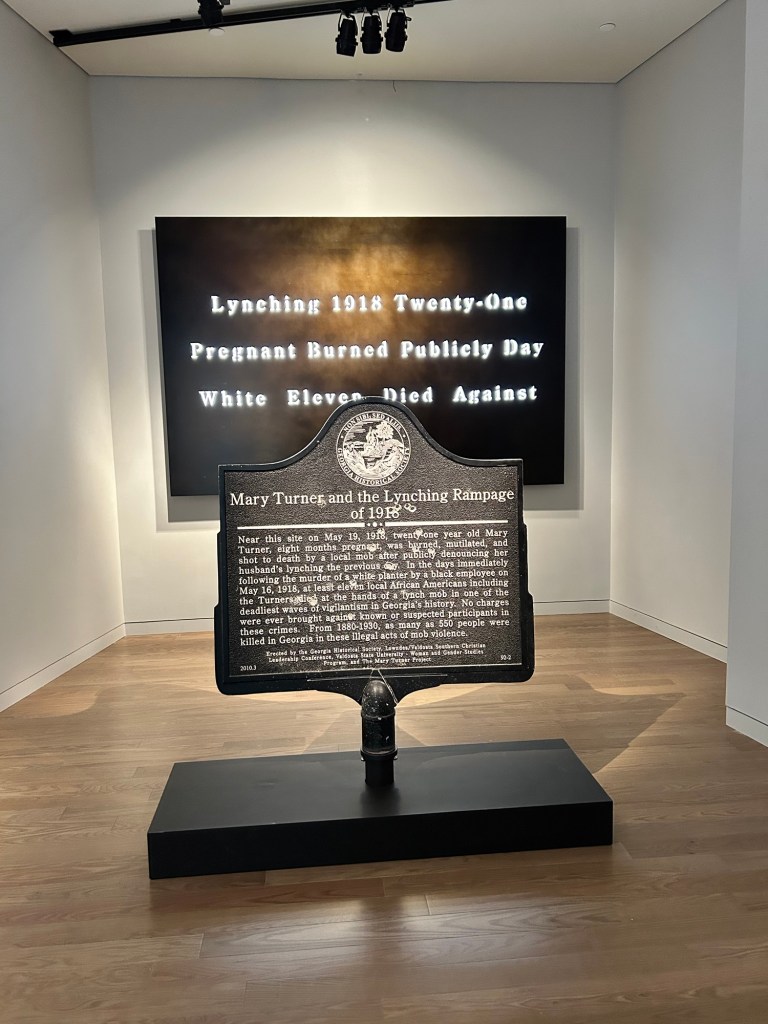
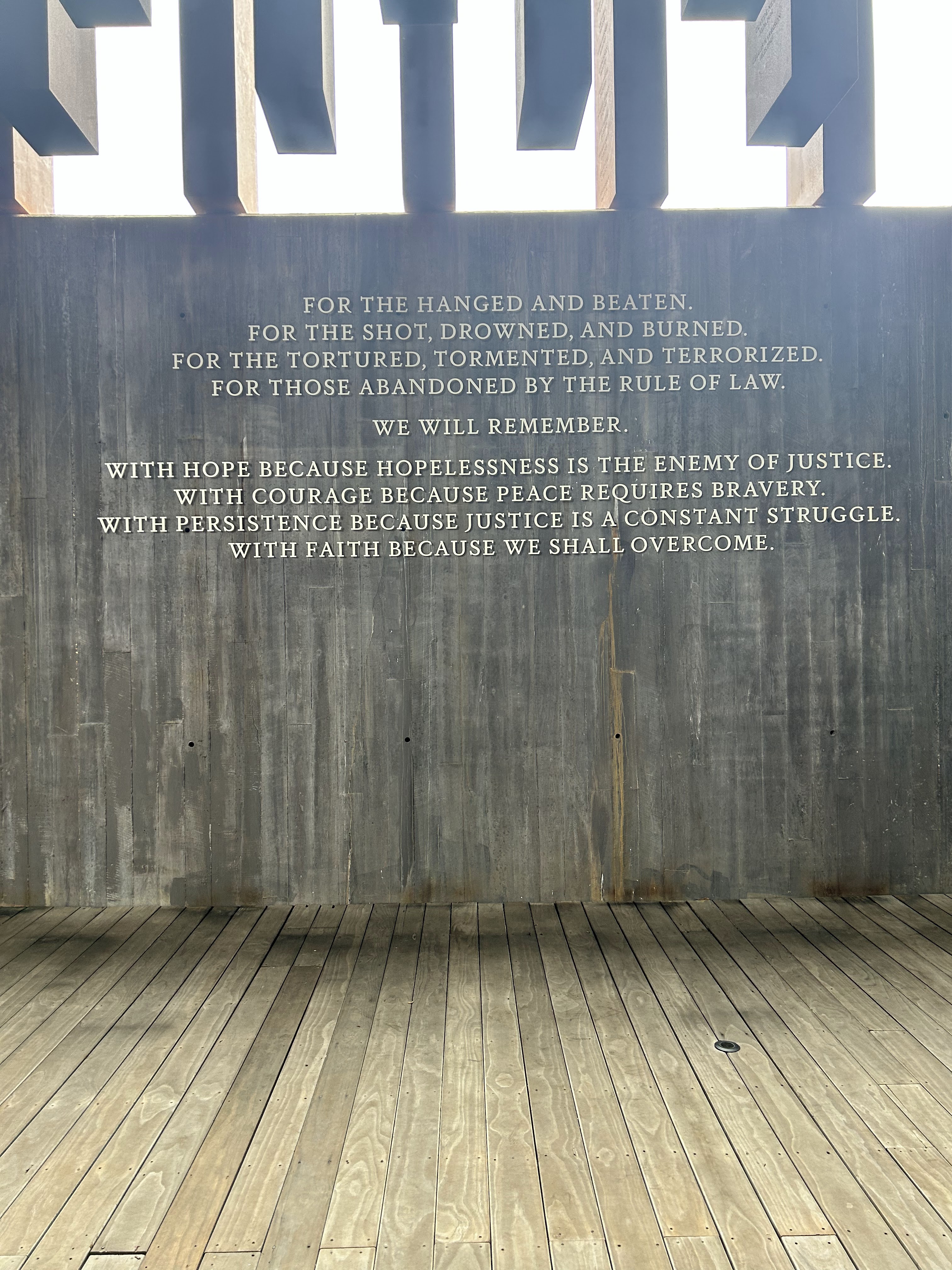
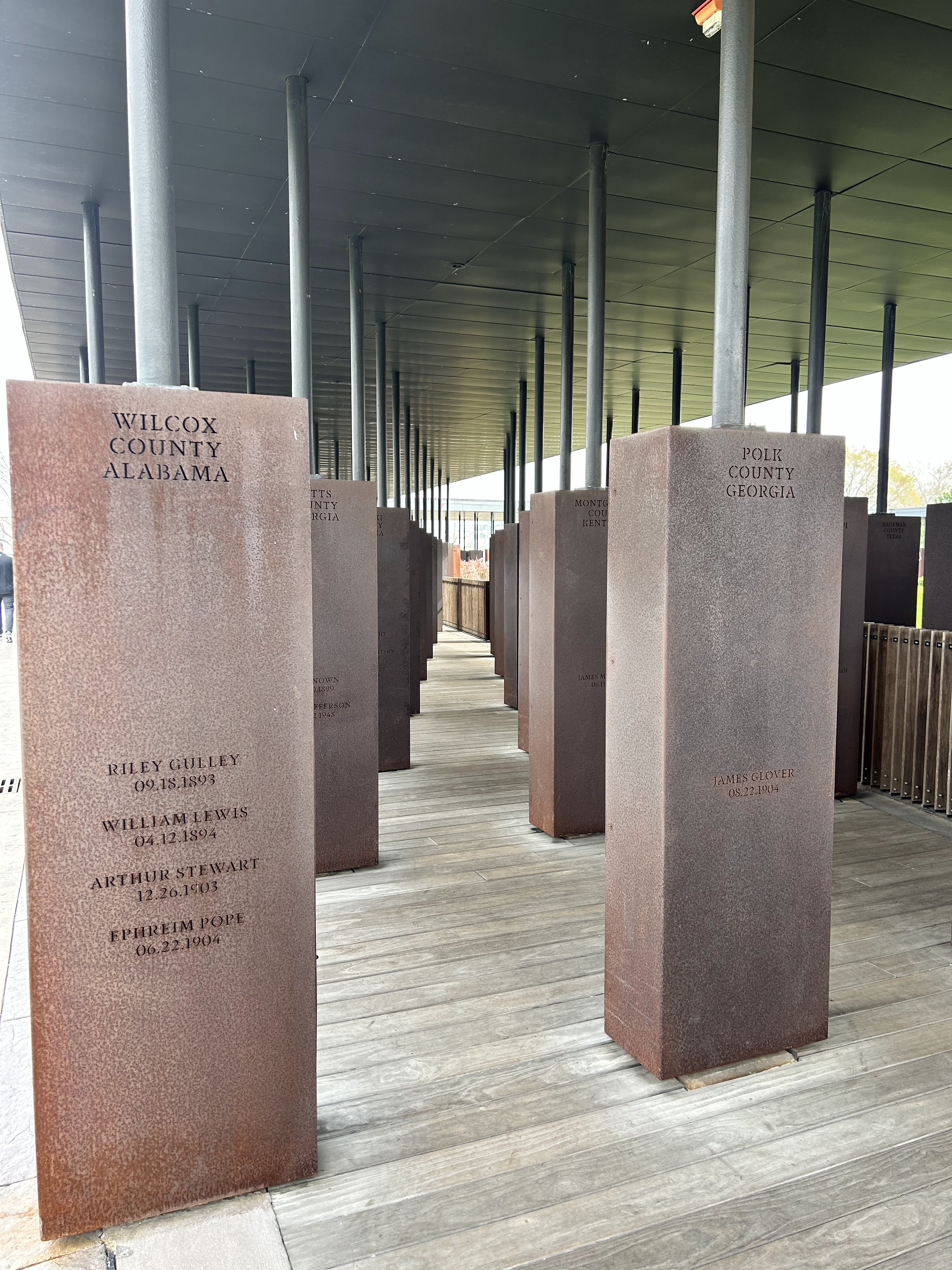
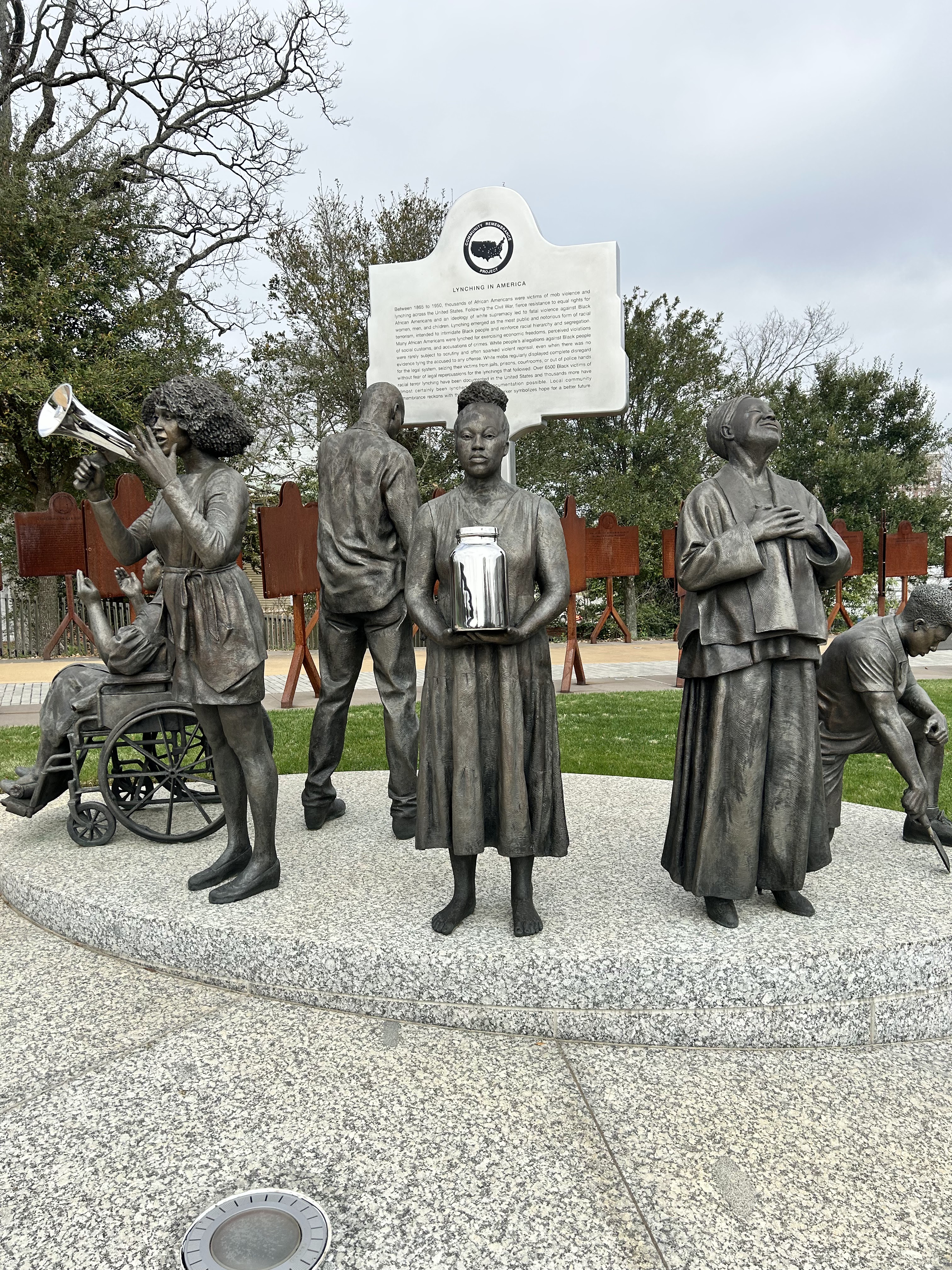
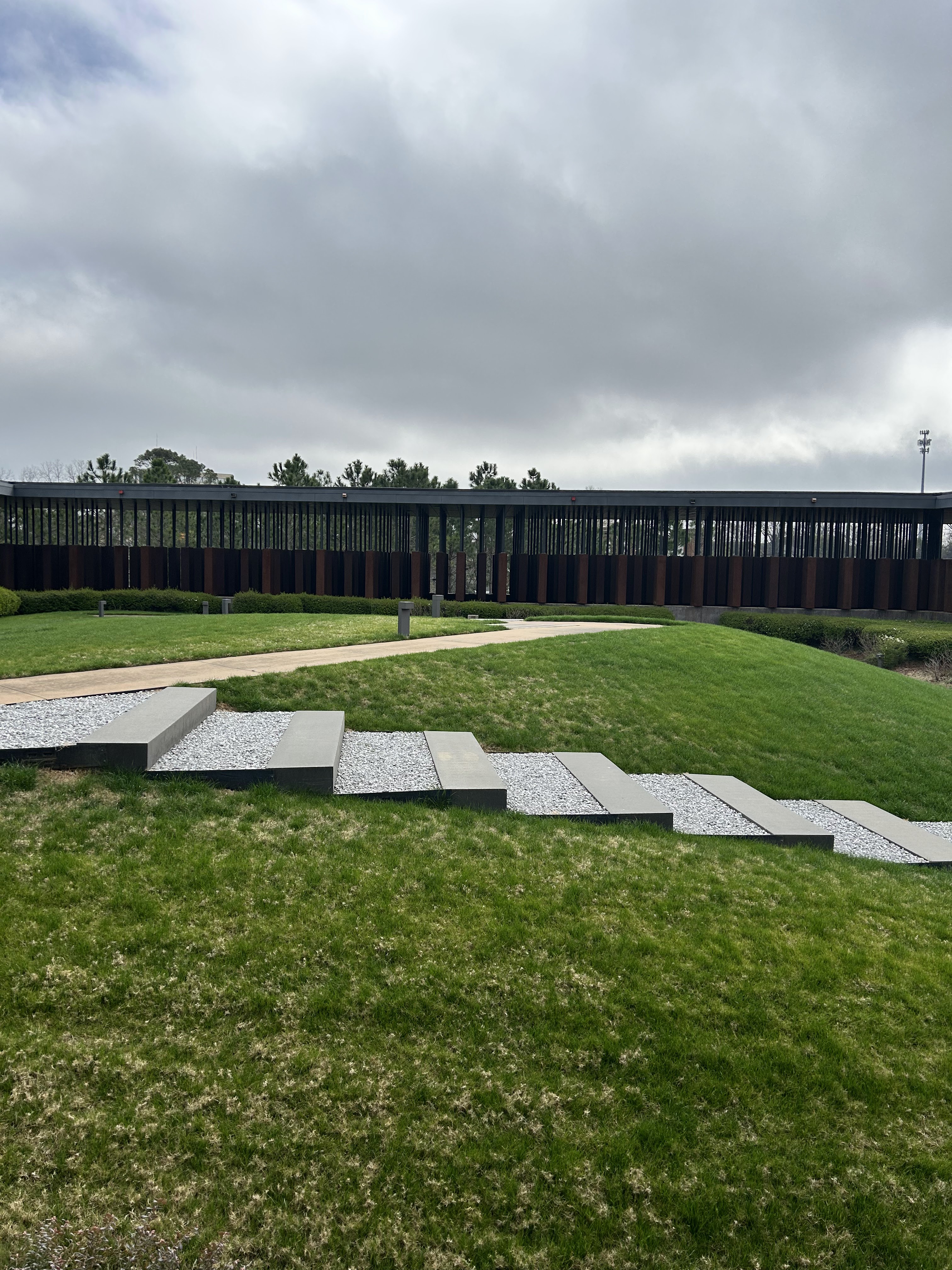
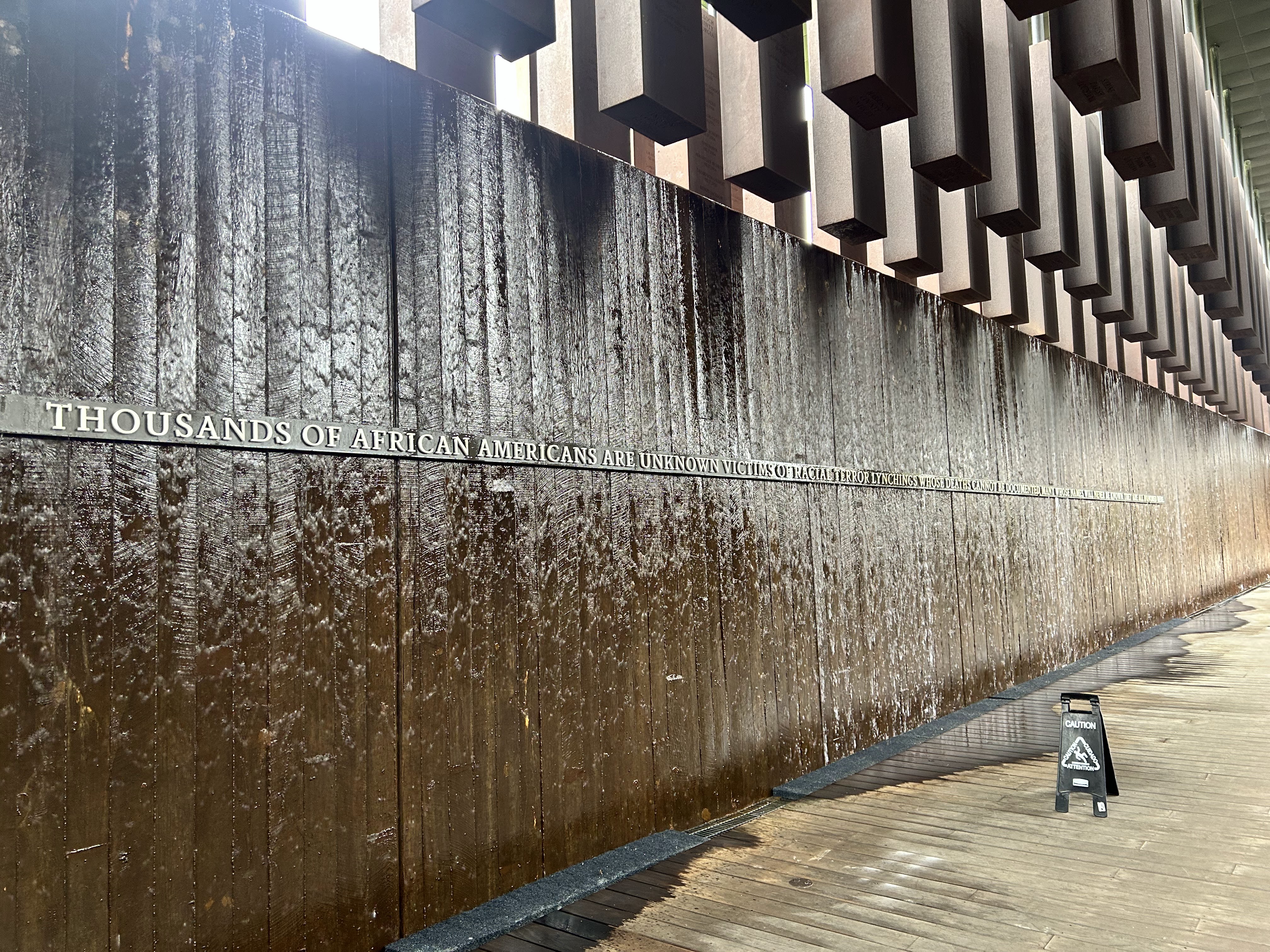
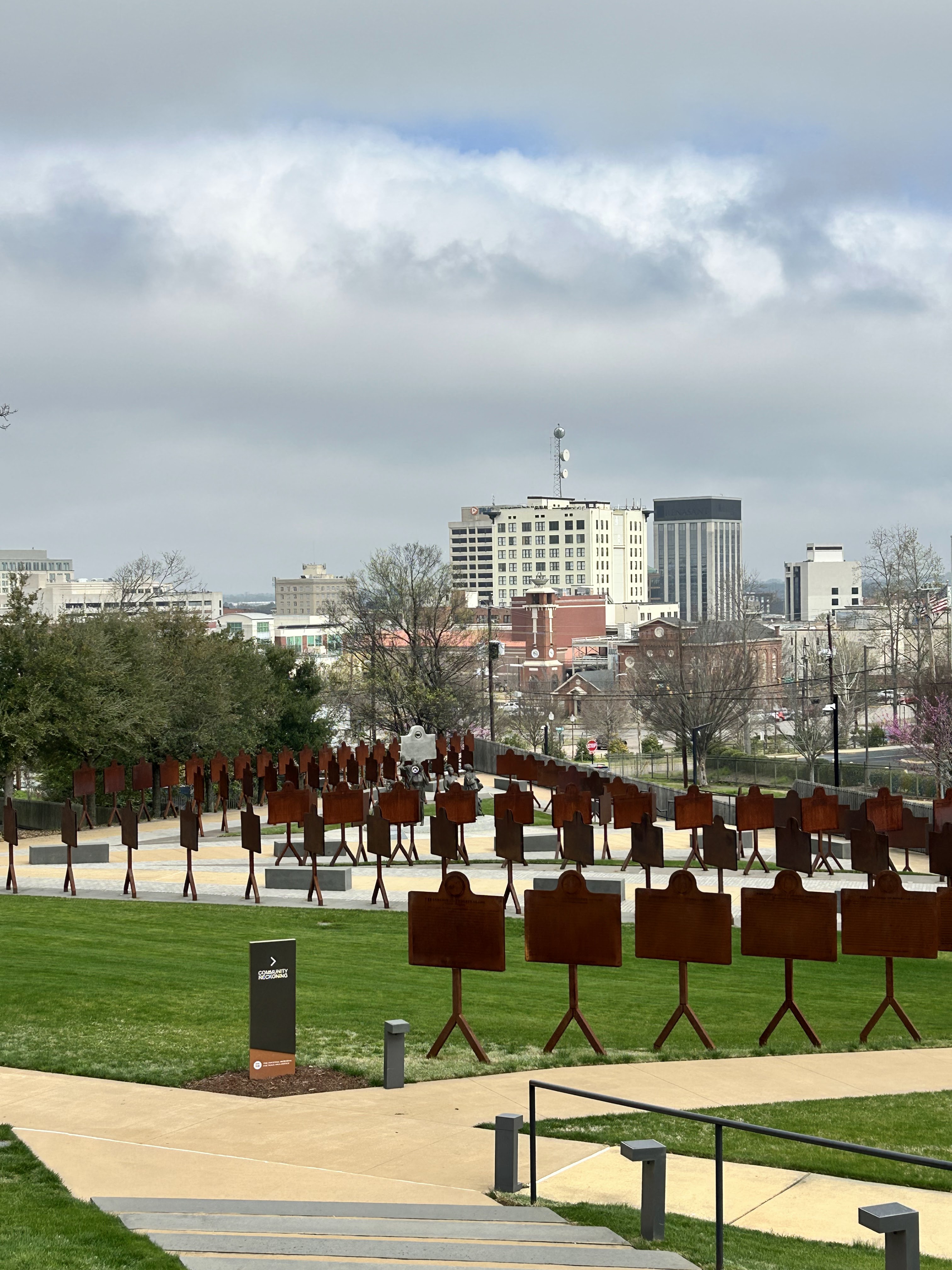
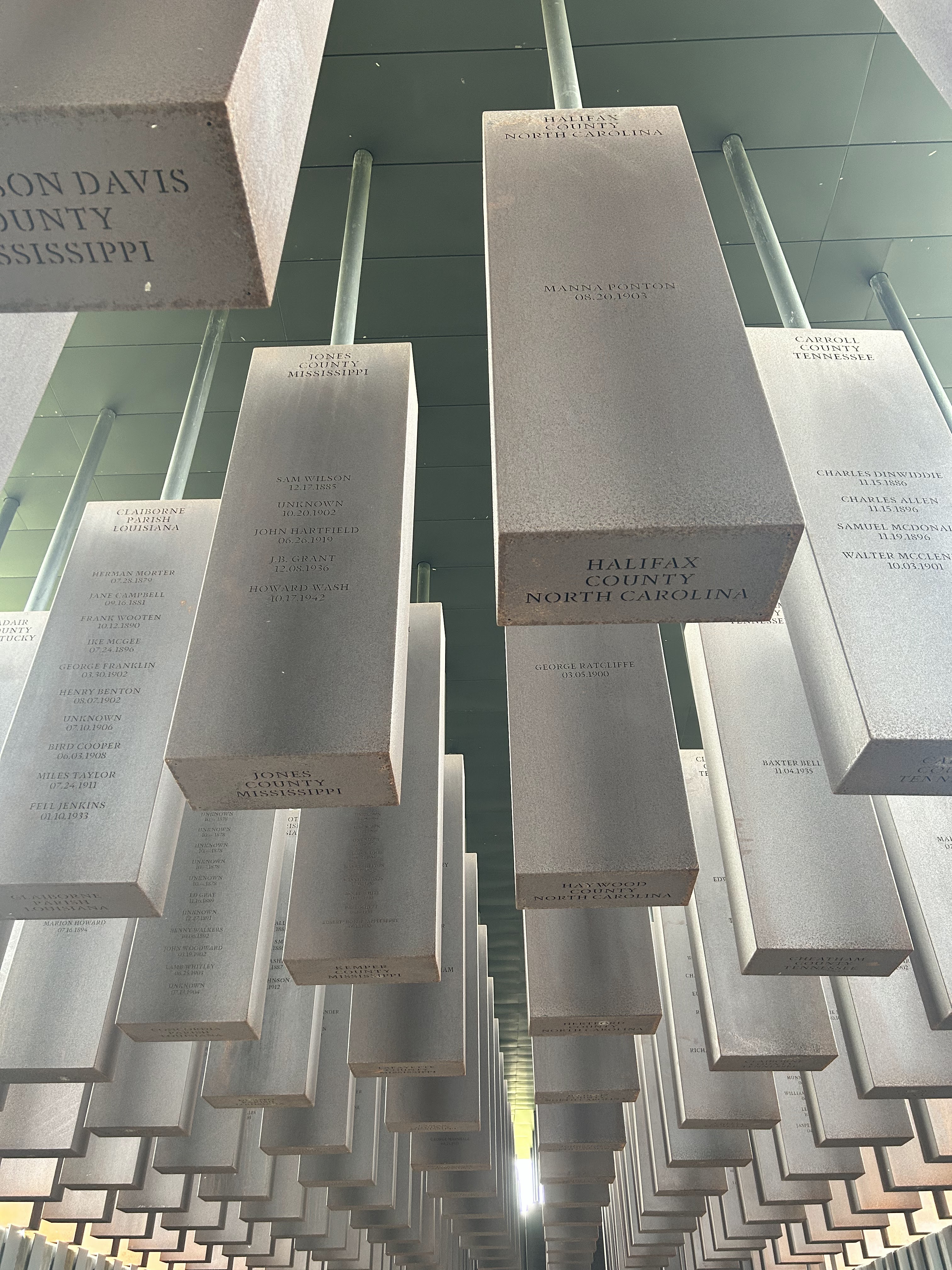
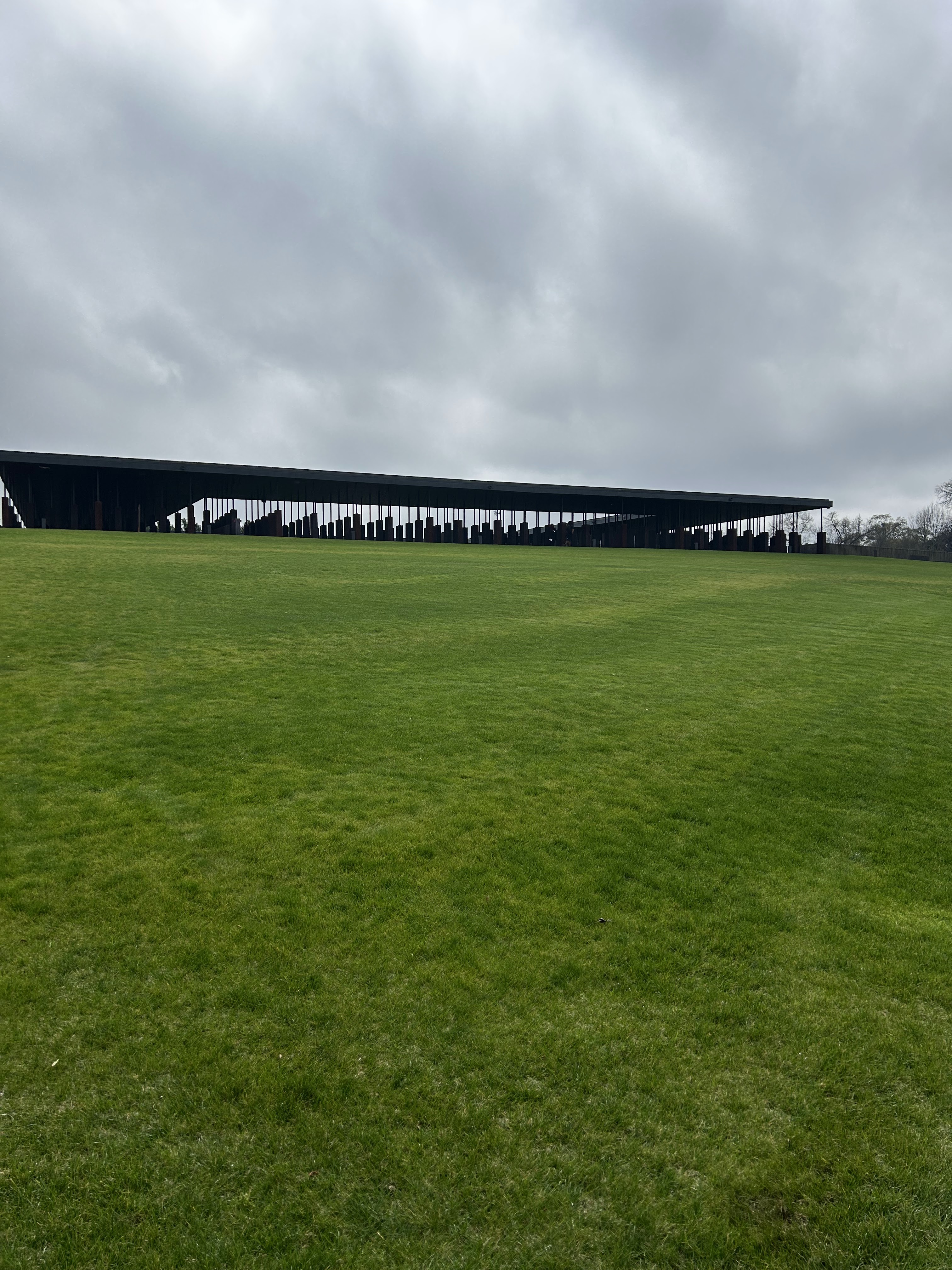
The last room in the building was a gallery with amazing art including two quilts from Gee’s Bend! The National Memorial for Peace and Justice was a six acre outdoor memorial dedicated to lynching. The grounds were pristine and the metal towers had the various locations and number of lynchings in that state or county. There were another set of metal structures that simulated coffins and a large water feature to honor the unnamed victims.

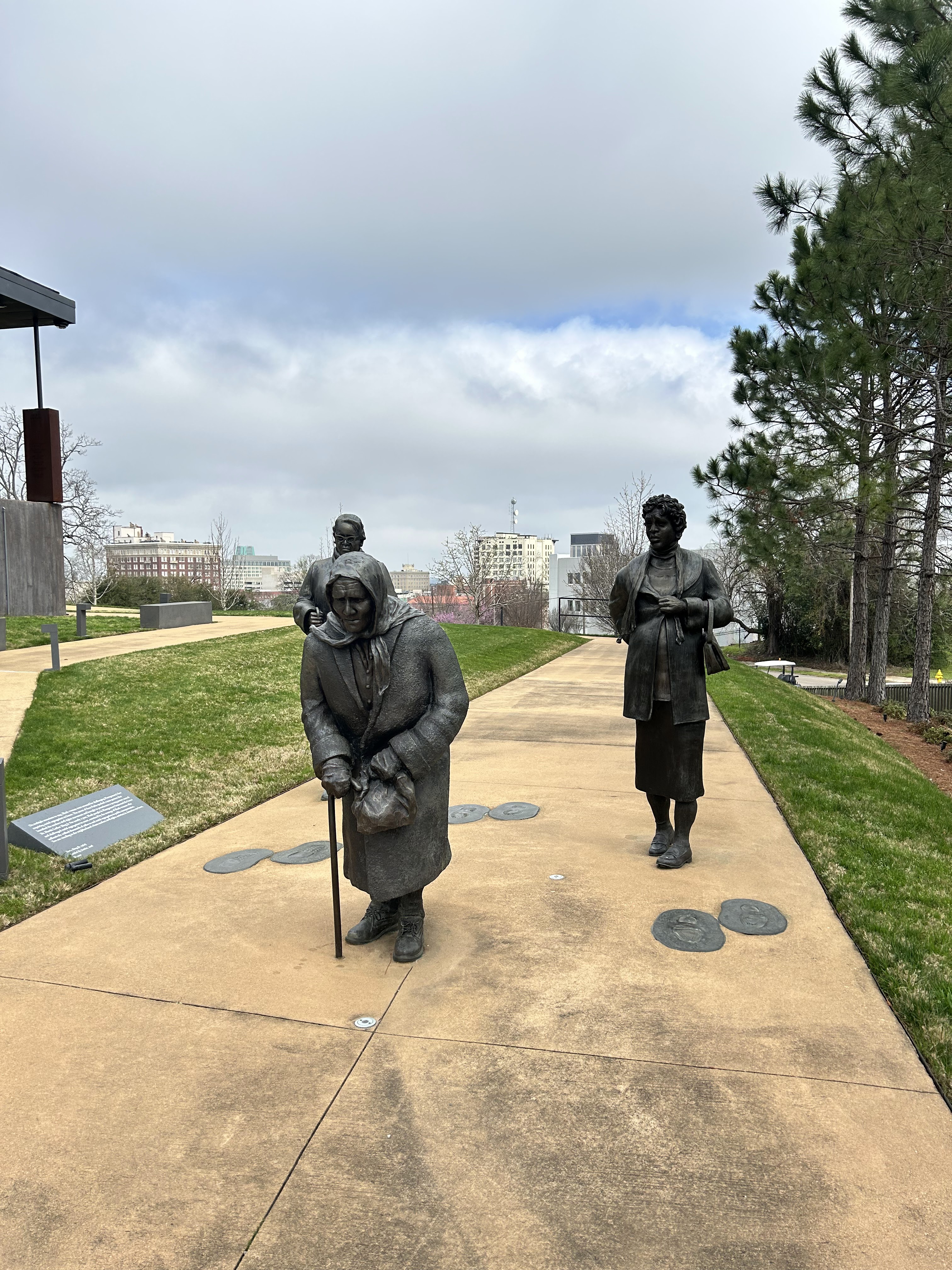
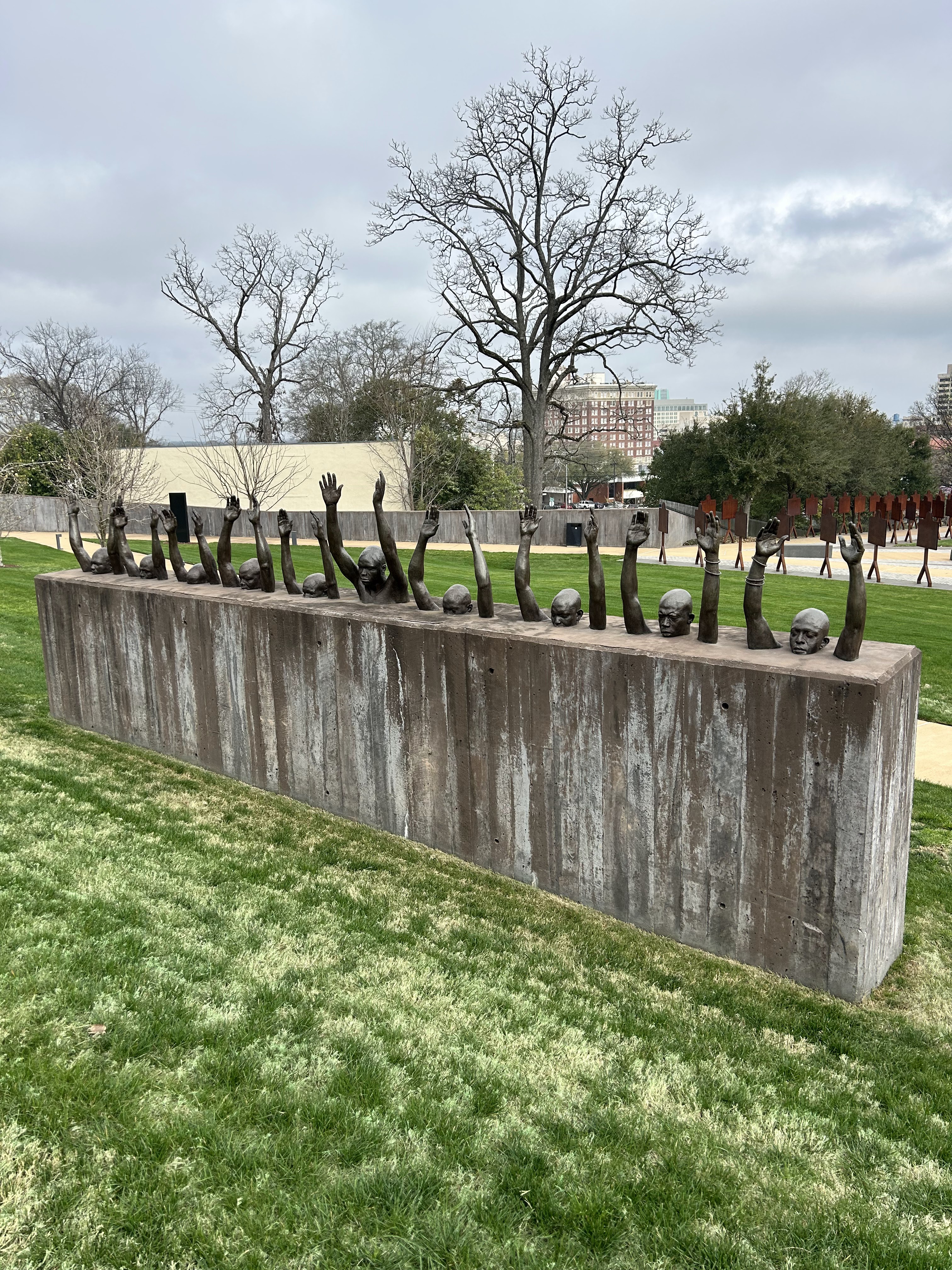
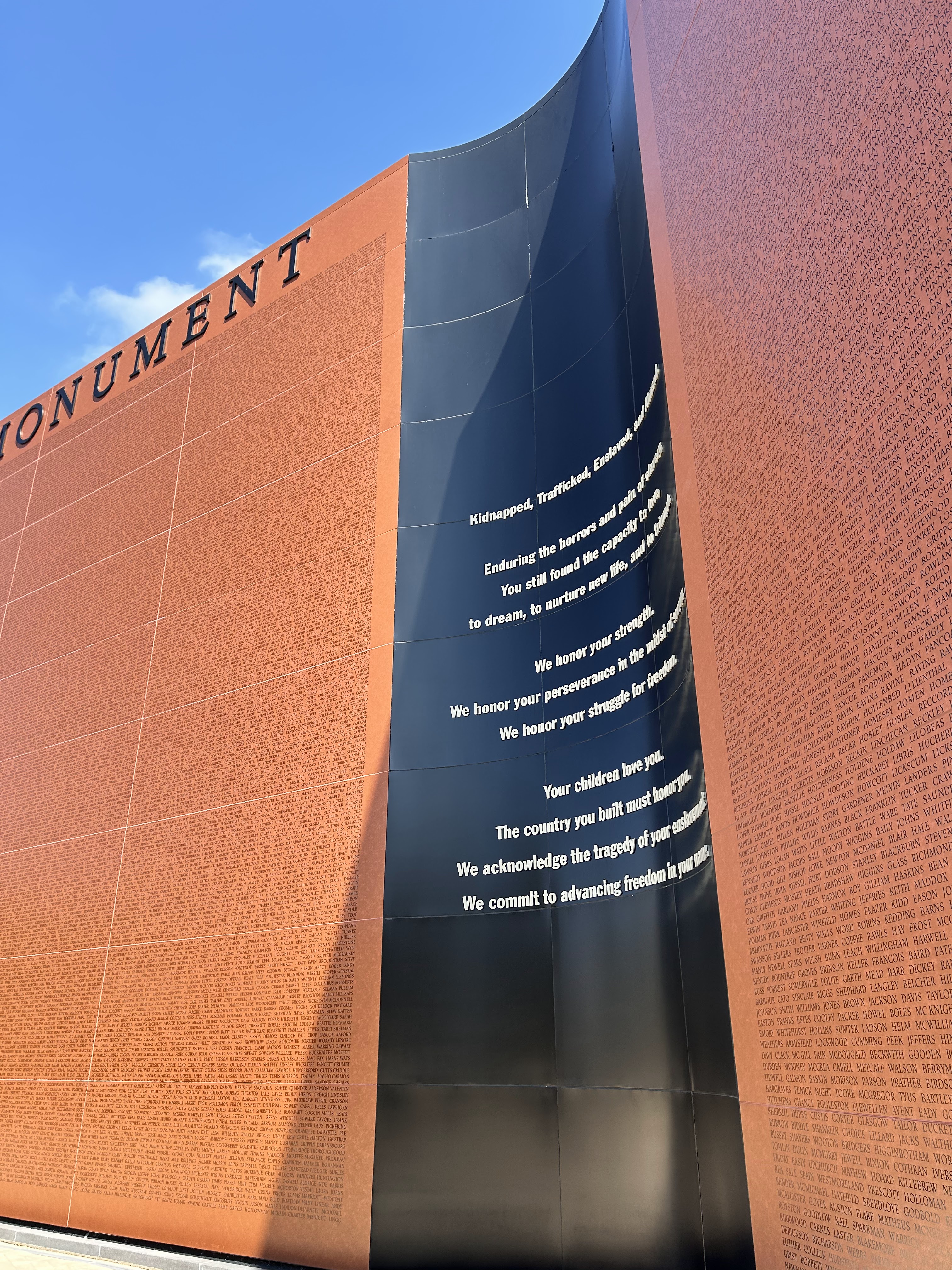
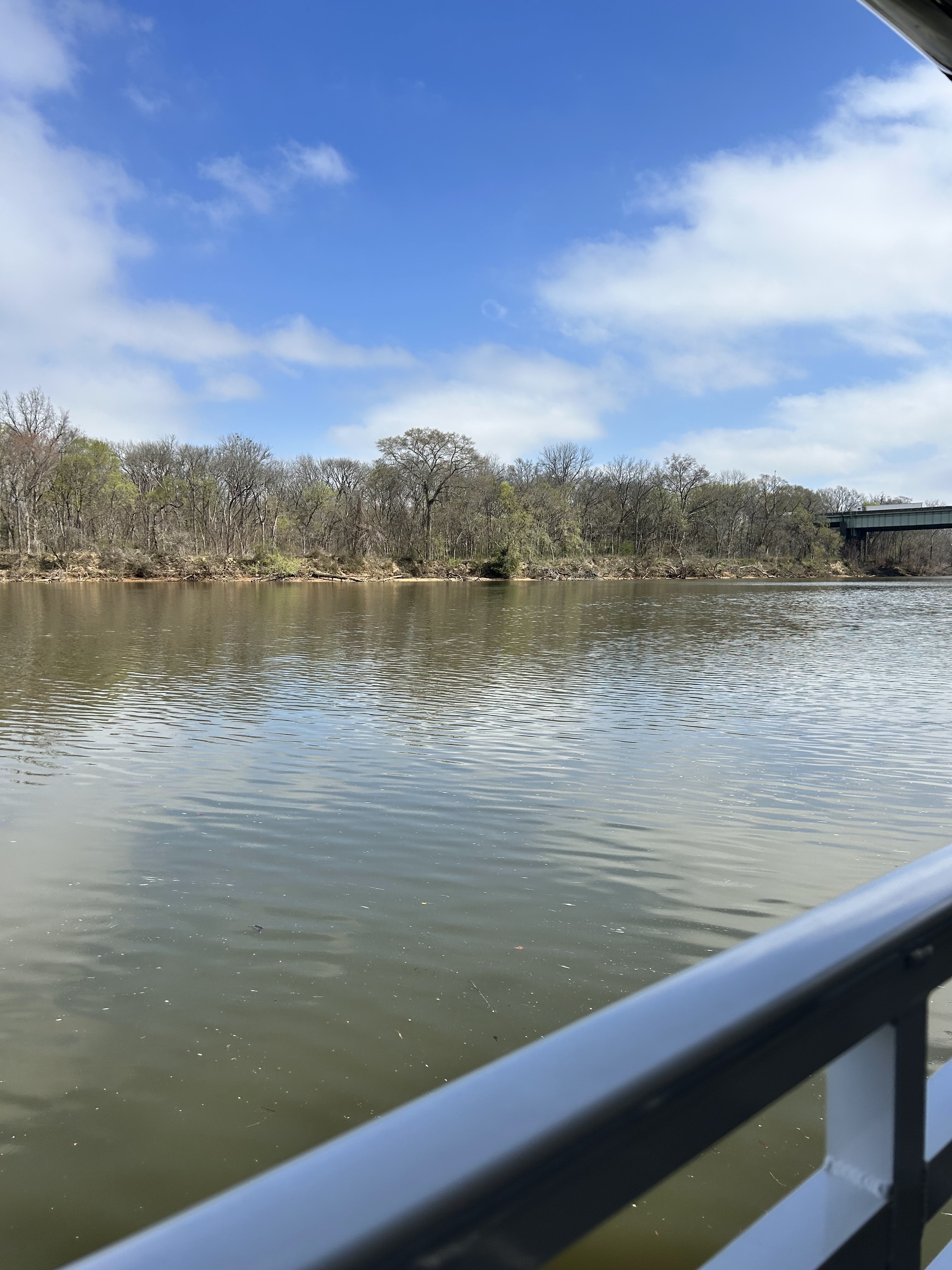
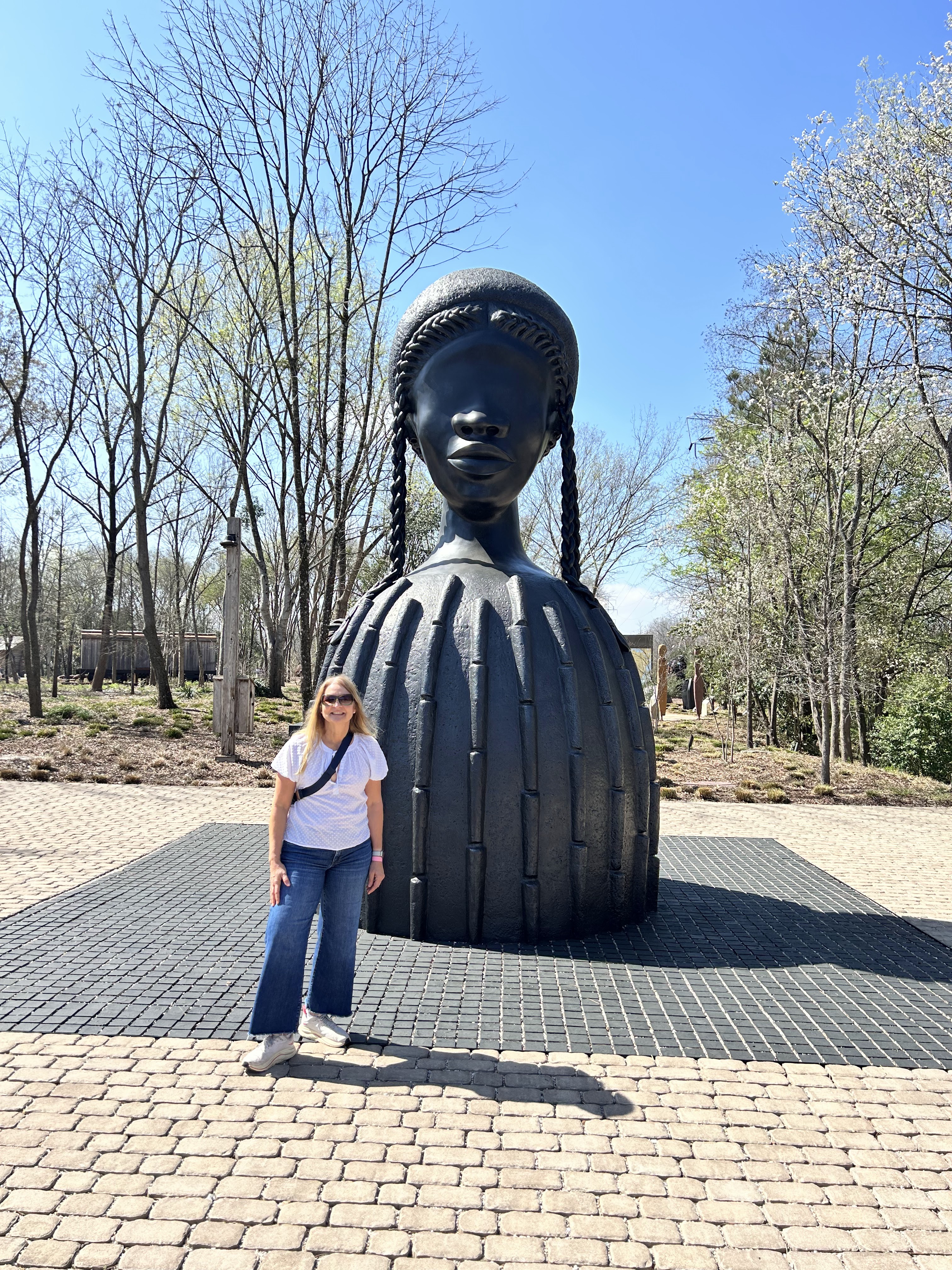
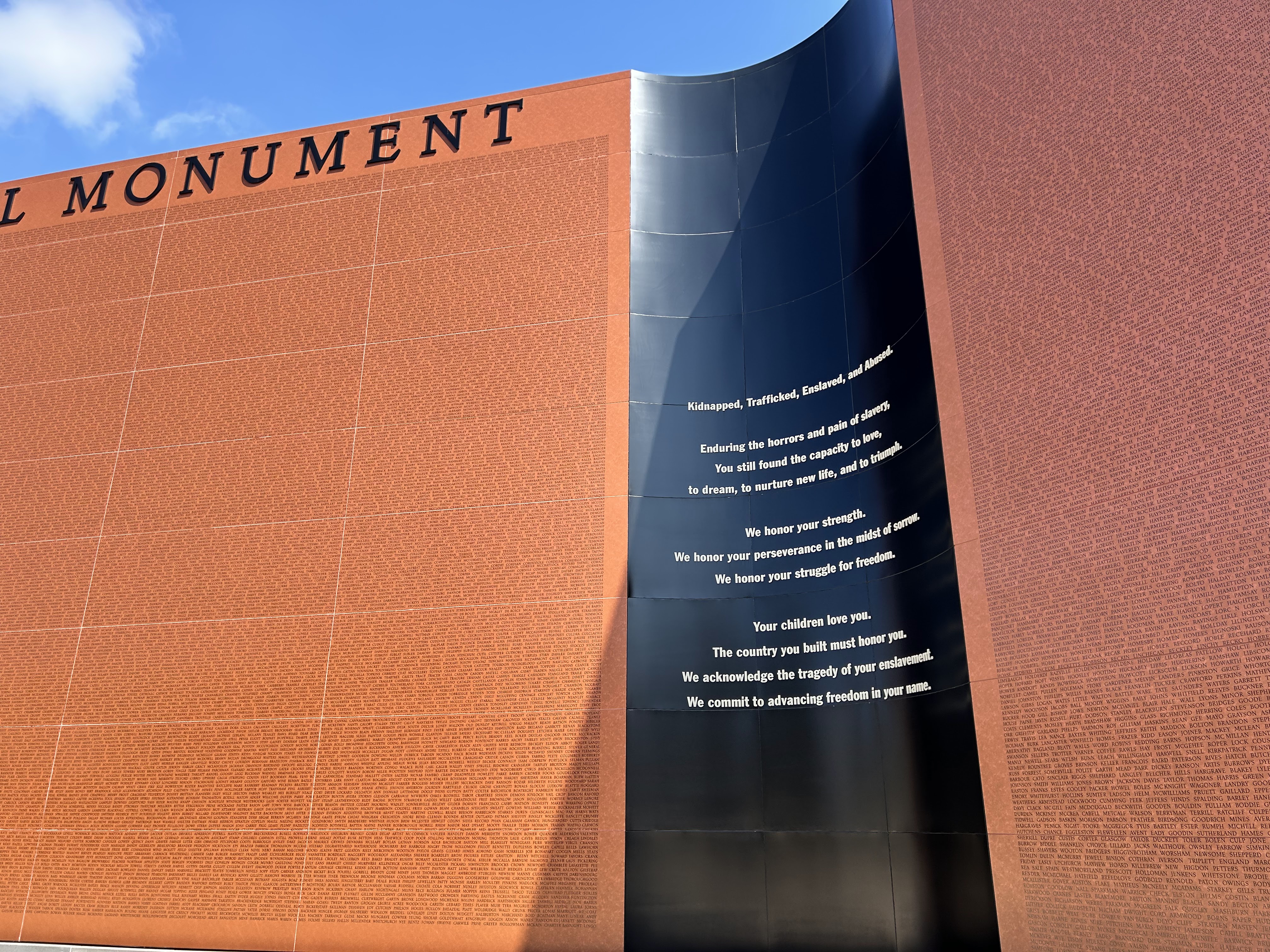
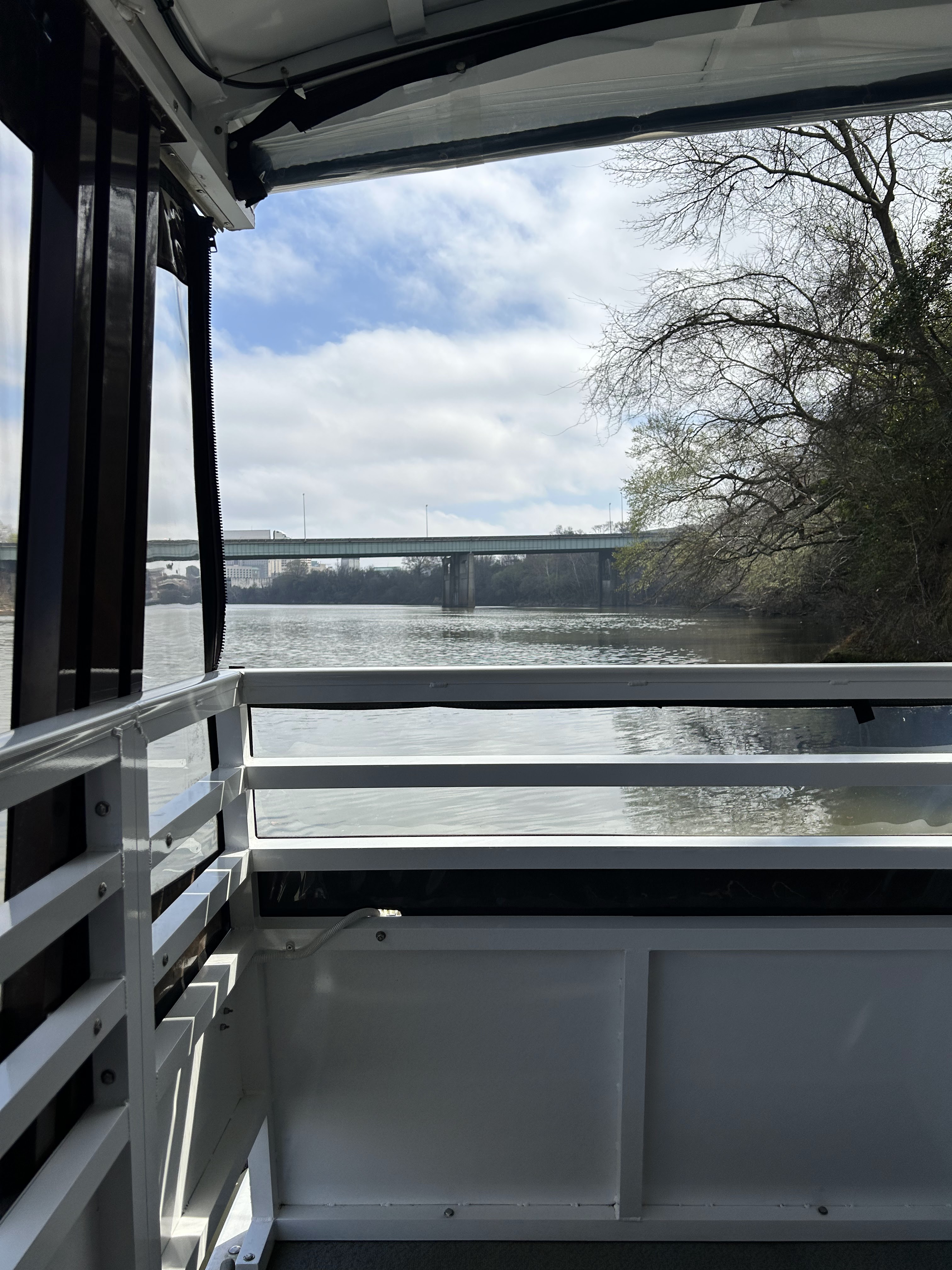
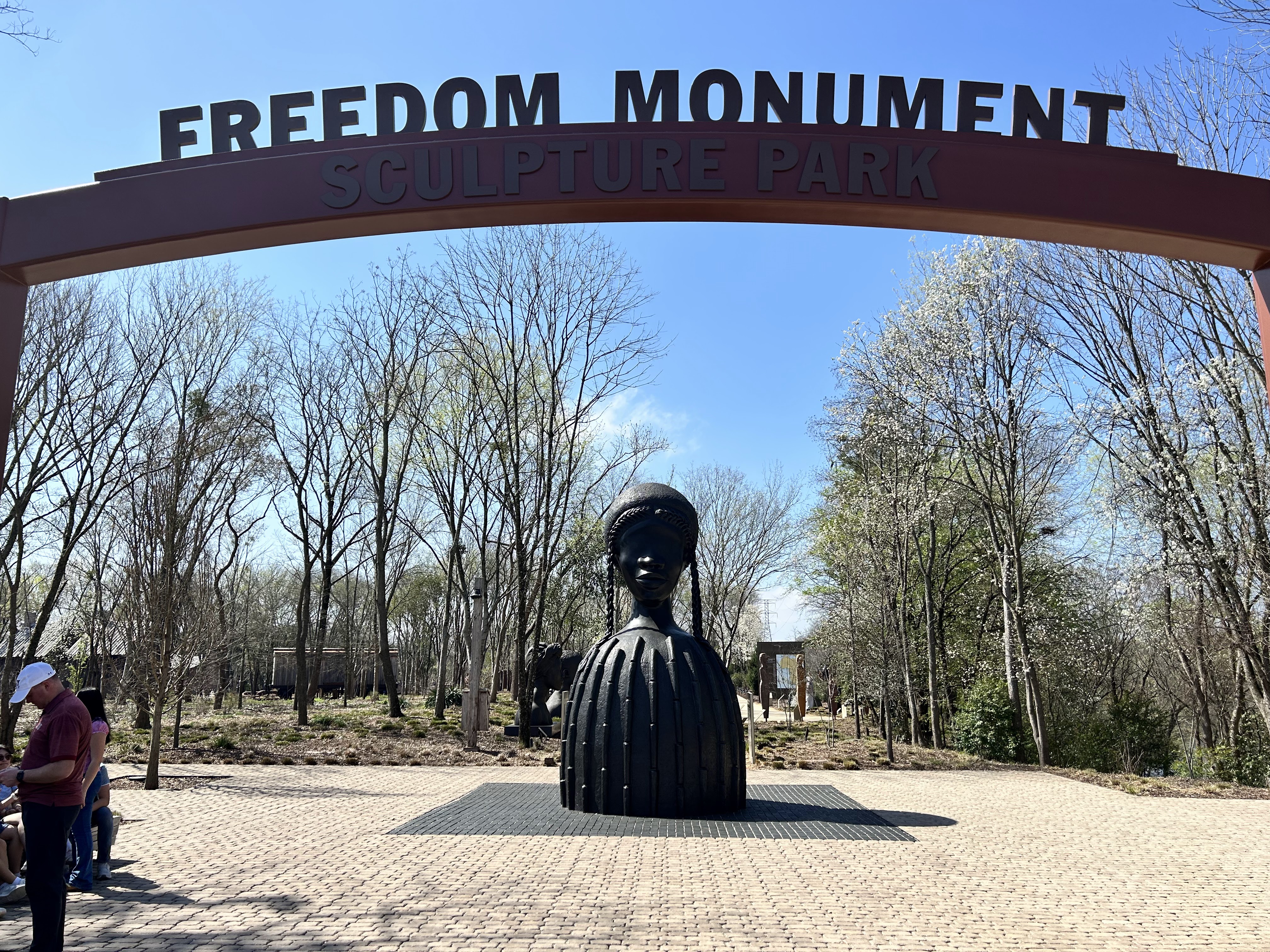
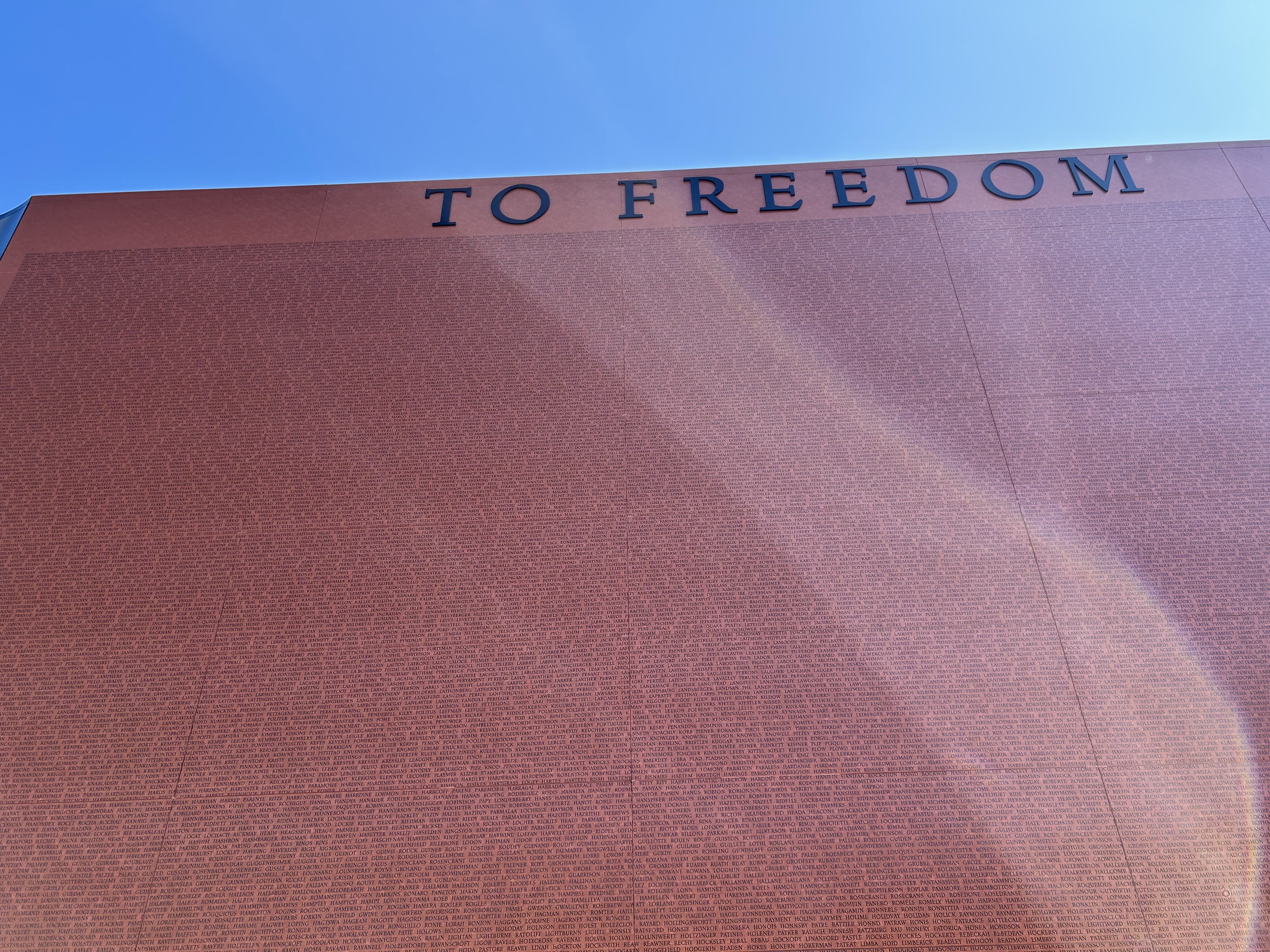
I took a boat ride down the Alabama River to the Freedom Monument Sculpture Park. This was the same way slaves were transported quickly to be sold or transported once sold. I landed at the 17 acre sculpture park that housed amazing sculptures, slave cabins, a railcar and holding paddocks. At the end of the loop was a memorial wall with thousands of names. Photos were limited to just the entry and the memorial. The art and sculptures were beautiful so you must visit yourself to see them!

Overall, I was impressed with Montgomery. It was clean and the old brick buildings and large, county buildings were beautiful. This museum was modern, clean and very thoughtfully mapped out. The metaphors were powerful and thought-provoking exhibits were well-done. Visitors undoubtedly walk away with a clear understanding of how institutional slavery has developed into a permanent hierarchy through our legal, political, religious and science institutions. Racism has been justified as necessary and enforced through violence and continues in our present day.