Is Your Organization Ready?
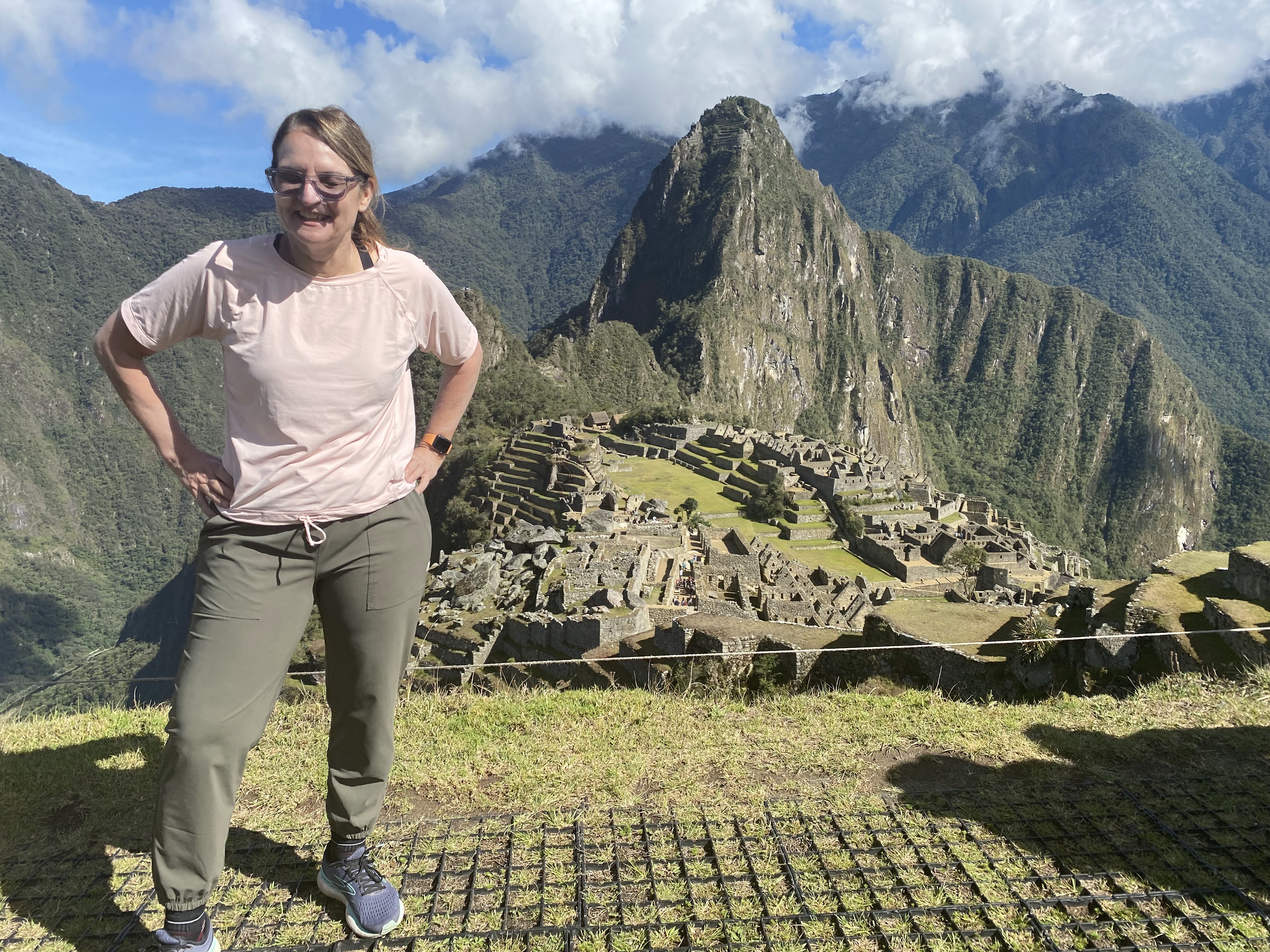
Parthenon 2022

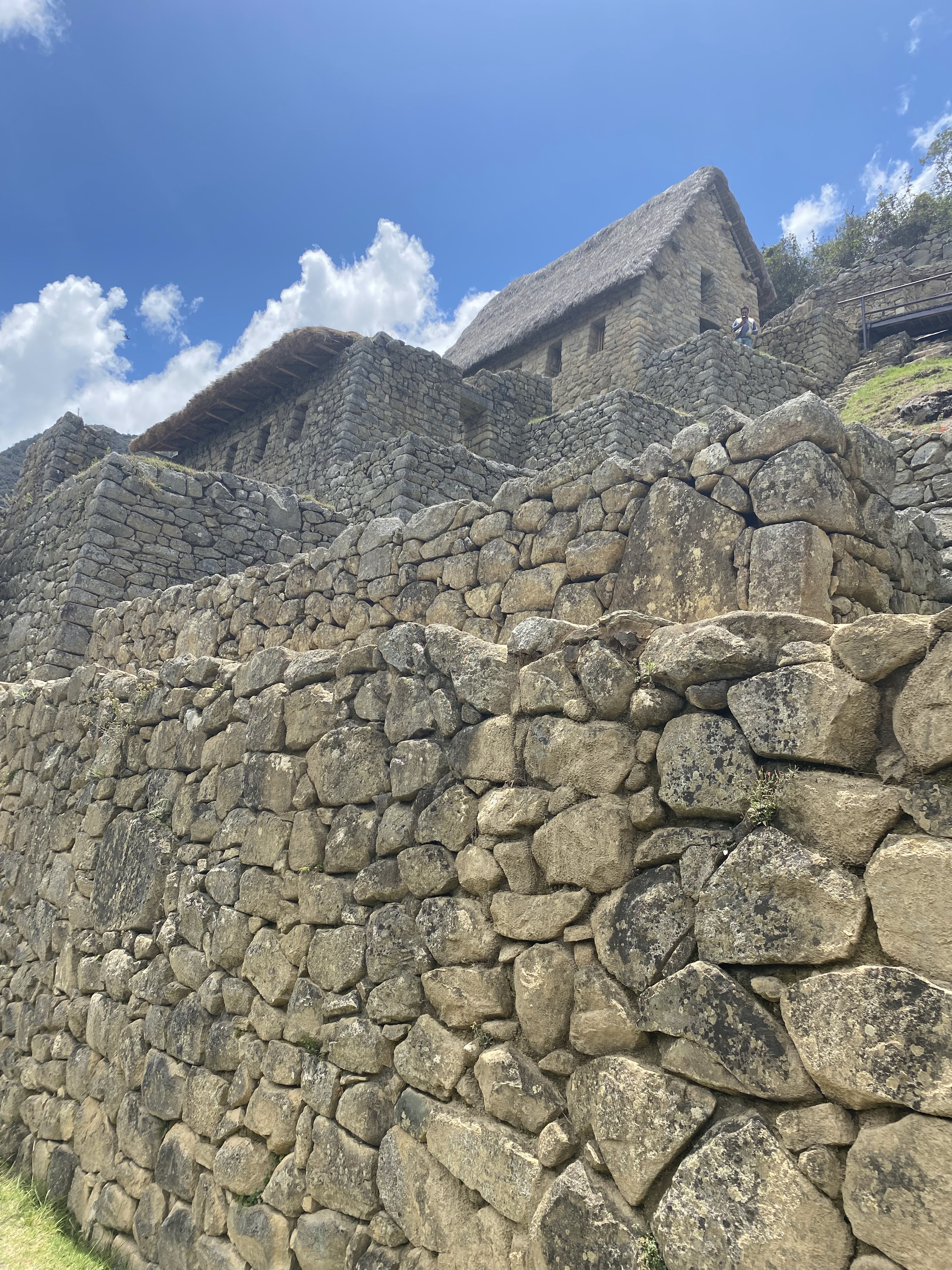
I read recently that DEI professionals have an average of an 18 month lifespan (just a little shorter than Greek ruins). I don’t find this surprising given the many stories DEI peers have shared about being in a DEI-focused role in an environment resistant to change…a system resistant to change…a country and even a world resistant to change. Over and over I hear about DEI professionals with targets on their backs for just trying to do their jobs. Why is that? WTF is more like it! I am pretty confident that DEI professionals are not in their jobs to be a “check the box” role in their organizations. DEI work is emotional work. It is hard work and I know we do this work so that we can MAKE a difference, not just serve in a figurehead capacity.

So how do we determine if our role is just fluff filled with lip service? I have a few suggestions of things to dig deeper on to determine if it is time to move to an organization that actually means what they say. To be fair, the type of change we are all working towards is not fast work. The needle will move slowly but it still needs to move and I want evidence that it is actually moving.

Budget. No project, initiative or role can move forward without money. Having a budget (and being able to use that budget) signals that there is validation for your efforts. A budget allows you to tie strategic goals with money to accomplish those goals.

Positions. You might momentarily feel proud of yourself that the organization finally “put their money where their mouth is” and created a full-time, singularly-focused DEI role. You might say to yourself, “finally the organization realizes this role is critical.” But I say not so fast because you will find that there actually is way too much work for one person. One subtle way to stop progress is to bury the DEI professional with so much work that they cannot see the what’s really going on. So, don’t gloat so quickly and instead determine what roles are needed to really do the WORK and then make the case to get those roles hired.

Authority. Do you have a seat at the proverbial table? If not, you will get mired in layers of approvals and suddenly the simplest thing like a educational article or training event will get stuck in roadblocks and potholes. You basically sit at the red light eternally…or until the article or topic’s essence is no longer current with whatever the issue was that you wanted to highlight.

Diversions. Leadership will throw you a bone and tell you how great you are doing…what an awesome influence you are making on the organization. Don’t be fooled…incremental changes like getting the organization to stop using some male-focused words in not what we are after. Yes, it is great to change the bias vernacular that your organization is using but it will never be more impactful than true, systemic changes like digging deep into your recruiting practices and eliminating bias from the process. For example, where does the organization choose to recruit from to how they interview all the way to how they decide if someone is a “fit”. If we continue to hire folks like what we already have then we continue to live in our bubble of sameness.

Employee Resource Groups (ERGs). Creating an environment where ERGs are not only allowed to form, but actually encouraged, will empower employees with shared identities, characteristics, and/or life experiences to come together to collaborate and support each other. It also will enable other employees to learn how to be come allies, a necessary ingredient for change to happen.

We are overdue to band together as a profession and as human beings. As Brene Brown mentioned in her latest book, Atlas of the Heart, “I’m here to get it right, not to be right.” Let’s get it right by setting ourselves up to successfully do the work and make an impact in this world for generations to come. Frankly the world is evolving and change is a part of evolution.

What does getting it right look like? Please comment and let’s figure out how we can support each other and the systemic change so overdue.

The Power of ERGs

Treat people’s culture with care, curiosity and respect.

An Employee Resource Group (ERG) is a voluntary, employee-led group. Members of an ERG are employees who identify as part of a group with shared identities, characteristics, and/or life experiences. Allies are also typically welcomed to join these groups. ERG members collaborate to support themselves and each other. They may do so by joining in meetings together or planning events to engage others in the company.

Benefits of an ERG:

  • Meet and connect with new colleagues
  • Be an active voice for change
  • Learn and grow professionally and personally
  • Share their culture, values, and experiences with others
  • Contribute towards a more open and human world of work
  • Foster inclusion and belonging at work and beyond
  • Empowerment for the marginalized group

Steps to create an ERG:

  • Gauge employee interest (consider an application process)
  • Get executive buy-in and recruit an executive sponsor
  • Define group’s mission
  • Recruit members
  • Host a meeting
  • Keep it alive! This is often the most difficult step.

Types of ERGs:

  • Culture or ethnicity
  • People with disabilities (visible and invisible)
  • Women
  • Faith-based
  • Gender identity minorities
  • Sexual orientation minorities
  • Age minorities Working parents, single parents and caregivers
  • Mental health

Best practices:

  • Define goals and a mission statement
  • Develop structure and guidelines
  • Set a leader for the ERG
  • Have executive sponsors
  • Mentorship

What have you seen work to ensure an ERG succeeds?

Which way will you choose?

Build Your DEI Program

Last week I spoke at the #HRTED2022 conference about ideas to build your internal DEI program. Primarily this session focused on four elements of a program, internships and employee resource groups (ERGs). I want to share the main points of the presentation. If you want more information, please contact me. This post will touch on the four elements and internships. My next post will focus on ERGs.

The four elements of a DEI program consist of:

  • Metrics-identify what and how you are going to measure your program.
  • Process-consider the many processes in your organization including people, operations and purchasing.
  • Education-there are lots of training needs so make sure you force rank them, determine your strategy and how you will measure effectiveness.
  • Initiatives-this is where internships, ERGs, mentorships, leader cohorts and many other programs come into play.

Make sure you create organizational buy-in.

  • Develop a business case for why DEI matters to organizational goals and success
  • Conduct an honest assessment of whether the organization can support diverse interns
  • Be prepared to answer difficult questions
  • Demonstrate patience

Engagement Strategy:

  • Foster an inclusive environment
  • Create micro-connections
  • Engage executive team
  • Establish intern cohorts
  • Pair interns with a strong mentor
  • Maintain frequent check-ins

My Big Greek Vacation

Greece has been on my bucket list for years and I finally made it happen this year. I spent 15 days in four islands and Athens. I was mesmerized by the beauty, the great food, the generous, hospitable people, clean streets, many cats and great shopping. I am not a shopper by nature, but I was surprised to learn how many things are made in Greece. I flew from Portland direct to LHR in 9.5 hours and then an additional 3.5 hours to Athens.

Once I landed in Athens at 2 a.m. I stayed at a hotel near the airport so that I could catch a morning flight to Naxos. Naxos boasts an airport that is literally one room, which was a great foreshadow to how small and quaint this island would be. We stayed in a wonderful hotel which was located right on the beach. The rooms were spotless and well-appointed, the staff was extremely attentive and the authentic breakfast made me never want to leave!

One day I took the bus to Naxos Town and visited the Gates of Apollo, shopped in the beautiful alleys and winding streets and had a wonderful terrace, sea-facing lunch. Naxos Town was a bustling little area that had a wonderful harbor and lots of interesting shops. I really loved Naxos!

After four nights in Naxos I took the ferry to Paros. The ferry is a bit unorganized and seemingly always late, but it is a relatively easy way to commute island to island. Paros was another great island with cute, whitewashed towns with winding alleys, interesting shops and good food. Paros Town had a walking promenade lined with mainly restaurants and shops, which was a great to stroll once the hot day moved to the cooler evening.

We ventured to the beach with a $20 taxi ride and then took a fishing boat/ferry to the town of Naoussa, which was where I had one of the best lunches of my trip! The tomato caper salad was to die for! Again this walk-worthy town was beautiful with upscale shops and alleys that allowed you to meander in the mid-day sun.

An easy daytrip from Paros is the island of Antiparos. Arriving by boat is the only way to get there and there is rumor that Tom Hanks has a house on the island. I loved this island, too. We had a leisurely lunch on the water and walked around for the afternoon. Next time, I might be tempted to stay here instead of Paros.

After three nights, we hopped on the ferry to Santorini. All the pictures you might have seen of this beautiful island are TRUE. After arriving at the ferry port, it is an uphill climb on this island. We stayed in Imerovigli and it was amazing. The view of our hotel was breathtaking and honestly the views from just about anywhere are stunning. We also did a sunset cruise and although it was a bit disorganized, it was great to get close to the caldera and be on the open water. Our best dinner of the trip was in Santorini. It was comprised of tasty food, wonderful hospitality and a dash of showmanship!

I then flew to Athens for my last three nights. I stayed in Plaka at a wonderful apartment. I did not expect to love Athens as much as I did. After all, I expected an old, dirty city with crowds and little charm. But what I found was the exact opposite! Athens is CLEAN, has beautiful gardens, great food, shopping and of course, history! I could see myself living in this city for six months and really exploring it.

Greece far exceeded my expectations. Greece is easy to navigate and English is spoken everywhere, which makes traveling easier. But by far, Greece is about great food, wonderful people and amazing scenery. I have many destinations on my travel list, but Greece might be a place I visit again, very soon!

Palm Springs in December is Perfect!

Cold nights and semi-warm days is Palm Springs in December. This trip was the fifth December trip to Palm Springs and I was able to get out and hike, which was great. Managed four hikes including the Coachella Valley Preserve, which although in the middle of nowhere, was fascinating. It sits on the San Andreas fault line and the water that seeps through the earth creates enough water for these palm trees to grow in the middle of the sandy desert.

McNeil Point Trail

This hike has it all: lots of elevation, tons of blowdown, scrambling, water, wildflowers and amazing views. We first did the Bald Mountain loop and then hit several partial trails including the PCT, Cairn Basin, Timberline Trail and even a little of the Ramona Falls Trail (by accident). We went high above the two ponds to the McNeil Point shelter (a very solid stone structure). Scrambling down from the shelter was a bit perilous but overall my body felt it had done every inch of the 12 miles my GPS told me we did by the end!