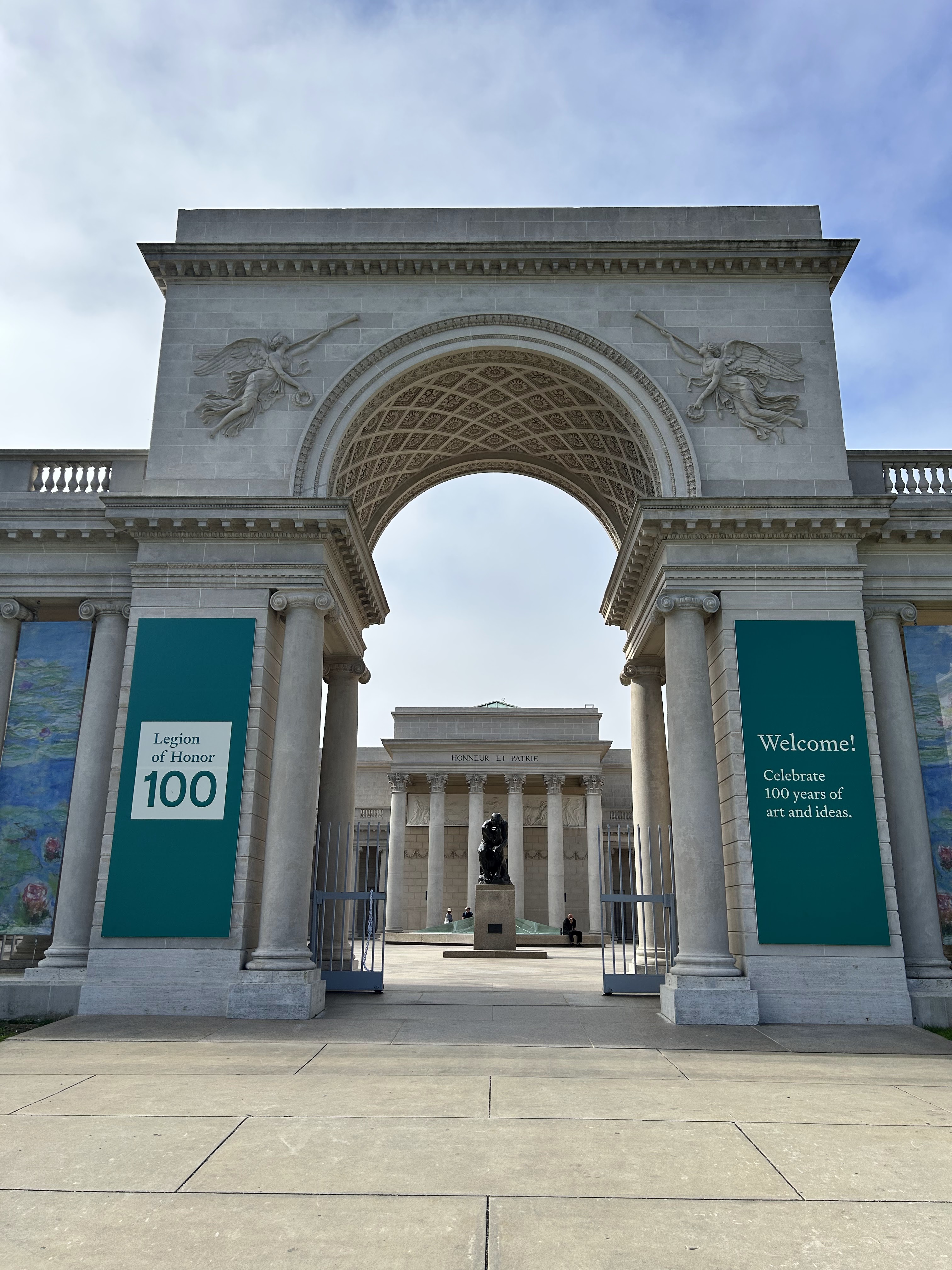
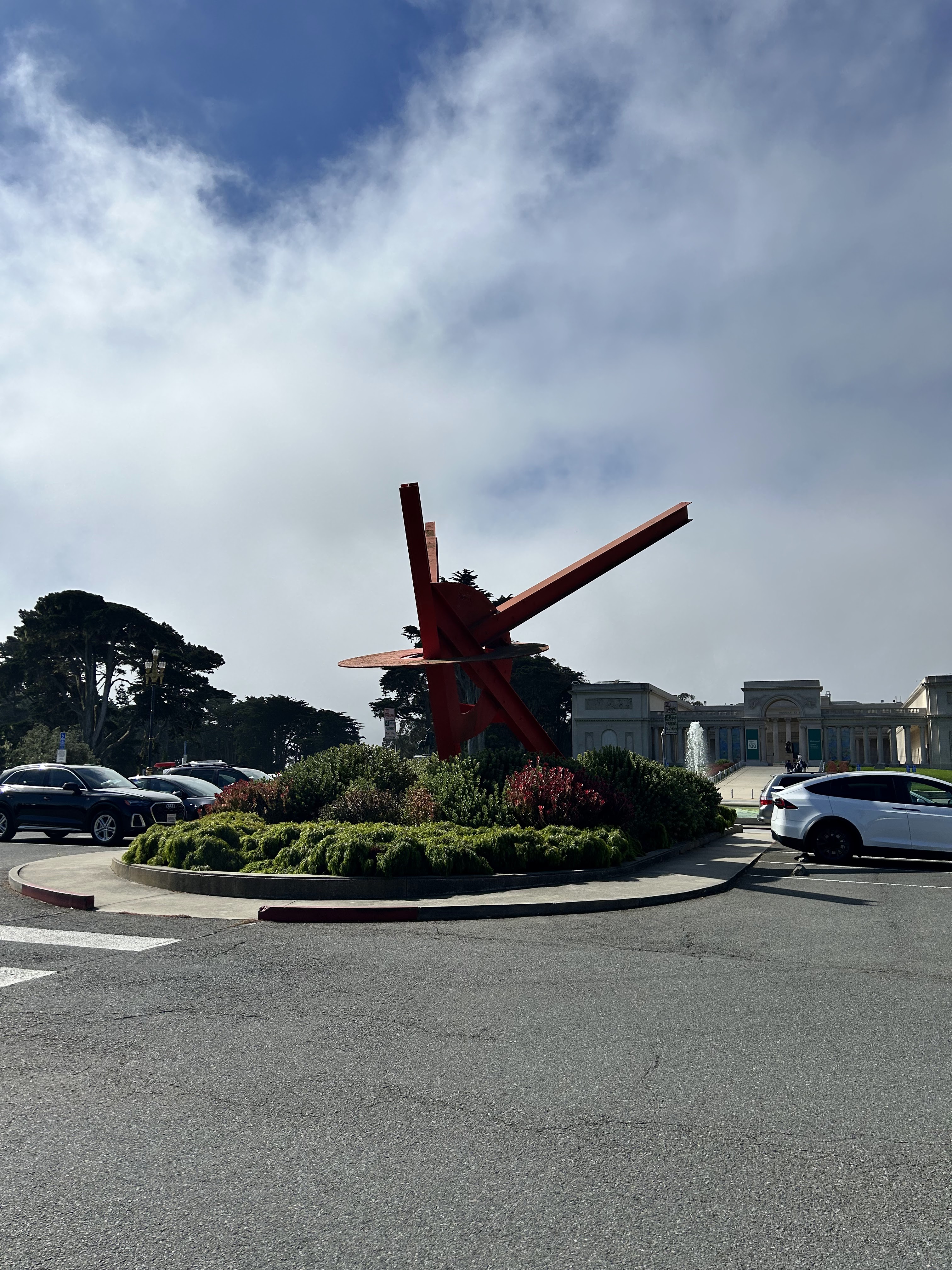
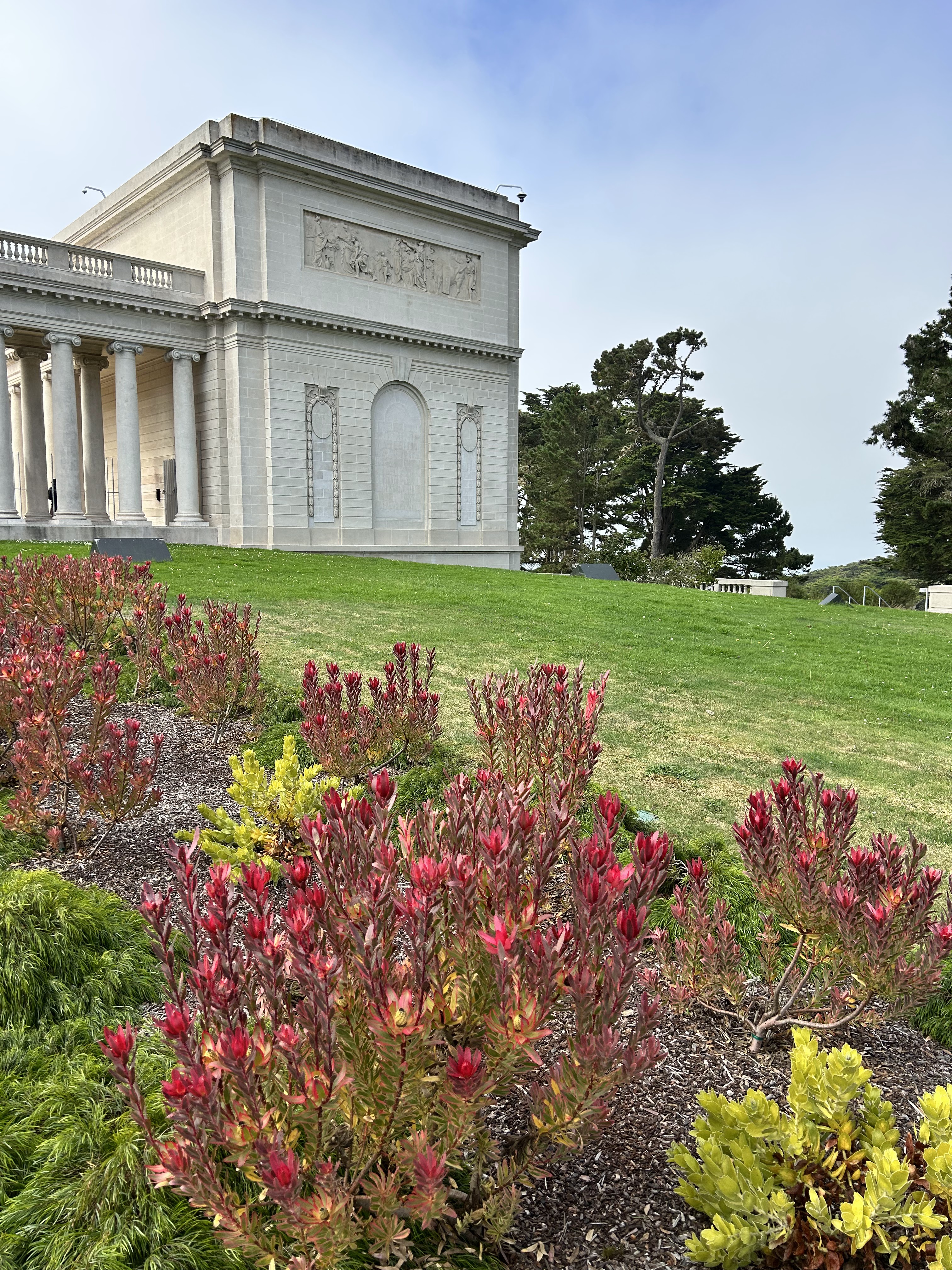
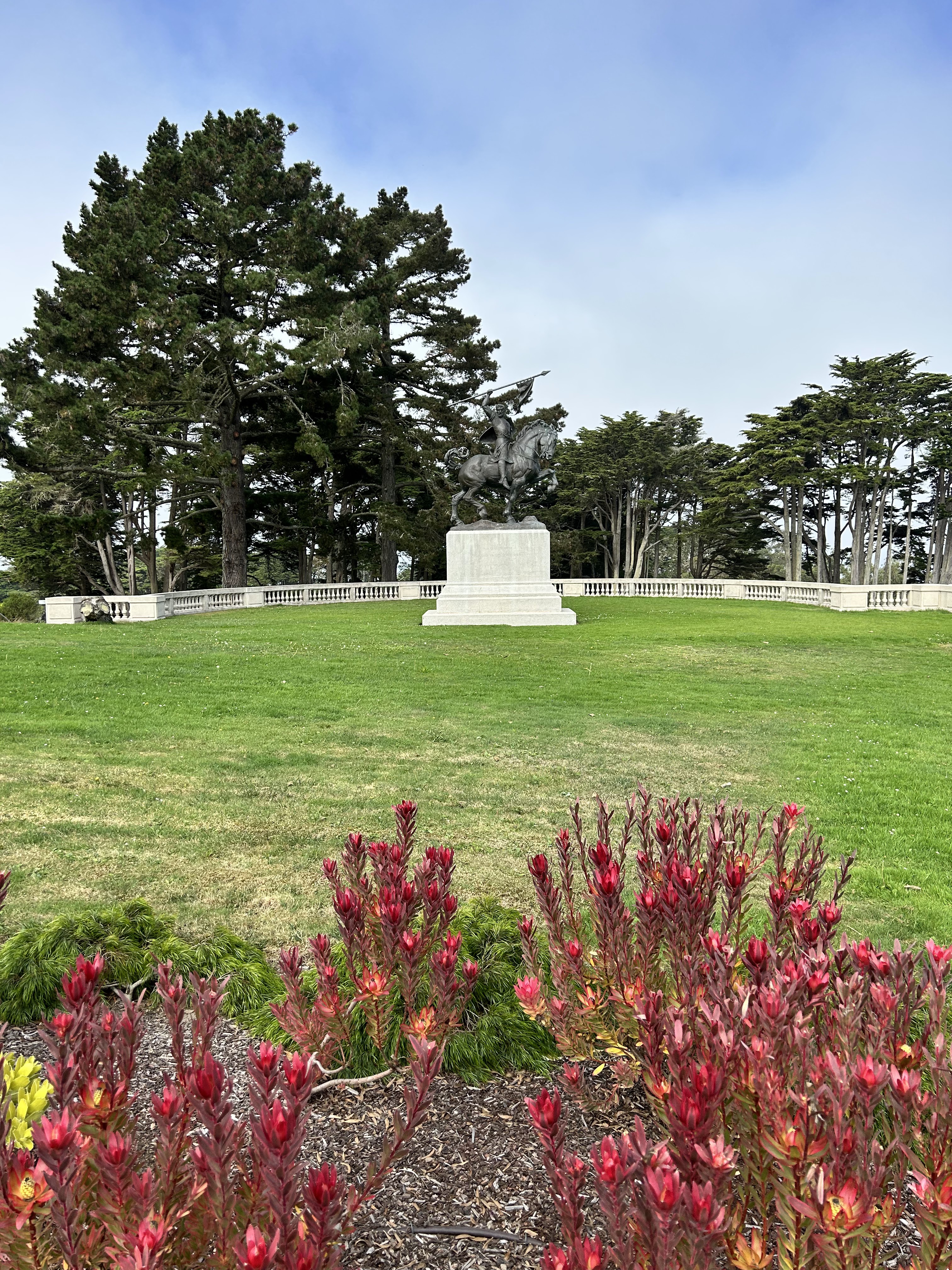
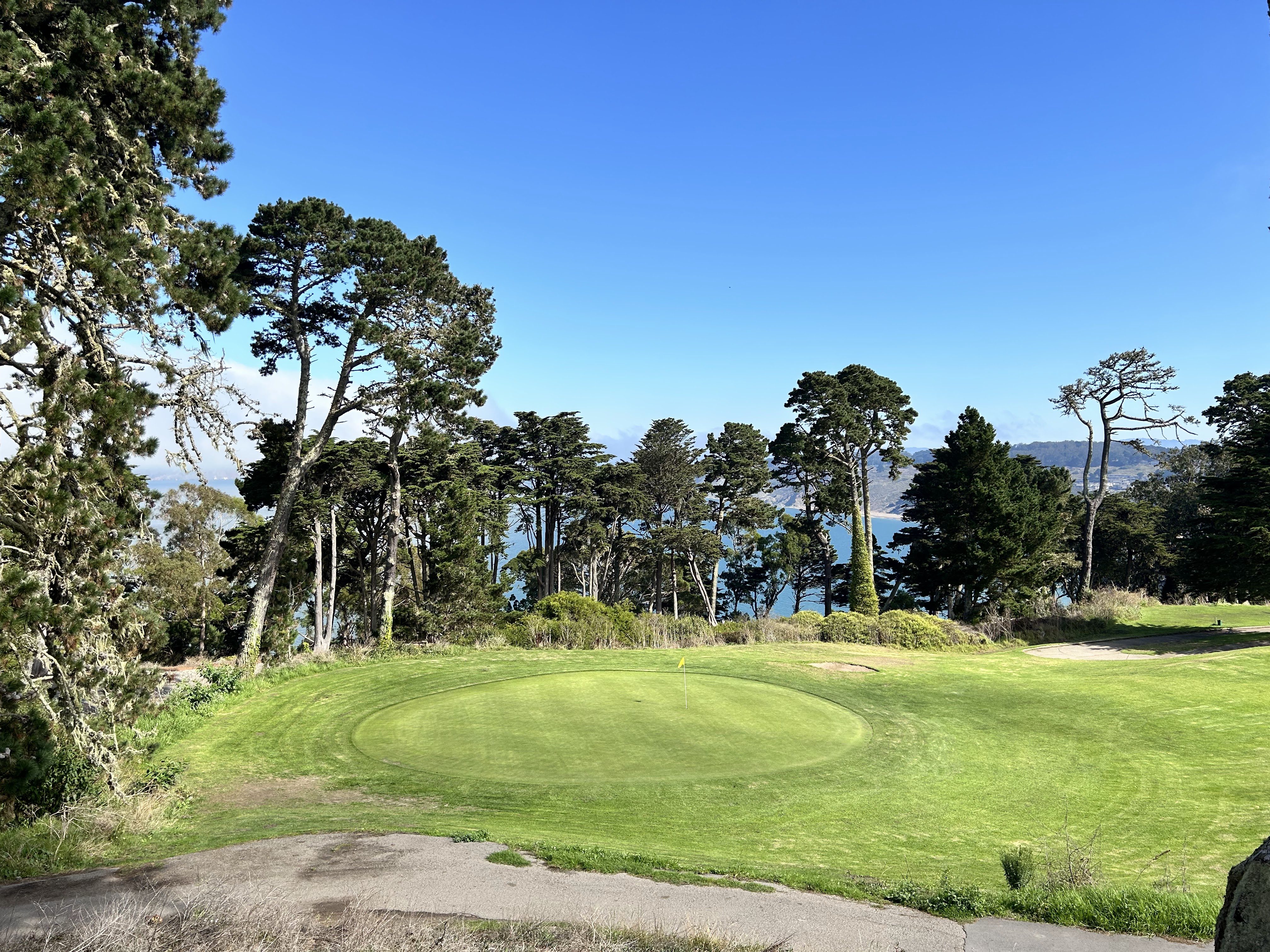
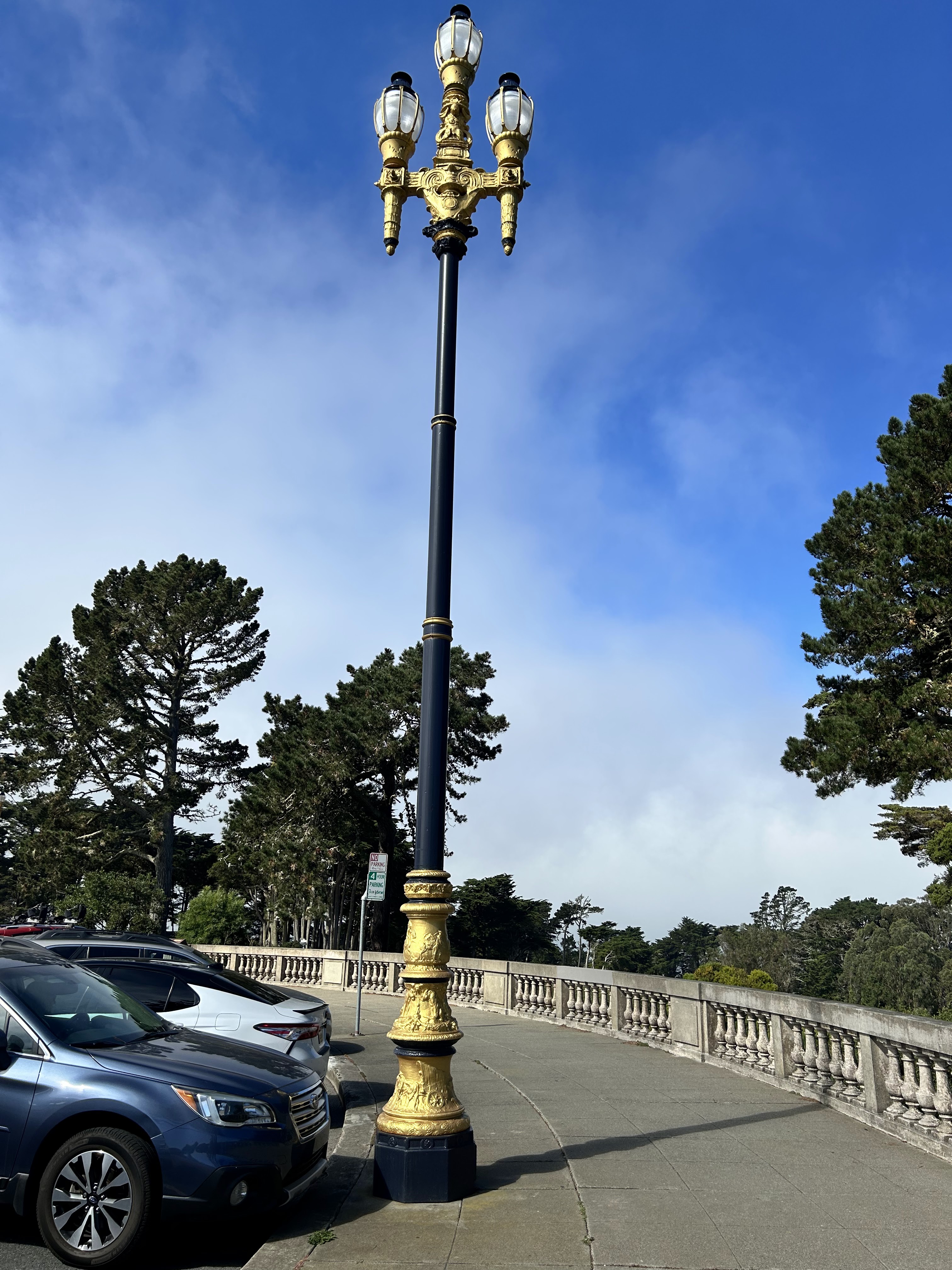
Today I ventured out to visit the Legion of Honor (in Lincoln Park) and de Young (in Golden Gate Park) art museums. The Legion of Honor Museum is situated high on a hill overlooking the Pacific Ocean. The entry is stunning and the museum holds the largest collection of Rodin sculptures outside of Paris. It also has an impressive collection of European painters and contemporary art. This is the perfect-sized museum with just two floors and a digestible amount of art.
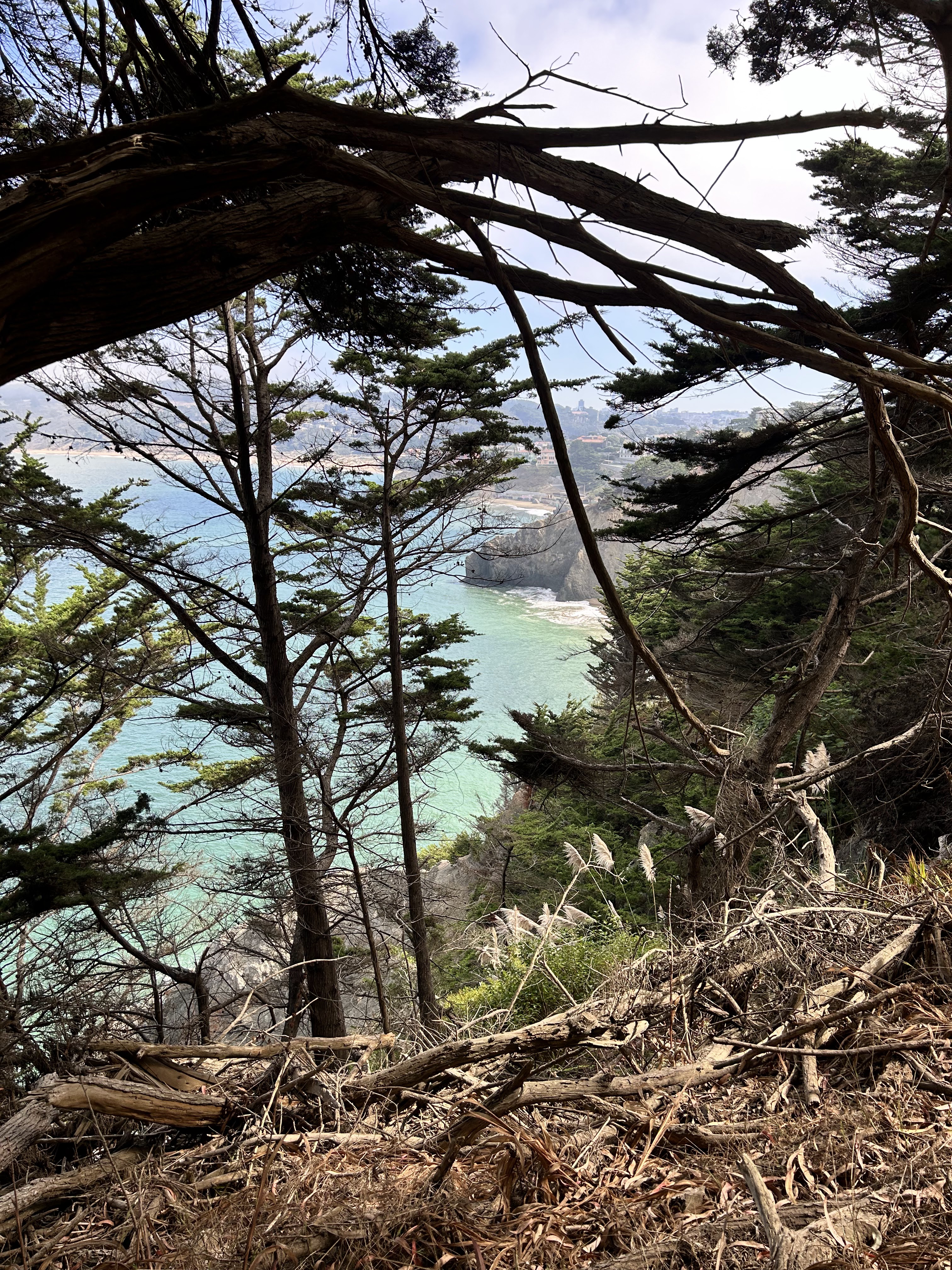
After leaving the museum I drove the Sea Cliff neighborhood (stunning!) to the Lands End hiking trail. The trail is easy and the views are spectacular.
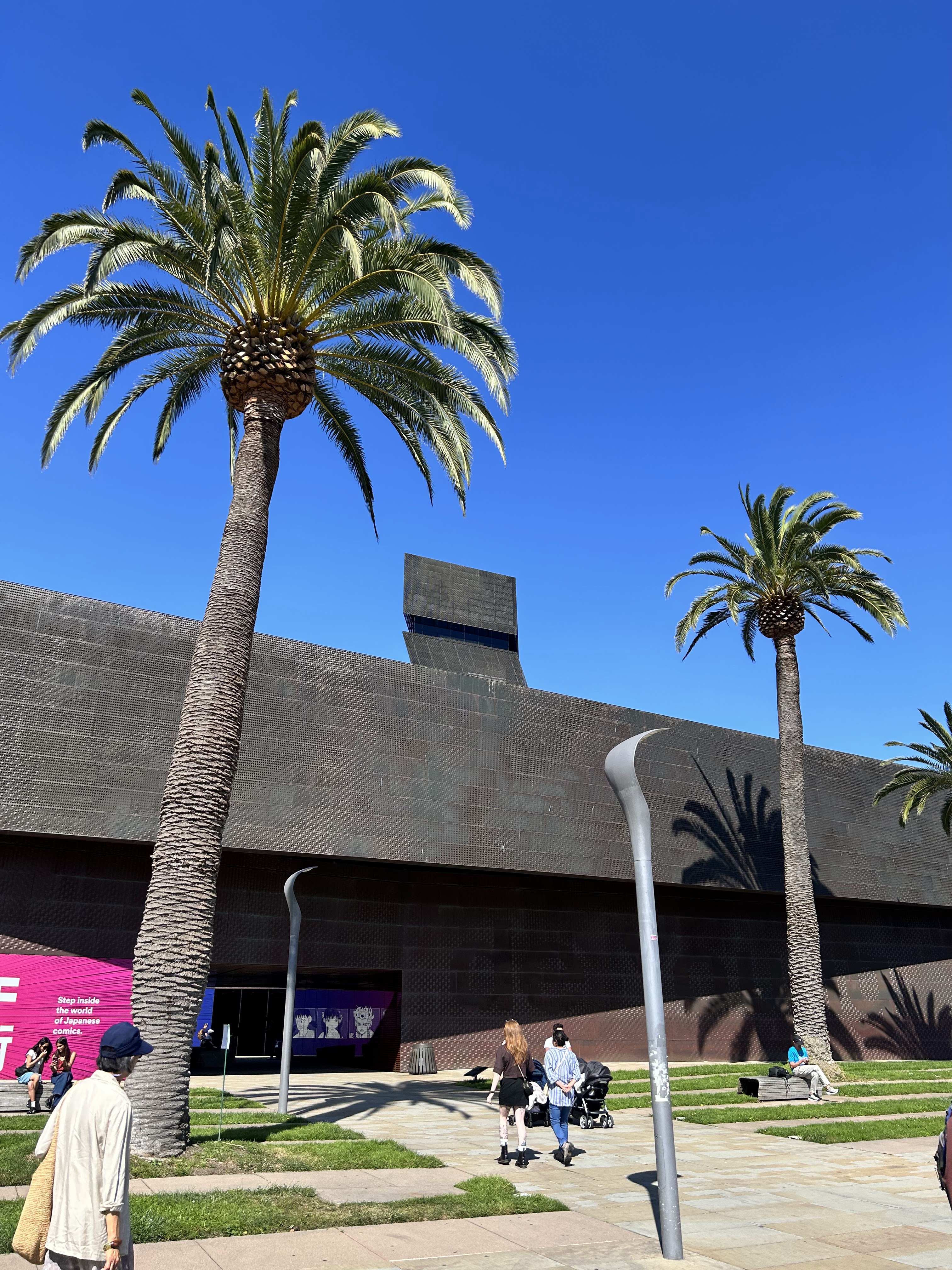
I then drove to the de Young Art Museum. It is another two-level museum (so perfect-sized). It focuses on American art from the 17th century to present day. There was a special exhibit on Japanese comic art that I think Pearl would have loved. They also had some African art. Overall, I preferred the Legion of Honor museum but both are worth a stop.
I am fortunate to have completed several solo trips oversees and I often get asked, “What is your favorite trip?” Solo travel has been empowering and liberating for me. Traveling solo allows for the ultimate flexibility. If I like a place I stay longer and if I don’t, I can quickly move on. I think back to my first solo trip and stressing about not having anyone to travel with me. I had a close friend dying of cancer and she told me, “Seniye if I could travel, I would do it in a minute! Go travel…it will all work out.” And she was 100% correct.
My favorite trip so far has been Morocco. It was my first time on the African continent and it did not disappoint. The Sahara Desert was so beautiful…the sand a brilliant orange and the night sky littered with millions of stars that you just cannot see anywhere else because of the light pollution. I loved the food, the artisanal crafts and the dizzying mazes that formed the souks. The riads were charming hotels with sparkling clean rooms, amazing tile work and hearty quintessential Moroccan breakfasts. I could go on and on. If I had been too scared to travel alone, I would have missed all of it!
So how can you solo travel? I have a few tips:
Pick safe countries. There are lots of lists that outline safe travel for single women.
Do your homework and have a rough plan but get comfortable with wandering, too.
Share you itinerary with your family and friends.
Don’t do stupid things. For example, I do not visit bars nor do I explore late at night.
Do your research. There are Facebook groups with likeminded travelers. The wealth of information shared has been really informative. Two groups I like (but there are hundreds) are “Traveling Solo over 50” and “Solo in Style”.
Target your search by country. There are many FB groups that focus on specific locales. Travelers share their itineraries, tips and even meet up if they are in a location at the same time.
So, what are your solo travel suggestions? And where do you want to go next?
For every headline you might read lately, it seems that DEIB is all but gone…under attack…wrong in so many ways. But I see just as many companies, people and organizations sticking with their DEIB initiatives. Most DEIB strategies are focused on doing the right thing not giving folks an “unfair” advantage like the media would like us to believe. Treating people with dignity and respect should never be out of style.
Dismantling racial structures means change and people typically don’t like change especially when they believe they are losing something. So let’s flip the script and focus on what people gain when change happens. It is also important to plan out the change management strategy that should be tied to any organizational pivot or evolution.
The first step in a change management plan is to build and maintain momentum. Have your team analyze stakeholders, evaluate the impact to the organization, determine how you will measure the change and of course, secure budget for the endeavor.
The second step is to engage your stakeholders. This step includes creating a communication plan for the end user so identify your audience and what is important to them. In addition to the communication plan, figure out the engagement strategy…and expect and plan for some bumps along the way.
The third step focuses on aligning the organization. Complete an organizational RACI (Responsible, Accountable, Consulted and Informed). Rewards and measurements should be considered here, too.
The fourth steps includes training and developing people. Consider the needed training strategy tied to roles and jobs, as well as, a coaching plan. Develop the needed materials, create the delivery schedule, determine how you will evaluate the training and then implement the training.
Finally in the fifth step of the process, monitor readiness and adoption of the organization. Define the metrics that will be used and create an assessment plan plus plenty of pulse checks. It is clearly evident that DEIB is very important to every organization (and the world) so upfront planning can help ensure that all the strategies and focus are set up for success and dissemination throughout the organization.
What have you done or experienced that helped your organization successfully implement their DEIB efforts?
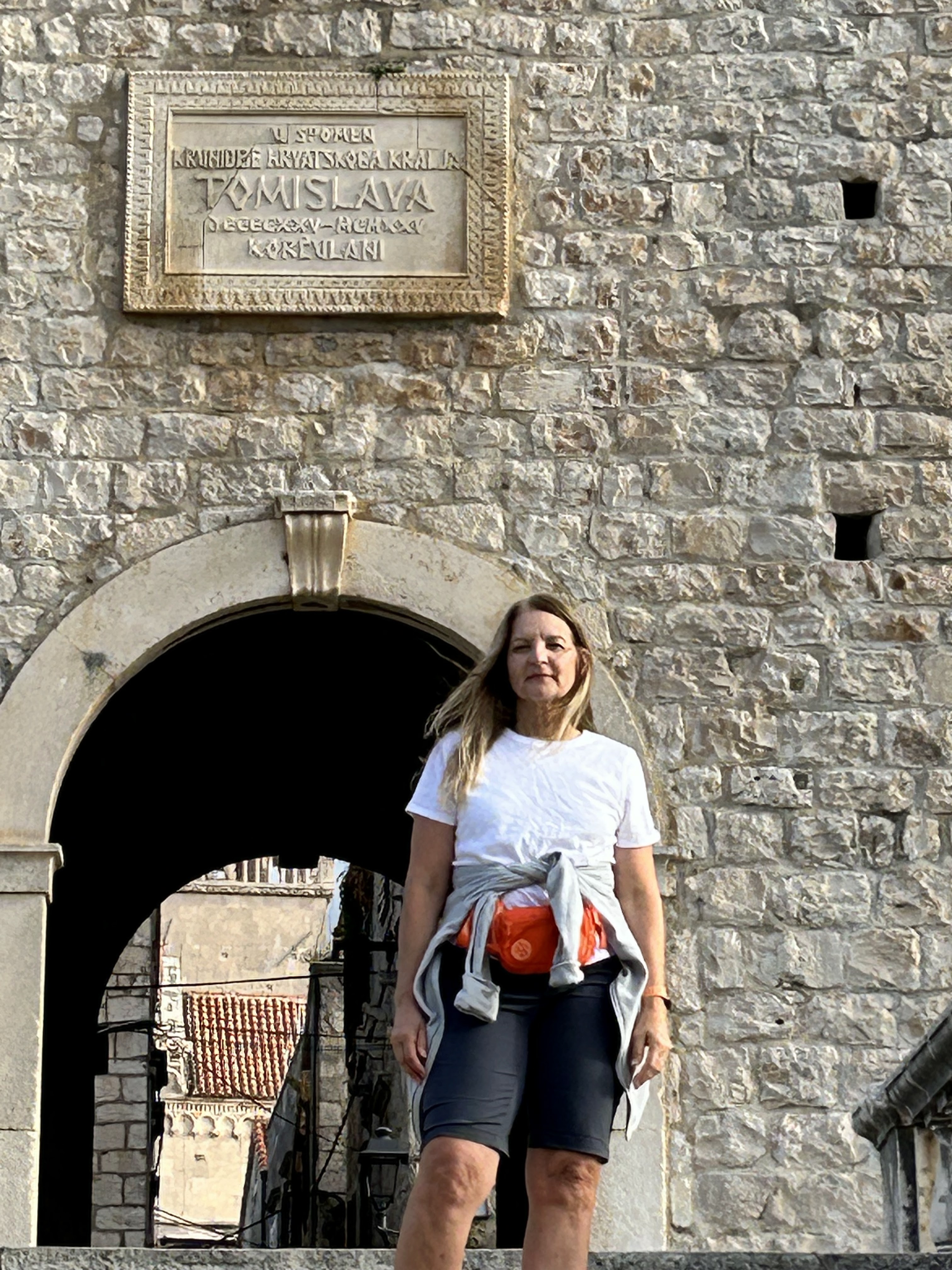
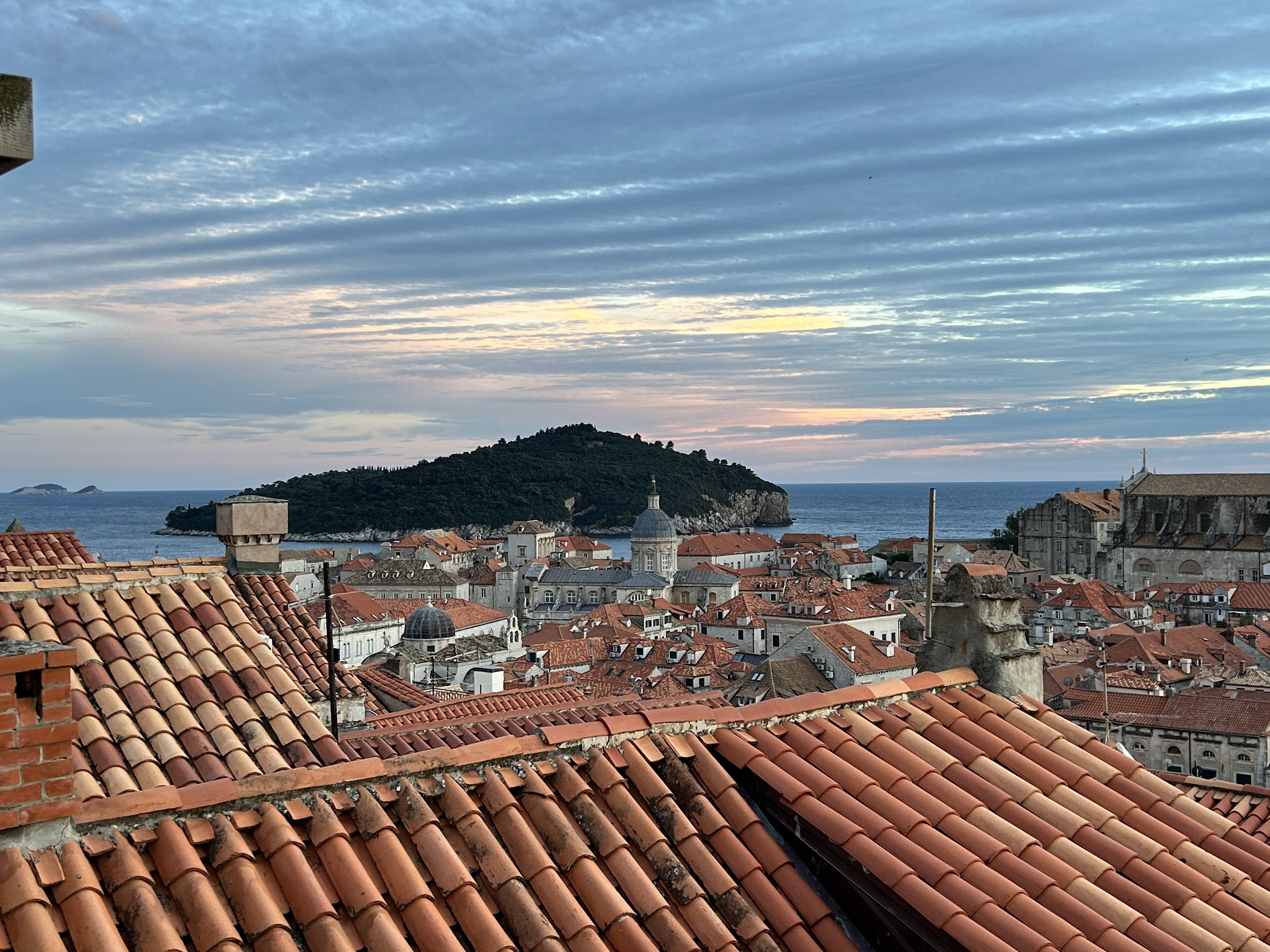
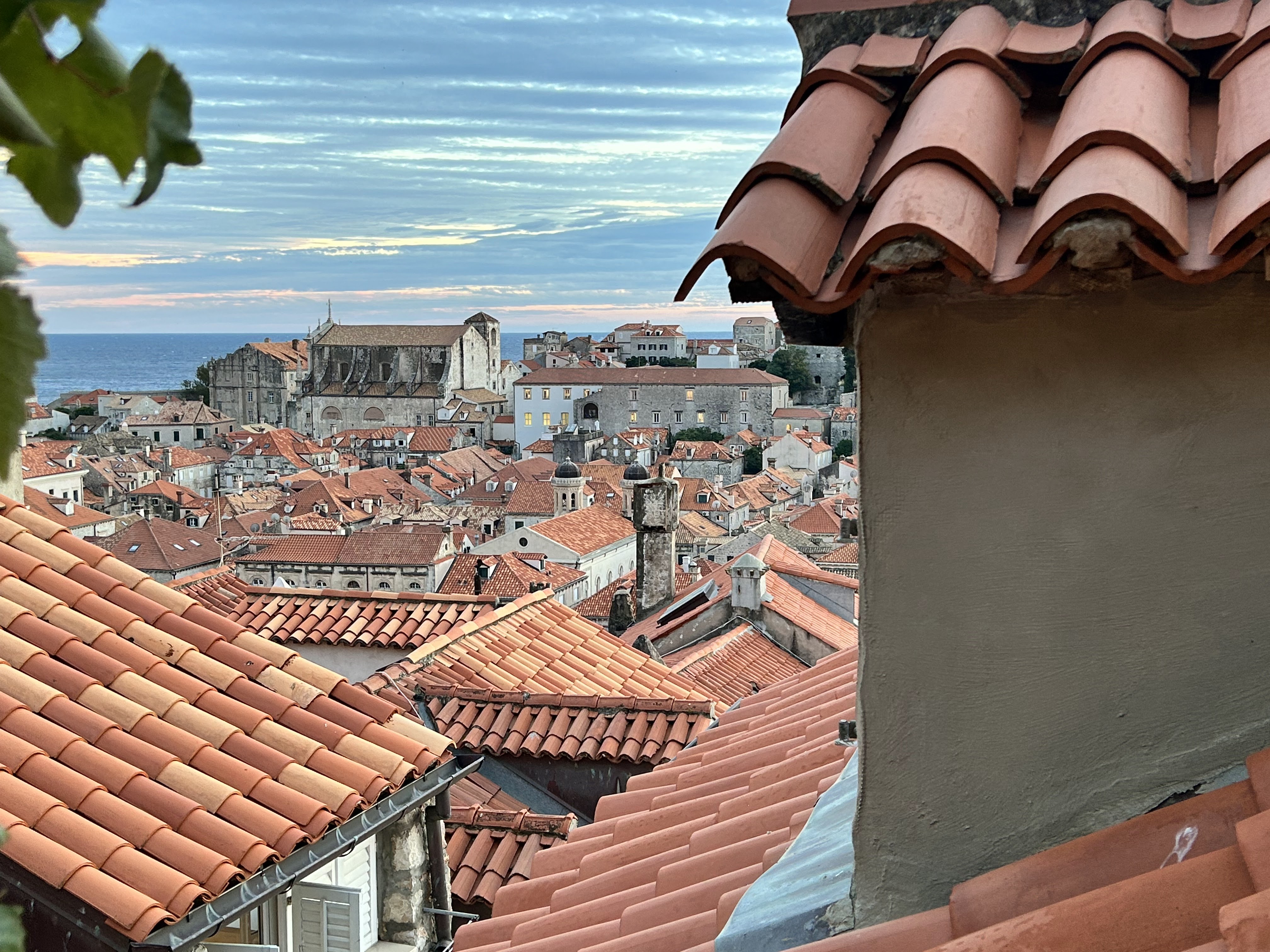
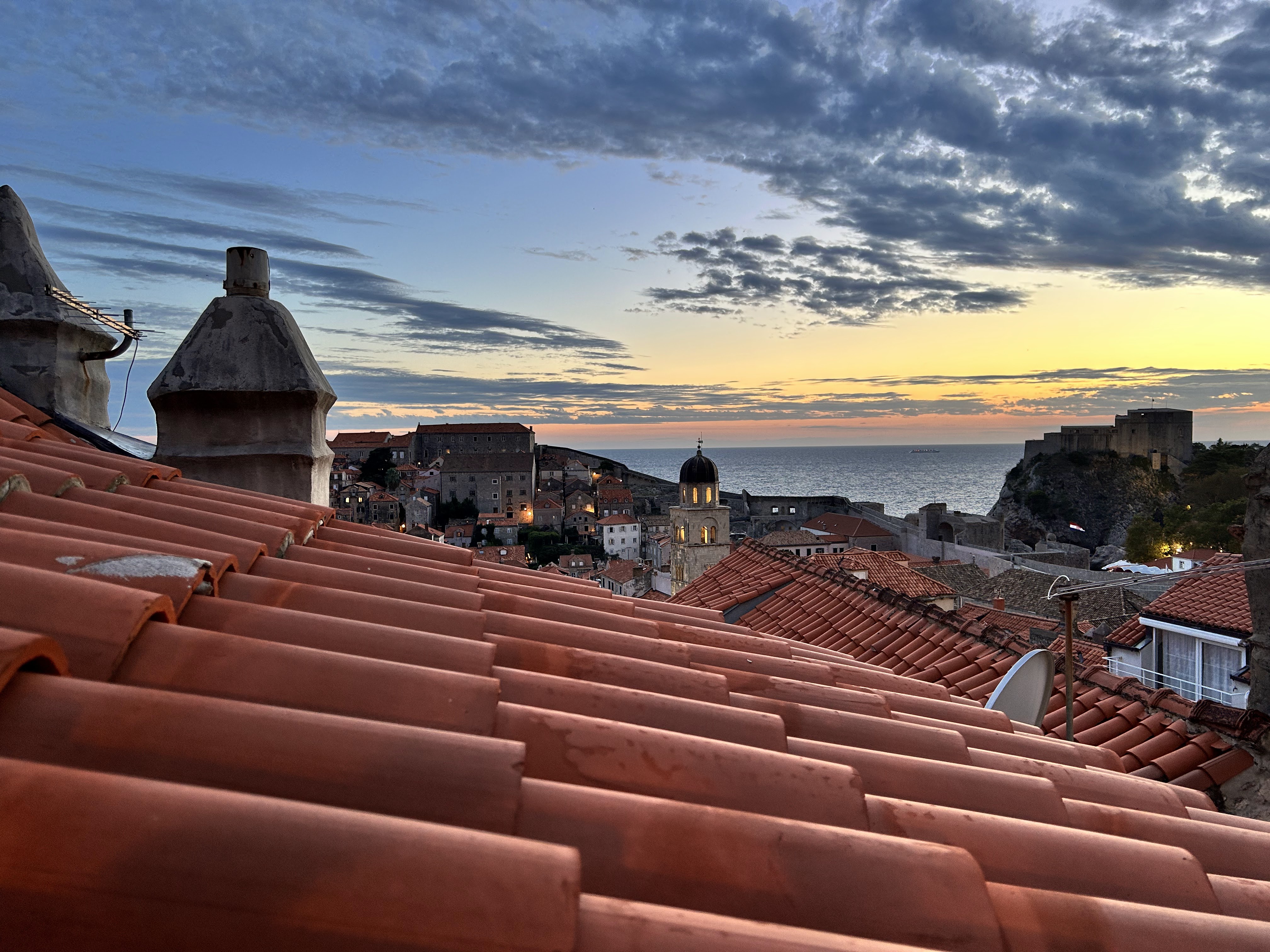
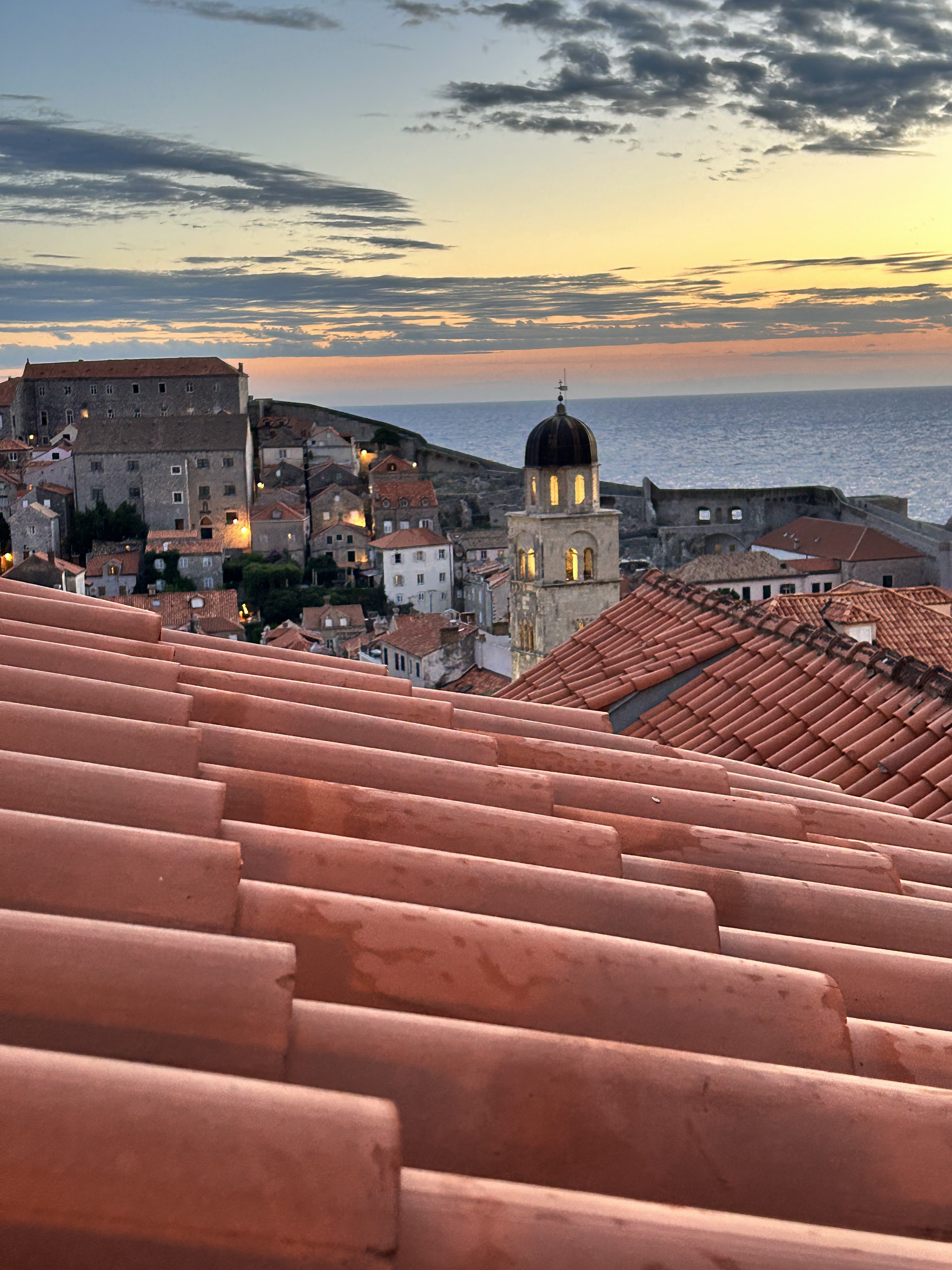
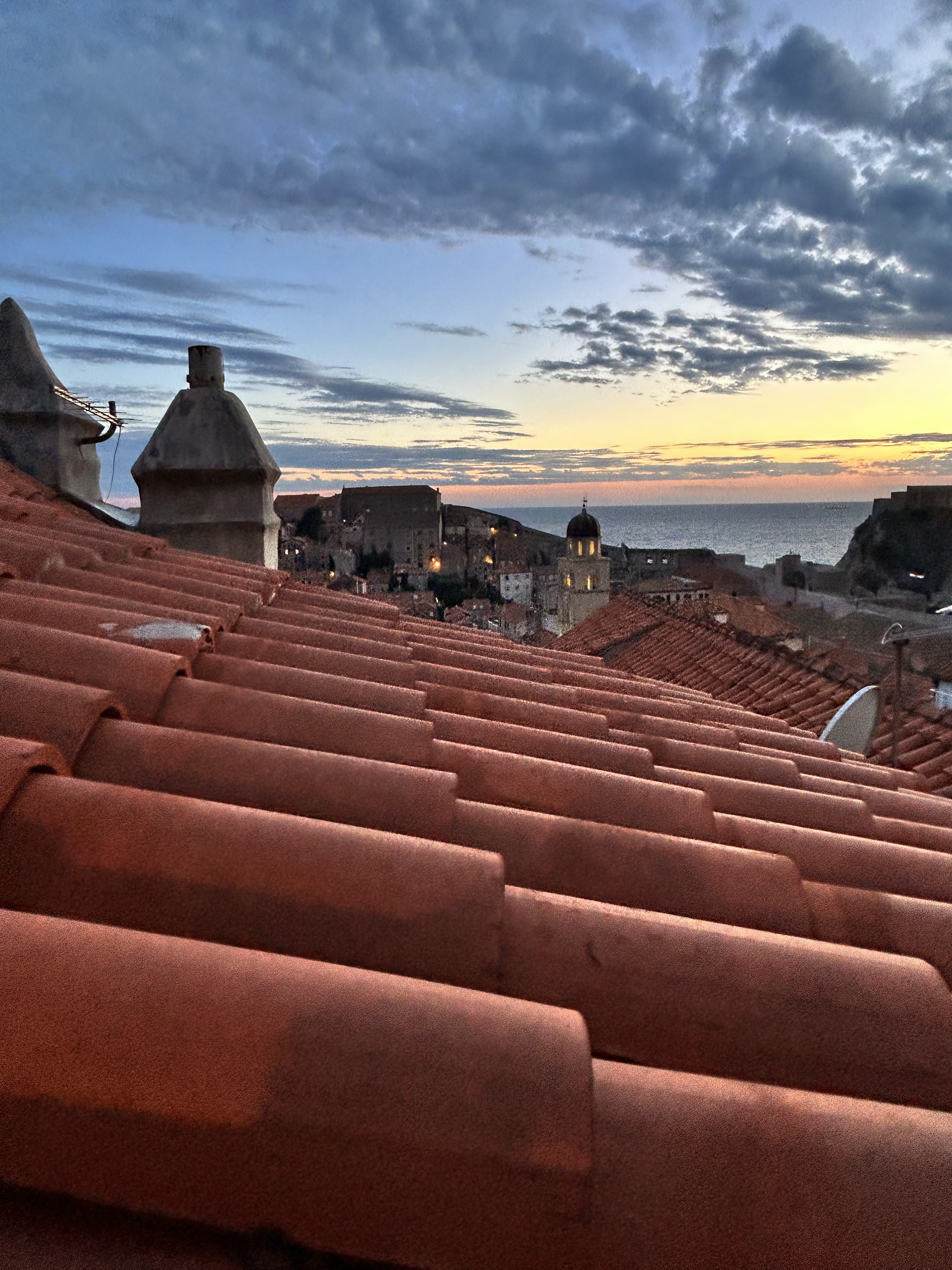
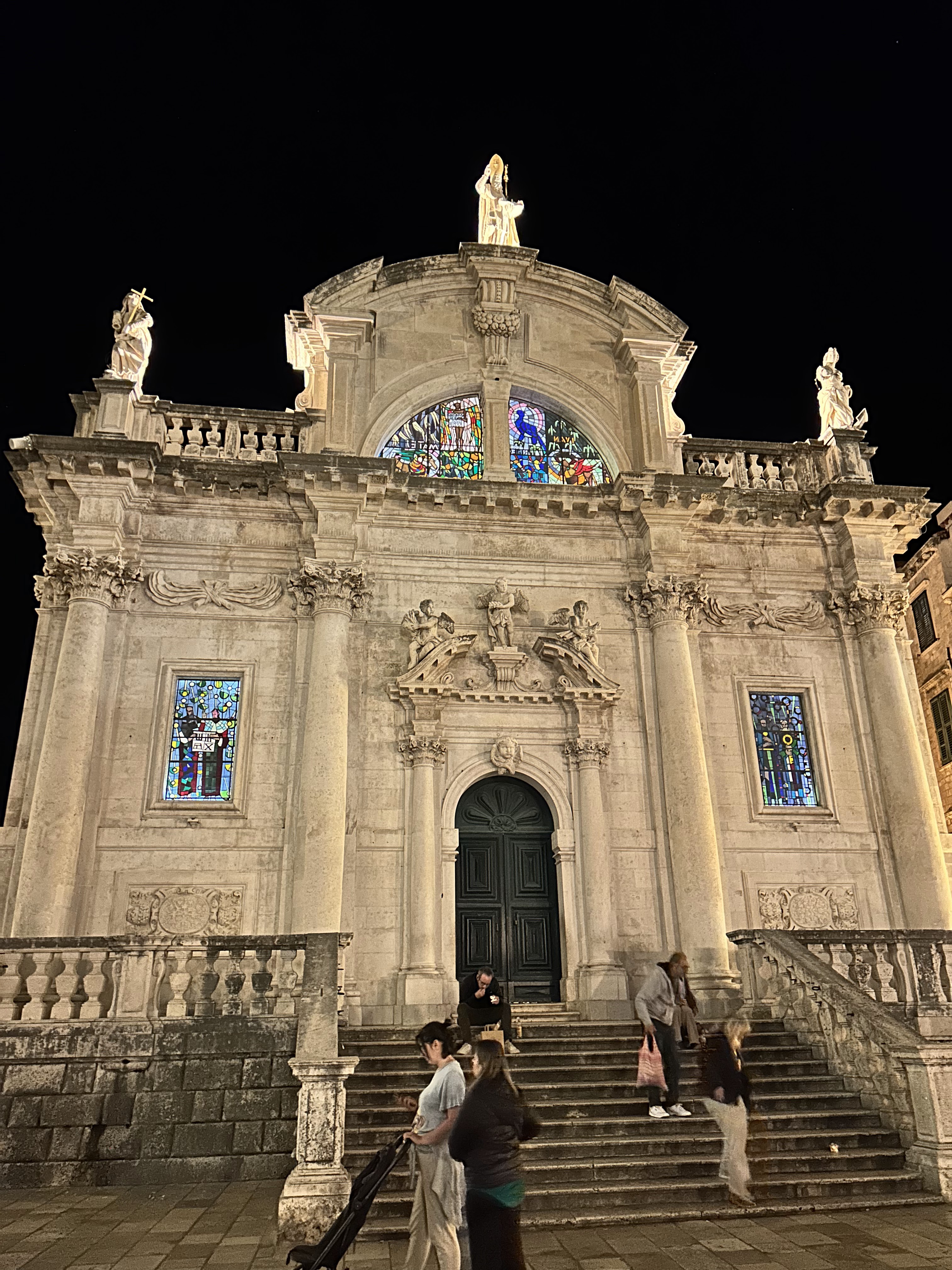
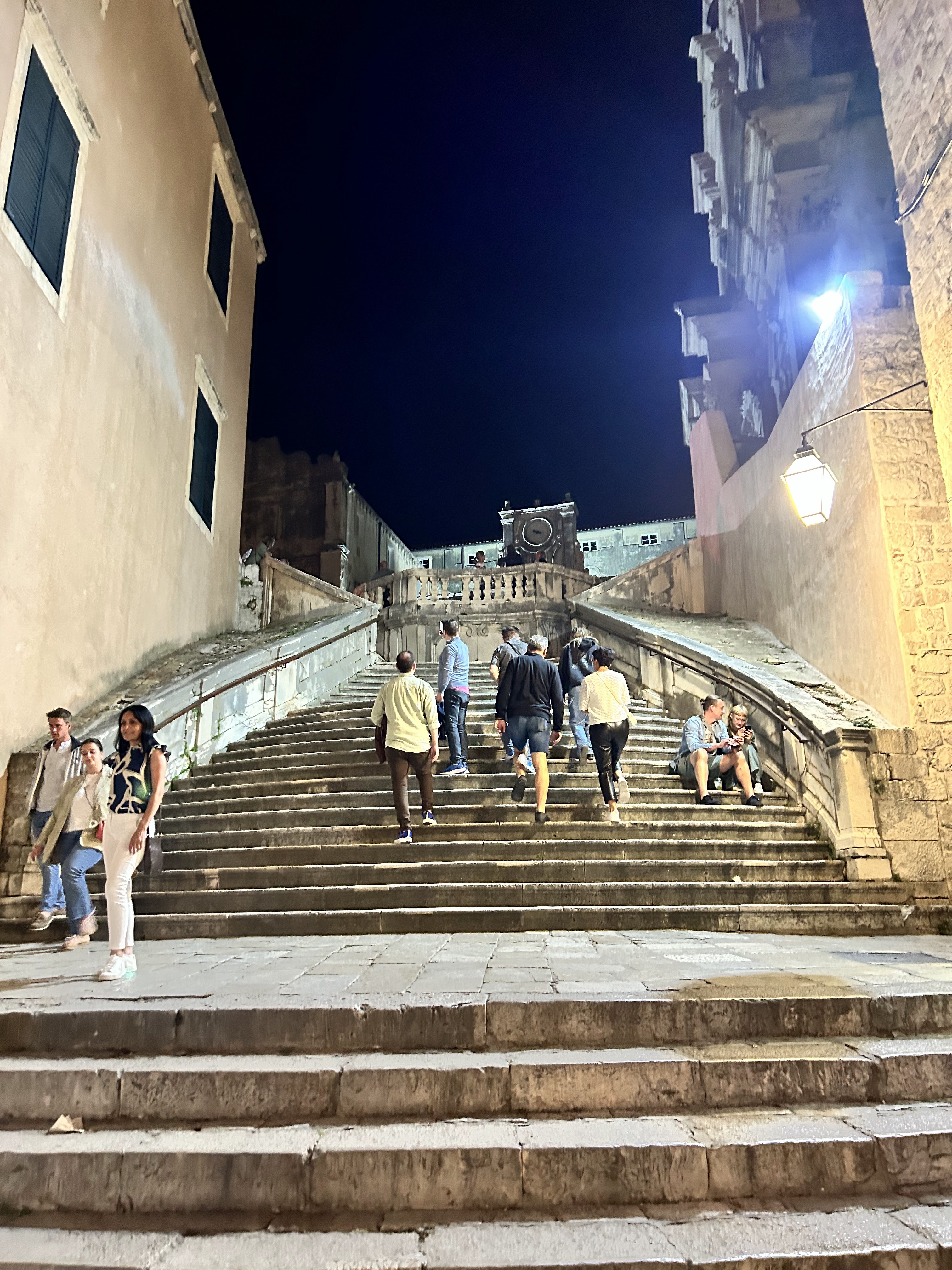
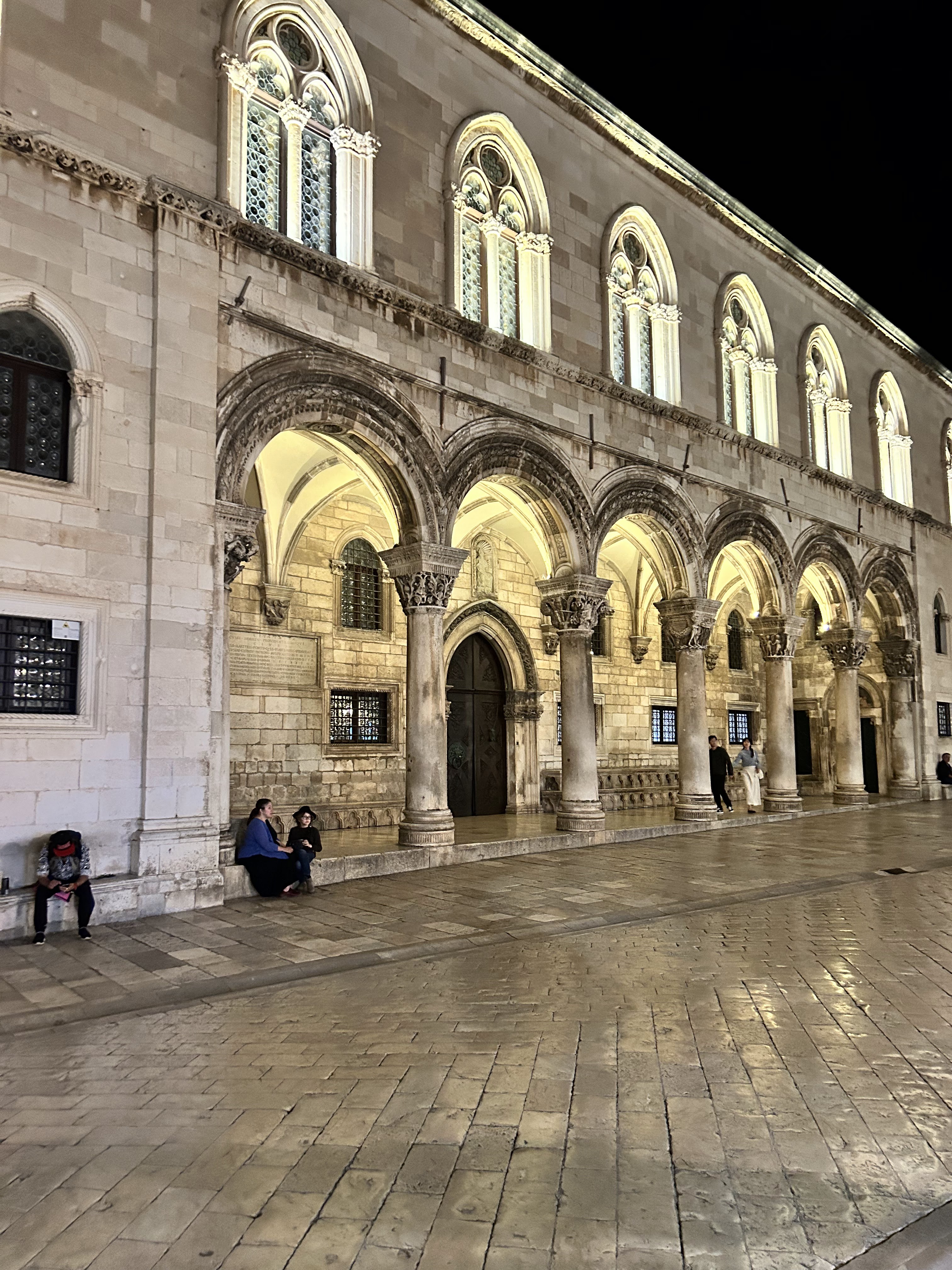
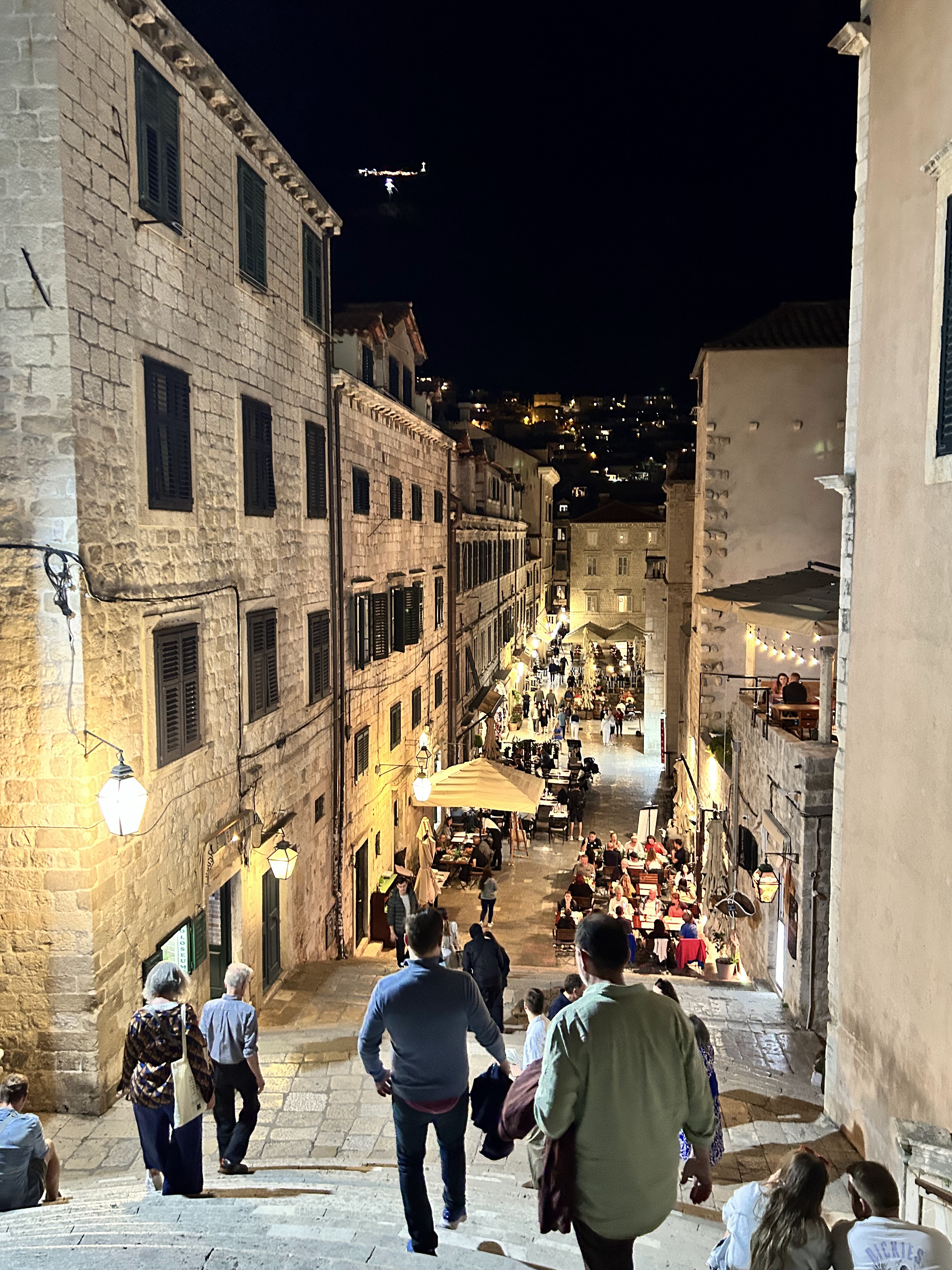
Old Town Dubrovnik is truly beautiful. There are amazing old buildings, a main artery filled with people and shops and the sea air circulating through everything. We wandered and decided on an early dinner at Lady Pi Pi, which ended up being really smart because the line up of would-be diners showed up shortly after we were seated. We were lucky enough to get a table on the upper terrace which boasts a roof top view of the old town. We ordered the seafood platter which is grilled right across from our table in a large, open grill.
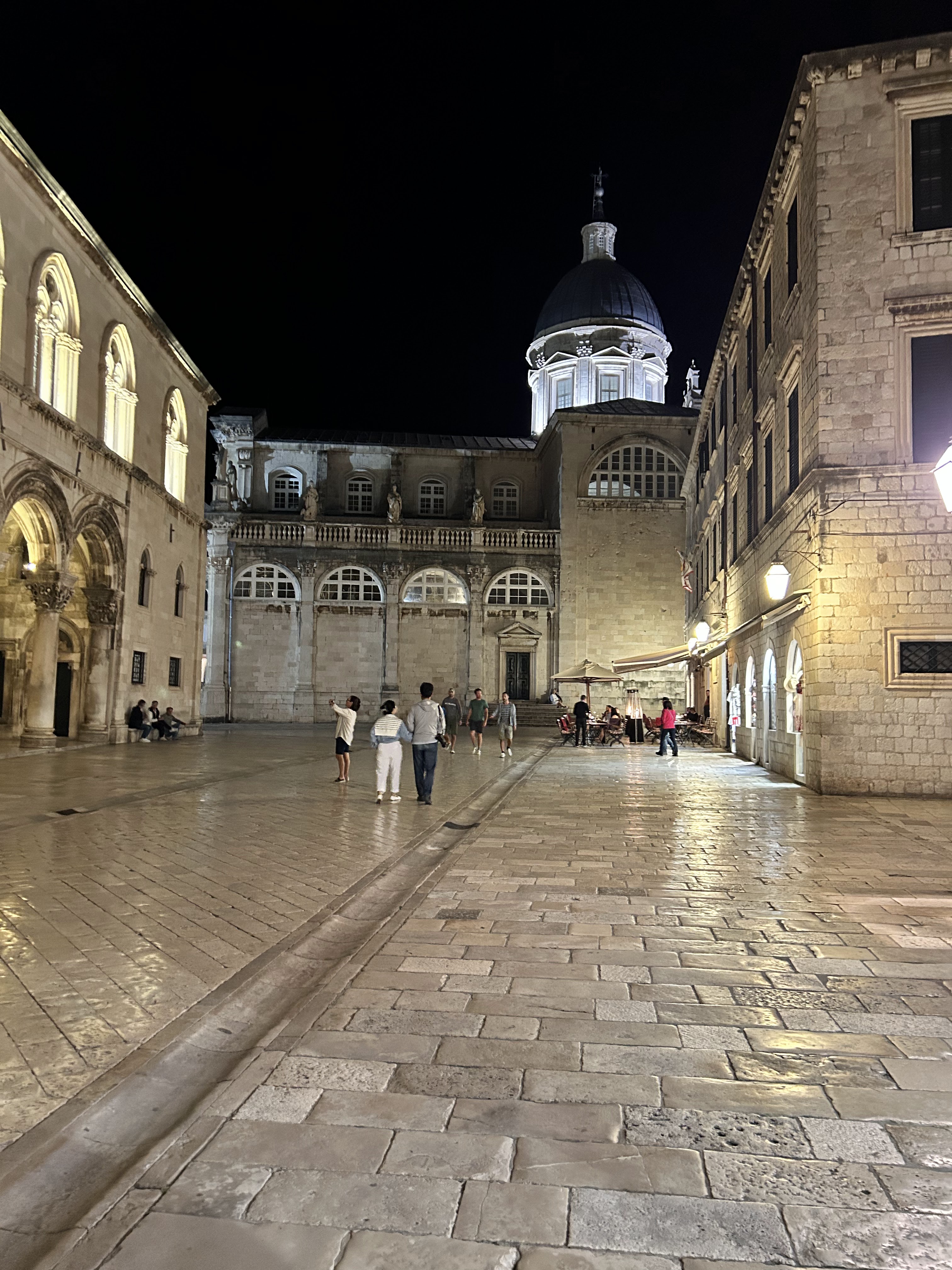
After dinner we wandered Old Town at night, which was just as picturesque. I don’t watch Game of Thrones but apparently lots of scenes were filmed in this area.
I recently met a friend for a hike and she shared that she made $35K more in 2023 than she expected. Great news…you would think. The challenge was that she had nothing to show for the additional income. In other words she spent every cent of it plus some. She asked my advice on how she could do better. Here’s what I told her:
Live below your means. In other words, act like you make a lot less than you do. Too often we garner a larger paycheck and instead of “paying ourselves” we literally go on a shopping spree of life…bigger house, nicer car, the latest phone etc. Ask yourself, “What do I really need?” and “Does all that stuff really make me happier, anyway?”
Put all her various accounts into one investment account. Every time she left a job, she left her 401k with her previous employer. It essentially sits there and is forgotten. If she pulled all of them together, she could create a wholistic plan and be more strategic with her money. I am sure you’ve heard the mantra of being diversified in your portfolio. Well an easy way to accomplish this is to know what you have and have easy access to it…all of it.
Shopping…many a person’s downfall. And my friend is no exception. I suggested that she pause…when she sees something instead of immediately buying it, walk away. Think about it. Check out what is already in her closet. Determine how much she will really wear it. And after all that analysis, if she still wants it or “needs” it, then buy it! More likely she will have moved on and forgotten that must-have item.
Have a plan and work your plan. Have an end game and then work towards it. All of this financial responsibility should be working towards a goal so I suggested to her that she needs to know what her goal is.
Live a little, too. All work and no play would make life pretty boring and dry and there is nothing wrong with a reward here and there. Instead of a bunch of little rewards (clothing, coffee, etc.) how about one really big, glorious reward like a fabulous trip?!
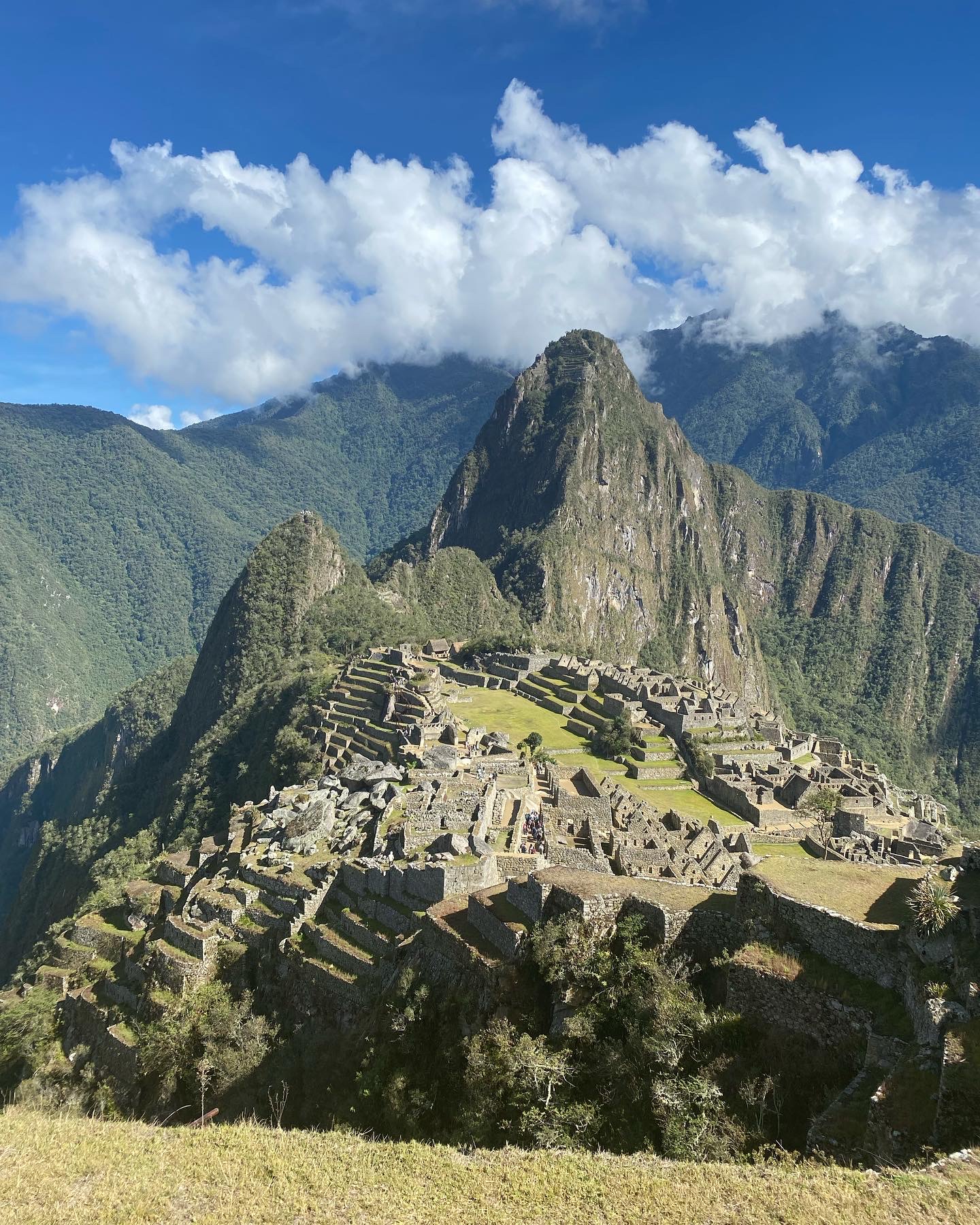
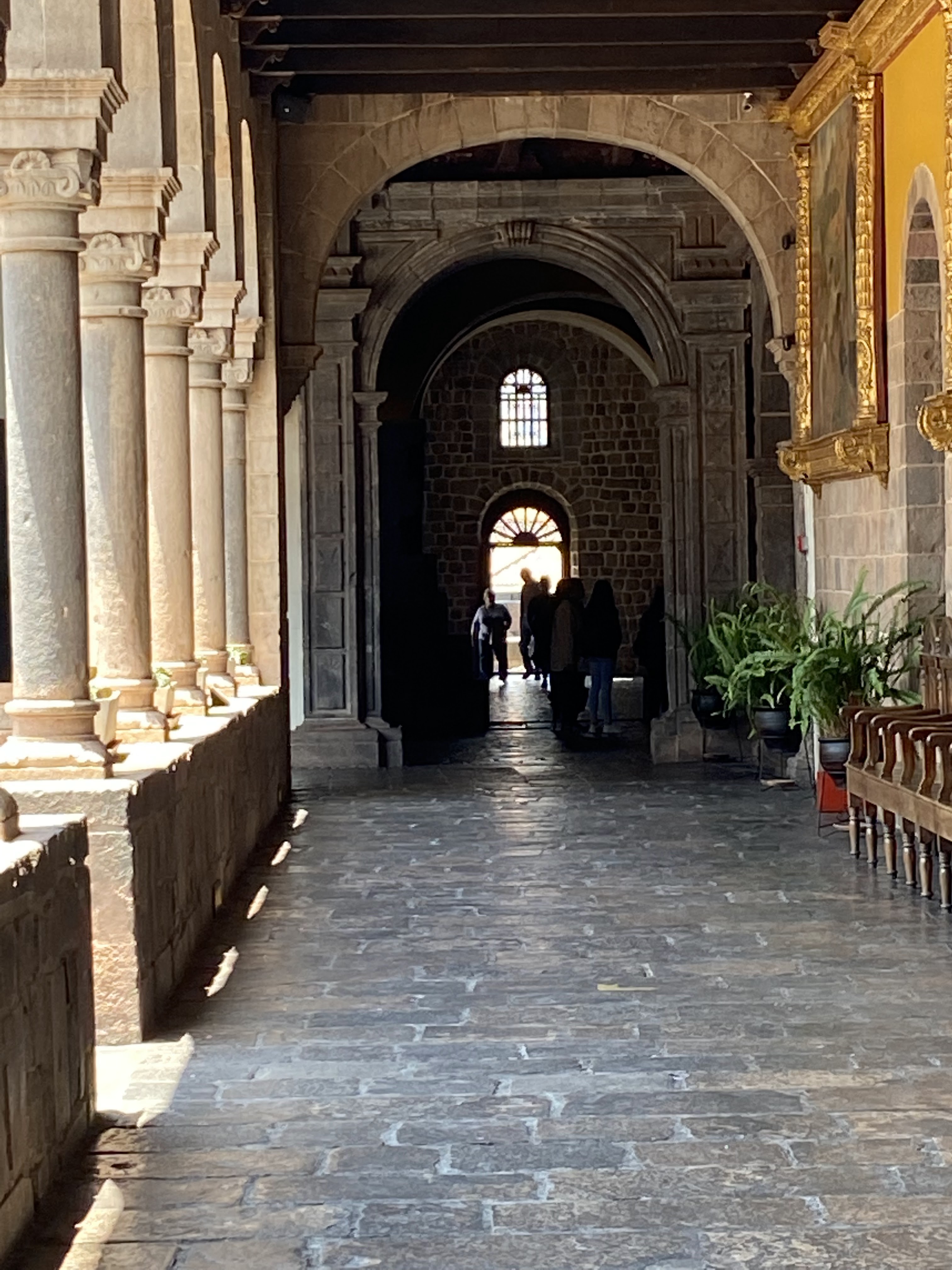
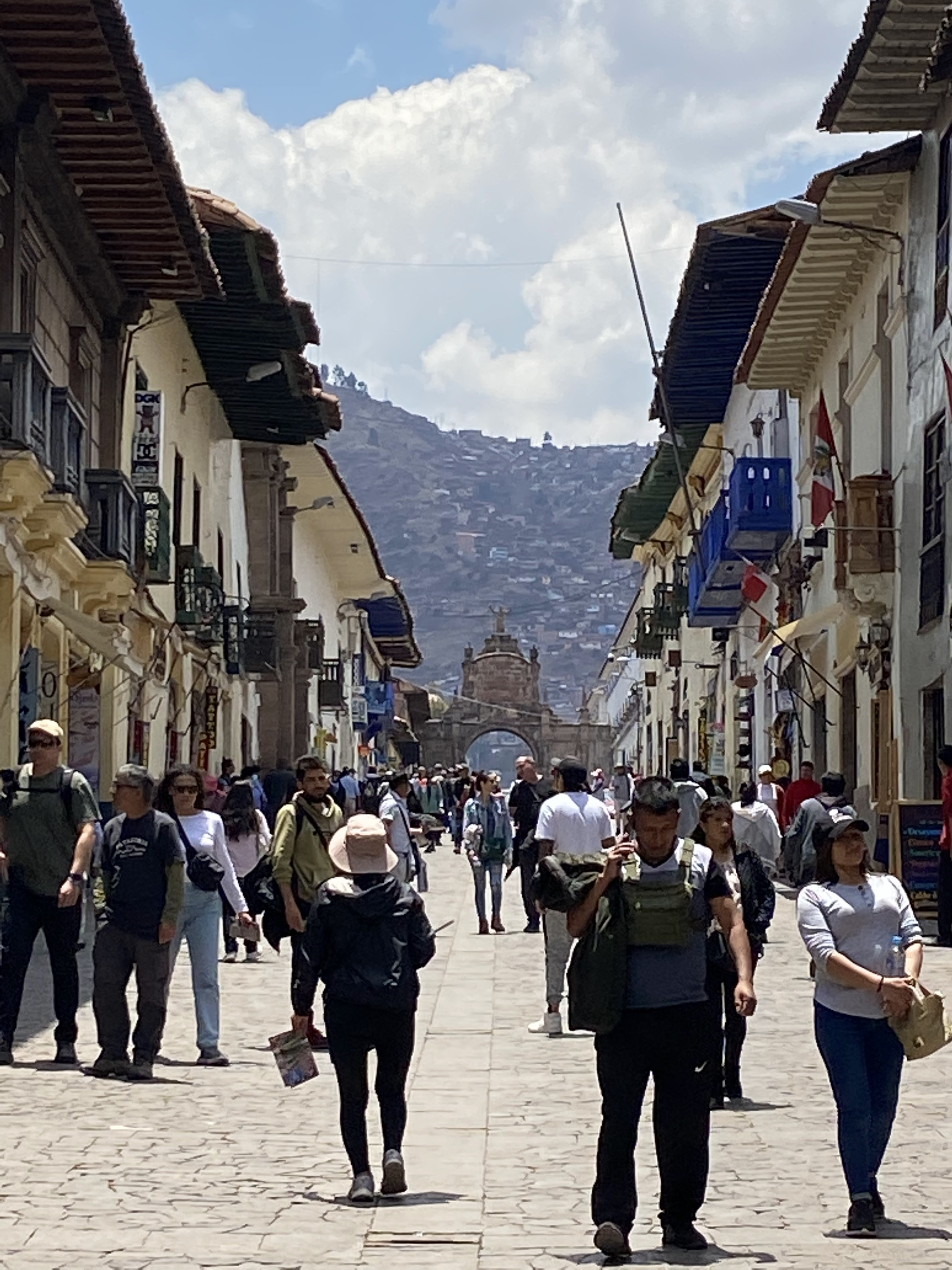
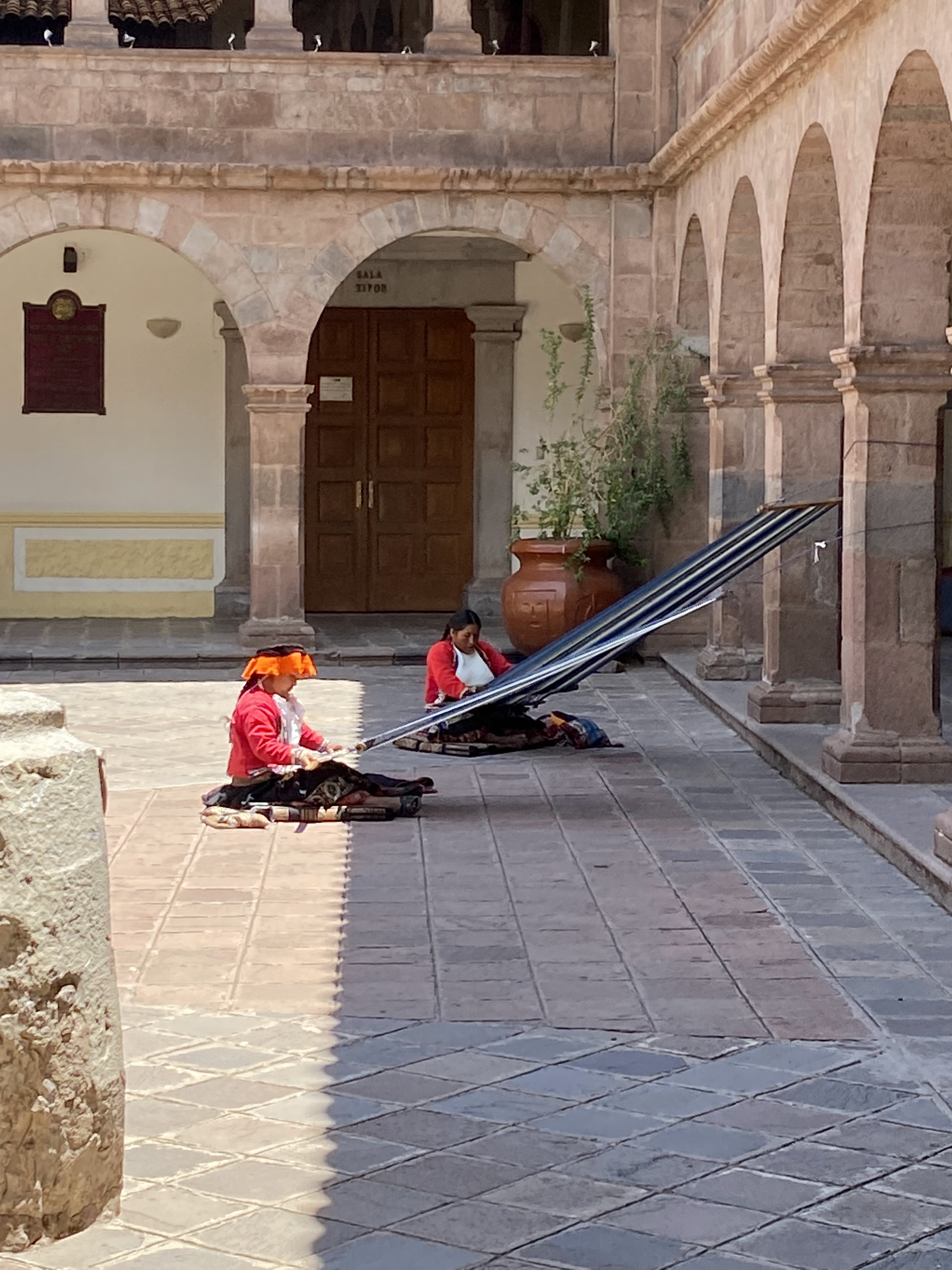
I got to spend a few extra days in Cusco, rather than hiking due to my altitude sickness. Cusco is a vibrant, historical, proud city and I wandered around. I visited the Qorikancha Temple (Temple of the Sun) which was built on top of a Christian church. The earthquake of 1953 uncovered this beauty when the church came down.
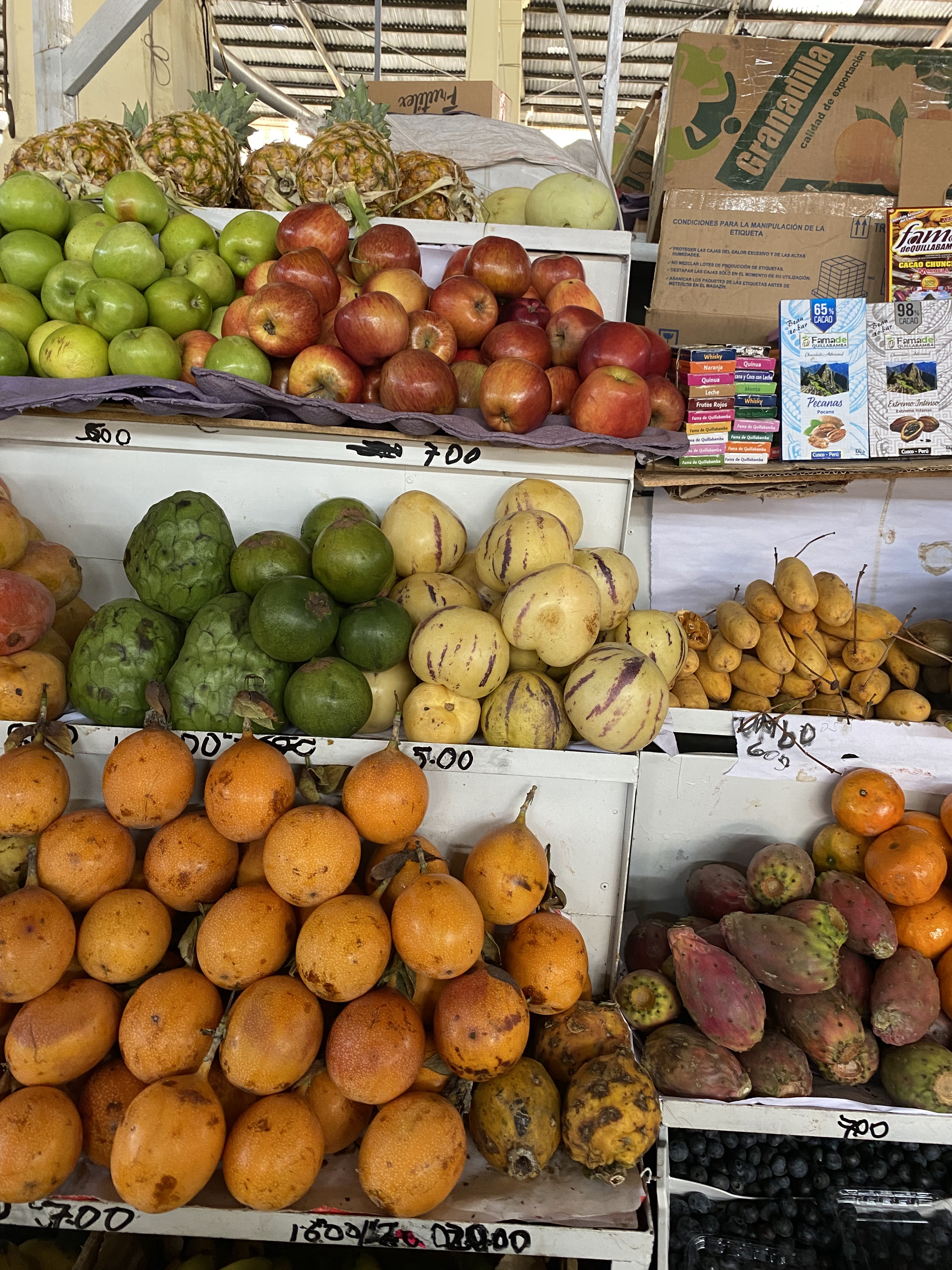
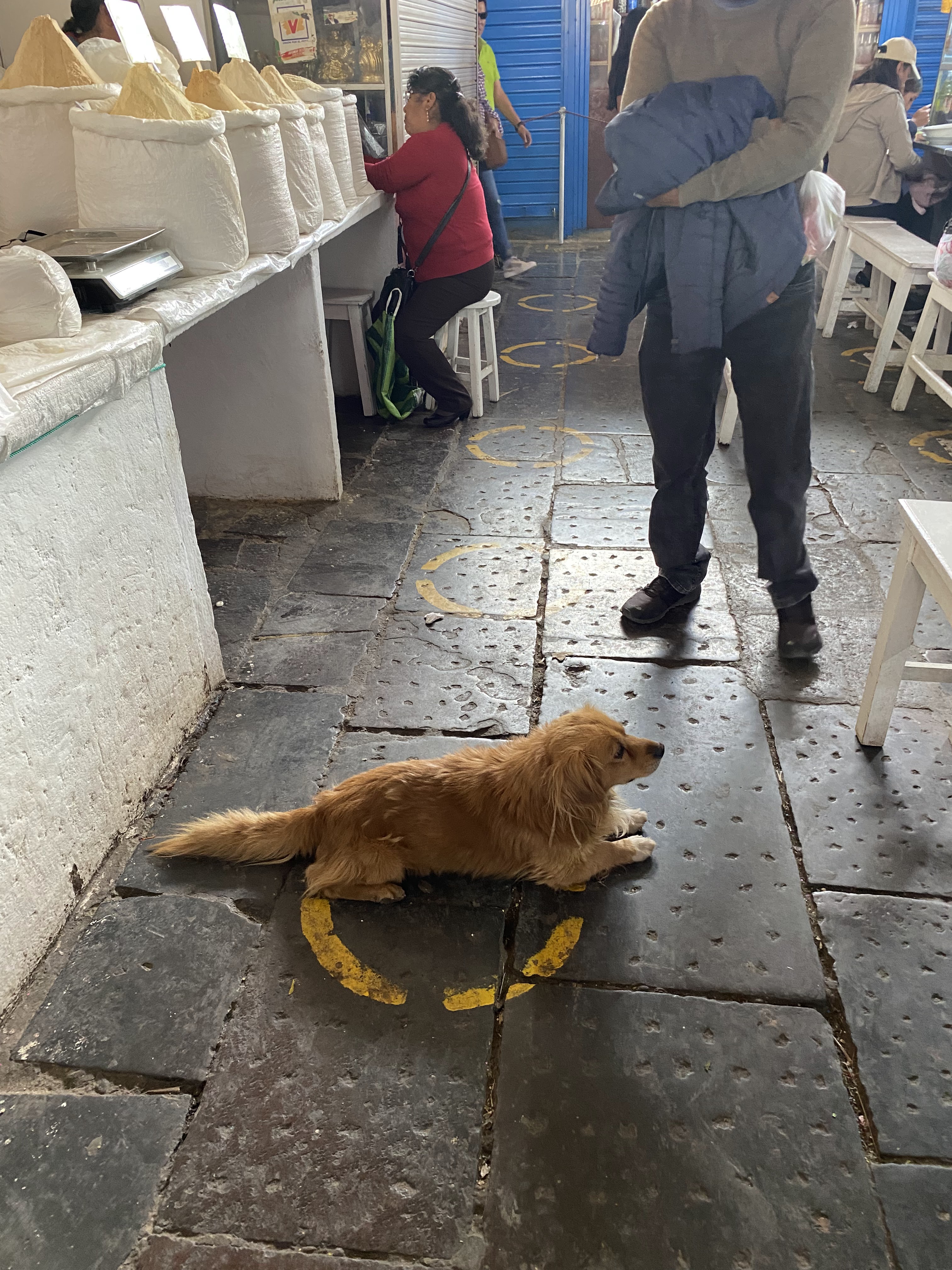
I also visited the local street market filled with local vendors. I was told locals shop there every morning. The market had a little bit of everything including the dog, of course. I have been fascinated with the rampant loose dogs that run around the city. Apparently they roam free all day and eventually return home in the evenings. Dogs are literally everywhere…mainly sleeping but also playing and rummaging through garbage. Thank goodness they are not viscous and really are uninterested in pedestrians.
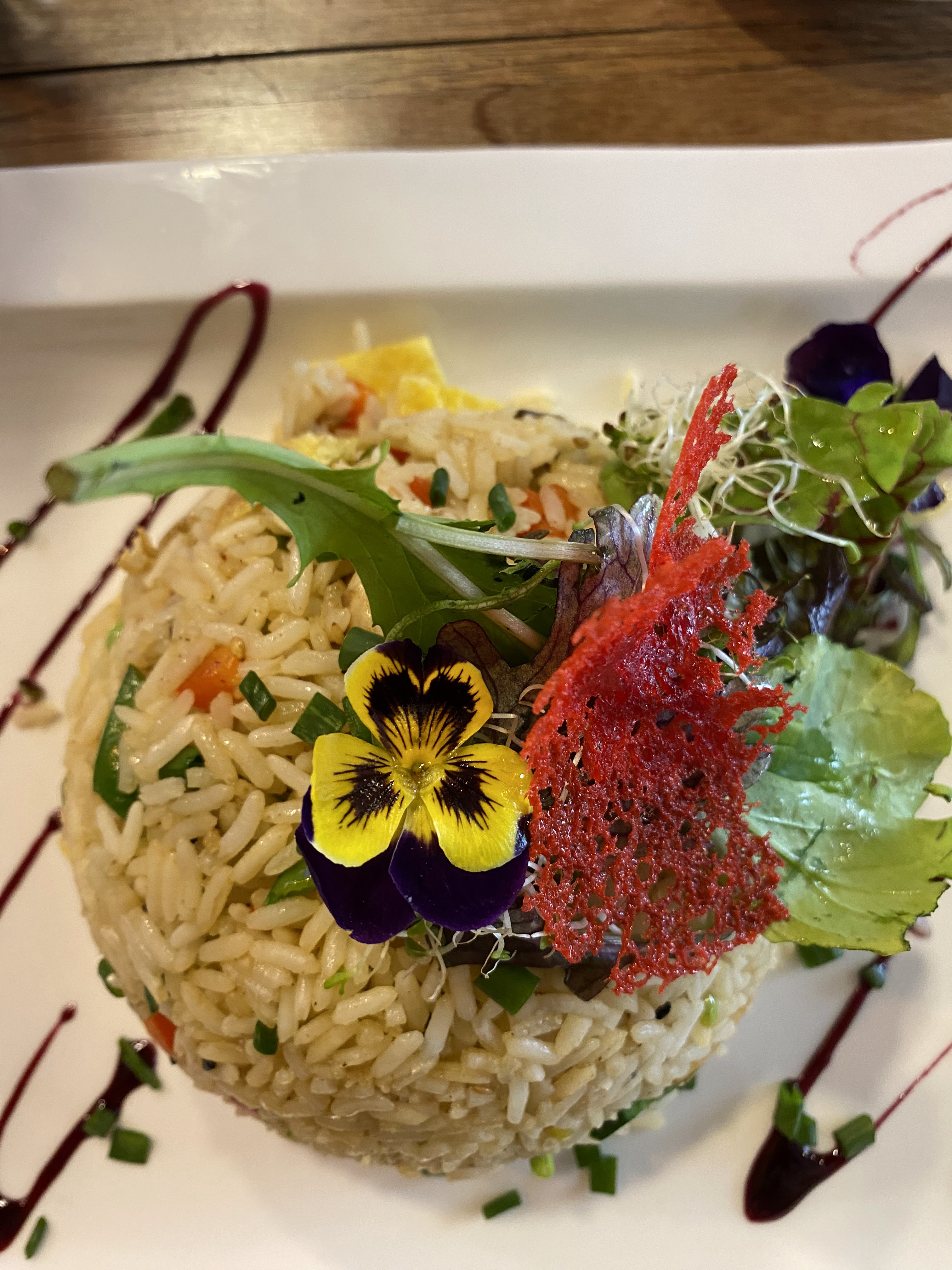
I also continued to have some great meals. Food in Peru appears to be celebrated and not only it is delicious but always presented very artfully. My favorite meal was Canelones Andinos. I am inspired to incorporate some Peruvian-style cooking into my own repertoire!
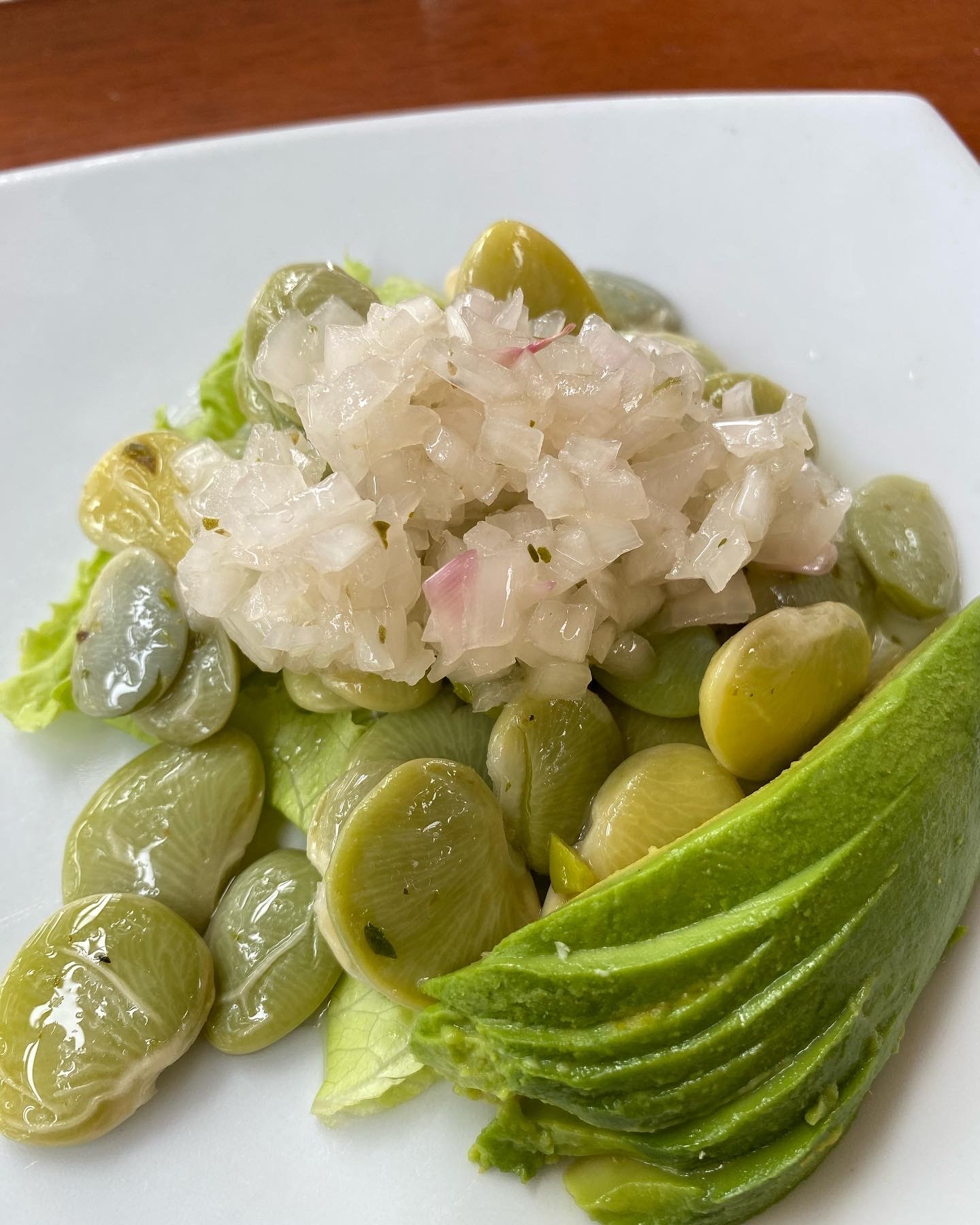
After the Nazca lines I headed to a Pisco distillery that has been in three generations of one family. I walked the vineyards, learned the process for making Pisco, tasted several Piscos and then had lunch in their dining room. I ate the most amazing lima bean salad with minced onions and avocado…it was so simple yet incredibly tasty.
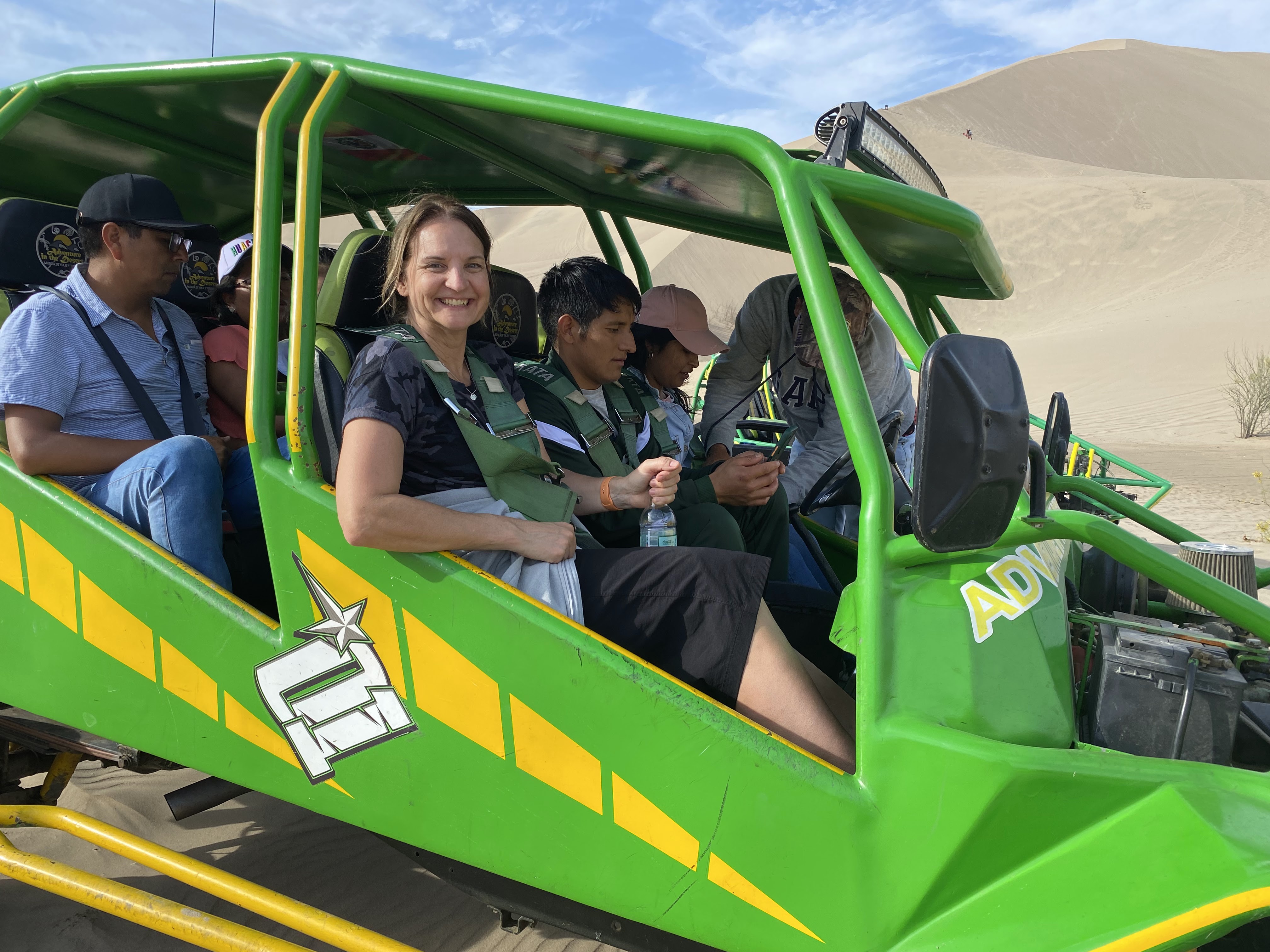
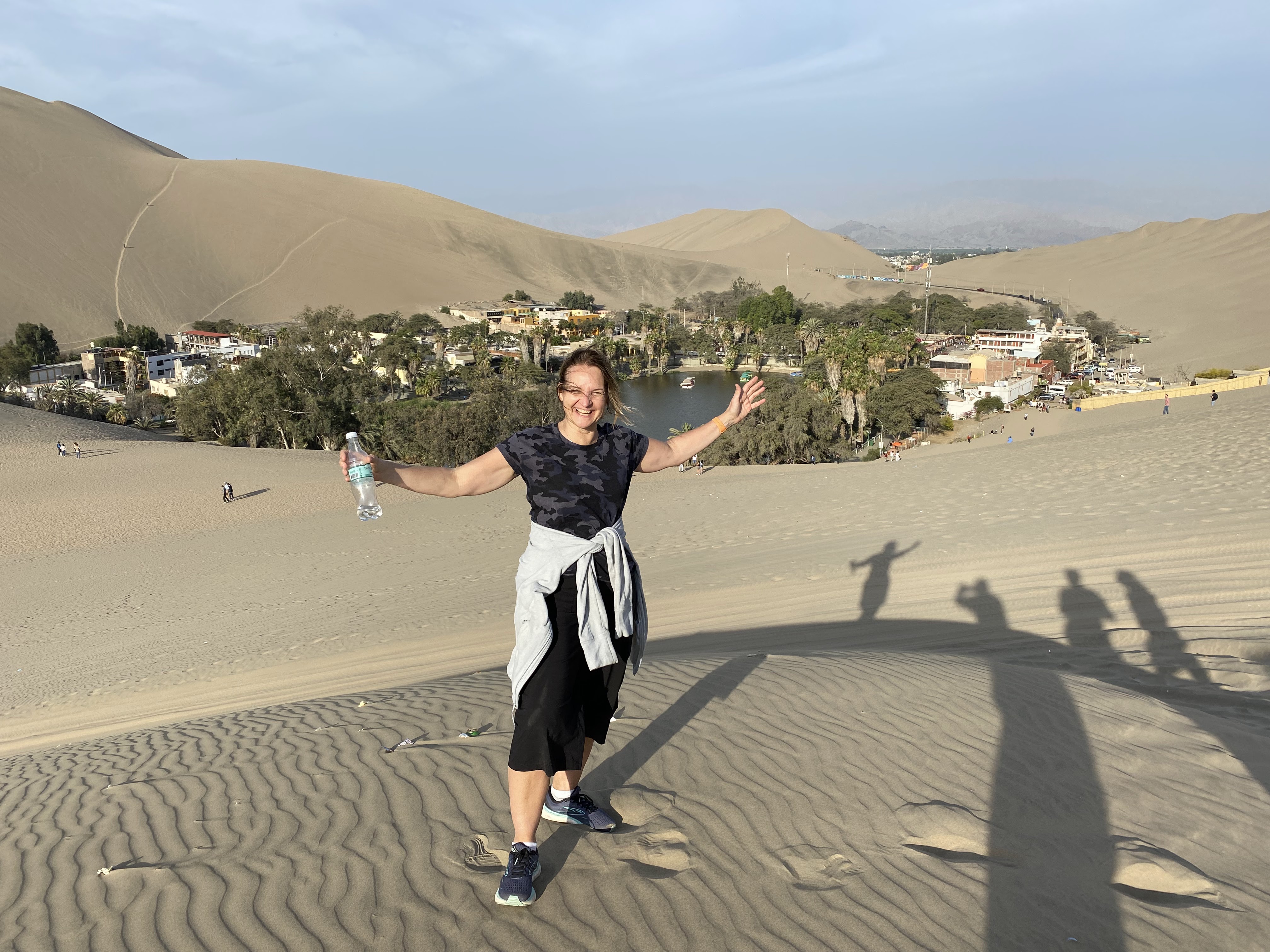
I then transported to Huacachina for a dune buddy ride on the desert sand dunes. I have to admit I was not thrilled about this activity until I DID IT! Oh my gosh it was fun and similar to being on a roller coaster. The Venezuelan driver was a dare devil and certainly wanted to get as many screams out of the passengers as possible.
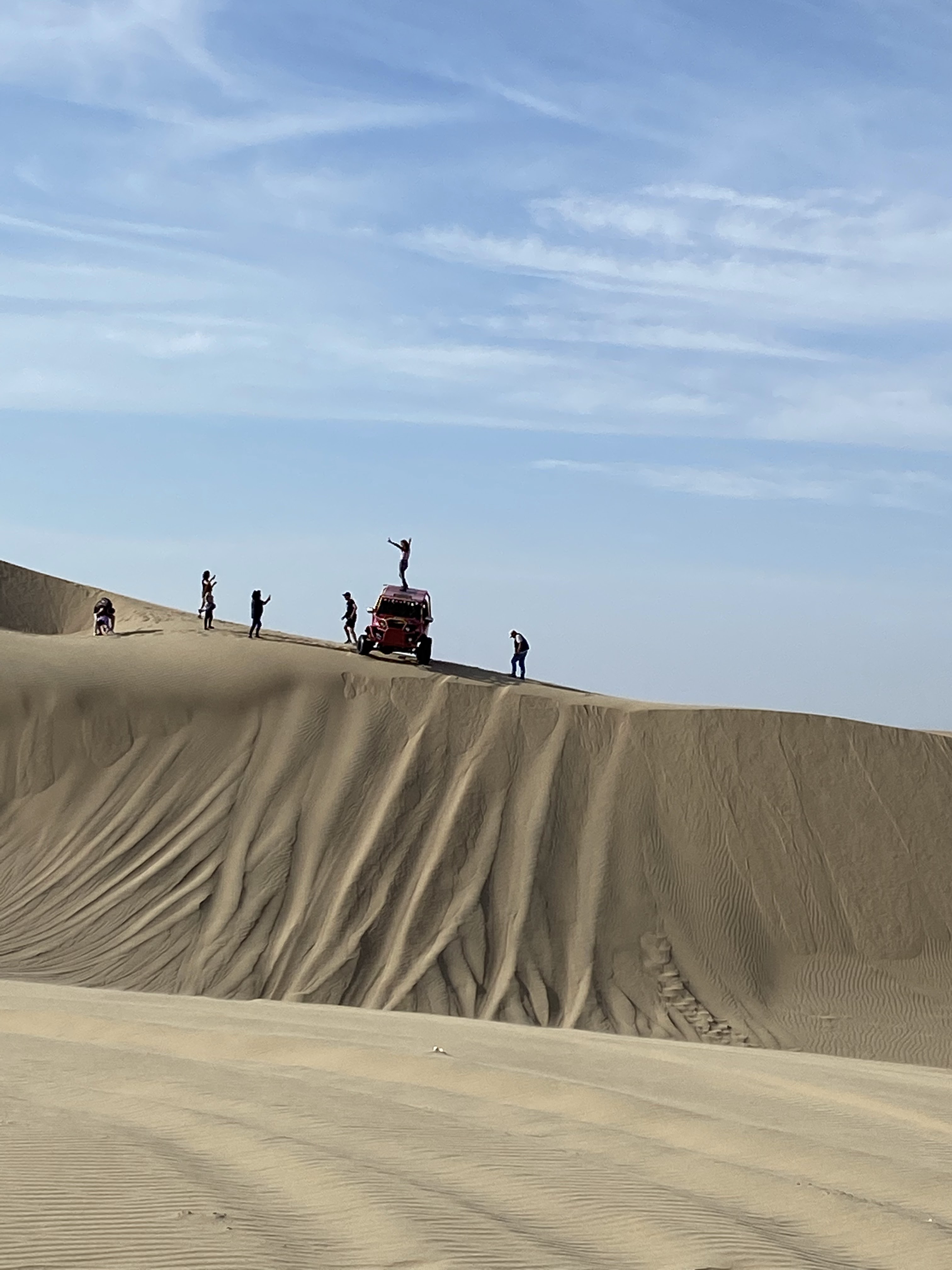
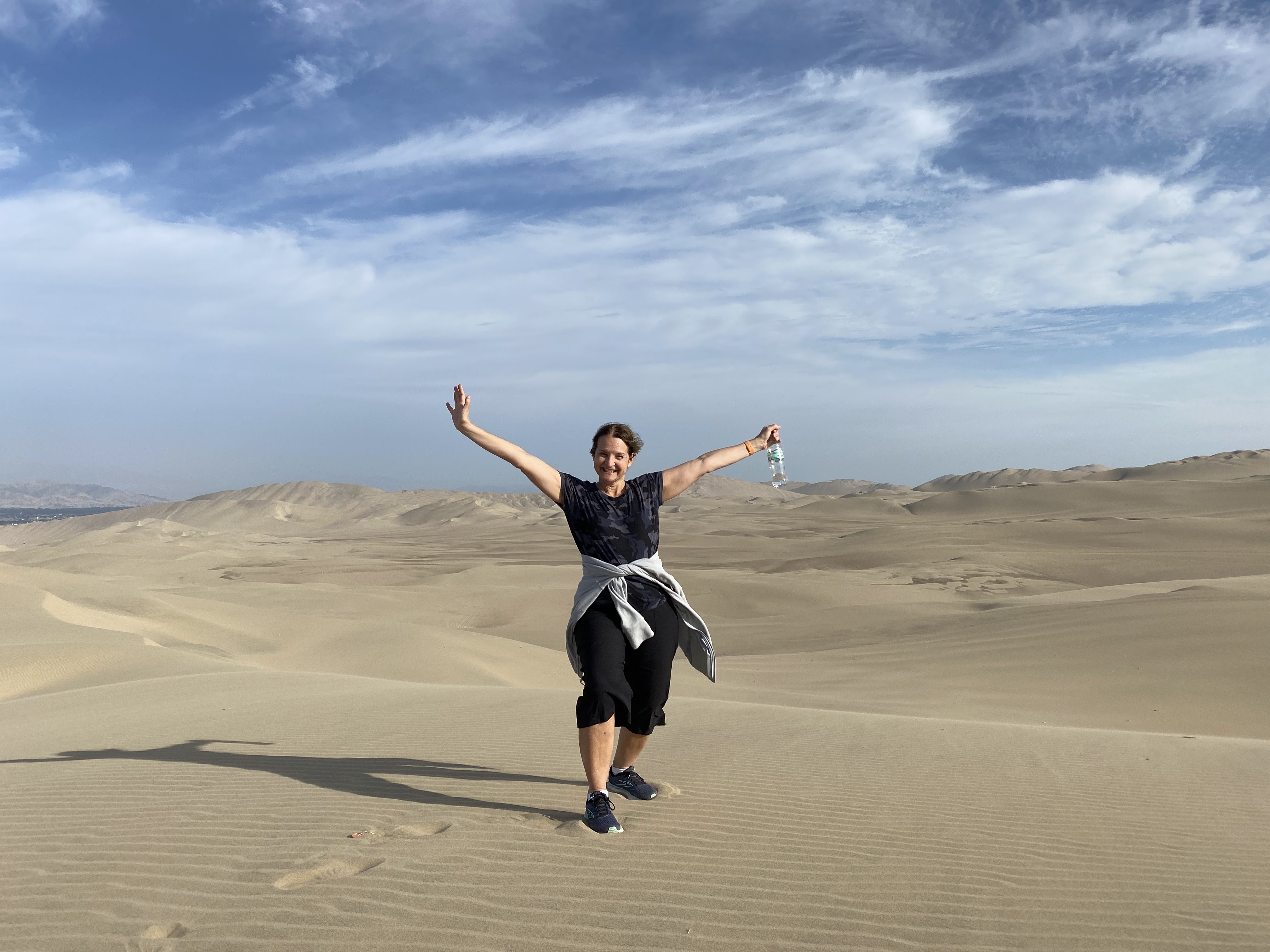
During the dune buggy ride, we of course stopped to take pictures and then do some sand boarding. This was another activity that I was not excited about. The dunes were so tall and I imagined eating a bunch of sand. But, once again, I did it and LOVED it. It was so much fun. I then headed to another simple, clean, friendly hotel for the evening.
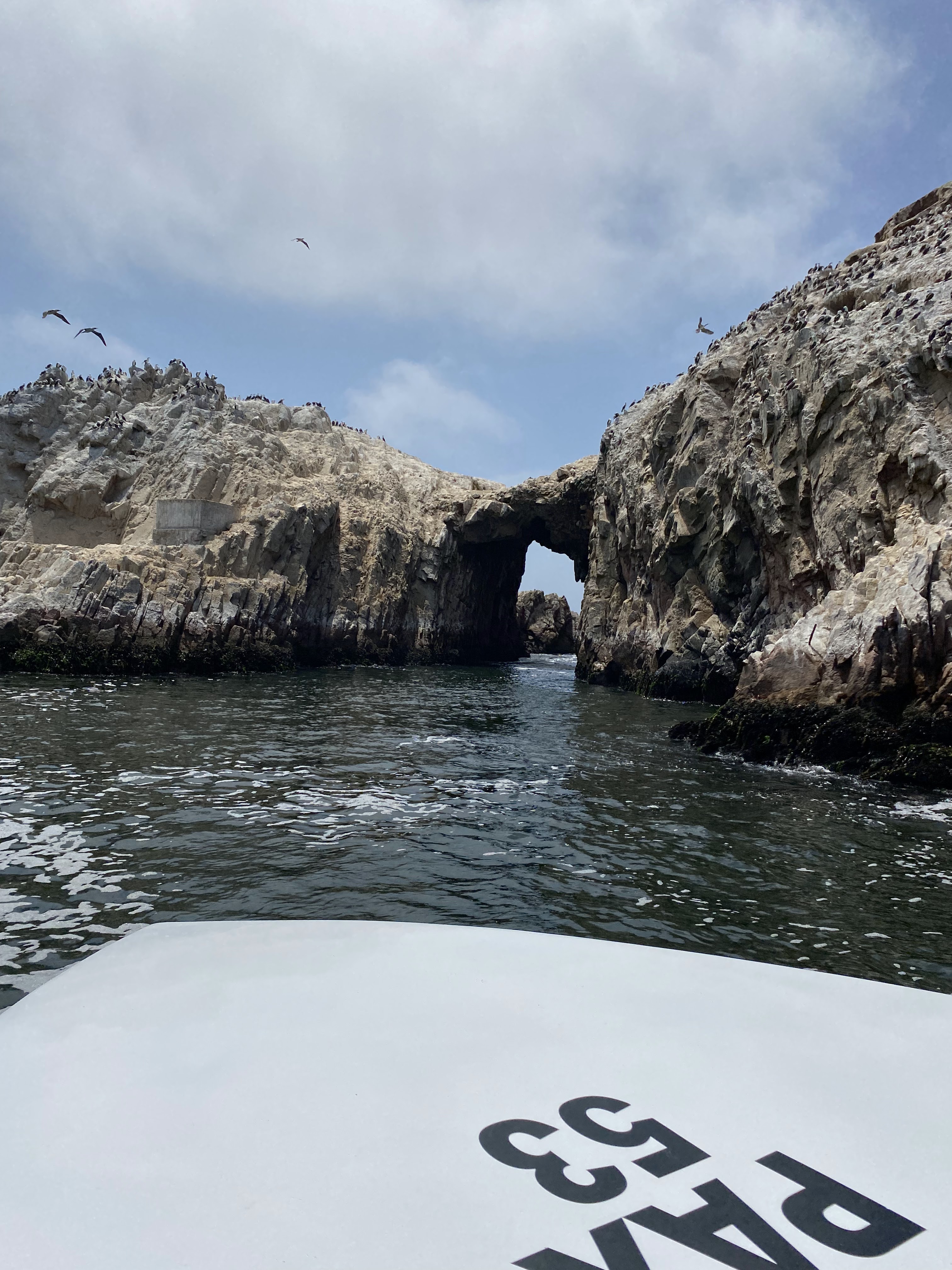
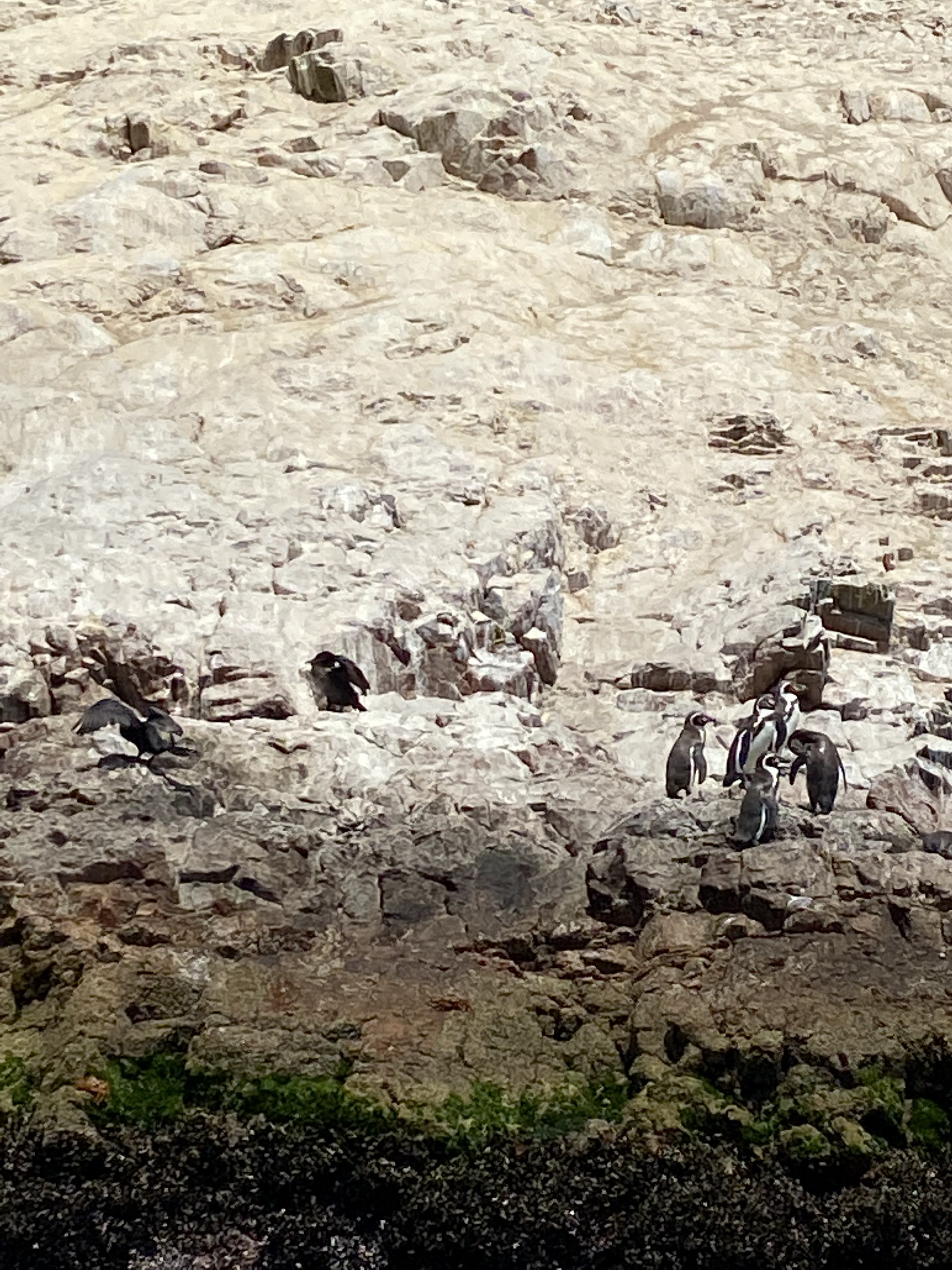
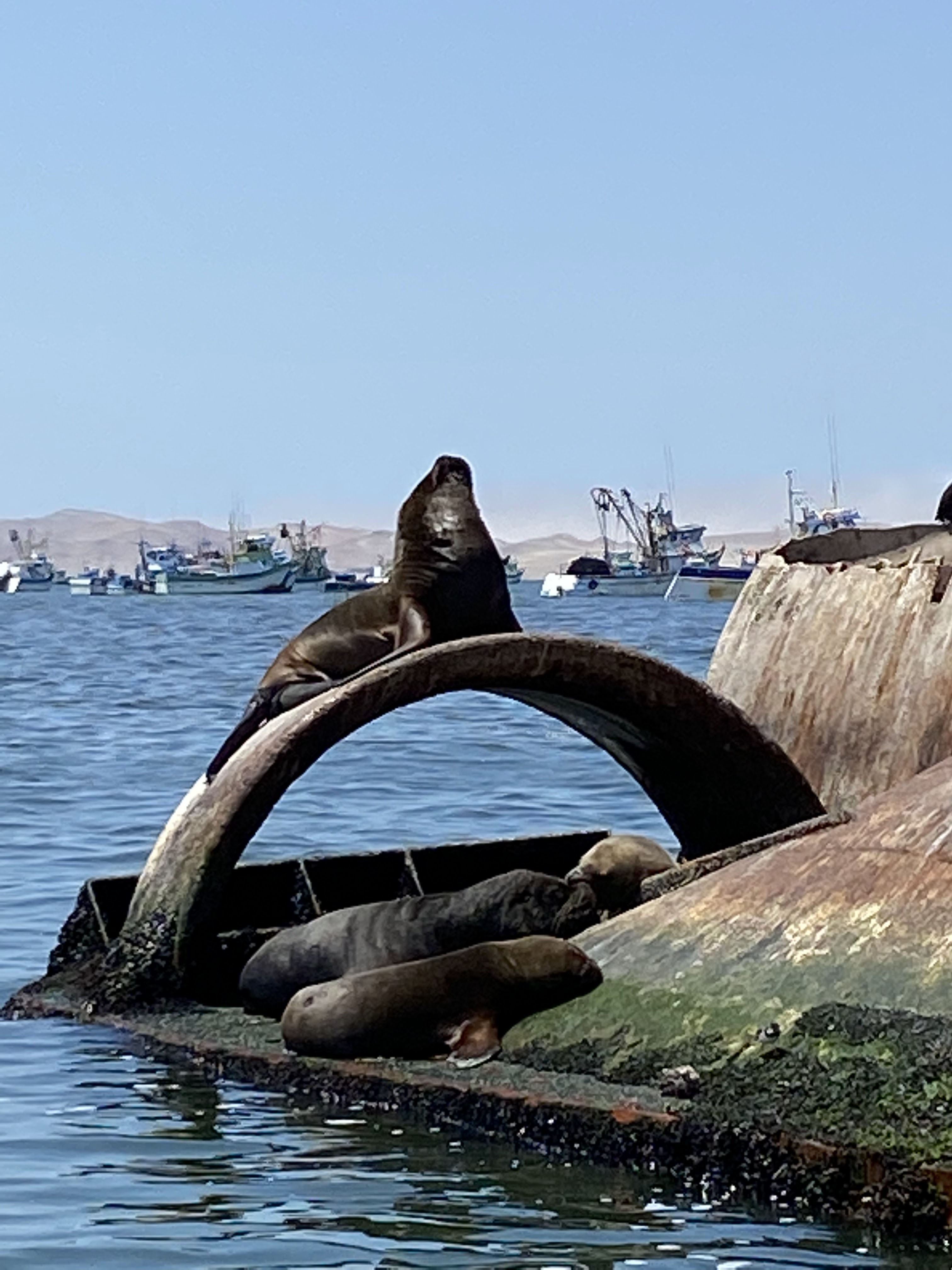
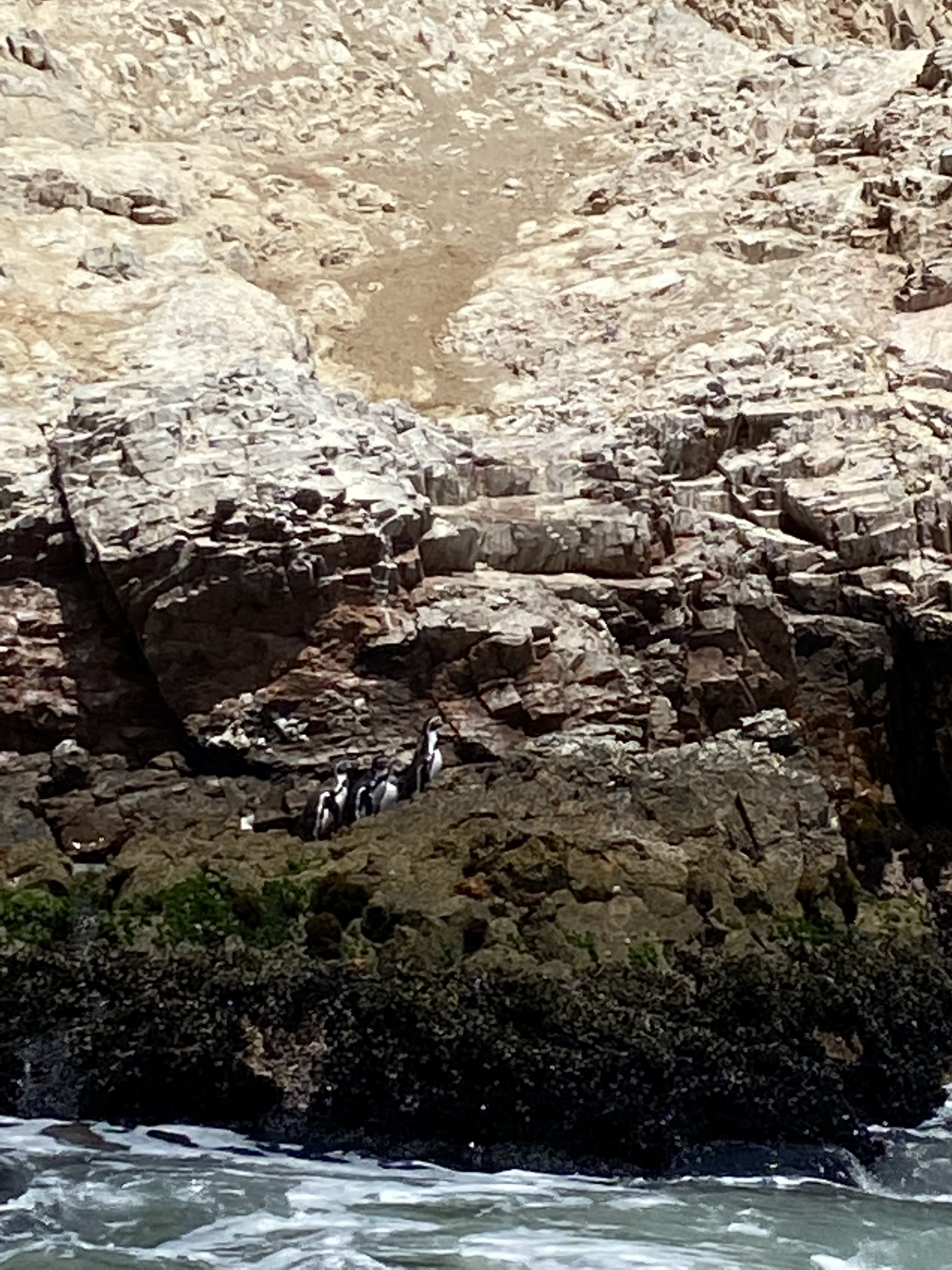
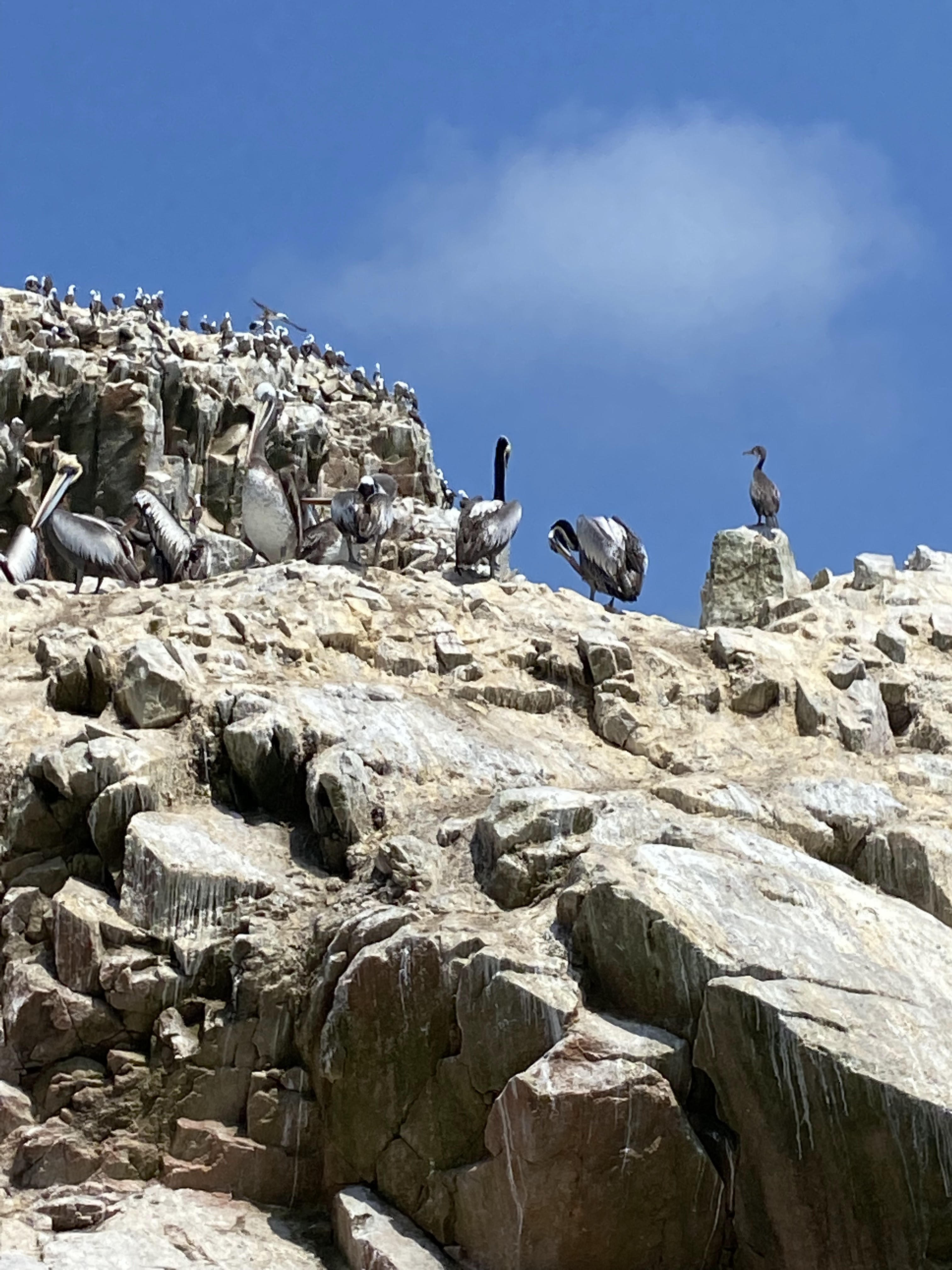
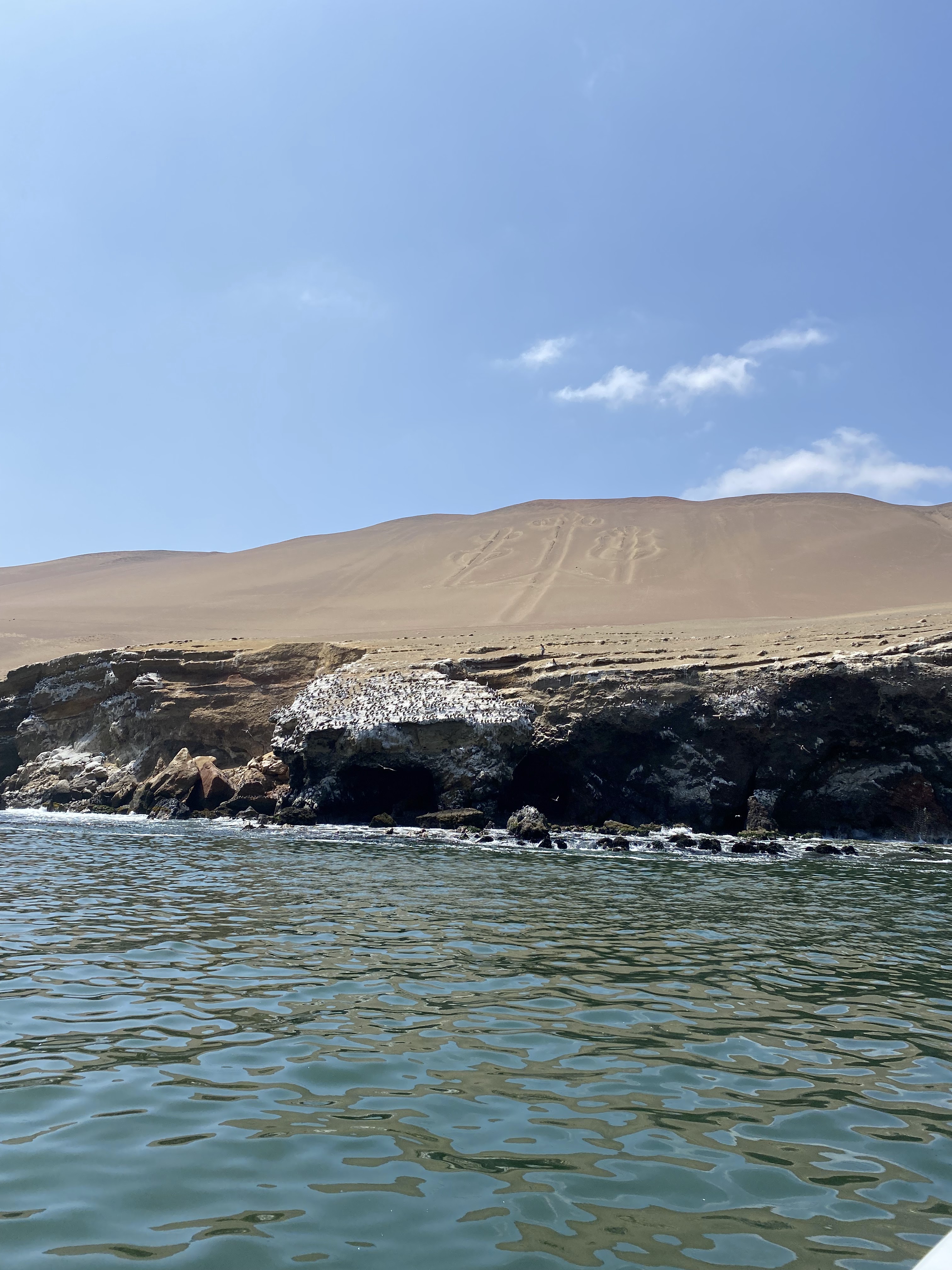
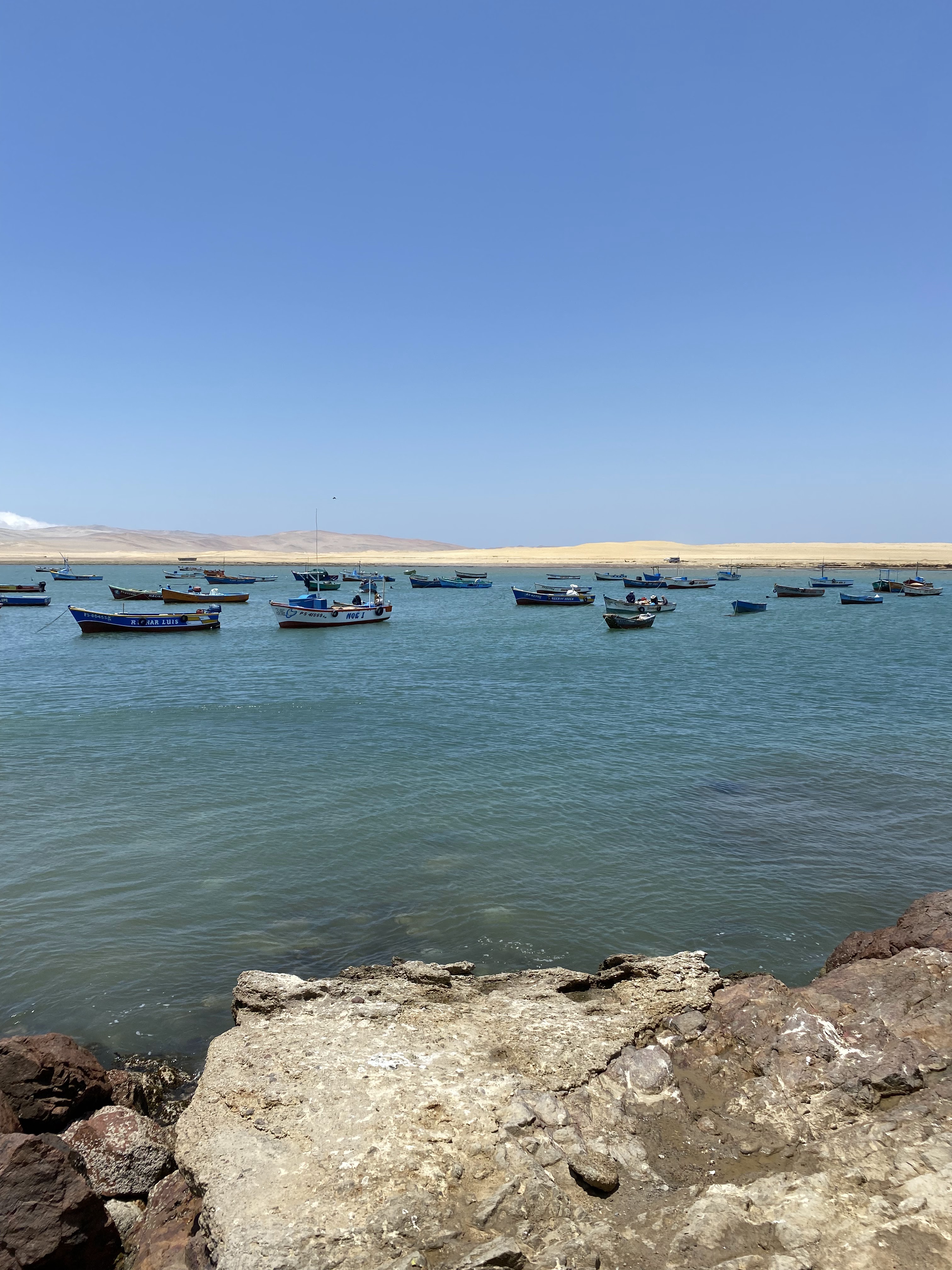
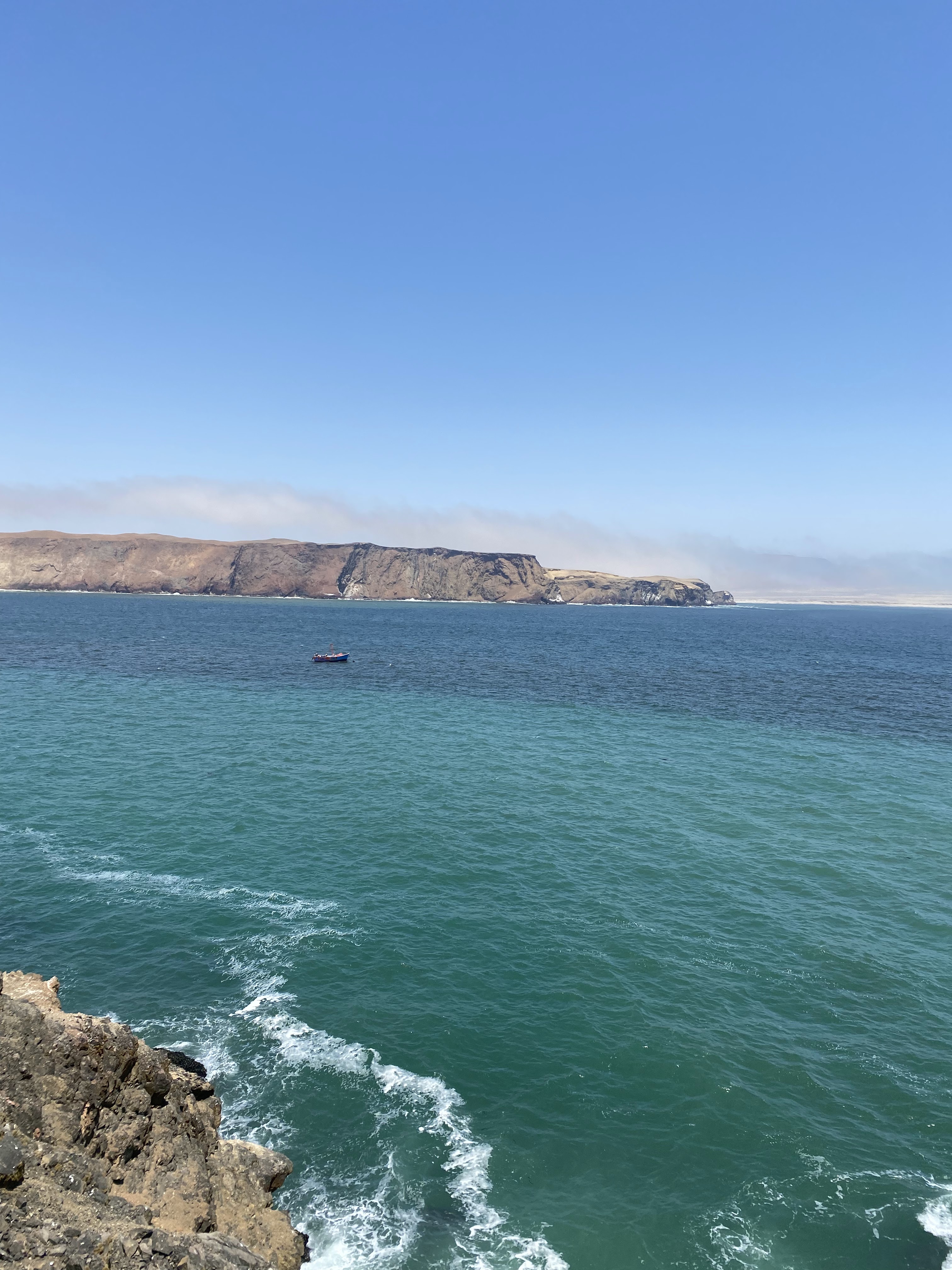
The next morning I had an hour bus ride to Paracas. Paracas is the gateway to a 40 minute boat ride out to Ballestas Island, a natural protected area for wildlife and fauna. We stopped to look at the Candelabra, another unexplained etching in the side of a mountain on the way to the island. I saw plenty of birds, sea lions and Humboldt penguins. It was truly beautiful.
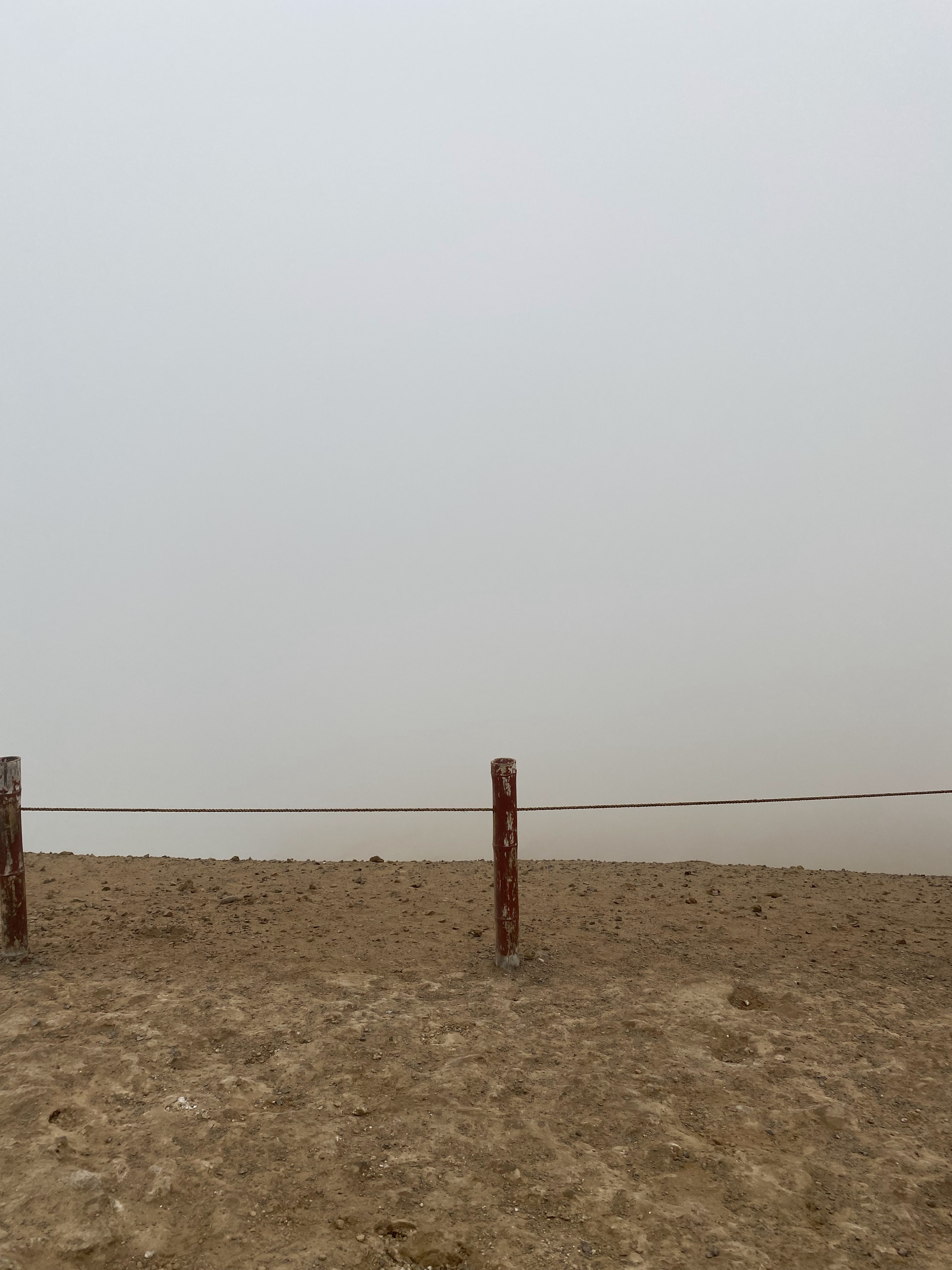
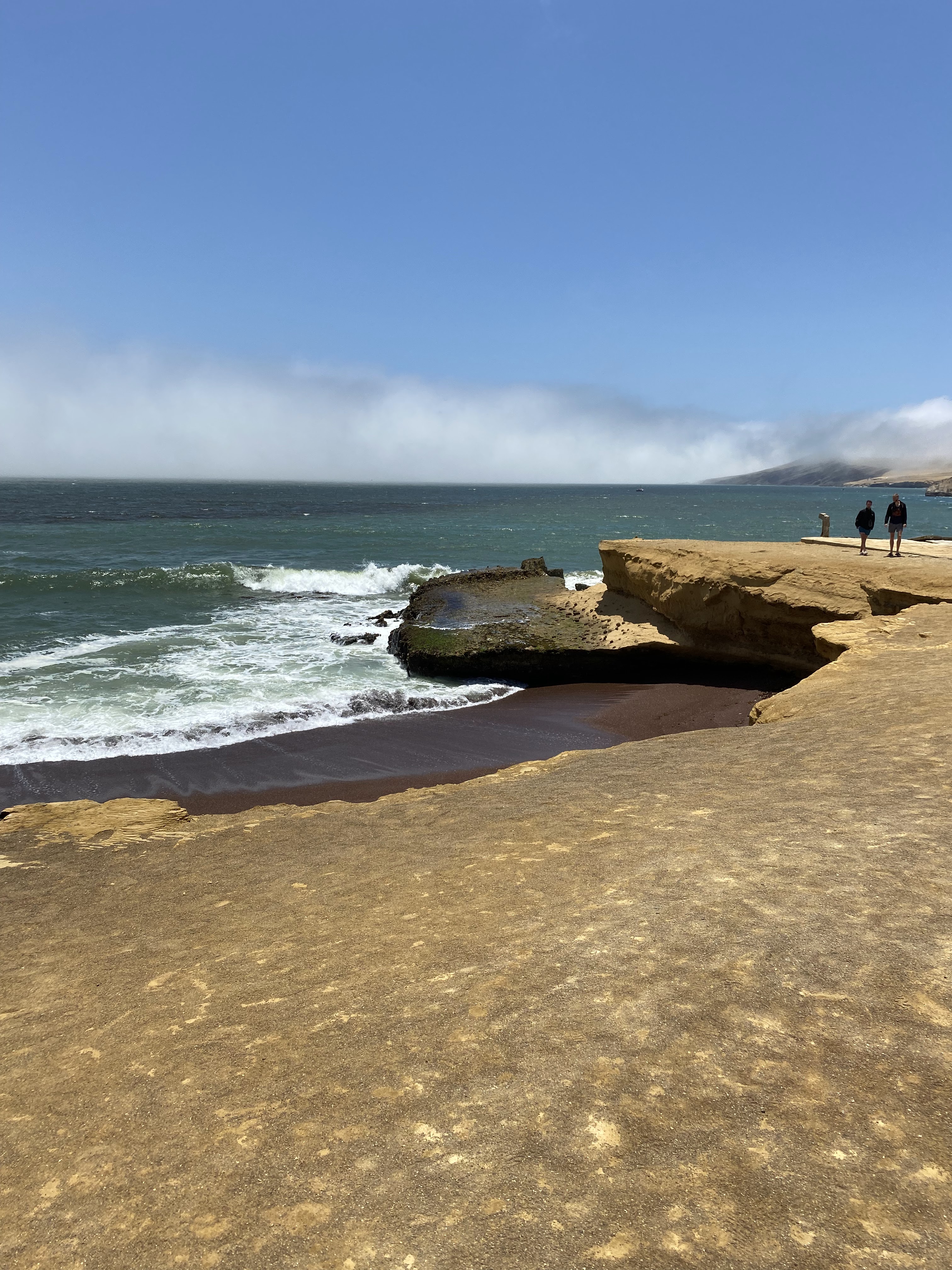
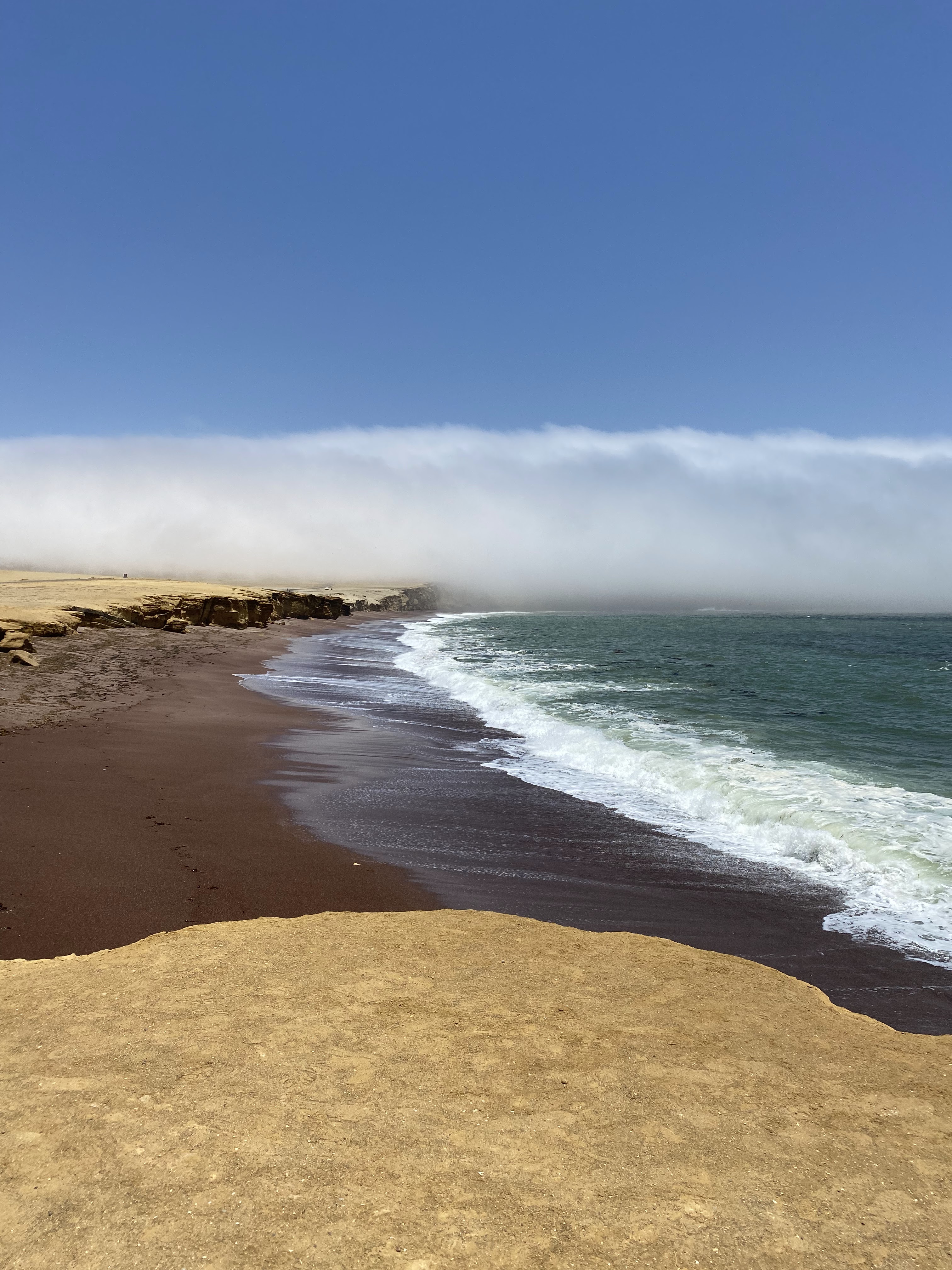
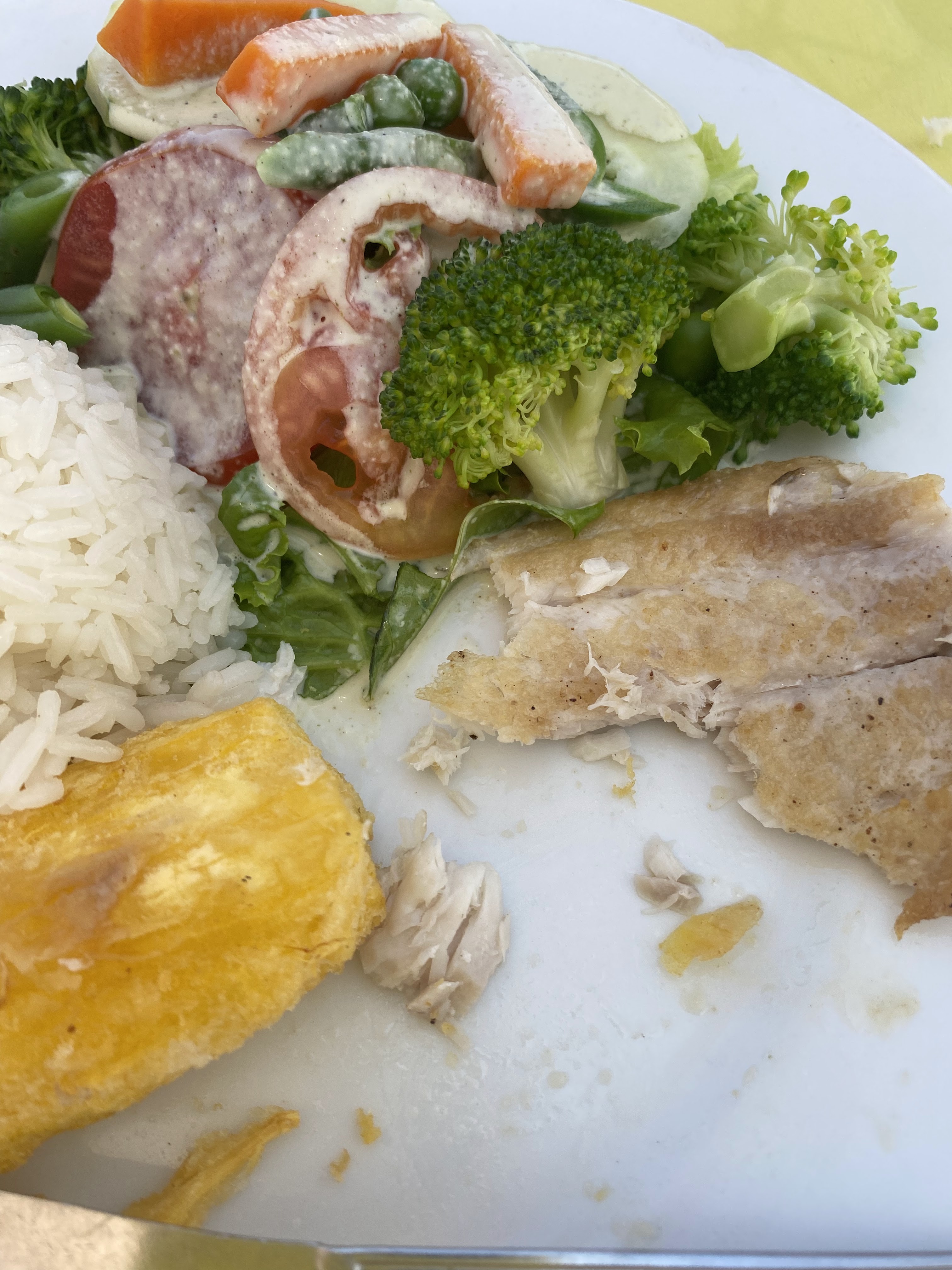
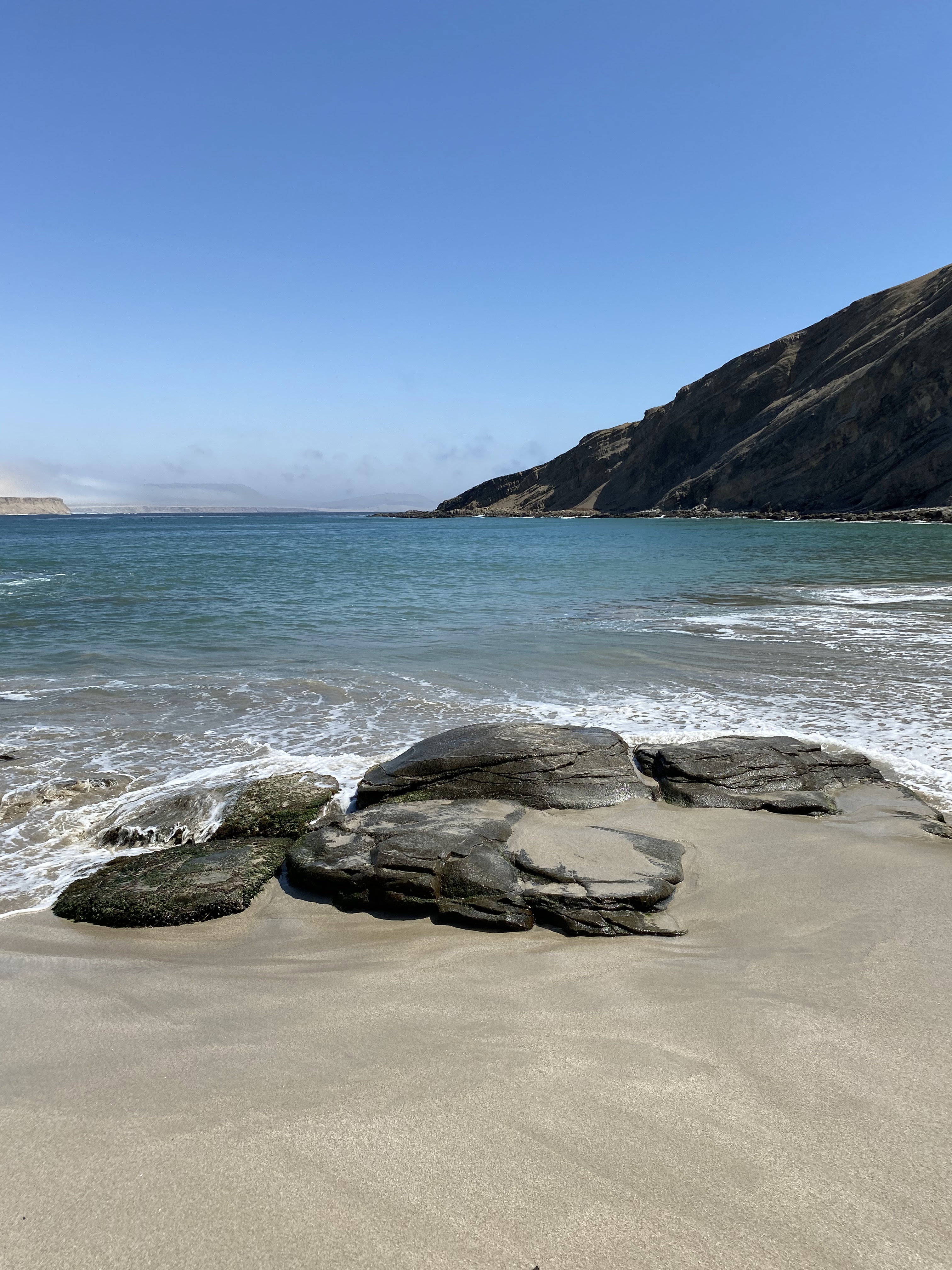
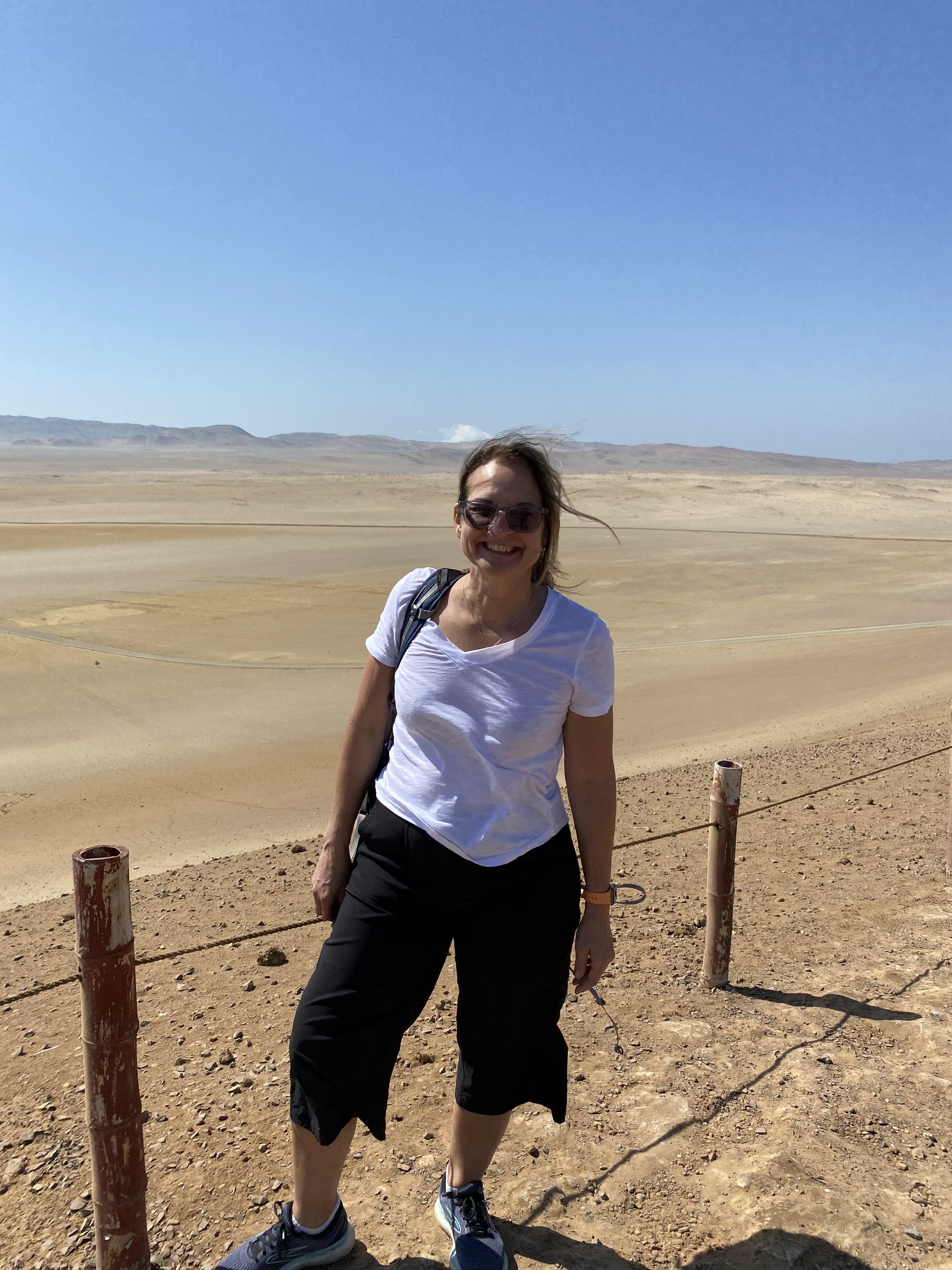
After the boat ride we headed to the Paracas Reserve. This is a huge desert butting up to the ocean. Our first stop was fogged in so we went to another viewpoint, the Red Beach, which was stunning. Then lunch and another stop at Playa La Mina. After this stop and walk along the beach we stopped again at the first stop, which was no longer fogged in. What a gorgeous viewpoint! It was a day filled with beauty, variety, wildlife and then a bus ride back to Lima late at night. I was beginning to realize the beauty and magnificent variety of Peru. The most amazing thing was I was in an enormous desert but also the agricultural heartland of the country. This region grew every fruit, vegetable and nut you could imagine with seeming wasteland. The hard work and ingenuity displayed was mind boggling!
Peru is an amazing place with so much bio diversity…on to Cusco next!
Nordell’s book shared some concepts that I think are worth repeating. I certainly have been penalized for speaking out during my career, but imagine how much more difficult it is for marginalized folks. I loved her thought about seeing differences does not matter but instead, it’s how we react to differences in harmful ways that count. What comes to mind for you? How have you reacted negatively when someone has shared something different from what you believe or think?
Another idea that resonated for me in the book was the idea to “notice when stereotypes arise and actively replace with alternative images.” Wow! In other words, look for situational reasons for a person’s behavior rather than assuming it comes from inherent characteristics. This recently came to life in a conversation with a peer when they were relating a story of a recent interview they held with two candidates. The candidates qualifications were similar (one had more formal education, the other had more hands- on experience) and they ended up choosing the candidate with more education. I asked, “Why?” and then I followed up with, “Perhaps the second candidate did not have access to additional education”. My peer responded with “Funny you say that. When I called the candidate and let him know he was not chosen, he said that exact thing”. It is important to remember that marginalized folks often go to underfunded schools with less resources. It is not intentional on their part to get a subpar education…the system creates this inequity in education.
I love how Nordell distills bias to a choice. A choice that you can change by eliminating automatic thinking and instead use conscious deliberation. So, do I accept my automatic evaluation of people or do I try something new? Do I believe my first reaction or do I stop to look for further evidence?
Stop and scrutinize initial assumptions and envision an alternative explanation. Shift from simply reacting to observing your reaction. Frankly this action could work in many parts of life, not just bias. But, it certainly would be a big WIN if we could do it with our own bias.





















 seniyegroff