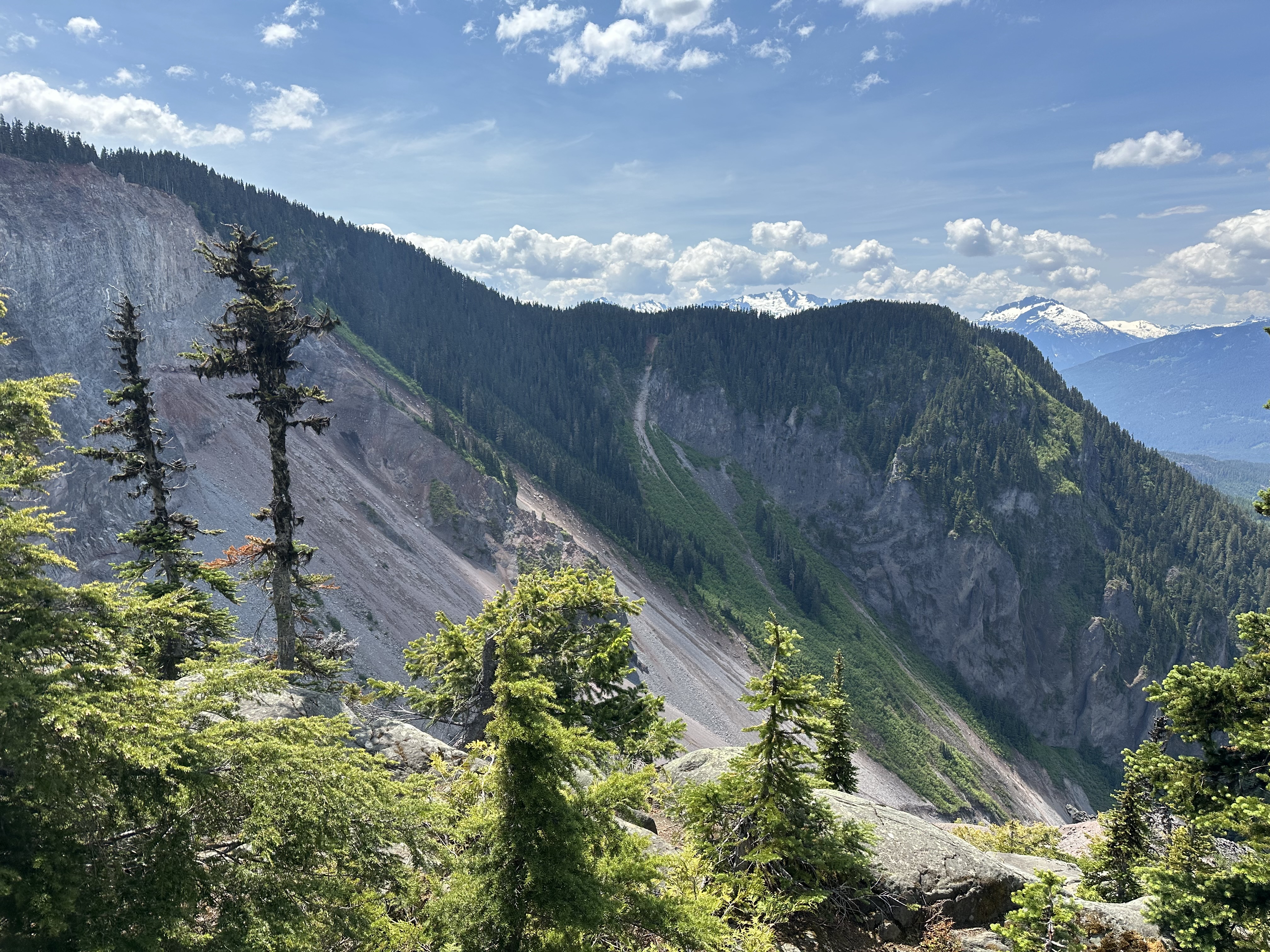
This was an amazing 8+ mile hike I did during Labor Day. Lakes, mountains and scenic vistas galore on this amazing, albeit busy, hike!







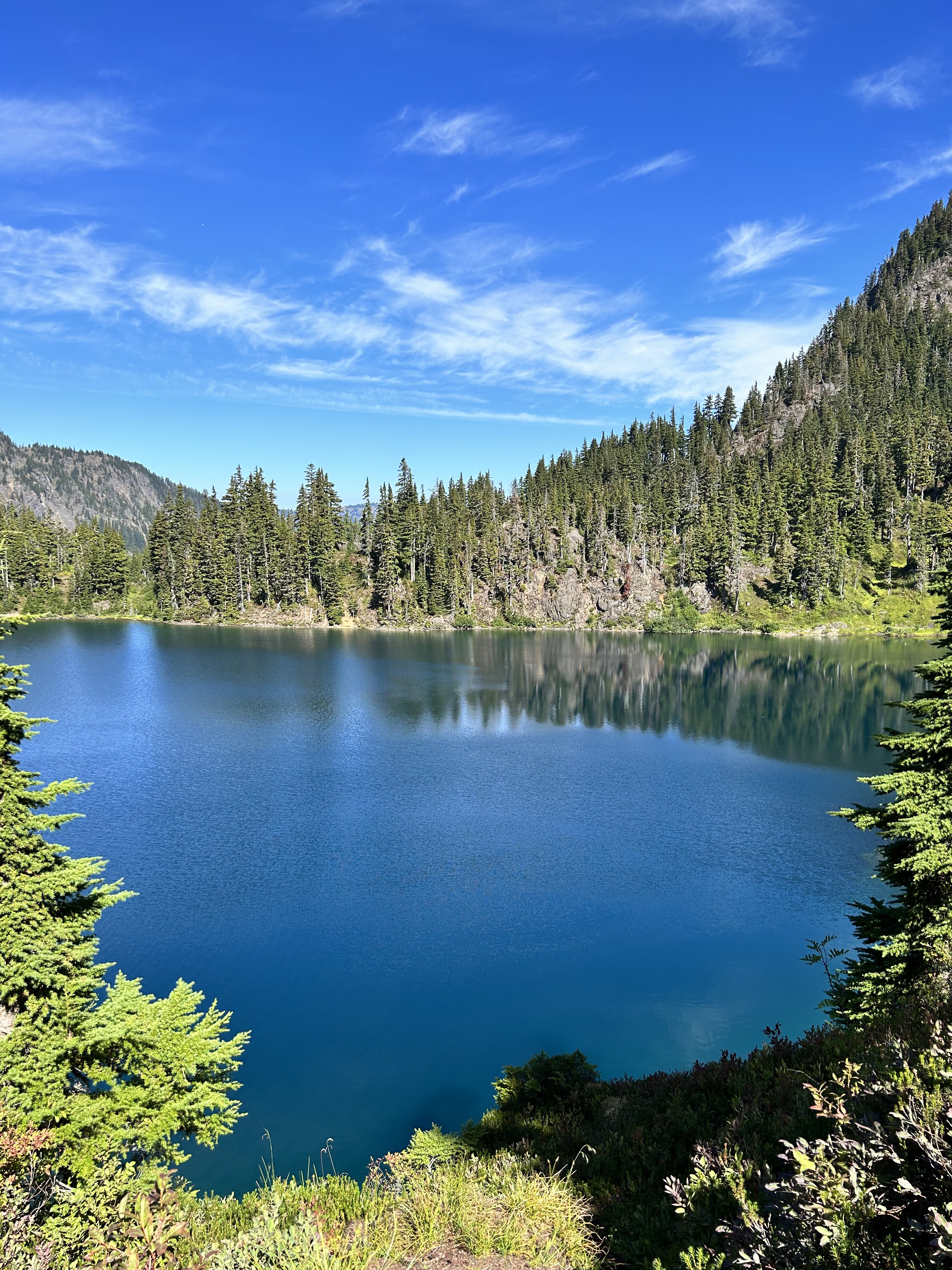
This was an amazing 8+ mile hike I did during Labor Day. Lakes, mountains and scenic vistas galore on this amazing, albeit busy, hike!
I love learning new things and certainly have spent the last several years reading, watching and listening to anything I can get my hands on about diversity, equity, inclusion, bias and belonging. So I recently picked up, “Say the Right Thing” by Kenji Yoshino and David Glasgow. The premise of the book is to learn how to talk about identity, diversity and justice.
The authors suggest a framework called A.D.D.A. which stands for avoid, deflect, deny and attack. The authors contend these are conversational traps that one needs to be aware of and prepare for as one tries to have conversations around identity, diversity and justice issues. I thought this framework really did capture how conversations derail, sometimes before they even start!
One line in the book really captured the issue for me:
As excruciating as it can feel to have conversation about identity, it’s important to remember people from nondominant groups have always experienced emotional turmoil in these dialogues from being ignored, mocked, tone policed, or subjected to retaliation. When you find yourself wondering, “Why am I so uncomfortable? You might instead ask, “Why have I been comfortable until now?” You might then hear the answer: “I’ve been comfortable because until today, the other person has carried all the discomfort on their own.”
The authors suggest some strategies to deal with the emotional discomfort of these types of conversations such as a growth mindset by treating mistakes as opportunities to learn, self-affirm by reminding yourself what is most important and right-size feedback by remembering claims about privilege are often not as extreme as you perceive them. Reframing the situation can make you more open to the conversation in an objective way.
There are lots of helpful nuggets in this book. The authors share stories, examples and suggestions. One of the ending notes I think was helpful, “Don’t ignore people’s group identity, but also don’t reduce them to their group identity.” And finally, educate yourself! It is your responsibility to do so. Be curious, humble and ask for help but don’t expect someone else to educate you. Check out this book and let me know what you learned.
This past week I was finally able to check another item off my bucket list…North Cascades National Park. I’ve been intrigued by this destination after scrolling through lots of pictures from various sources and also learning that it is one of the least visited national parks. The lack of crowds was a definite draw. And needless to say, North Cascades National Park did not disappoint on either point.

The drive from Portland took about seven and a half hours and I drove through areas I have never seen before such as Yakima and Wenatchee. These areas seems to be an agricultural hub and were beautiful in their own right.
North Cascades National Park is known as the American Alps and I would say that name fits this stunning scenic area. The vistas, valleys and mountains were just incredible. I chose to stay in Winthrop, a small town holding on to it’s mining façade with enough shops and restaurants to provide options for a multi-day stay. Just driving on the North Cascades Highway (Hwy 20) is reward enough for the long drive to get to this amazing area.


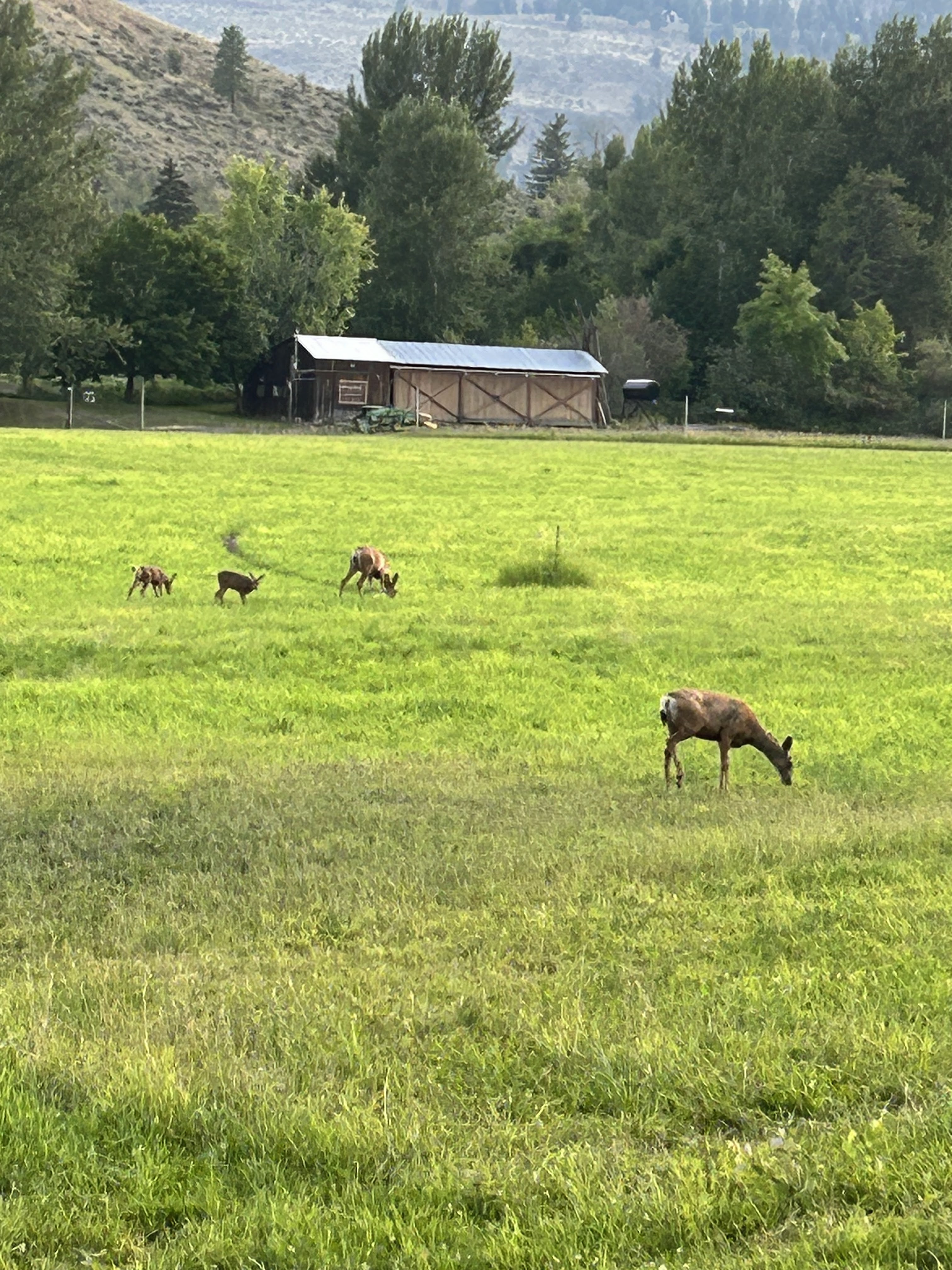


Along Highway 20 are several overlooks and you should stop at EVERY SINGLE ONE. The Washington Pass Observation site is the first one heading west on Highway 20. It allows you to appreciate the magnitude of the mountains and the valley and if you are afraid of heights, get ready to be scared!



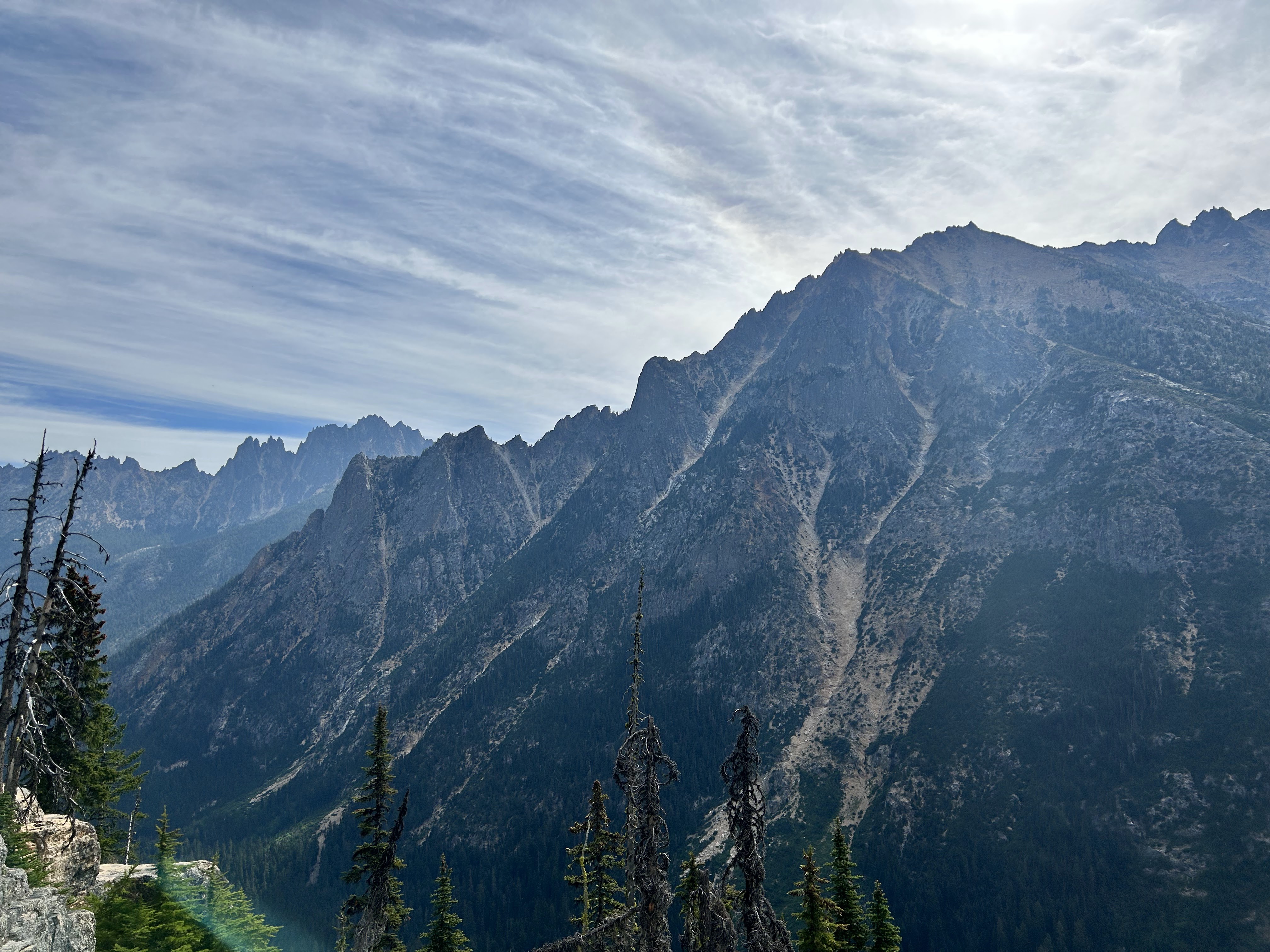

Next I hiked Rainy Lake, which is an very easy, but very rewarding hike. The path is easy, groomed and ends at a stunning alpine lake. Next stop was the Diablo Lake Vista Point and driving over the Diablo Dam. Equally stunning is the Gorge Lake Overlook and the suspension bridges to the Trail of the Cedars and Ladder Creek Falls.
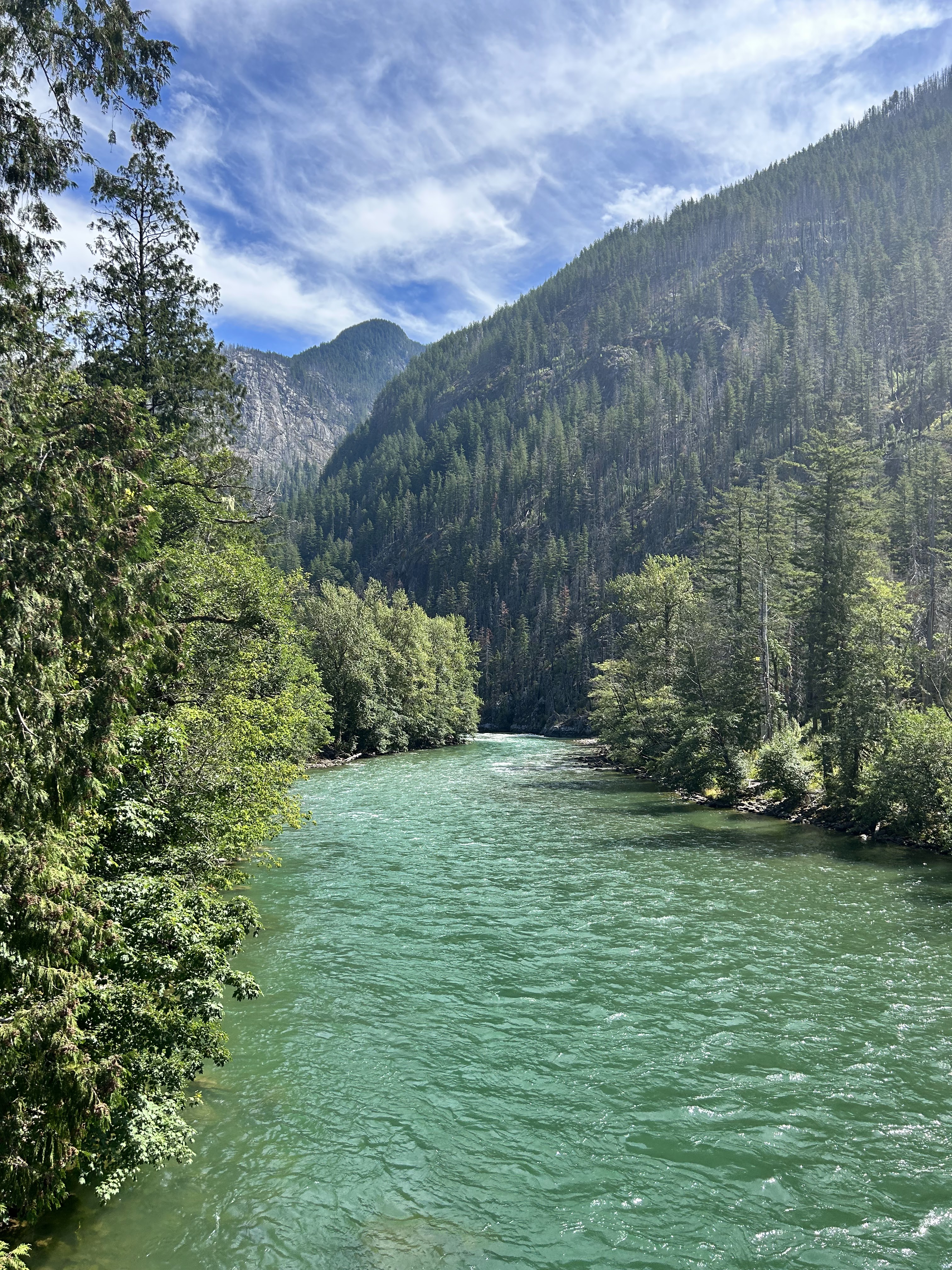
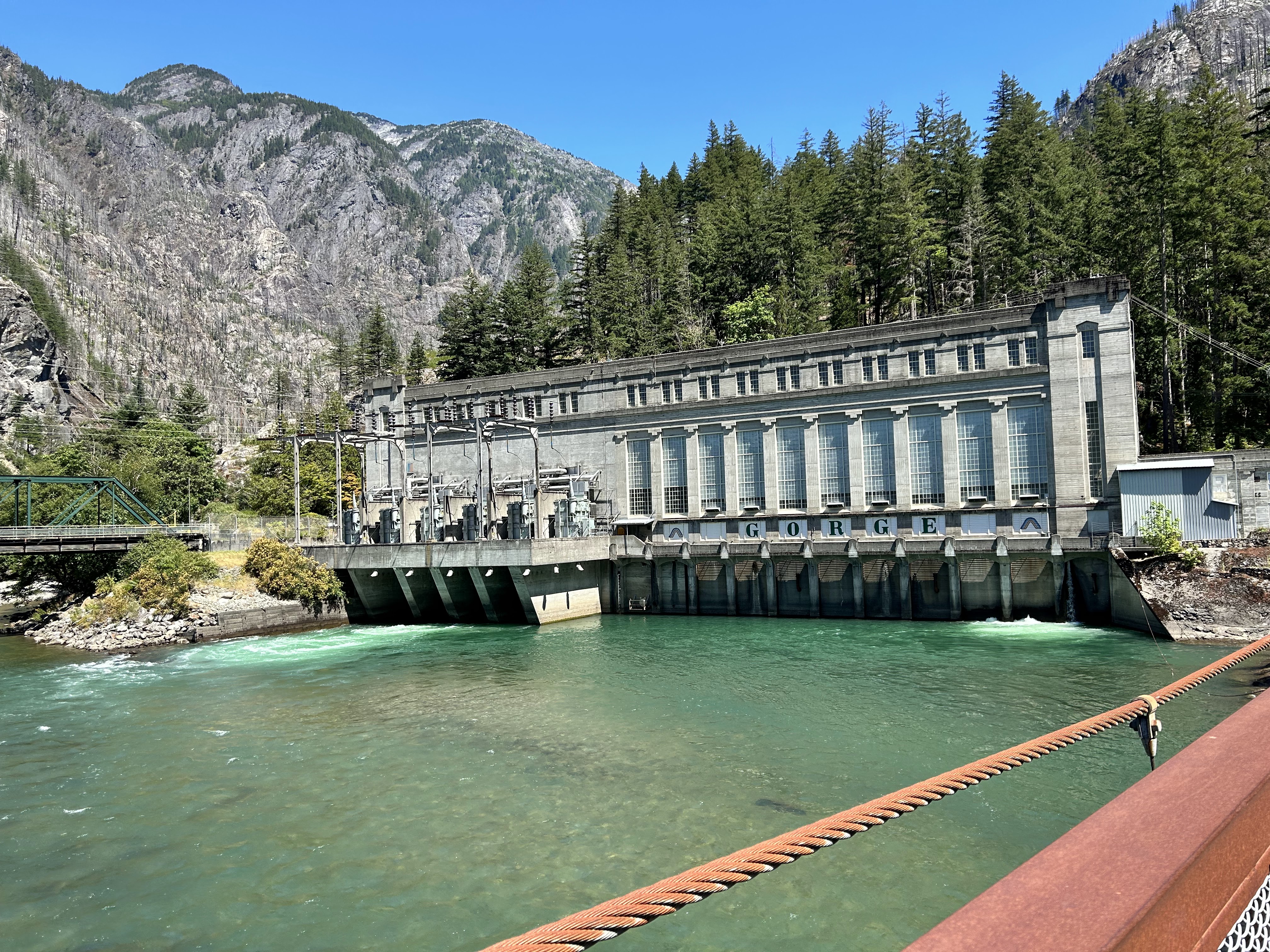



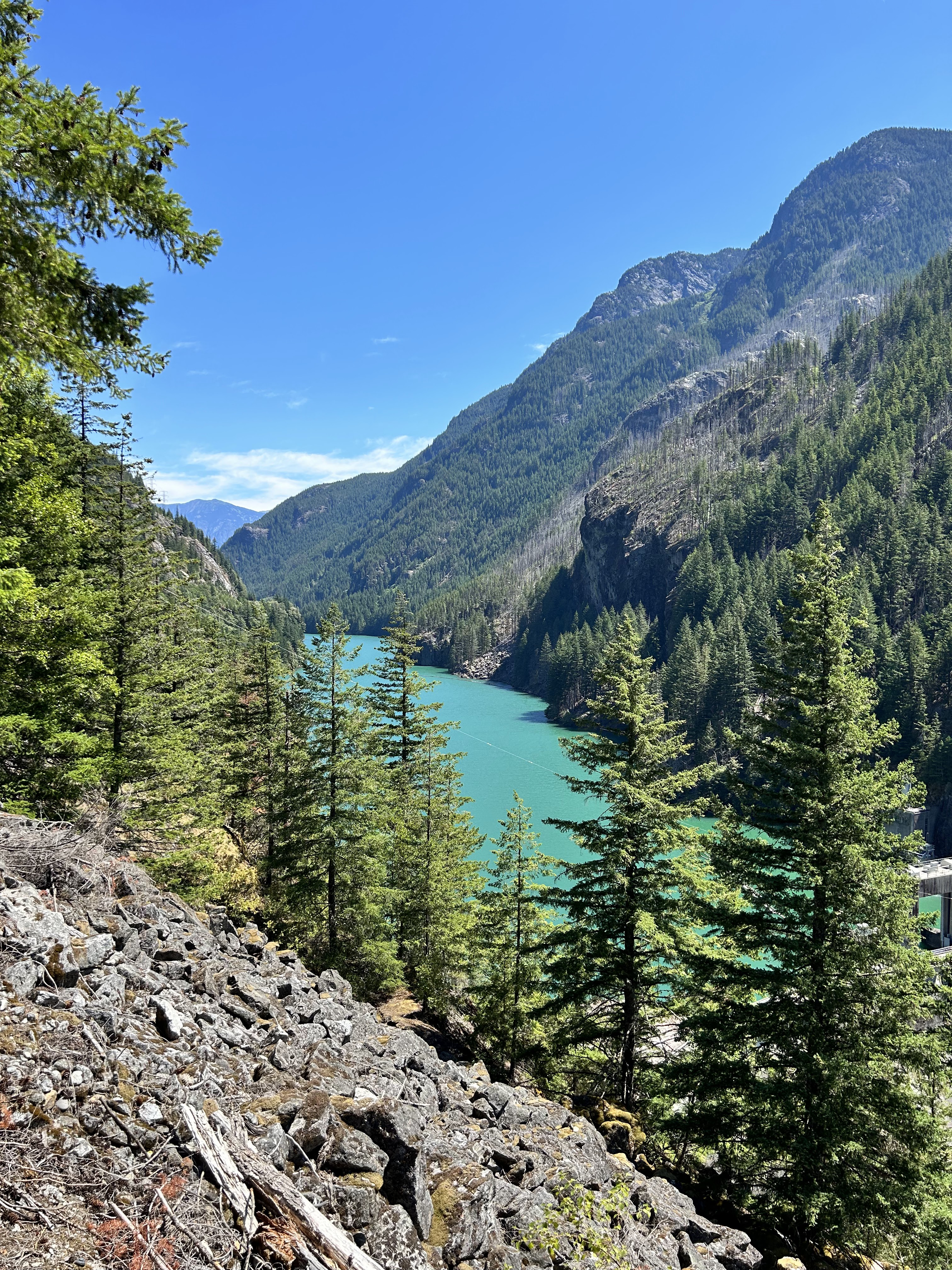
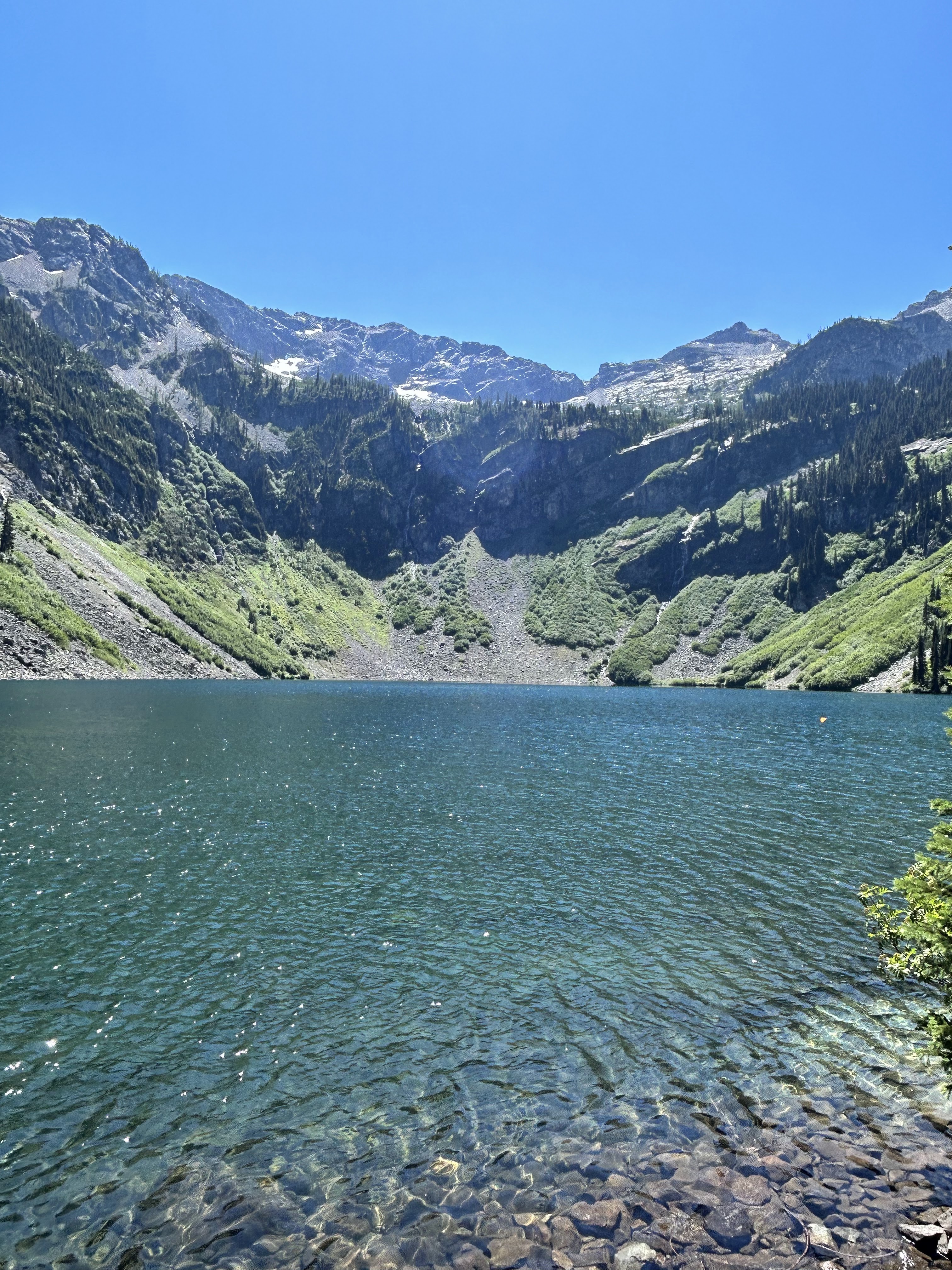
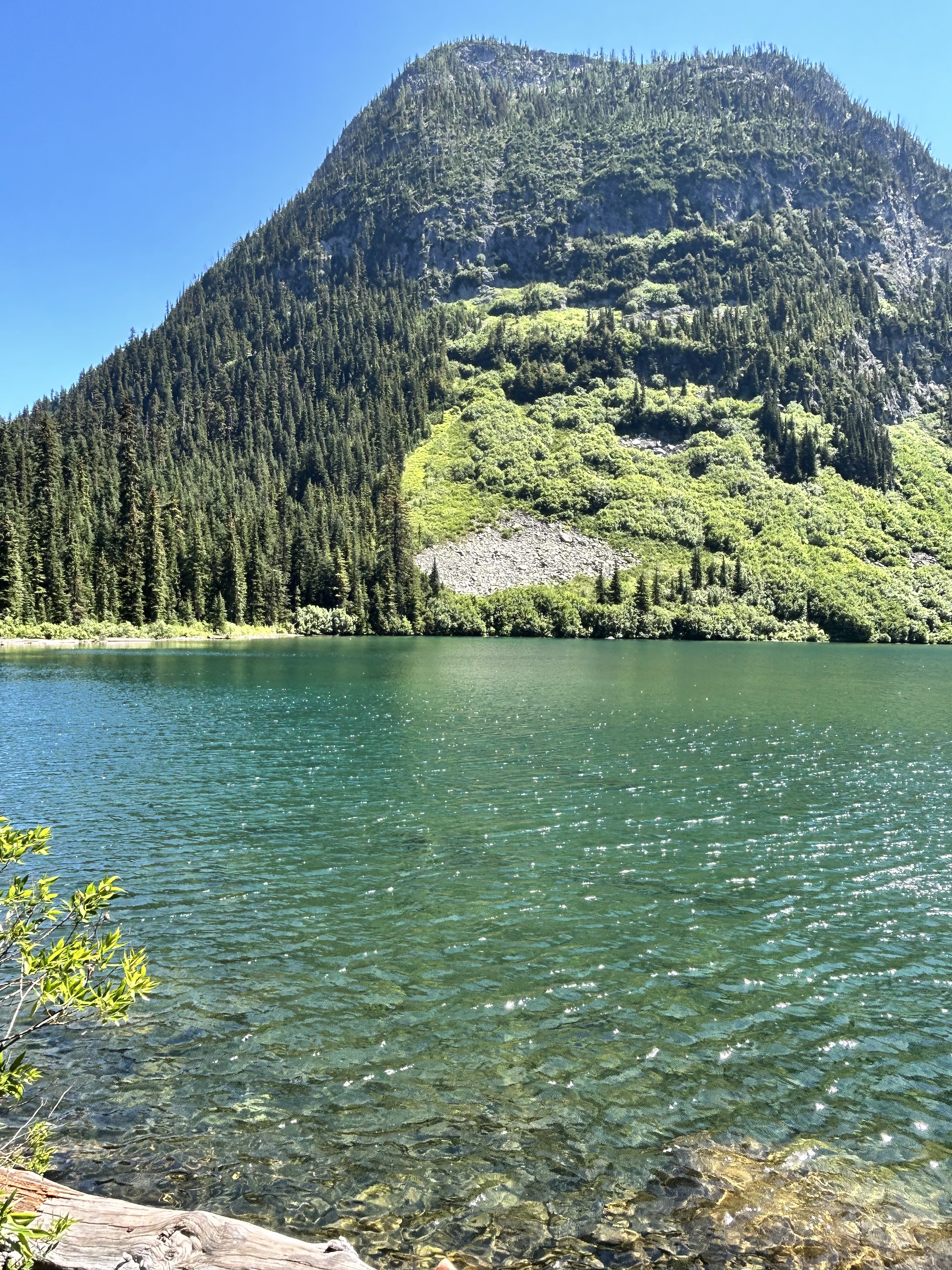
The final jaunt of the day was hiking Blue Lake. This was a five mile hike with a little elevation. As we were climbing, hikers coming down spoke excitedly about the mountain goats at the lake. I have yet to see any animals during all my years of hiking so was thrilled to think I was finally going to see an animal in the wild! When we reached the incredibly blue and clear lake, there were no goats to be seen. I am guessing too many people had already seen the goats and they likely went to higher elevation to be left alone. Nonetheless the lake was incredible.
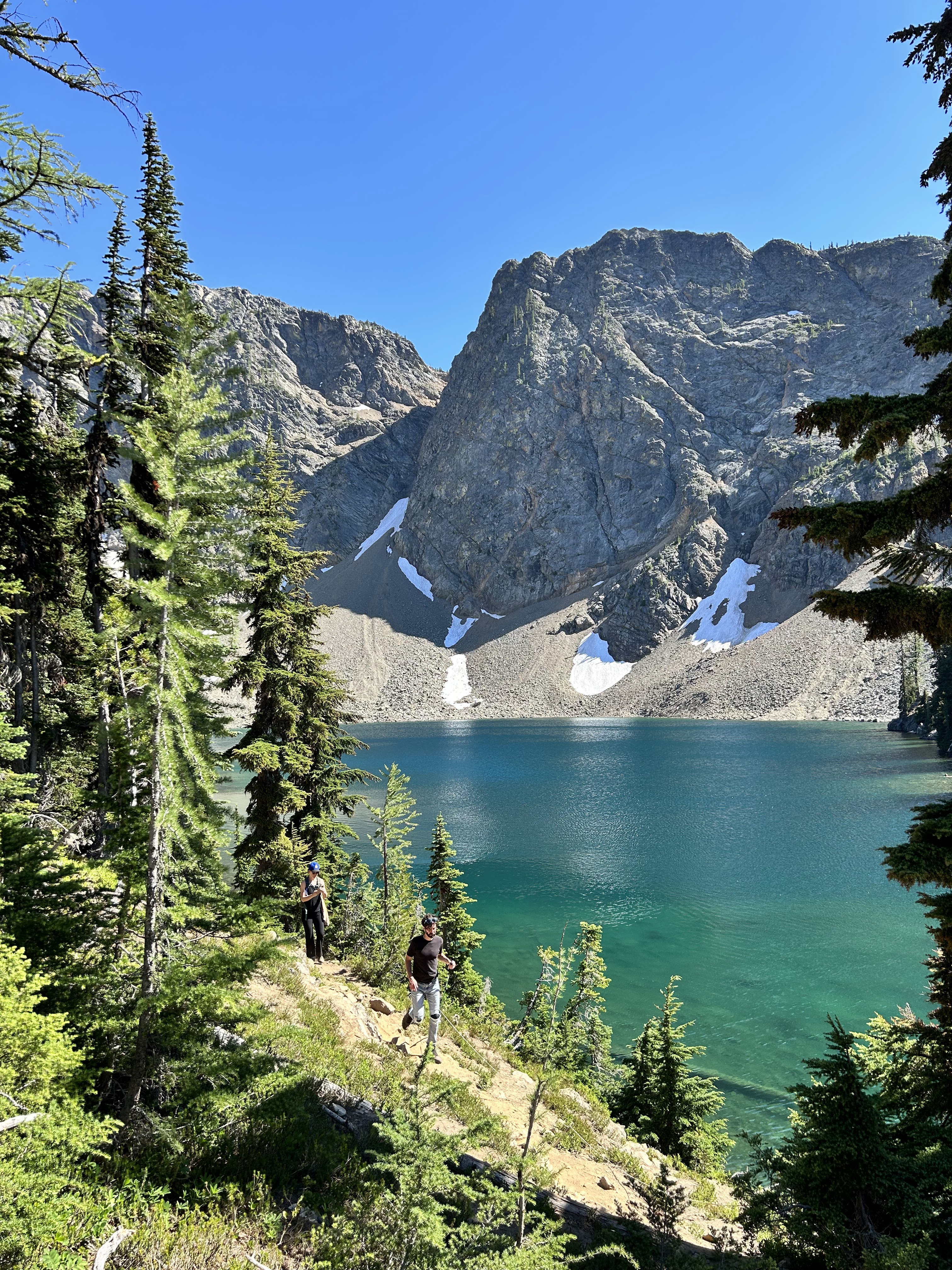


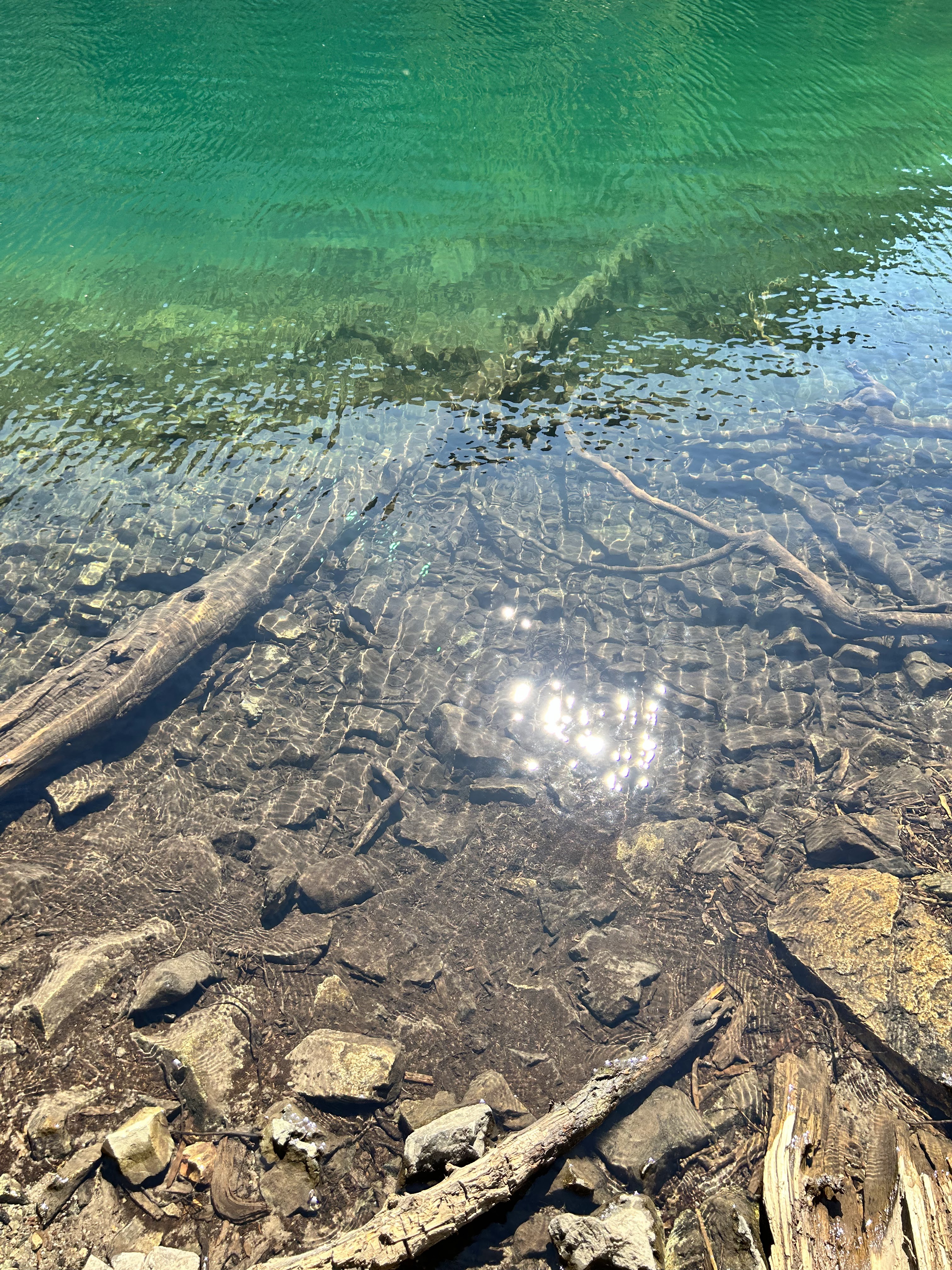
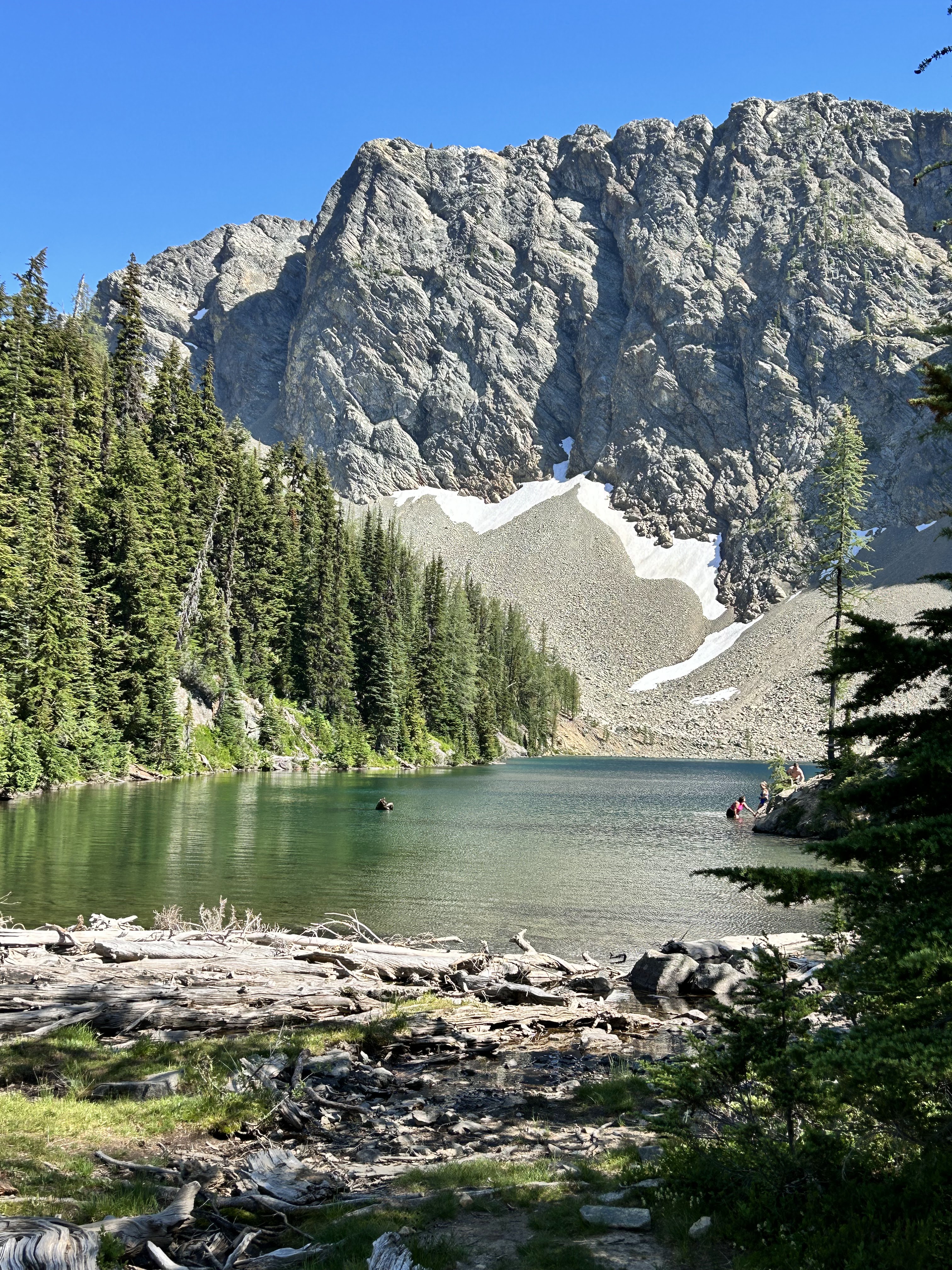
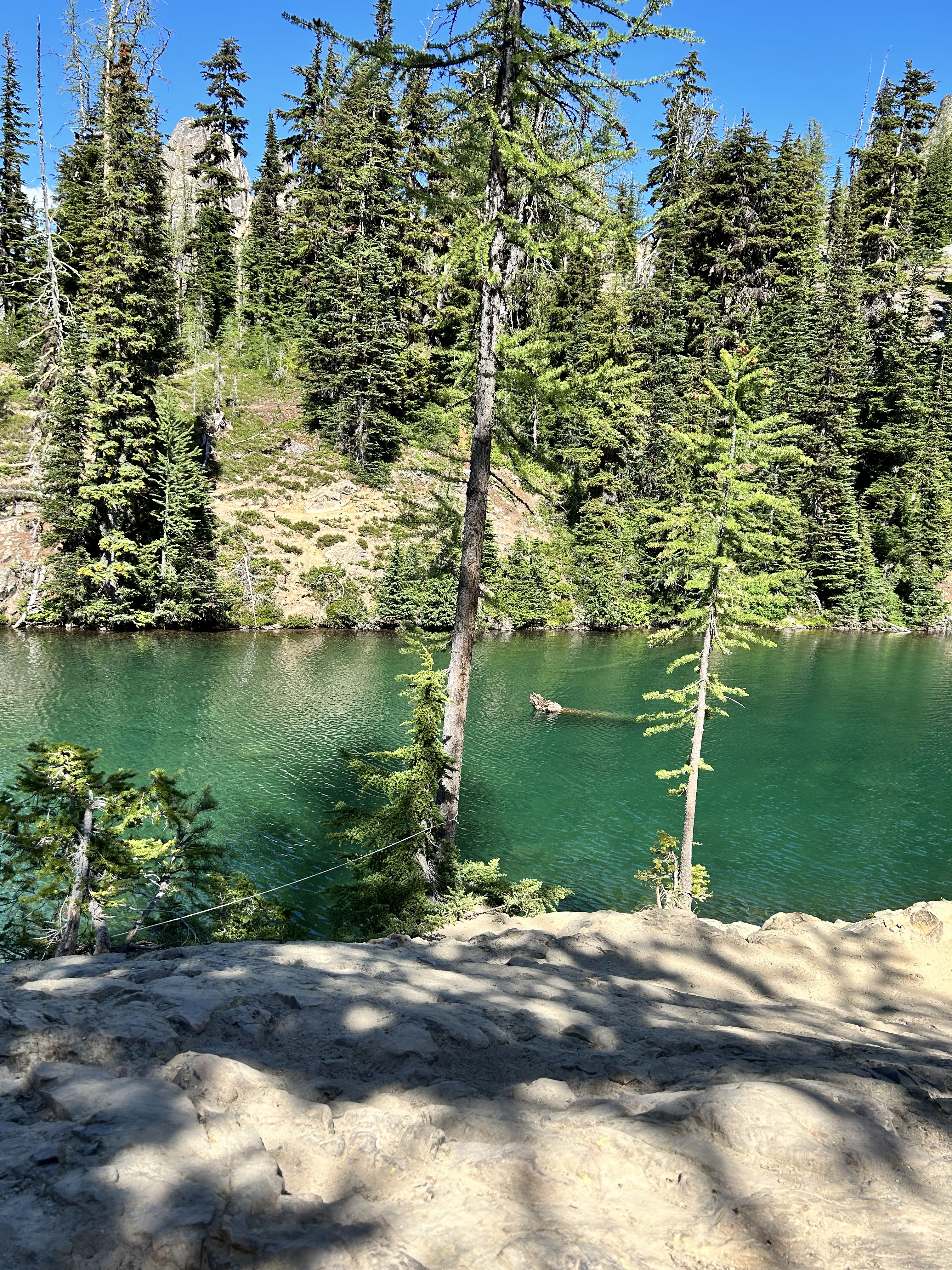
On the last mile of my descent, I tripped over a large rock and fell and hit my left knee very hard. That ended hiking for the day and the following day. The three hikes I had earmarked for the next day did not happen…sadly. Oh well, I guess it means I will need to return at some point. Regardless NCNP should not be missed.
I recently visited Vancouver, BC and hiked Garibaldi Lake. It was a 12 mile, 3211 elevation gain well-maintained trail. There was lots of switchbacks, inclines and three stunning lakes. The trail culminates in the magnificent Garibaldi Lake. This was a tiring, at times grueling hike, but well worth the effort!




Subscribe to get access to the rest of this post and other subscriber-only content.
Training is a necessary component to any change initiative. And the topic of DEIB makes training that much more crucial. I believe training in this space is about creating “ah ha” moments rather than telling people what they have done wrong. Think about it…who wants to be reminded of all their faults and poor behavior. Ultimately we need people to WANT to learn and to change and to grow and to EVOLVE.
Some key points for your training to be successful are:
•Employees need to learn about each other, connect and engage.
•Focus training on positive actions employees can take.
• Discuss how can employees positively affect an outcome.
•Workplace training on rules, regulation and what behaviors are prohibited should be a separate session.
•Think about pre and post-work. Level-set definitions and base information so that the classroom gets used for the important stuff like dialogue and discussion!
•Importance vs. time devoted. Too often I hear companies saying, “We can only devote one or two hours to this session.” Well, if DEIB is as important as you say it is, doesn’t it deserve an appropriate amount of time to train??!!
Multiple sessions vs one long one. This helps work around the belief that there isn’t enough time. It also allows people to ruminate and consider what they learn, put it into action and then return for the next training session.
There is lots of discussion on whether or not training should be voluntary. Some points I think you should consider are:
•Employees should believe they are opting in.
•Deliver a clear and consistent communication plan that shares importance, expected outcomes and opportunity to be involved.
•Remind employees it is not voluntary to be inclusive at work.
•Consider what your competition doing? And then ask, “Does it matter?”
•Training is centered around white people. Ask your what marginalized employees need. This is overlooked almost 100% of the time but is a very valuable perspective.
Let me know what other strategies have worked for DEIB training.
•Example: If you are disabled you need to worry about if a building is accessible. If you are not disabled, you don’t even think about it.
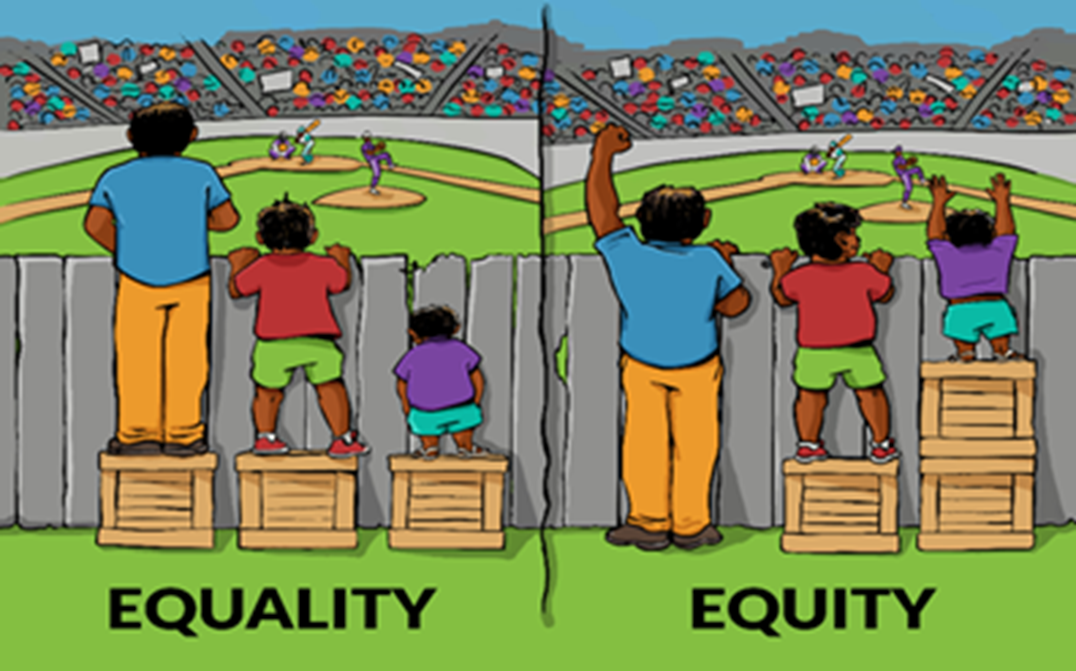
•Example: Everyone gets a pair of glasses (input, fair, equality). We want everyone to see well (output, everyone gets what they need, equity).
“Treating everyone exactly the same is not fair. What equal treatment does is erase our differences and promote privilege. Privilege is when we make decisions that benefit enough people, but not all people.” Amy Sun
So think about outputs first and then work backwards to determine goals and actions to take to meet those goals.
Metrics: Accountability = Trust
I often get asked how leadership can build trust at their companies. I think it is pretty simple, do what you say you’re going to do. When you are accountable to your promises, you build trust. So I suggest you create a very public and consistent way to show (and prove) that you are indeed working towards the goals and outputs you set for your organization.
•Create measurement and indicators so you know you’re making progress. Create a dashboard.
•Establish a baseline with each indicator.
•Measure at multiple points, not just beginning and end.
•Regular surveys.
•Feedback loops.
•Ask the community, employees, etc.
What other ideas do you have to build trust and measure your results?
I recently spoke at an HR & Benefits conference on how to begin and/or refine your DEIB efforts in order to actually be successful in moving the needle in this important work. I will share some of my ideas over several posts. Contact me if you want to know more!

First let’s lay the foundation of some definitions. I adapted this Bank of America graphic and added the Belonging information. So if you start with these definitions and develop outcome goals from there, you will focus on the right outcomes and the right problems so that you design the right solutions. When developing your strategy, know your starting point and what you want the future state to look like and achieve.
A few other things to think about as you develop a strategy:
•Know the power dynamics at your organization.
•Know what you will measure and how. How do we know we have met our outcome goals?
•Establish a baseline-employee satisfaction, engagement, retention, turnover, demographics, surveys.
•Identify resources: Internal/ external.
•Budget: You need one!
•Define terms so that everyone understands.
•Create a playbook.
•Don’t try to take on too much.
I’ll stop there. My next post will continue the conversation on developing a DEIB focus at your organization. Leave a comment if you have any other ideas when developing a strategy.
Next week, I am co-presenting a session to a group of women new in their careers. Our topic is how obstacles can hinder women’s careers in the workplace. We all know bias exists and it certainly is a challenge for women…all women. I have witnessed it. I have experienced it. And I don’t want my daughters (or any other woman) to have to deal with it.
I have created some pre-work to set the stage for the face-to-face training, which I have shared below.
Individual Reflection:
1. What is my first memory of seeing or experiencing someone different from me?
2. When was there a time in my life that I felt different from others?
3. How did you deal with the situations above?
Read This:
Bias Holds Women Back (forbes.com)
Individual Reflection:
1. What was your reaction to this article?
2. Have you ever experienced or witnessed any of the bias the article discusses?
3. How did you deal with the situations above?
During the live session, we will walk through what bias looks like, how we all have bias and some things we can do when we see or experience bias. I know that women new in their careers might not be willing to speak up, but my hope is to share some tools that will help them address bias in a thoughtful, intentional, empowering way.
I just returned from a week in London. As a lover of historical fiction, London has been on my must-travel list for years. I am not sure why it took me so long to get there. London did not disappoint. I think one of my favorite things was all the nook and crannies you can find in London…in other words a great city to just wander.








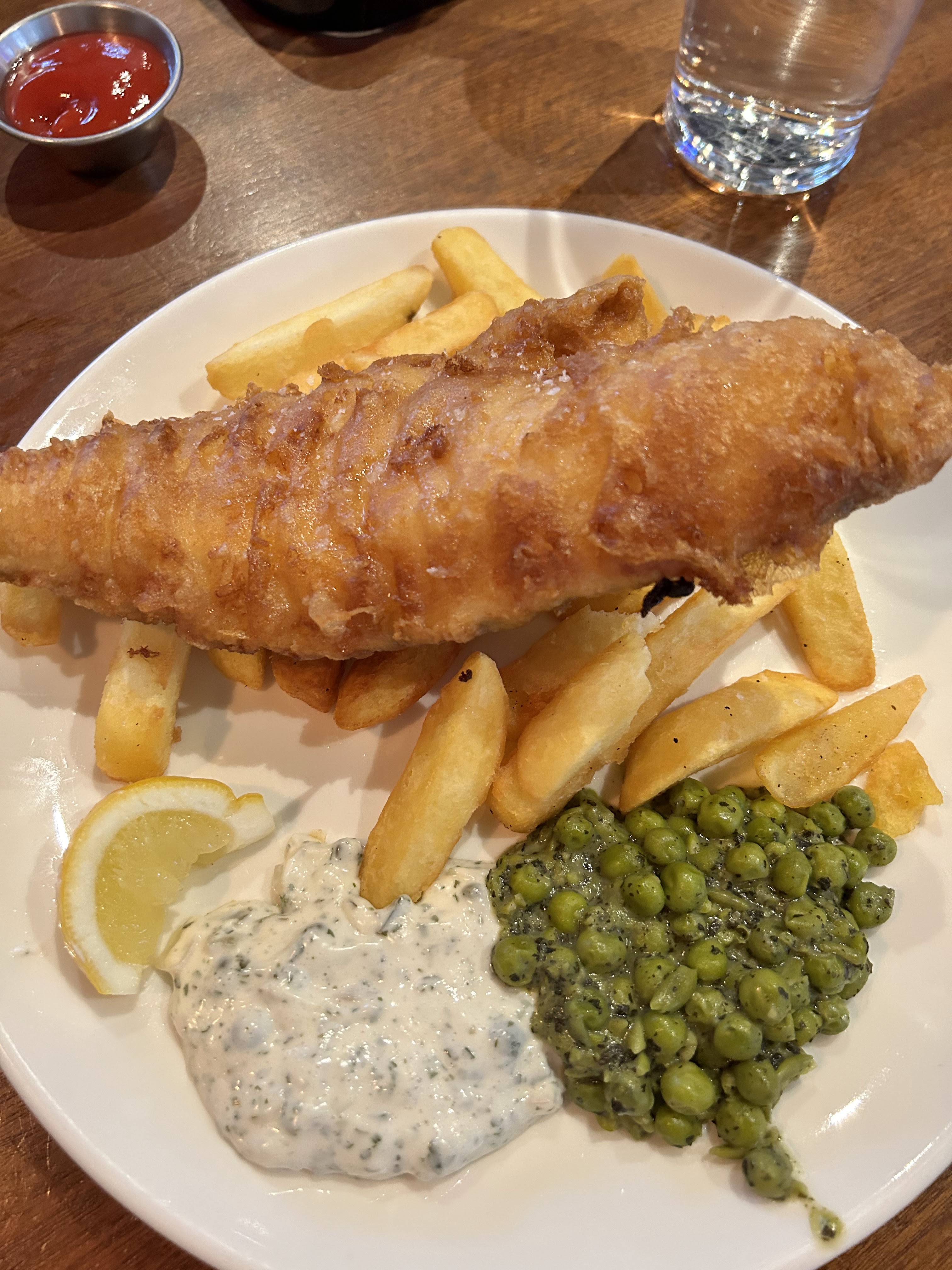
I loved the mix of old and new, the liveliness of the streets, the friendliness of the people and most surprisingly, the fantastic food! I walked over 20,000 steps a day, visited some fantastic museums and got to see a play on the West End. The weather was very similar to Portland with teasing of spring weather, a few downpours and mostly grey, drizzly weather. Overall, just a fantastic week!
 seniyegroff